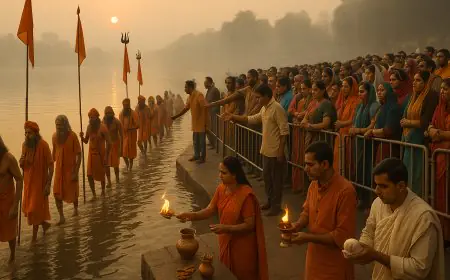



































How Can Pilgrims Plan the Perfect Simhastha Trip?
A complete guide for pilgrims to plan the perfect Simhastha 2028 trip, covering travel, accommodation, Shahi Snan preparation, safety tips, routes, essentials, and spiritual planning for a smooth and meaningful experience.
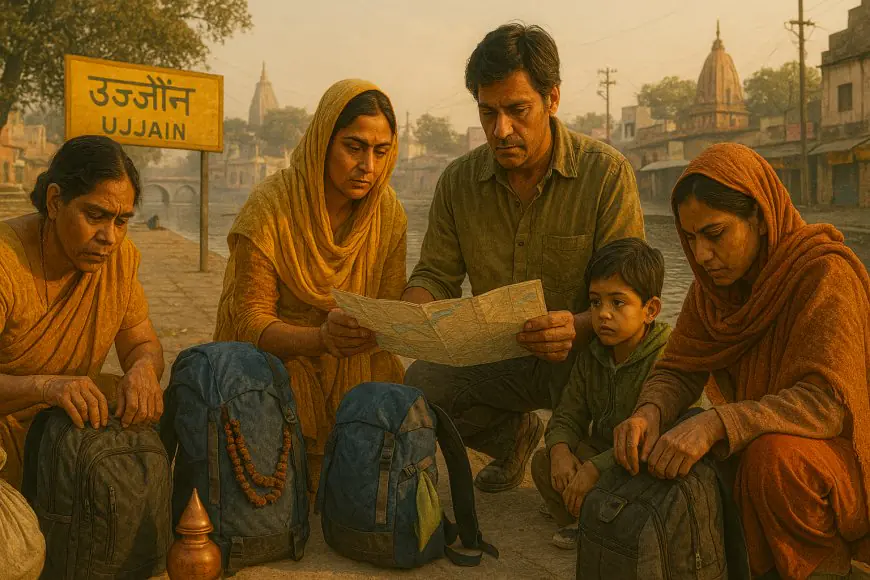


How Pilgrims Can Plan the Perfect Simhastha Trip: A Complete Guide for 2028
Simhastha 2028 in Ujjain will welcome millions of pilgrims from across India and the world. For many, this journey is not just travel — it is a sacred commitment, a moment of inner renewal, and a once-a-decade opportunity for spiritual transformation. But with such a massive scale comes the need for thoughtful planning.
A successful Simhastha trip blends devotion, safety, timing, awareness, and preparation. This comprehensive guide will help pilgrims plan their entire journey smoothly: from travel and accommodation to Shahi Snan, Akhara visits, darshan routes, and practical essentials.
For Every pilgrims, understanding Simhastha 2028 dates and the official Shahi Snan timeline is essential before booking flights or accommodation, as these sacred dates are completely non-negotiable.
1. Know the Most Important Dates of Simhastha 2028
Simhastha 2028 will be held:
Trending Guides Now

Why Ujjain Is One of the Four Kumbh Cities in India

Simhastha Kumbh Mela Explained for First-Time Visitors

What to Wear Carry Avoid at Ujjain Simhastha

Simhastha 2028 Preparation Timeline: What Happens Each Year

Ujjain Railway Station to Mahakaleshwar Temple Distance (2026 Guide)

Ujjain Simhastha 2028 Dates Announced: Full Shahi Snan & Event Timeline

Mangalnath Temple Trip Budget: Puja, Local Transport, Food and Stay Planning

Omkareshwar Trip Budget Guide: Transport, Stay, Food and Local Travel Costs
27 March 2028 to 27 May 2028
The three biggest days are the Shahi Snan dates:
• 09 April 2028 – First Shahi Snan
• 23 April 2028 – Second Shahi Snan
• 08 May 2028 – Third Shahi Snan
If you want a calmer experience, avoid arriving one day before or after Shahi Snan, as these dates attract extraordinary crowds.
If your purpose is spiritual intensity, the first Shahi Snan is the moment where devotion and energy peak.
2. Decide Your Purpose: Darshan, Snan, Satsang, or Exploration
Every pilgrim arrives with a different intention. Clarifying your purpose helps you plan better:
• Shahi Snan seekers should focus on timing, route planning, and early arrival at ghats.
• Mahakaleshwar darshan seekers should avoid peak Snan days.
• Satsang and spiritual gatherings are best experienced in the mid-days of the festival.
• Photographers and cultural travelers should aim for evening aarti and Peshwai processions.

Your intent shapes your schedule.
3. Book Travel Early — By Air, Train, or Road
Simhastha draws massive footfall, and travel routes fill quickly.
By Train
Ujjain Junction will be the main hub, with additional temporary stations:
• Vikram Nagar
• Pingleshwar
• CHL Junction (Simhastha temporary station)
Book tickets 4–8 months in advance to avoid last-minute surges.
By Air
Nearest airports:
• Indore Airport (55 km)
• Bhopal Airport (180 km)
Indore–Ujjain shuttle services and Simhastha rapid buses will run continuously.
By Road
Safe highways:
• Indore–Ujjain
• Bhopal–Shajapur–Ujjain
• Ratlam–Ujjain
• Kota–Ujjain
Use GPS + official Simhastha maps for traffic-free diversions.
4. Choose the Right Accommodation
During Simhastha, Ujjain offers:
Budget Options
• Dharamshalas
• Mandir guesthouses
• Trust accommodations
• Community halls
Mid-Range
• Lodges
• Business hotels
• Private hostels
Premium
• High-end hotels (limited)
• Resort camps
• Luxury tents in designated areas
Simhastha Camps
Government-approved camps offer:
• Sleeping cots
• Common toilets
• Drinking-water stations
• Security
• Food courts
• Help desks
Book early. Prices rise sharply close to Shahi Snan dates.
5. Understand the Akhara Areas and Peshwai Routes
The Akharas are the heart of Simhastha.
You should experience:
• Peshwai (Royal Entry Procession)
• Akhara Darshan
• Naga Sadhus’ rituals
• Traditional formations and dhwaj processions
Each Akhara has unique traditions. Visiting respectfully is important.
6. Plan Your Shahi Snan Day Wisely
A perfect Shahi Snan requires:
Arrive Early
3–4 AM is ideal. After sunrise, crowds swell dramatically.
Carry Only Essentials
No large bags, no valuables.
Know the Ghat Routes
Simhastha 2028 will have:
• Ram Ghat
• Mangalnath Ghat
• Triveni Ghat
• Bhukhi Mata Ghat
• Narsingh Ghat
Follow police guidance and barricaded lanes.
Stay Hydrated
Dehydration is very common.
Follow Snan Timing
Snan windows depend on planetary positions and Akhara order.
7. Pack Smart: The Pilgrim’s Essential Kit
Carry:
• Cotton clothes
• Waterproof mobile pouch
• Small towel
• ID card
• Basic medical kit
• ORS packets
• A pair of slippers
• Light woolen (April nights can be breezy)
• Refillable water bottle
• Snacks (dry fruits, chikki, biscuits)
Avoid heavy bags, jewelry, or unnecessary electronics.
8. Emergency Services and Safety Tips
Simhastha 2028 includes:
• AI-powered crowd monitoring
• 24x7 medical centers
• Drone surveillance
• Lost-and-found counters
• Emergency volunteers
• Police help kiosks
Safety Tips
• Stay with your group
• Keep your phone charged
• Use designated walking lanes
• Follow announcements
• Keep a copy of your accommodation details
9. Food, Water, and Sanitation Planning
Ujjain will host:
• Mega food courts
• Volunteer-run bhojanalayas
• RO water stations
• Sanitation zones
Eat light and fresh. Avoid roadside fried foods during peak heat hours.
10. Best Things to Experience Beyond Shahi Snan
• Evening Shipra Aarti
• Mahakal Corridor
• Triveni Museum
• Sandipani Ashram
• Mangalnath Temple (zero longitude point)
• Cultural events and folk performances
Simhastha is a spiritual journey, but Ujjain is a city filled with cosmic stories.
11. How Many Days Should a Pilgrim Stay?
Ideal durations:
Casual visitor: 1–2 days
Shahi Snan pilgrim: 2–3 days
Full spiritual seeker: 5–7 days
Longer stays allow deeper participation in satsangs, rituals, and Akhara traditions.
12. Mindset Matters the Most
A perfect Simhastha trip is not about luxury or convenience — it is about inner calm, patience, and surrender.
Prepare your mind for:
• crowds
• waiting
• long walks
• sudden route changes
• heightened emotion and devotion
The more flexible you are, the more meaningful your journey becomes.
You May Also Like:
- How Can Pilgrims Plan the Perfect Simhastha Trip?
- What Are the Official Dates and Major Events of Simhastha 2028?
- Why Simhastha Happens Only When Jupiter Enters Leo ?
- Why Ujjain Was Chosen for Simhastha: Ancient Scriptures & Astral Logic
- Does Taking a Holy Bath in the Shipra River During Simhastha Remove Karmic Sins?
- Why is Ujjain Kumbh Called Simhastha?
- Simhastha 2028 Ujjain: Next Dates, Shahi Snan Schedule & Complete Spiritual Guide
- Was Ujjain the First Scindia Headquarters? Did Ranoji Start Simhastha? Full Spiritual Truth Revealed
- Top 10 Routes to Enter Ujjain During Simhastha 2028 Without Traffic Hassles
- The Cosmic Importance of Jupiter in Leo: Why It Creates Simhastha in Ujjain
- How Akhara Sector Allocation Works in Simhastha 2028: Complete Breakdown for Pilgrims
- Who Are the Naga Sadhus of Simhastha 2028? Discipline, Rituals & Mystical Identity Revealed
- The Arrival Procession of Akharas in Simhastha 2028: A Complete Explainer
- How to Travel Inside Ujjain During Simhastha 2028: Routes, Maps and Movement Plans
- Why Ujjain Is Called the Navels of the Earth: Ancient Secrets Behind Simhastha
Frequently Asked Questions