















How Pilgrim Entry Windows Are Time-Segmented During Simhastha
Learn how Simhastha uses time-segmented pilgrim entry windows to manage crowds, reduce congestion, and ensure smooth spiritual experiences.
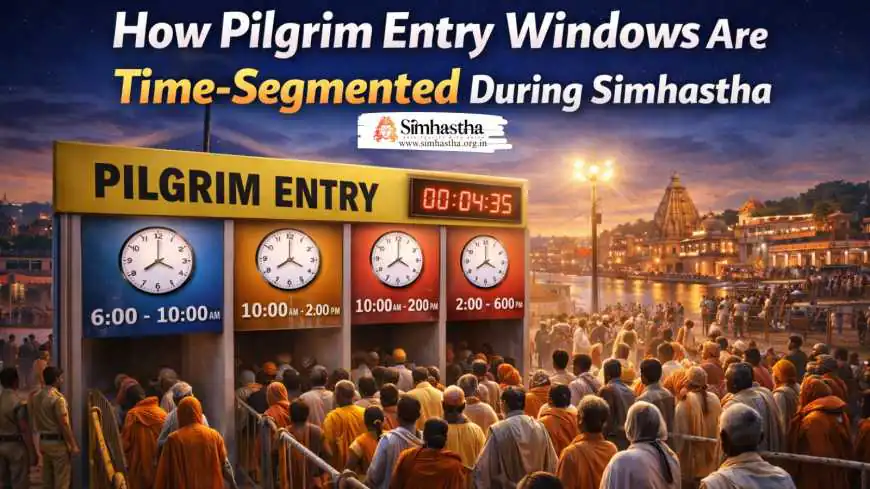

How Pilgrim Entry Windows Are Time-Segmented During Simhastha
Simhastha is one of the largest human gatherings on Earth, where devotion moves in waves rather than footsteps. In such a massive spiritual convergence, the difference between order and chaos lies in timing. Simhastha 2028 introduces a deeply structured approach where pilgrim entry is no longer random or unrestricted. Instead, it is intelligently distributed through time segmented entry Ujjain, ensuring that every pilgrim gets access without overwhelming the system.
This system works like an invisible rhythm guiding millions. Each pilgrim, knowingly or unknowingly, becomes part of a coordinated flow where entry into ghats, temples, and key zones is aligned with capacity and movement patterns. The result is not restriction but balance. Not delay but smoother access. Not control but thoughtful distribution.
Understanding the Concept of Time-Segmented Entry
The idea behind time segmented entry Ujjain is simple yet powerful. Instead of allowing continuous and unrestricted entry into high-density areas, the day is divided into specific time blocks.
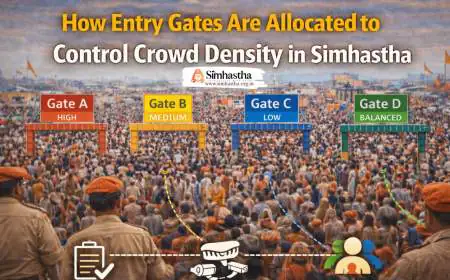
Each block or window allows a limited number of pilgrims to enter designated zones. This ensures that crowd density remains manageable at all times. The Simhastha entry system transforms what could be overwhelming surges into steady, predictable flows.
Trending Guides Now

How Sector-Based Crowd Flow Works in Simhastha: A Simple Guide for First-Time Visitors
Why Simhastha Zones Are Reconfigured Between Major Snan Days

How Pilgrim Holding Areas Prevent Stampede Risks in Simhastha
How Crowd Density Is Calculated During Simhastha 2028 ?

Ujjain Railway Station to Mahakaleshwar Temple: Distance, Fare & Route

Ujjain Simhastha 2028 Dates Announced: Full Shahi Snan & Event Timeline
Mahakaleshwar to Kal Bhairav Temple: Distance, Auto Fare, Travel Time and Route Options
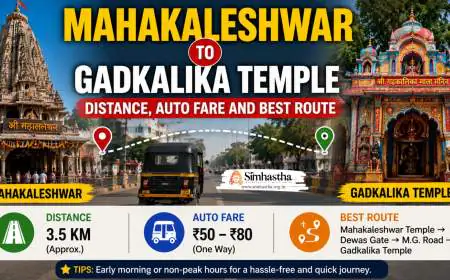
Mahakaleshwar to Gadkalika Temple: Distance, Auto Fare and Best Route
This system is not about limiting devotion. It is about protecting it.
Why Simhastha Requires Time-Based Entry Control
Simhastha operates on moments of spiritual significance. Certain timings, especially during Shahi Snan, attract millions simultaneously.
Without structured entry, this creates pressure points that can quickly escalate into congestion. The Simhastha crowd control system is designed to eliminate these pressure spikes by distributing arrivals across time.
This approach ensures:
- Reduced overcrowding
- Safer movement
- Better access to rituals
Time segmentation becomes the foundation of modern pilgrimage management.
How Entry Windows Are Scientifically Designed
Designing entry windows is not guesswork. It is data-driven.
Authorities use insights from Kumbh entry slots system planning, analyzing:
- Historical attendance patterns
- Hourly peak movement trends
- Capacity of ghats and pathways
- Real-time crowd monitoring systems
Each time slot is assigned a specific capacity. Once that capacity is reached, entry shifts to the next window.
This ensures equilibrium across all zones.
Categories of Time-Segmented Entry Windows
To manage diversity in pilgrims, different entry categories are created.
General Entry Slots
These slots are allocated to the majority of pilgrims.
They are spread throughout the day, ensuring that no single time period becomes overloaded. The crowd distribution Simhastha strategy ensures consistent flow.
Priority Entry Windows
Certain groups require special consideration.
The pilgrimage time slot system India includes priority windows for:
- Elderly pilgrims
- Differently-abled individuals
- Organized yatras
This ensures inclusivity without disrupting balance.

High-Density Day Segmentation
On peak days, entry segmentation becomes more refined.
Time windows are shorter and more controlled. This allows authorities to handle increased crowd volume effectively.
The Simhastha 2028 planning ensures that even peak moments remain manageable.
Communication of Entry Windows to Pilgrims
A system is only effective if it is clearly communicated.
The Ujjain entry timing management uses multiple channels:
- Mobile notifications
- SMS alerts
- Digital signboards
- Public announcements
- Volunteer guidance
This multi-layered communication ensures that pilgrims are always informed.
Role of Digital Technology in Entry Management
Technology acts as the backbone of the system.
The Simhastha crowd flow management integrates:
- QR-based entry passes
- Digital tokens
- Real-time tracking systems
- Central command centers
These tools ensure that entry windows are followed accurately and efficiently.
Route Allocation Based on Time Segments
Time segmentation is closely linked with route management.
The Ujjain entry route planning assigns specific routes to different time slots. This prevents route congestion and ensures smooth movement toward ghats and temples.

Each route functions like a channel, carrying a controlled flow of pilgrims.
Integration with Predictive Crowd Systems
Time-segmented entry does not work in isolation.
It is integrated with predictive systems that analyze real-time data. The Simhastha crowd control system adjusts entry windows based on live conditions.
If a zone reaches capacity:
- Entry is temporarily paused
- Alternate routes are activated
- Pilgrims are redirected
This dynamic adjustment ensures continuous balance.
Benefits of Time-Segmented Entry for Pilgrims
For pilgrims, the benefits are immediate and tangible.
- Reduced waiting time
- Smoother access to ghats
- Less physical strain
- Better overall experience
The Simhastha pilgrim planning guide becomes more predictable and reliable.
Benefits for Authorities and Infrastructure
The system also enhances operational efficiency.
- Better resource allocation
- Improved emergency response
- Reduced pressure on infrastructure
- Enhanced coordination across departments
The Ujjain smart crowd entry system ensures that planning translates into execution.
Challenges in Implementing Time Segmentation
Managing millions through time slots is complex.
Key challenges include:
- Ensuring compliance among pilgrims
- Managing unexpected surges
- Coordinating real-time communication
- Handling delays or disruptions
Despite these challenges, continuous monitoring ensures adaptability.
Behavioral Aspect of Crowd Movement
Crowds are not just numbers. They are human behavior in motion.
The Simhastha crowd flow management considers:
- Pilgrim psychology
- Movement patterns
- Group dynamics
Understanding behavior allows better planning of entry windows.
How Pilgrims Can Prepare for Entry Windows
Preparation enhances the experience.
- Check your assigned time slot
- Arrive slightly before your window
- Follow designated routes
- Stay updated through official channels
This ensures that your journey aligns with the system.
Impact on Spiritual Experience
Time segmentation does not reduce spirituality. It enhances it.
With controlled entry:
- Pilgrims experience less stress
- Rituals become more accessible
- Movement feels natural
The system allows devotion to flow without interruption.
The Future of Pilgrimage Management in India
Simhastha 2028 sets a precedent.
The success of Kumbh crowd scheduling will influence:
- Future Kumbh gatherings
- Major religious events
- Urban crowd management systems
This marks a shift toward intelligent event planning.
A Rhythm That Guides Millions Without Being Seen
What unfolds during Simhastha is not just movement but orchestration. Time-segmented entry windows act like a silent conductor, guiding millions through an invisible rhythm. Pilgrims walk with faith, unaware that every step is aligned with a larger design. There is no rush, no overwhelming surge, only a steady flow that feels natural and calm. In this harmony between planning and devotion, Simhastha transforms scale into serenity, proving that even the largest gatherings can move like a single, balanced breath.
Frequently Asked Questions