

















Expected Zones & Sectors of Simhastha 2028: A First Look at Ujjain’s Massive Layout
A detailed breakdown of Ujjain’s expected zones and sectors for Simhastha 2028, including ghats, logistics corridors, tent sectors, parking hubs and pilgrim movement plans.


Expected Zones & Sectors of Simhastha 2028: A First Look at Ujjain’s Massive Layout






For Every pilgrims, understanding Simhastha 2028 dates and the official Shahi Snan timeline is essential before booking flights or accommodation, as these sacred dates are completely non-negotiable.
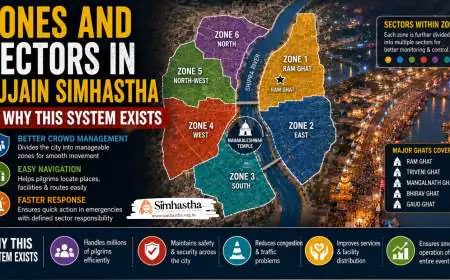
Why Zoning Matters for Simhastha 2028
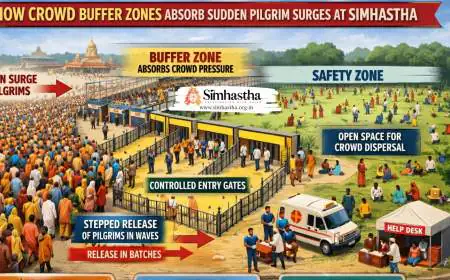
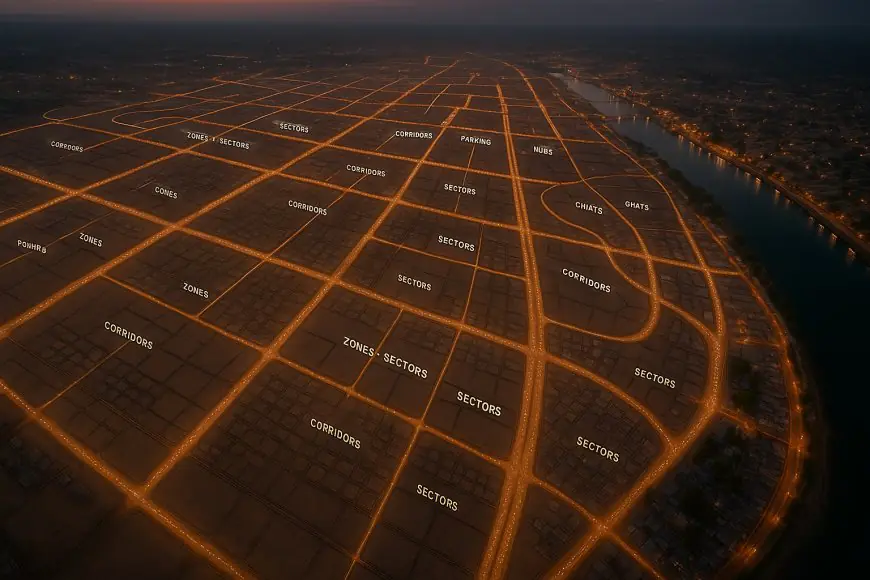
Large religious gatherings require urban design techniques rooted in crowd psychology, spatial planning and safety engineering. Zoning prevents overcrowding, distributes population evenly and allows dedicated space for rituals, accommodation and support services.
Advantages of a Multi-Zone Model
- Reduces congestion around major ghats
- Creates predictable movement patterns
- Improves access to restrooms, food and medical support
- Enables rapid response during emergencies
- Supports comfort and convenience for elderly pilgrims
Instead of clustering all activities in one area, Simhastha 2028 aims to spread the experience across a city-sized devotional map.
Main Pilgrimage Zones Around the Kshipra River
The Kshipra River remains the devotional axis of Simhastha. The expected layout includes multiple bathing sectors along the ghats to distribute devotees and reduce pressure on a single point of entry.
To deepen your understanding of the spiritual customs and sacred rituals practiced during Ujjain Simhastha, read our complete Simhastha rituals and sacred practices guide that explains their meaning, timing, and significance.

Primary Ghat-Oriented Sectors
- Ram Ghat Principal Zone — highest ritual density
- Narsingh, Gaughat and Dutt Akhada Zones — mid-level pilgrim flow
- Triveni Area Sector — controlled crowd movement for seniors
- Kaliyadeh Sector — suitable for non-peak day ritual bathing
The concentration of sacred infrastructure is highest at Ram Ghat, while other sectors offer alternative access to reduce rush during peak timings.
Akhara-Centric Zones and Procession Corridors
The movements of the 13 Akharas form the spiritual foundation of Simhastha. Dedicated procession corridors and entry sectors allow Naga Sadhus and saints to reach the river safely and ceremonially.
Key Elements of Akhara-Focused Layout
- Exclusive access routes for Peshwai processions
- Priority bathing sectors for Shahi Snan
- Aligned exit routes for disciplined return
- Dedicated medical and safety personnel along the corridor
- Restricted-access rings around Akhara camps
This arrangement ensures that the Shahi Snan is performed with grace, tradition and maximum safety for saints and devotees alike.
first time Simhastha guide is essential because without contextual understanding, pilgrims arrive prepared for devotion but unprepared for logistics, stamina, patience, and adaptability.
Tent City Sectors and Pilgrim Residential Clusters
Accommodation zones are strategically located to prevent overcrowding near the ghats while keeping commute distances manageable. The tent clusters are distributed according to category and pilgrim preference.
Residential Sector Types
- General tent clusters for budget pilgrims
- Family-friendly tents with private washrooms
- Women-priority accommodation blocks
- Senior-support zones equipped with assistance points
- Group and yatra-party clusters for large spiritual groups
Each accommodation sector includes drinking water points, dining halls, information kiosks and restroom facilities to ensure easy access to essentials.
Parking, Shuttle & Public Mobility Zones
To reduce crowd congestion on roads around ghats, most private vehicles will stop at outer-ring parking sectors. From there, shuttle transport and walkways lead pilgrims towards ritual zones.
Also Read | Best time to visit Ujjain Simhastha 2028
Mobility Layout for Simhastha
- Peripheral parking megazones outside dense city regions
- Shuttle bus loops connecting key sectors to bathing areas
- Dedicated walking lanes with signages in multiple languages
- Drop-off corridors for senior pilgrims and differently abled visitors
- 24×7 announcement system for route advisories
This mobility zoning ensures that movement remains disciplined while pilgrims stay close to the heart of the event.
Service Sectors for Food, Medical and Assistance
To support millions of devotees, Simhastha 2028 incorporates multiple service zones. These ensure that basic necessities can be accessed without long travel or waiting.
Also Read | Step-by-Step Guide to Shipra Snan at Ujjain Kumbh Mela
Essential Service Sector Setup
- Bhandara and Satvik meal clusters
- 24×7 medical outposts with ambulances
- Lost-and-found / child-tracking counters
- Help desks and multilingual information panels
- Women support and night-safety assistance centers
These services help pilgrims spend more time in devotional activities and less time navigating logistical challenges.
A City-Sized Spiritual Layout Built for Devotion
The zones and sectors of Simhastha 2028 are designed not simply for crowd management but for spiritual harmony. When movement, safety and services flow smoothly, pilgrims can immerse themselves fully in rituals, darshan and the divine atmosphere of Ujjain. The planned layout brings together technology, tradition and hospitality to create a pilgrimage experience that is organized, peaceful and spiritually elevating.
Through this intelligent zoning model, Ujjain demonstrates that devotion and large-scale logistics can coexist gracefully — turning Simhastha 2028 into a global example of spiritually oriented city management and pilgrim care.
Also Read | Common Simhastha Mistakes Visitors Must Avoid
Frequently Asked Questions