

















Kshipra Riverfront Zones: What Pilgrims Must Know for Simhastha 2028
Essential guide to the Kshipra riverfront zones for Simhastha 2028 — bathing ghats, zone layout, crowd flow, safety tips and timing advice for pilgrims.


Kshipra Riverfront Zones: What Pilgrims Must Know for Simhastha 2028
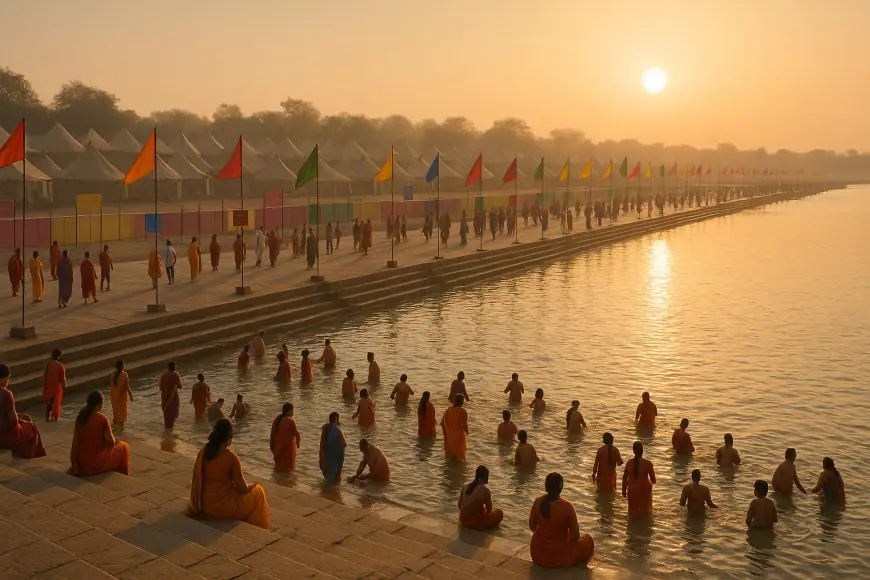
The :contentReference[oaicite:1]{index=1} is the sacred lifeline for pilgrims visiting Ujjain for Simhastha 2028. As millions prepare to take ceremonial dips, perform aartis and participate in rituals, the riverfront has been strategically divided into multiple zones. Understanding these zones is essential — it can mean the difference between a peaceful pilgrimage and a stressful struggle amid crowds. This guide provides a thorough breakdown of the riverfront zones, access rules, safety measures and practical tips so that every pilgrim can plan a smooth, fulfilling, and spiritually rich visit.
For Every pilgrims, understanding Simhastha 2028 dates and the official Shahi Snan timeline is essential before booking flights or accommodation, as these sacred dates are completely non-negotiable.
Why Riverfront Zoning Matters
When crores of devotees converge for a holy bath and spiritual observances, the pressure on river banks and ghats becomes immense. Without proper management, risks of overcrowding, water contamination, stampede and confusion increase dramatically. A well-structured riverfront zone plan serves to:
- Distribute pilgrims across multiple ghats and bathing points
- Maintain safety and hygiene at water-entry points
- Manage crowd flow with separate entry and exit corridors
- Provide facilities like toilets, medical help, drinking water and resting areas
- Ensure accessibility for seniors, children and divyang pilgrims
For Simhastha 2028, these zones are not optional — they are lifesavers. Each pilgrim’s cooperation helps maintain calm and sanctity.
Trending Guides Now

How Sector-Based Movement Will Control Crore-Level Crowds in Simhastha 2028
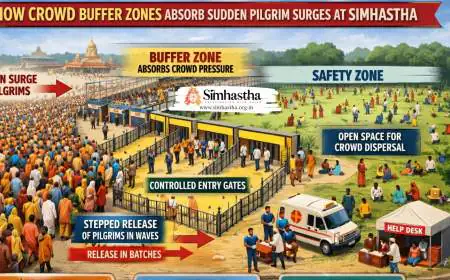
How Crowd Buffer Zones Absorb Sudden Pilgrim Surges at Simhastha

Why Residential Zones and Ritual Zones Are Kept Separate in Simhastha 2028

Why Simhastha Zones Are Reconfigured Between Major Snan Days

Ujjain Railway Station to Mahakaleshwar Temple Distance (2026 Guide)

Ujjain Simhastha 2028 Dates Announced: Full Shahi Snan & Event Timeline

Ujjain Simhastha Update: CM Mohan Yadav Reviews 2028 Works

Karkateshwar Mahadev: 22/84 Mahadev of Ujjain
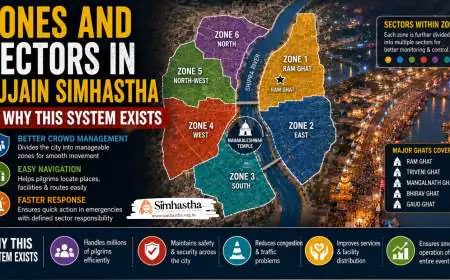
Overview of Riverfront Zone Classification
The Kshipra riverfront for Simhastha is divided into **three main zone categories**: Bathing Ghats Zones, Ritual & Aarti Zones, and Support & Facilities Zones. Each zone serves a distinct purpose and is planned to cater to different needs of pilgrims.
Main Zone Types
- Bathing Ghats Zones: Designated ghats for holy dips based on crowd density, safety and ritual suitability.
- Ritual & Aarti Zones: Areas for evening aarti, puja, spiritual gatherings, mirror halls for satsang and dhuni-based worship.
- Support & Facilities Zones: Service areas for toilets, medical aid, water supply, changing rooms, temporary shelters and help desks.
Each main zone is further divided into sub-zones or sectors to organize crowd flow better.
To deepen your understanding of the spiritual customs and sacred rituals practiced during Ujjain Simhastha, read our complete Simhastha rituals and sacred practices guide that explains their meaning, timing, and significance.
Bathing Ghats Zones and Their Differences
Not all ghats are the same — each has its own capacity, water flow, safety design and crowd suitability. During peak days, the ghats will be color-coded and signposted to help pilgrims find the right bathing zone based on need.
Types of Ghats on Kshipra Riverfront
- Major Ghats: High-capacity ghats with reinforced stairs and wide platforms — ideal for large-scale Shahi Snan and group bathing.
- Medium Ghats: Balanced capacity for standard dips and moderate crowd density — better for families and groups.
- Seniors/Divyang Friendly Ghats: Equipped with ramps, handrails, shallow entries — suitable for elderly devotees and differently abled pilgrims.
- Off-Peak Ghats: Smaller or side ghats less crowded — ideal for calm dips, early morning or late-night access.
Pilgrims are encouraged to avoid major ghats if they do not need the ritual intensity — choosing medium or off-peak ghats improves safety for all.
Ritual & Aarti Zones: Evening & Ceremony Areas
Bathing isn’t the only spiritual activity during Simhastha. Evening aartis, devotional gatherings, pravachan and satsang form the soul of the festival. These rituals happen in designated ritual zones to manage crowding and ensure order.

Key Features of Ritual Zones
- Circular or semicircular platforms open to river view
- Sound system and lighting for evening ceremonies
- Separate entry for pilgrims and restricted access for VIP or saints’ processions
- Controlled seating/standing area to prevent crowd crush
- Emergency exits and medical first-aid facilities nearby
Ritual zones turn the riverfront into a place of devotion and community without compromising safety and order.
Support & Facilities Zones: Essential Services Behind the Scenes
While ghats and aarti platforms draw attention, the unsung heroes of comfort are Support Zones. These ensure every pilgrim has access to sanitation, water, rest and help during stressful peak hours.
What These Zones Include
- Temporary toilets and bathing rooms
- Water filtration and drinking water points
- Medical tents — for first aid and emergency care
- Lost-and-found / child-tracking help desks
- Resting shelters for seniors and families
- Volunteer kiosks for information and guidance
Support zones are typically positioned within 200–500 metres of the ghats so help is never far away.
first time Simhastha guide is essential because without contextual understanding, pilgrims arrive prepared for devotion but unprepared for logistics, stamina, patience, and adaptability.
How The Zone Layout Manages Pilgrim Flow
At its core, the zone-based layout is all about linear flow: Arrival → Entry Gate → Bathing / Ritual Zone → Exit Gate → Support / Rest Zone → Shuttle/Accommodation. Controlled entry, one-way movement in busy corridors and zonal signage make sure that crowding is avoided even when hundreds of thousands reach the river bank in hours.
Movement Pattern for Typical Pilgrim
- Enter from assigned entry gate of a zone
- Walk through pre-check and security corridor
- Reach bathing ghat or ritual platform
- After rituals, move to exit gate — avoid going against flow
- Access support zone if needed — rest, water, medical care
- Return to accommodation using shuttle or walking paths
Strict one-way and zone-based movement ensures safety, especially during Shahi Snan days.
Also Read | Best Time to Visit Ujjain Simhastha 2028
Identifying Zones: How Pilgrims Will Recognize Them
For ease of navigation, authorities use multiple visual and digital indicators so every pilgrim knows where they are and where to go next.
Visual and Digital Signage Elements
- Color-coded flags and banners marking zones
- Entry/exit gates numbered and colour-coded
- Zone-based maps and directions printed on flyers and hoardings
- Digital boards showing crowd density, waiting times and nearest support zones
- Volunteers and security personnel assigned per zone for guidance
With such layered signage and direction, even first-time pilgrims can navigate the riverfront without confusion.
Safety & Hygiene Measures Integrated in Zoning
Bathing zones and support zones are equipped with multiple safety layers to ensure health, rescue support and orderly movement even in high-density conditions.
Safety Provisions for 2028
- Sculpted stairs and railings to prevent slipping
- Life-guards and rescue post stationed every 500 meters
- 24×7 medical tents and ambulances on standby
- Sanitation and clean water supply to prevent water-borne diseases
- Separate women and senior-friendly washrooms
- Lost-and-found desks and child-tracking wristband system
Preparedness ensures that every dip into the holy river — whether day or night — remains sacred and safe.
Tips for Pilgrims: Navigating Zones Smartly
A little planning helps every pilgrim make the most of the zone layout. Here are practical tips to avoid stress and maximise comfort.
Also Read | Step-by-Step Guide to Shipra Snan at Ujjain Kumbh Mela
Smart Zone-Use Tips
- Check zone color or number on your accommodation card before heading — leads to shorter routes
- Avoid major ghats if you are elderly, with children or luggage — use medium or senior-friendly ghats
- Carry minimal luggage; use lockers or help-desk storage if available
- Avoid peak Snan hours if you seek calm bathing or meditation
- Use support zones for resting, hydration and toilet — especially after long rituals
- Respect one-way flow rules — don’t push against crowd movement
- Always hold important documents/cell in waterproof pouch — wet ghats can be risky
By using zones smartly, you assure both your own safety and collective harmony for all pilgrims.
What Happens If Zones Break Down — and How It’s Prevented
In rare situations where crowd pressure becomes too high — due to unexpected influx, weather changes or miscommunication — the zone system can get overwhelmed. To prevent such breakdowns, the city management includes contingency plans:
Contingency Safety Mechanisms
- Emergency empty-zone corridors to redirect overflow
- Additional temporary support zones (extra toilets, water, medical tent) activated on demand
- Volunteer-driven crowd redirection on loudspeakers
- Strict closing of overflow zones once capacity reaches limit
- Waiting-zone markers for pilgrims to hold until flow resumes
These measures ensure that even in surge conditions, safety and spirituality remain intact.
Also Read | Common Simhastha Mistakes Visitors Must Avoid
Why Zones Keep the Sacred Experience Intact
At the heart of zoning lies the belief that devotion thrives in serenity. A chaotic, overcrowded riverfront may resemble a festival, but a well-planned zone layout preserves its sanctity. It allows every pilgrim — whether alone or in a group — to bathe, pray and meditate without fear, discomfort or distraction. With zones, the focus stays on spirituality, not logistics.
As Ujjain prepares for Simhastha 2028, the Kshipra riverfront zones stand as the backbone that supports both faith and safety. Pilgrims who respect this structure participate not just in a ritual, but in a shared dharmic harmony — one that turns individual devotion into collective serenity.
While riverfront zones help pilgrims navigate Simhastha 2028 safely, it is important to understand why the Kshipra River itself holds such central spiritual authority in this event. Simhastha is not planned merely around infrastructure or crowd management. It exists because of the sacred status of the Kshipra in Sanatan tradition. To fully understand how riverfront zones are designed and why certain ghats carry greater ritual importance, pilgrims should first explore the mythology, scriptural role, and spiritual power of the Kshipra River that anchors Simhastha 2028.
Related Simhastha 2028 Guides :
- Simhastha 2028 Dates Officially Announced: Full Event & Shahi Snan Timeline
- Top 10 Routes to Enter Ujjain During Simhastha 2028 Without Traffic Hassles
- How to Travel Inside Ujjain During Simhastha 2028: Routes, Maps and Movement Plans
- How to Travel in Ujjain During Peak Snan Days: Do’s & Don’ts for Simhastha 2028
- Solo Travel Guide for Simhastha 2028: Safety, Budget, Stay & Movement Tips
- Mumbai to Ujjain for Simhastha 2028: Fastest Routes & Budget Tips
- Bengaluru to Ujjain for Simhastha 2028: Night Travel vs Day Travel Comparison
- Delhi to Ujjain for Simhastha 2028: Fastest Same-Day Travel Plan for Pilgrims
- Ujjain Simhastha from New York: Best Travel & Stay Guide
- Ujjain Simhastha From London: Complete Travel & Stay Guide
Frequently Asked Questions