













How Akharas Manage Food and Resources for Thousands
Discover how akharas manage food and resources for thousands during Kumbh Mela. From Bhandari Babas to subsidized rations, explore the ancient logistics system.

The Hidden Machinery Behind the Spiritual Spectacle
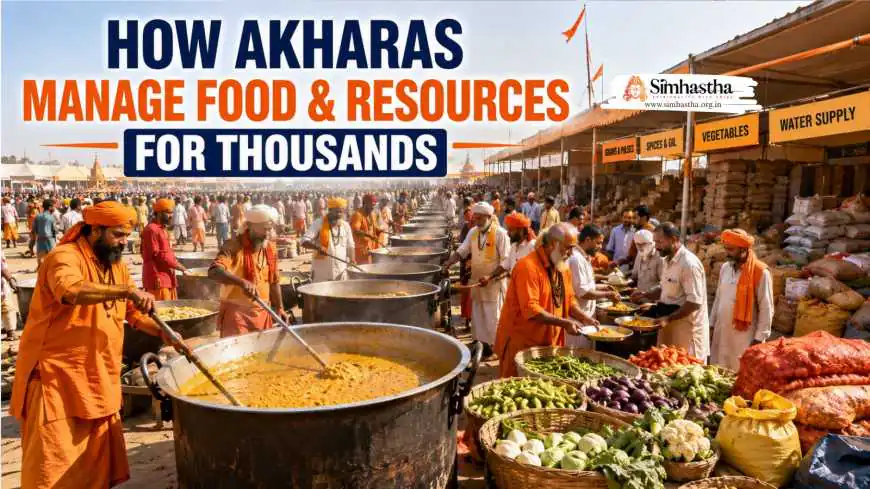
Let me take you behind the curtain of one of the world's largest religious gatherings. 🌟 When millions of devotees, sadhus, and Kalpvasis descend upon the Sangam for the Kumbh Mela, an invisible but massive operation kicks into gear. And at the heart of this operation are the Akharas – the ancient monastic orders that have been managing food and resources for thousands of pilgrims for centuries.
Have you ever wondered how thousands of seers get fed every single day during the Kumbh Mela? Or how the 13 Akharas manage to set up entire temporary cities on the sandy banks of the river, complete with kitchens that operate around the clock? 🍛
The answer lies in a fascinating blend of ancient tradition and modern logistics. From the sacred role of the Bhandari Baba who oversees the kitchen to the state government's massive subsidized ration scheme, the system that keeps the Akharas running is nothing short of extraordinary.
In this article, we'll explore the intricate web of food management and resource distribution that makes the Kumbh Mela possible. We'll meet the culinary specialists who have dedicated their lives to this sacred duty, understand the government's logistical support, and discover how tradition and technology work together to feed thousands. 🙏
Trending Guides Now

13 Akharas of Simhastha 2028: Names, Order & Their Role Explained

How Naga Sadhus Begin Their Day: Ancient Discipline and Yogic Power
Who Are the Naga Sadhus of Simhastha 2028? Discipline, Rituals & Mystical Identity Revealed

Why Only Akharas Are Allowed to Lead Shahi Snan (Ujjain Rule Explained)

Ujjain Railway Station to Mahakaleshwar Temple Distance (2026 Guide)

Ujjain Simhastha 2028 Dates Announced: Full Shahi Snan & Event Timeline
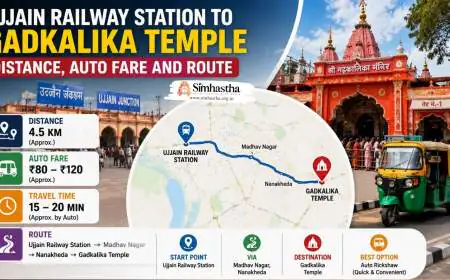
Ujjain Railway Station to Gadkalika Temple: Distance, Auto Fare and Route
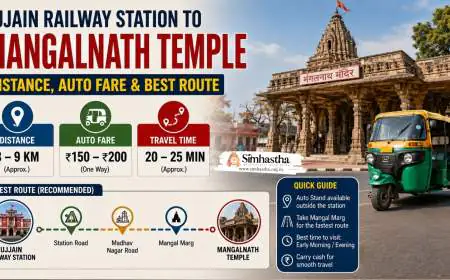
Ujjain Railway Station to Mangalnath Temple: Distance, Auto Fare and Best Route
Who Are the Akharas and Why Do They Matter?
The 13 Akharas of the Kumbh Mela
Before we dive into the logistics of food and resources, let's understand who these Akharas are. The 13 Akharas are monastic orders that form the spiritual backbone of the Kumbh Mela. These include the Sanyasi Akharas (associated with Lord Shiva), the Vaishnav Akharas (associated with Lord Vishnu), and the Udasin Akharas (a sect founded by Guru Nanak's son) .
Each Akhara is like a self-contained spiritual community, with its own hierarchy, traditions, and operational systems. During the Kumbh Mela, each Akhara sets up a sprawling camp – essentially a temporary town – complete with accommodation, prayer halls, and, most importantly, community kitchens. These camps can house anywhere from hundreds to thousands of seers, disciples, and devotees .
The allocation of land to these Akharas is a carefully orchestrated process. For the Mahakumbh, the Mela administration allocated more than 100 bighas of land across the Akhara sector, ensuring each order has sufficient space to set up its camp . This land distribution happens after extensive consultation with the saints and the Akhil Bhartiya Akhara Parishad (ABAP), the apex body representing the Akharas .
Why this matters: The Akharas aren't just religious institutions; they're massive logistical operations that have been running for centuries. Their ability to manage resources efficiently is what allows millions to participate in the Kumbh Mela without chaos.
The Growing Challenge: More Seers, More Demands
Here's an interesting twist – the Akharas themselves are growing. The number of Mahamandaleshwars (high-ranking seers) and disciples in each Akhara has increased significantly over the years . This growth means more mouths to feed, more land required, and more resources needed.
During the land allocation process for the Mahakumbh, several Akharas expressed concerns about receiving less land compared to previous Kumbh Melas . They argued that with the increasing numbers, they needed at least 25% more space to accommodate everyone comfortably. Saints like Shrimahant Ravindra Puri, president of Shri Niranjani Akhara, and Shrimahant Rajendra Das of Nirmohi Ani Akhara voiced these concerns, highlighting the delicate balance between administrative constraints and community needs .

This tension between tradition and modern realities is at the heart of Akhara resource management. It's a constant negotiation – and the system has evolved to handle it remarkably well.
The Culinary Masters: Bhandari Babas of the Akharas
The Sacred Post of Bhandari Baba
Now, let's talk about the unsung heroes of Akhara kitchens – the Bhandari Babas. 🧑🍳
In the Akharas, the Bhandari Baba is a culinary specialist who upholds age-old traditions in the kitchen. Led by the Mukhiya Bhandari (chief cook), they manage the entire cooking operation, preparing meals for the seers and devotees . This isn't just a job; it's a sacred responsibility that comes with rigorous training and strict discipline.
What does it take to become a Bhandari Baba?
The selection process is intense:
-
Five Years of Service: One must remain associated with the Akhara for at least five years before even being considered for the role .
-
Physical Fitness: The work is demanding – cooking for thousands requires stamina and strength.
-
Vedic Knowledge: A Bhandari Baba must be well-versed in the Vedas and Puranas because mantras are chanted while offering bhog (food offerings) to the deities .
-
Culinary Aptitude: Obviously, a passion for food and cooking is essential.
-
Rigorous Testing: The Akhara chairman or secretary tests the candidate's knowledge, asking about religious scriptures and observing their interest in food and drink .
The Discipline of the Akhara Kitchen
Once selected, a Bhandari Baba undergoes six months of formal training. But the real discipline starts from day one:
-
No One Enters the Kitchen Without Permission: You cannot make or take out anything on your own. The stove of the Akhara is not lit without the permission of the Mukhiya Bhandari .
-
Complete Autonomy: The Bhandari Baba himself decides what will be prepared and when. No interference is allowed in his work .
-
Yellow Clothes Symbolize Purity: It is mandatory for the Bhandari Baba and his team to wear yellow clothes while working. This is to please Lord Vishnu and seek blessings, ensuring the kitchen always has a burning stove .
The Kothari: Guardian of Provisions
While the Bhandari Baba focuses on cooking, the Kothari manages the food stores . Together, they ensure that the kitchen runs smoothly – the Kothari ensuring supplies are available, and the Bhandari Baba transforming those supplies into delicious, nourishing meals.
The Daily Routine of a Bhandari Baba
Picture the discipline required to feed thousands every single day. The Bhandari Baba's routine is punishing:
-
3 AM Wake-up: Bathing and worship before starting work .
-
Breakfast Preparation: First, breakfast is prepared for the seers of the Akhara.
-
Main Meal: After breakfast, work begins on the main meal. Everything is offered to the Akhara's deity before being distributed to the sadhus.
-
Late Dinner: The Bhandari Baba and his team only eat after everyone else has been fed .
This isn't just about cooking – it's about service, devotion, and maintaining a tradition that has been passed down through generations. The Bhandari Babas ensure that the Akhara's kitchen represents the spiritual values of the institution.
Government Support: Subsidized Rations for Akharas and Kalpvasis
The Mahakumbh Subsidized Ration Scheme
While the Akharas have their traditions, they also receive crucial support from the state government. For Mahakumbh, the government launched a subsidized ration scheme to support Akharas, institutions, and Kalpvasis .
What's on the menu?
| Item | Rate (per kg) |
|---|---|
| Flour | ₹5 |
| Rice | ₹6 |
| Sugar | ₹18 |
These prices are significantly lower than market rates, making it possible for the Akharas to feed thousands without financial strain. The government allocated 800 permits to Akharas and institutions to access this subsidized ration .
The Massive Scale of Distribution
To ensure smooth distribution, the government set up 138 fair price shops within the Mahakumbh fair area . These shops were strategically placed to serve all 25 sectors of the 4,000-hectare mela tent city .
Warehouse stockpiles:
-
Flour: 6,000 metric tons
-
Rice: 4,000 metric tons
-
Sugar: 2,000 metric tons
Five dedicated food storage warehouses were prepared to prevent any inconvenience for Akharas, Kalpvasis, and religious institutions .
Special Provisions for Kalpvasis
Kalpvasis – the devotees who camp on the sandy banks of the Sangam for the entire month of Magh – receive special attention:
-
1.2 Lakh Temporary White Ration Cards were issued to help them access subsidized items .
-
Each Kalpvasi receives: 3 kg flour, 2 kg rice, and 1 kg sugar per month.
-
Availability: The ration facility is available from January through February .
The One Nation One Card scheme was also implemented to ensure accessibility for all eligible beneficiaries . Each fair price shop was stocked with 100 quintals of goods daily to meet the massive demand .
Gas Connections and Cooking Facilities
Feeding thousands requires not just food, but also fuel. The government appointed agencies across all 25 sectors to provide new gas connections to Kalpvasis, Akharas, and institutions .
Flexibility for all needs:
-
Three types of cylinders: 5 kg, 14.2 kg, and 19 kg – to cater to varying needs.
-
Refilling facilities: Available for those with their own empty cylinders .
This comprehensive approach ensures that the Akharas and Kalpvasis have everything they need to prepare food without interruption.
The Daily Operations: From Kitchen to Plate
How the Akhara Kitchen Works
Let's walk through a typical day in an Akhara kitchen during the Kumbh Mela. 🌅
4 AM: Wake-up and Worship
The Bhandari Baba and his team wake up at 3 AM, bathe, and perform their morning worship. By 4 AM, they are in the kitchen, starting preparations for the day.
5 AM: Breakfast for Seers
Breakfast is typically light but nourishing. Simple dishes like kheer (sweet rice pudding), halwa, or roti with sabzi are prepared. The food is first offered to the Akhara's deity in a ritual called bhog .
8 AM: Cleanup and Prep for Lunch
After breakfast, the kitchen is cleaned, and preparations for the main meal begin. This is when the Kothari ensures all supplies are available.
12 PM: The Great Feeding
Lunch is the main meal of the day. This is when hundreds, sometimes thousands, of seers and devotees are fed. The menu varies but often includes:
-
Dal (lentils): A staple of the Akhara diet.
-
Sabzi (vegetables): Seasonal and local vegetables.
-
Roti or Rice: Simple, filling carbohydrates.
-
Pickles and Chutneys: Adding flavor to the meal.
5 PM: Evening Tea
A light snack or tea is prepared for the seers after their afternoon rest.
8 PM: Dinner
Dinner is similar to lunch but often lighter. Once again, the Bhandari Baba ensures everyone is fed before he and his team eat.
The Scale of Operations
To put it in perspective, a single Akhara camp can house anywhere from 500 to 5,000 seers during the Kumbh Mela. That means:
-
Meals: 1,500 to 15,000 meals per day.
-
Water: Thousands of liters for cooking and drinking.
-
Fuel: Massive quantities of cooking gas or firewood.
-
Volunteers: A dedicated team of helpers working around the clock.
And this is just one Akhara. Multiply this by 13 Akharas, plus countless other institutions, and you begin to understand the scale of the operation.
The Role of Volunteer Seva
Beyond the Bhandari Babas, there's an army of volunteers who assist in the kitchens. These include sadhus, disciples, and even pilgrims who come specifically to perform seva (selfless service) .
This volunteerism is a beautiful aspect of the Kumbh Mela – people from all walks of life coming together to serve others, often citing organizations like the Vishi Sewa Sansthan that offer free meals (langar), medical aid, and shelter to pilgrims from all walks of life .
The Land Allocation: Building the Temporary City
More Than Just Food: The Full Resource Picture
Managing resources for thousands isn't just about food. It's about creating an entire temporary city from scratch.
The Land
The Mela administration allocates land to each Akhara for setting up its camp. More than 100 bighas of land were distributed across the Akhara sector for Mahakumbh . The process is carried out with the full consent of the Akharas, with extensive discussions taking place before finalization.
The Infrastructure
Once the land is allocated, the Akharas set up:
-
Permanent and Temporary Tents: For accommodation, prayer, and kitchen.
-
Toilets and Sanitation: Basic facilities are provided by the administration.
-
Water and Electricity Connections: Essential for running a camp.
-
Drainage Systems: To prevent waterlogging and maintain hygiene.
The administration also ensures that each camp has toilets, drainage, and sanitation facilities . This comprehensive approach makes the Kumbh Mela not just a spiritual experience, but a comfortable one too.
The Camp Setup
The Akhara camps are essentially self-contained towns. Here's what you'd find in a typical camp:
| Area | Purpose |
|---|---|
| Akhara Office | Administrative coordination |
| Pandal (Hall) | Daily prayers and spiritual discourses |
| Kitchen (Rasoi) | Food preparation and Bhandari Baba's domain |
| Bhandar (Store) | Food and resource storage managed by Kothari |
| Seer Quarters | Accommodation for Mahamandaleshwars and senior seers |
| Common Area | For sadhus and devotees to gather and interact |
The Debate Over Space
The land allocation process isn't always smooth. As mentioned earlier, several Akharas have raised concerns about insufficient space . This has led to ongoing dialogue between the Mela administration and the Akhara leadership.
ADM (Mela) Vivek Chaturvedi assured that no Akhara would receive less land than the previous Kumbh, and that the allocation process was finalized in consultation with the Akhil Bhartiya Akhara Parishad . However, some Akharas remain unsatisfied, highlighting the challenges of managing competing interests in a high-stakes environment.
This healthy tension is actually part of what makes the system work – it forces both sides to negotiate and find solutions that serve everyone.
The Spiritual Significance of Feeding
The Sacredness of the Akhara Kitchen
In the Akhara tradition, cooking isn't just a functional activity – it's a spiritual act. The kitchen is considered a sacred space, and the food prepared there is prasad (blessed food) offered first to the deity and then served to devotees.
Offering Bhog: The Bhandari Baba chants mantras while cooking, infusing the food with spiritual energy. The food is first offered to the Akhara's deity before being served to anyone . This transforms a simple meal into a spiritual experience.
Discipline as Devotion: The strict discipline of the Akhara kitchen – waking at 3 AM, wearing yellow clothes, following the rules of purity – is itself a form of devotion. It's a way of showing reverence to the divine through humble service.
The Tradition of Langar
While not unique to the Akharas, the tradition of langar (free community kitchen) is an integral part of the Kumbh Mela. Several organizations, including the Vishi Sewa Sansthan, offer free meals to pilgrims and seers alike .
This tradition embodies the spirit of inclusivity – everyone, regardless of caste, creed, or background, is welcome to sit and share a meal. It's a powerful reminder that in the face of the divine, we are all equal.
The Modern Challenges: Tradition vs. Changing Times
Wrestling with the Old and New
The Akharas are not just managing food; they're managing tradition. The Bhandari Baba's post has been preserved for centuries, but modern demands are changing the equation .
The Pressure of Numbers: More seers, more pilgrims, more mouths to feed. The kitchens are under pressure to scale up while maintaining the discipline of tradition.
Technological Changes: While cooking methods remain largely traditional, modern innovations like gas cylinders and subsidized ration cards have made it easier to feed thousands.
Resource Constraints: The Akharas often rely on donations and government support. Lack of resources can be a challenge, especially for smaller institutions.
The Financial Aspect
Running an Akhara kitchen is expensive. Here's why the government's support is crucial:
-
Market Prices vs. Subsidized Rates: Without the subsidized ration scheme, the cost of feeding thousands would be prohibitive.
-
Infrastructure Costs: Land allocation, water, electricity, and sanitation add significant costs.
-
Volunteer Management: While many volunteers serve for free, coordination and management costs are still incurred.
This is why the government's subsidized ration scheme is so important . It ensures that the Akharas can focus on their spiritual duties without worrying about financial constraints.
The Legacy: Beyond the Kumbh Mela
Preserving Tradition for Future Generations
The Akhara system is one of the oldest continuous institutions in the world. The Bhandari Baba tradition, with its five-year apprenticeship and rigorous selection, is a testament to the commitment of the Akharas to preserve their heritage.
Why it matters: In an era of instant gratification, the Akharas remind us that some things are worth the time and effort. The Bhandari Baba's six-month training, the discipline of the kitchen, the reverence for food – these traditions teach us values that transcend religion.
Lessons for the World
The Akhara management system offers lessons for resource management globally:
-
Decentralized Systems: Each Akhara manages its own resources, but they're all supported by a central administrative framework.
-
Community Participation: Volunteers and donors play a crucial role, creating a sense of ownership.
-
Integration of Tradition and Innovation: The Akharas honor their traditions while embracing modern support systems like subsidized rations and gas connections.
The Bottom Line: A Sacred Logistics System
How do Akharas manage food and resources for thousands? Through a meticulously designed system that blends ancient tradition with modern support. From the sacred Bhandari Baba who channels devotion through food, to the government's large-scale distribution networks, every element works in harmony to feed the thousands of seers and devotees who gather at the Kumbh Mela.
The 13 Akharas, with their community kitchens, the Kalpvasis receiving subsidized rations, the Bhandari Babas chanting mantras as they cook – this is a living tradition that has sustained itself for centuries. It's a system based on discipline, devotion, and a deep sense of community service.
Whether you're a pilgrim experiencing the Kumbh Mela for the first time, or someone fascinated by the logistics of large gatherings, the Akhara food management system is a testament to the power of tradition, organization, and faith working together.
So the next time you see a photograph of thousands of seers lined up for a meal at the Kumbh Mela, remember – behind that simple act of eating is an entire world of tradition, discipline, and dedicated service that has been perfected over hundreds of years. 🙏
Frequently Asked Questions