























Plan Your Ujjain Simhastha 2028 Visit: Complete Travel Guide
Complete travel guide for Ujjain Simhastha 2028 – dates, accommodation, rituals, transport, and insider tips. Plan your holy dip at Kumbh of Shipra River.



Plan Your Ujjain Simhastha 2028 Visit: Complete Travel Guide
Let me be honest with you right from the start – planning a trip to the Ujjain Simhastha 2028 is not your regular vacation planning. This is massive. We are talking about one of the largest spiritual gatherings on planet Earth, where millions of devotees, sadhus, naga babas, and pilgrims descend upon the holy city of Ujjain to take a sacred dip in the Shipra River. I have seen people make terrible mistakes because they thought they could just "show up." Trust me, you do not want to be that person wandering around without a place to sleep while lakhs of people are taking holy baths around you. So let me walk you through everything you need to know – the real stuff, not the brochure version.
Also Read | Official Announced Ujjain Simhastha Kumbh Mela Dates 2028
Why Ujjain Simhastha is Different from Other Kumbh Melas
First things first – you need to understand what makes Ujjain Simhastha so special. The Kumbh Mela rotates between four cities: Haridwar, Ujjain, Nashik, and Prayagraj. But here is the thing – Ujjain hosts the Simhastha (also called Ujjain Kumbh) when Jupiter enters Leo and the Sun is in Aries. The name Simhastha literally means "sitting in Leo." What makes this one absolutely magical is the presence of Mahakaleshwar Temple – one of the twelve Jyotirlingas. You are not just taking a dip in any river; you are bathing in the Shipra while Lord Mahakal himself watches over the city. The energy during this time is something I cannot even describe in words. People who have experienced it say the entire city vibrates with a different kind of frequency.
Where to Stay During Ujjain Simhastha 2028 – Your Real Options
Now let me talk about something that keeps every pilgrim awake at night – accommodation. The Ujjain Simhastha 2028 will see over 10 crore pilgrims over the month. Yes, you read that right – crore. So do not even think about showing up without booking your stay.
Trending Guides Now

Ujjain Simhastha 7 Day Itinerary for Families

Best Time to Visit Ujjain Simhastha 2028 Crowd Levels & Pilgrim Guide

Is Phone Allowed in Mahakaleshwar Temple Ujjain?
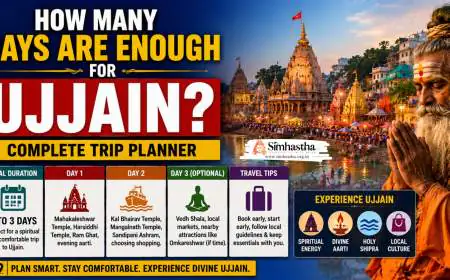
How Many Days Are Enough for Ujjain? Complete Trip Planner

Ujjain Railway Station to Mahakaleshwar Temple Distance (2026 Guide)

Ujjain Simhastha 2028 Dates Announced: Full Shahi Snan & Event Timeline

Benefits of Becoming a Simhastha Volunteer
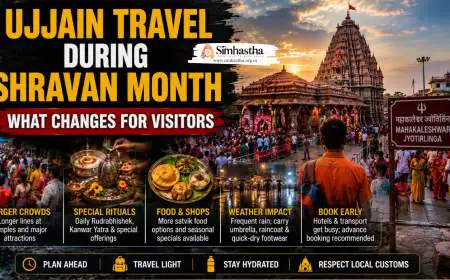
Ujjain Travel During Shravan Month: What Changes for Visitors
Tent Cities – The Smart Choice
The Madhya Pradesh Tourism Board sets up massive tent cities along the Shipra River during Simhastha. These are not some flimsy tents – we are talking about organized camps with cots, clean blankets, attached bathrooms (in premium ones), electricity, and even food courts. The tent city experience is actually quite comfortable. Prices range from ₹2000 per night for basic tents to ₹15000 per night for air-conditioned luxury tents. I personally recommend the tent city because you wake up right next to the holy ghats and can walk for your morning dip.
MP Tourism Hotels and Dharamshalas
MP Tourism operates Hotel Shipra, Hotel Tansen, and other properties in Ujjain. These get booked within hours of opening. You need to set a reminder for when bookings open – usually 4 to 5 months before Simhastha. Dharamshalas run by various trusts are extremely affordable (₹300 to ₹1000 per night) but you will share space with many other pilgrims. Some reliable ones include Anand Dham Dharamshala, Gayatri Dharamshala, and Shri Ram Dharamshala.
Private Hotels – Book at Your Own Risk
Hotels near Mahakaleshwar Temple and Railway Station will charge crazy premiums during Simhastha 2028. A room that costs ₹1000 normally will go for ₹8000 to ₹12000 during the mela. And here is my warning – many private hotel owners cancel confirmed bookings if someone offers higher prices. I have seen this happen. So always book through reliable platforms or directly through MP Tourism to avoid last-minute heartbreak.
Home Stays – The Hidden Gem
Local families in Ujjain rent out their extra rooms during Simhastha. This is honestly my favorite option because you get to experience real Ujjain hospitality. The Ujjain Simhastha Kumbh Mela Authority usually maintains a list of registered home stays. Look for this on their official website. Prices range from ₹1500 to ₹5000 per night, and you get home-cooked satvik food.
How to Reach Ujjain for Simhastha 2028
By Air – Fast but Far
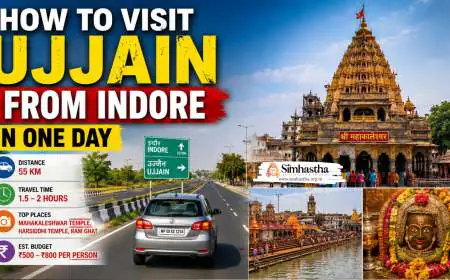
The nearest airport is Devi Ahilya Bai Holkar Airport in Indore, about 55 kilometers from Ujjain. During Simhastha 2028, special luxury buses and taxis will run continuously from Indore airport to Ujjain. The flight route gets expensive, so book your tickets at least 6 months in advance. Indore connects to Delhi, Mumbai, Bangalore, Hyderabad, Chennai, and Kolkata with direct flights.
By Train – The Pilgrims' Favorite
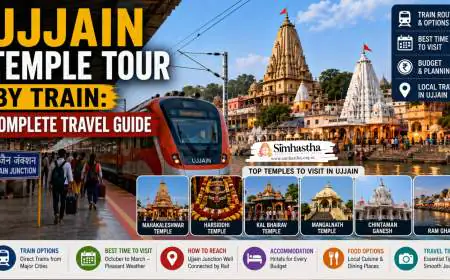
Ujjain Junction is a major railway station, and believe me, this station transforms completely during Simhastha. Indian Railways runs Simhastha special trains from all over India. Some trains you should look for – Simhastha Express from Delhi, Kumbh Mela Special from Mumbai, and Shipra Express from Howrah. The challenge? Tickets sell out within hours of opening. Use IRCTC Tatkal or book under the devotee quota if available. Also, get ready for crowds at the station – it will be packed beyond imagination.

By Road – Flexible but Tiring
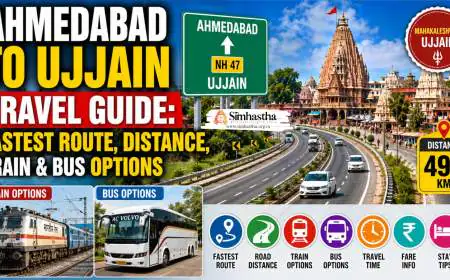
Ujjain has excellent road connectivity. National Highway 48 connects it directly to Indore (1 hour), Dewas (45 minutes), and Ratlam (2 hours). State transport buses from Bhopal, Gwalior, and Jabalpur run round the clock during Simhastha. If you are driving yourself, park your vehicle at designated outer parking lots because vehicles are not allowed inside the mela area. From there, electric rickshaws and shuttle buses take you to your accommodation.
Also Read | Ujjain Station To Mahakaleshwar Temple Route Guide
Navigating the Mela Grounds – Your On-Ground Survival Guide
Listen to me carefully on this one. The Simhastha mela ground spreads over hundreds of acres along the Shipra River. Getting lost is easier than you think. Here is what you absolutely must do:
Download the official Simhastha app. The Madhya Pradesh government always releases a mobile app with GPS-based maps, lost and found, and real-time crowd updates. This app saves lives – literally. Parents find lost children, elderly pilgrims find their way back, and everyone knows which ghat has less crowd.
Memorize your camp name and sector. Every tent city, dharamshala, and camp is marked with a sector number and camp name. Write this down on a paper and keep it in your pocket. Phone batteries die. Networks get congested. That paper will be your best friend.
Use the announcement system. The mela authority sets up loudspeaker towers across the ground. If you lose your group, go to the nearest control room or police chowki. They announce missing person details every 15 minutes.
Wear identifiable clothing. I know this sounds silly, but when you are in a sea of white kurta-pyjamas and orange saffron robes, everyone looks the same. Tie a bright scarf or wear a distinct cap so your family can spot you.
The Holy Dip – Everything You Need to Know
Taking the holy dip in Shipra River is the entire purpose of visiting Simhastha. But let me prepare you for what actually happens.
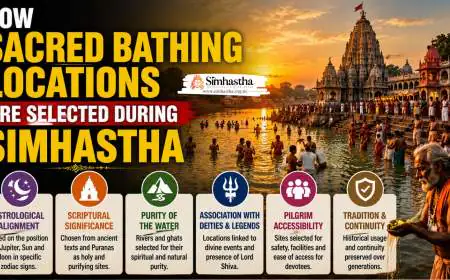
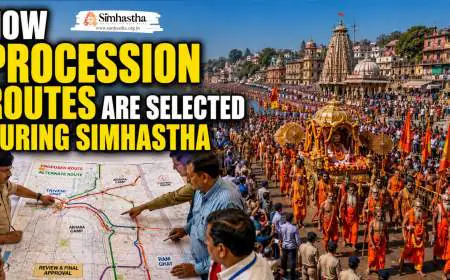
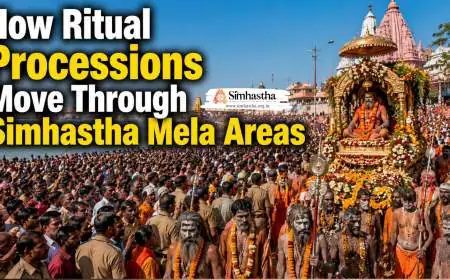
The Shahi Snan days are chaotic – in the most beautiful way possible. Before sunrise, the naga sadhus arrive riding chariots, elephants, and horses. They cover their bodies in ash, carry trishuls, and chant powerful mantras. The procession from the akhadas to the river takes hours. You will see sadhus who have not cut their hair for decades, matajis leading their own groups, and foreign seekers meditating in the middle of the madness.
When you finally reach the ghat, you remove your footwear (there are designated shoe counters), hand over your valuables to your group member (do not take anything expensive into the water), and step into the Shipra. The water can be chilly in April morning. Chant Har Har Mahadev or your ishta mantra as you go under. Locals believe that three complete dips during Simhastha wash away all sins from the current life and seven lives before.
After your dip, dry yourself quickly and head to the nearest tea stall for adrak chai with marigold garlands from the flower sellers. This post-dip moment – standing there dripping wet, holding chai, watching the sun rise over the ghat – this is what people travel across the world for.
Which Ghat Should You Choose?
Not all ghats are the same during Simhastha 2028. Here is my honest breakdown:
Ram Ghat – Most popular, most crowded, but also the most scenic. This is where the main aarti happens every evening. If you want the full experience, come here. But come at 3 AM for a morning dip, not 7 AM.
Sandal Ghat – Slightly less crowded. Named after the sandalwood paste offered to Lord Mahakal. Good for families with elderly members.
Sunhari Ghat – Quietest of the main ghats. If you want to meditate after your dip without vendors yelling at you, come here.
Bade Ganesh Ji Ka Ghat – Small and intimate. Locals prefer this one. Harder to find but worth the effort.
Pathar Ghat – Newly renovated before Simhastha 2028. Has changing rooms and better facilities.
Must-Visit Temples During Simhastha 2028
You cannot come all the way to Ujjain and only take a dip. The city has some of the most powerful temples in India.
Mahakaleshwar Temple
Stop whatever you are doing and visit Mahakaleshwar first. This is one of the 12 Jyotirlingas, and it is famous for the Bhasma Aarti – performed at 4 AM with sacred ash. During Simhastha, getting Bhasma Aarti tickets is next to impossible unless you book through the VIP darshan scheme. But even regular darshan carries the same energy. The lingam here is Dakshinamurti – facing south, which is extremely rare. Legend says Lord Shiva himself guards Ujjain from this temple.
Harsiddhi Temple
Most pilgrims miss this gem, and I do not want you to make that mistake. Harsiddhi Temple has a deep stambha (pillar of lamps) that gets lit with hundreds of oil lamps during evenings. The goddess Harsiddhi is considered the sister of Mahakal. The energy here is distinctly feminine, powerful, and extremely calming.
Kaal Bhairav Temple
Now this one is wild. At Kaal Bhairav Temple, the idol is offered liquor as prasad. Yes, you read that correctly. Devotees bring bottles of alcohol, priests pour it over the idol, and the liquid disappears – locals say the deity drinks it. Whether you believe in the miracle or not, the experience is unforgettable.
Chintaman Ganesh Temple
If you have any worries, any anxieties, any fears – visit Chintaman Ganesh. This temple houses a swayambhu (self-manifested) Ganesh idol and is believed to remove all chinta (worry). The temple wall has a blood stain from centuries ago when a devotee tried to steal the idol – the story itself is worth hearing.
What to Eat (and What to Avoid) During Simhastha
Your stomach needs special attention during Simhastha 2028. Hundreds of langars (community kitchens) operate throughout the mela ground. These serve free khichdi, dal-roti, and kheer. The food is simple, clean, and cooked with devotion. Do eat at langars – this is part of the spiritual experience.
Street food near Ram Ghat includes bhutte ka kees (grated corn cooked with spices), kanda bhaji, sabudana khichdi, aloo bhandi, and jalebi. Try the malpua from the old shops near Mahakaleshwar Temple – this is not your regular malpua; it is soaked in sugar syrup and served with rabdi.
Here is my strong warning – avoid raw salads, cut fruits from unknown vendors, and unfiltered water. Carry your own water bottle and refill it at clean drinking water stations marked across the mela ground. Do not let the spiritual atmosphere make you forget basic health precautions.
Safety Tips – What No One Tells You
I am going to be very direct with you because your safety matters more than anything.
Pickpocketing happens. During Shahi Snan, when lakhs of people push toward the river, pickpockets operate in teams. Do not carry a wallet. Keep a small pouch tucked inside your clothes with your phone and emergency cash.
Elderly pilgrims need a wheelchair plan. The walking distance from parking to ghats can exceed 5 kilometers. Book a wheelchair or palki service in advance through the mela website.
Children get lost constantly. Tie a ID card around your child's neck with your mobile number and camp address. Take a photo of your child every morning so you have their exact clothing description.
Medical emergencies are serious. The Simhastha authority sets up temporary hospitals and ambulance stations. Locate the nearest one to your camp on day one. Common issues during Simhastha include dehydration, cuts from broken glass in the river (wear old slippers), and respiratory issues from dust.
Stay away from the river at night. Even during Simhastha, the Shipra has deep pockets. Only enter the water at designated ghats during daytime when life guards are present.
What to Pack for Ujjain Simhastha 2028
Let me give you a checklist that actually makes sense:
-
Extra clothes – You will take multiple dips. Pack at least 3 cotton kurtas and pairs of pajamas
-
Old slippers – The ghats get slippery and muddy. Do not bring new footwear.
-
Plastic bags – For wet clothes. You will thank me for this.
-
Power bank – Electricity fluctuations are common. Charging points will have hour-long queues.
-
Basic medicines – Paracetamol, antacids, ORS packets, band-aids, antiseptic cream
-
Mosquito repellent – Ujjain has mosquitoes near the river
-
Small towel – Big towels take forever to dry in humid conditions
-
Portable mat – To sit during aarti or discourses
-
Water bottle – Stainless steel, reusable
Do NOT bring – expensive jewelry, large suitcases (tiny lanes cannot handle them), drones (strictly banned), alcohol or non-vegetarian food (not allowed inside mela ground)
Simhastha 2028 for Foreign Tourists
If you are coming from outside India, Ujjain Simhastha 2028 will be unlike anything you have ever experienced. Visa – apply for e-Tourist Visa 60 days before travel. Simhastha qualifies as a cultural event, so immigration officers understand the purpose.
Foreigner registration is required at the Foreigners Registration Cell set up at the mela ground. Do not skip this – the police do random checks, and fines are heavy.
Language – English is understood at tent cities, main ghats, and tourism offices, but learning Har Har Mahadev and Jai Mahakal makes locals much more welcoming. French, Spanish, and German volunteers are usually present at ISKCON and Art of Living camps.
Food adaptation – Your stomach will need time to adjust. Stick to langar food and bottled water for the first 3 days. Curd rice and plain khichdi are your safest options.
Alternative Dates if You Want Less Crowd
Here is a secret most travel guides will not tell you. The Shahi Snan dates are impossibly crowded. But the days between the Shahi Snans are still spiritually powerful with only 20% of the crowd. If you are elderly, traveling with young kids, or just someone who hates pushing through crowds – plan your Simhastha 2028 visit for the week after the first Shahi Snan or the week before the last Shahi Snan. You can still take your holy dip at Ram Ghat, visit Mahakaleshwar Temple without 5-hour queues, and experience the Simhastha energy without feeling like a packed sardine.
Your Spiritual Blueprint for 2028
Planning for Ujjain Simhastha 2028 is not just about booking trains and hotels. It is about preparing your mind and body for something that will change you. I have seen atheists cry at Ram Ghat. I have seen rich businessmen wash their own plates at langars. I have seen families who fought for years hug each other after a dip in the Shipra.
Start your preparation now. Mark your calendar for April 2028. Check the official Simhastha website every month from January 2028 for updates. Book your tent city space as soon as bookings open. Train your body for walking – start taking 5 km walks every day because you will walk twice that during the mela. And most importantly, arrive with an open heart. Do not come expecting comfort. Come expecting transformation. Har Har Mahadev.
Frequently Asked Questions