
































Simhastha 2028 Mega Development Plan Revealed: How Ujjain Is Being Transformed Forever
Discover how Simhastha 2028 is reshaping Ujjain through massive infrastructure, riverfront renewal, smart technology, and a global spiritual vision.



Simhastha 2028 & Mega Development Plan: Ujjain Prepares for a Global Spiritual Era





For pilgrims seeking certainty and planning clarity, refer to the officially confirmed Simhastha 2028 dates and Shahi Snan schedule released for Ujjain.

For readers seeking complete and authoritative coverage of Ujjain Simhastha, including its history, mythological significance, Shahi Snan rituals, dates, temples, Akharas, travel planning, and first-time pilgrim guidance, refer to our ultimate Simhastha guide for Ujjain. This detailed resource consolidates every essential aspect in one place and serves as the primary reference for understanding Simhastha holistically.
The Vision: Ujjain as a Global Spiritual City
The state leadership has made its intent clear: Ujjain will not merely host Simhastha. It will emerge as a Global Spiritual City.
This vision includes:
-
Permanent religious and civic infrastructure
-
Year-round spiritual tourism growth
-
International-standard pilgrimage facilities
-
Preservation of Mahakal traditions and Sanatan culture
-
Clean rivers, smart mobility, and green public spaces
-
Heritage revival aligned with a modern urban lifestyle
The shift is fundamental. Simhastha is no longer treated as a periodic festival but as the catalyst for century-scale urban and spiritual planning.
To understand the deeper spiritual foundation behind these preparations, explore the complete guide to Ujjain Simhastha meaning, history, and spiritual importance.
Mega Development Plan Worth ₹7,379 Crore: 74 Projects Across 7 Departments
Ujjain’s transformation is anchored in a ₹7,379 crore development mission, covering 74 major projects across seven government departments. All initiatives are designed to leave behind permanent assets that continue serving the city long after Simhastha concludes.
Key Development Sectors
Riverfront Development
A continuous 29 km stretch of permanent ghats constructed using basalt stone to ensure safe movement, ritual continuity, and long-term durability.
Water Management
Five major barrages and supporting infrastructure to maintain stable water levels in the Kshipra throughout the year.
Roads and Bridges
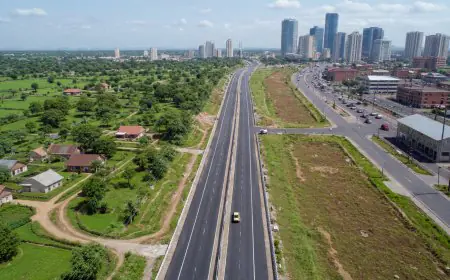
Four new bridges and seven widened arterial routes to support high-capacity traffic flow and emergency evacuation.
Railway Upgrades
Redevelopment of five stations and operational planning for high-frequency pilgrim movement.
Airport Expansion
A ₹200 crore upgrade enabling direct connectivity for national and international pilgrims.
Smart Technology
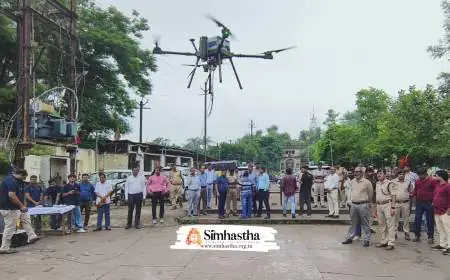
AI cameras, drones, and integrated command centers for real-time monitoring and decision-making.
Permanent Civic Facilities
Medical centers, sanitation hubs, shelters, and utilities designed for long-term urban benefit.
These projects collectively elevate Ujjain’s infrastructure standards to match leading global pilgrimage destinations.
Ujjain Simhastha is the time-governed Kumbh gathering held only in the sacred city of Ujjain, defined by Jupiter’s entry into Leo and centuries of uninterrupted spiritual tradition. To understand why Simhastha happens only in Ujjain, how its timing is decided, and what gives it a distinct place within the Kumbh tradition, read this complete and authoritative guide to Ujjain Simhastha.
Riverfront Transformation: The 29 km Kshipra Corridor
One of the most ambitious initiatives is the continuous 29 km Kshipra riverfront corridor, stretching from Shani Temple to the Nagda Bypass.
Key Features
-
Permanent basalt-stone ghats replacing temporary structures
-
Riverbank beautification with heritage-sensitive design
-
LED lighting, cultural murals, and safe access points
-
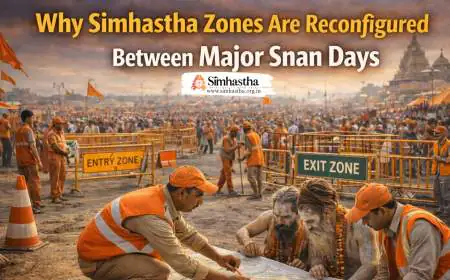
Separate zones for Akharas, Naga Sadhus, pilgrims, and international visitors
-
Dedicated changing rooms, sanitation blocks, and medical stations
This riverfront redevelopment anchors Simhastha’s spiritual geography and permanently reshapes Ujjain’s relationship with the Kshipra River.
As part of the permanent riverfront redevelopment, the Kshipra has been divided into structured sectors to ensure safety and ritual flow, which pilgrims should understand through the Kshipra Riverfront Zones and pilgrim movement planning for Simhastha.
Clean Kshipra Mission: Ensuring Ritual Purity and Environmental Sustainability
Ensuring clean and flowing water in the Kshipra is central to Simhastha planning.
Major initiatives include:
-
Kanh Diversion Close-Duct Project (₹920 crore)
Permanently diverts polluted water away from the river. -
Sewarkhedi–Silarkhedi Medium Project (₹614.53 crore)
Stores and releases clean monsoon water into the Kshipra. -
Six new barrages
Maintain stable water levels across seasons.
These projects address ritual purity, ecological balance, and public health simultaneously.
Bridges, Roads, and Connectivity: A New Mobility Network
Four New Bridges on the Kshipra
-
Removal of long-standing traffic bottlenecks
-
Efficient distribution of pilgrim flow
-
Robust emergency evacuation routes
Seven Major Roads Expanded to 4–6 Lanes
-
Mahakal Corridor approach roads
-
Ujjain–Indore and Ujjain–Dewas links
-
Internal city mobility loops
Parking and Shuttle Systems
-
Multi-level parking zones
-
GPS-enabled electric buses
-
Dedicated pilgrim transport corridors
For the first time, Simhastha planning introduces city-scale smart mobility integration.
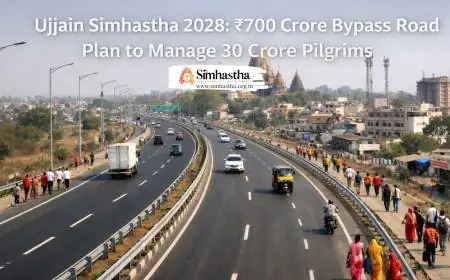
To manage unprecedented pilgrim movement, authorities have introduced multiple connectivity upgrades, detailed in the analysis of how Ujjain’s new bridges and bypasses will reduce Simhastha traffic pressure.
Railway Expansion: Five Stations and High-Capacity Operations
Stations undergoing redevelopment include:
-
New Khedi
-
Pinglehwar
-
Chintaman
-
Vikram Nagar
-
A new satellite terminal station
Technological upgrades include AI-powered surveillance, high-definition CCTV, drone-based monitoring, and centralized control hubs to manage mass movement with precision.
Another critical component of Ujjain’s connectivity strategy is the comprehensive Ujjain Railway Station upgrades, facilities, and crowd management plan, which supports efficient pilgrim movement and safety.
Ujjain Airport Upgrade: Gateway to Global Pilgrims
The ₹200 crore airport expansion includes:
-
Extended runway
-
New terminal building
-
Air Traffic Control tower
-
VIP and charter handling facilities
-
Rapid access roads
-
Four helipads at Sadawal
This infrastructure positions Ujjain for international spiritual tourism.
To strengthen national and international access, the city is advancing the Ujjain airport expansion project preparing the city for global Simhastha pilgrims, marking a major leap in spiritual tourism infrastructure.
Technology-Based Crowd Management: India’s First AI-Driven Kumbh Ecosystem
Simhastha 2028 introduces a technology-first governance model.
Key systems include:
-
AI-based real-time crowd density mapping
-
Facial recognition integration
-
24×7 drone surveillance
-
GPS-enabled vehicle routing
-
Biometric registration for Akharas
-
Integrated central command system
This marks a historic shift in how large-scale spiritual gatherings are managed in India.
Administration, Social Inclusion, and Farmer Participation
Planning involves:
-
Experts from previous Simhastha editions
-
National disaster response advisors
-
Senior spiritual leaders
-
Farmer representatives
-
Urban planners and heritage specialists
Execution prioritizes local employment, farmer-friendly processes, spiritual sensitivity, and sustainable development.
Challenges and Ground Realities
Despite progress, challenges remain:
-
Land acquisition sensitivities
-
Environmental protection of the Kshipra
-
On-time completion of mega projects
-
Crowd safety for unprecedented pilgrim volumes
Continuous coordination with state and national agencies is underway to mitigate these risks.
Economic and Cultural Impact: Ujjain’s Renaissance Begins
The long-term impact includes:
-
Massive spiritual tourism growth
-
Hospitality and service sector expansion
-
Transport and logistics development
-
Permanent employment creation
-
Global branding of Ujjain as a spiritual capital
Simhastha acts as the economic and cultural inflection point for the region.
Ujjain After Simhastha: A Century-Scale Spiritual Blueprint
Simhastha is not temporary. It is a blueprint for the next hundred years.
Long-term outcomes include:
-
Smart transport networks
-
Clean river systems
-
Global spiritual tourism circuits
-
International pilgrim facilitation centers
Ujjain’s identity continues to evolve long after the rituals conclude.
Ujjain Simhastha 2028: 100 E-Buses to Launch Before the Event
To ensure clean, efficient, and large-scale pilgrim mobility, Ujjain Simhastha 2028 will deploy 100 electric buses well before the event. These e-buses will operate on dedicated pilgrimage corridors connecting railway stations, parking hubs, ghats, Mahakal Corridor, Akhara zones, and major residential clusters. Integrated with GPS tracking, real-time monitoring, and central command centers, the fleet is designed to reduce traffic congestion, lower carbon emissions, and provide reliable last-mile connectivity. This initiative marks Ujjain’s first large-scale green transport transition, created specifically for Simhastha 2028 yet structured for permanent urban mobility.
This initiative is part of the wider mobility strategy covered under Ujjain Simhastha 2028 transport and e-bus planning, which explains how electric buses, shuttle routes, and green mobility are being integrated for the event.
Ujjain Simhastha 2028 Gets a 100-Acre Flower Cluster
As part of long-term economic and cultural planning, Ujjain Simhastha 2028 is set to receive a 100-acre flower cluster dedicated to spiritual rituals, temple requirements, and year-round pilgrimage demand. This cluster will support large-scale cultivation of ritual flowers used for puja, garlands, Akhara ceremonies, temple offerings, and cultural processions. Designed to empower local farmers, self-help groups, and rural cooperatives, the project includes cold storage units, grading and sorting facilities, and logistics infrastructure. Beyond Simhastha 2028, this development positions Ujjain as a regional floriculture hub serving Sanatan temples across central India.
The project is detailed further in Ujjain Simhastha 2028 flower cluster development, highlighting farmer participation, supply chains, and long-term economic impact beyond Simhastha.
Ujjain Simhastha 2028: QR Codes to Guide Akhara Pandals
For the first time in Simhastha history, QR code–based digital guidance systems will be implemented across Akhara Pandal zones during Ujjain Simhastha 2028. Each Akhara, Mahamandaleshwar camp, and major spiritual settlement will feature unique QR codes providing verified information such as Akhara lineage, daily ritual schedules, pravachan timings, medical facility locations, and approved movement routes. This system enhances pilgrim navigation, improves crowd discipline, and preserves informational authenticity while reducing dependency on temporary signage. It reflects a technology-enabled yet tradition-sensitive governance model.
: A complete breakdown of this system is available in Ujjain Simhastha 2028 QR code Akhara Pandals navigation, explaining how digital tools are being used to manage pilgrim movement and information authenticity.
Indian Railways’ Crowd Management Plan for Ujjain Simhastha 2028
Indian Railways has finalized a comprehensive crowd management strategy for Ujjain Simhastha 2028, covering station redevelopment, train operations, and passenger flow control. The plan includes high-frequency special trains, holding zones with real-time crowd analytics, AI-enabled surveillance systems, and integrated coordination with city-level command centers. Railway stations in and around Ujjain will function as active transit management nodes rather than passive entry points, ensuring safe dispersal during Shahi Snan peak days. This railway crowd management framework is a cornerstone of managing unprecedented pilgrim volumes with precision, safety, and operational discipline.
This railway strategy is explained in depth under Indian Railways crowd management plan for Ujjain Simhastha 2028, covering special trains, station control systems, and peak-day passenger handling.
A Spiritual Epoch, Not Merely a Festival
Simhastha 2028 is not an event confined to calendars or logistics. It is a defining spiritual epoch unfolding in real time. Rooted in ancient cosmic understanding yet expressed through modern governance, it demonstrates how spirituality and progress can coexist without dilution.
Ujjain becomes a living example of civilizational continuity. Infrastructure rises, systems modernize, and technology integrates, yet the soul of the city remains anchored in Mahakal. Pilgrims may arrive for rituals, but they depart having witnessed how ancient consciousness can guide contemporary excellence.
Simhastha 2028 is not merely something to attend.
It is a transformation to be experienced and carried forward.
New Official Budget Allocation Update for Ujjain Simhastha 2028
In a major infrastructure milestone for Ujjain Simhastha 2028, the Government of Madhya Pradesh has approved a comprehensive ₹2675 crore development budget to strengthen core pilgrimage infrastructure and associated facilities across Ujjain and nearby pilgrimage circuits.
This allocation represents one of the most significant financial commitments in recent Simhastha history and reinforces the state’s vision to deliver a globally benchmarked religious mega-event. Key highlights of the budget update include:
-
33 major developmental projects sanctioned under the Simhastha infrastructure framework.
-
25 projects in Ujjain, including roads, ghats, drainage, sanitation, safety systems, and public utilities.
-
Strategic works also approved in Khandwa, Mandsaur, and Khargone, expanding the spiritual tourism footprint.
-
Mandated completion timeline before December 2027, ensuring readiness well ahead of the festival.
-
Enhanced focus on urban utility upgrades, healthcare access, waste management, and crowd mobility planning.
What This Means for Pilgrims
This newly sanctioned budget will directly impact pilgrim experience in the following ways:
-
Faster development of transport corridors near key bathing ghats
-
Upgraded Shipra river ghat complexes for safe ritual bathing
-
Better sanitation infrastructure across major pilgrimage zones
-
Improved public health and safety systems during peak gathering days
This budget update underscores the government’s commitment to ensuring that Simhastha 2028 is not only spiritually profound but also logistically seamless and pilgrim-friendly.
Ujjain Simhastha 2028 Tent City Announcement Inspired by Rann Utsav
In a visionary announcement ahead of Simhastha 2028, Chief Minister Dr. Mohan Yadav has revealed plans to develop a large-scale Simhastha Tent City modeled on the globally admired Rann Utsav tent city in the Rann of Kutch.
Recognizing the success of Rann Utsav’s tourism infrastructure — where a once barren landscape was transformed into a world-class cultural and tourism destination — the Simhastha organizing committee has decided to incorporate similar structured accommodation facilities for the pilgrims attending Simhastha 2028.
What the Tent City Will Provide
The forthcoming Simhastha Tent City is designed to:
-
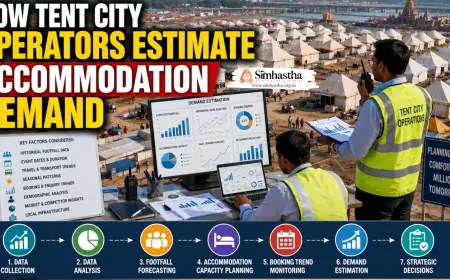
Offer organized, hygienic, and scalable accommodation for millions of devotees
-
Improve overall pilgrim movement and comfort
-
Provide dedicated zones for family, group, and international pilgrim stays
-
Include essential services like clean water, sanitation, healthcare, security, and support centers
This development concept reflects a new paradigm in pilgrimage accommodation planning, where convenience and spiritual experience are integrated holistically.
Local Economic and Community Benefits
The tent city initiative is expected to:
-
Create employment opportunities for farmers, artisans, and service providers
-
Boost local enterprise participation across food, transport, retail, and hospitality sectors
-
Support tourism-linked livelihood models throughout Ujjain and surrounding regions
By adopting a model inspired by one of India's most celebrated cultural tourism frameworks, the Simhastha Tent City vision aims to set a new standard in spiritual infrastructure planning.
Harayakhedi Water Augmentation Project Boosts Ujjain’s Simhastha 2028 Readiness
Ujjain has moved forward on a major upgrade to its urban water network as preparations intensify for Simhastha 2028. The Harayakhedi Water Augmentation Project aims to strengthen drinking water availability for residents while preparing the city for the sharp increase in demand that accompanies the large gathering.
As per details released through the Chief Minister’s official social media account, the project has an approved outlay of ₹1133.67 crore and a completion timeline of 24 months.
Planned as a long-term asset rather than a temporary arrangement, the system is expected to enhance storage and distribution capacity and support the city’s water needs through 2055.
Also Read | Harayakhedi Water Augmentation Project In Detailed
Frequently Asked Questions