





















High Hopes, High Fares - Can PM Shri Heli Tourism Service Handle Simhastha 2028 Rush?
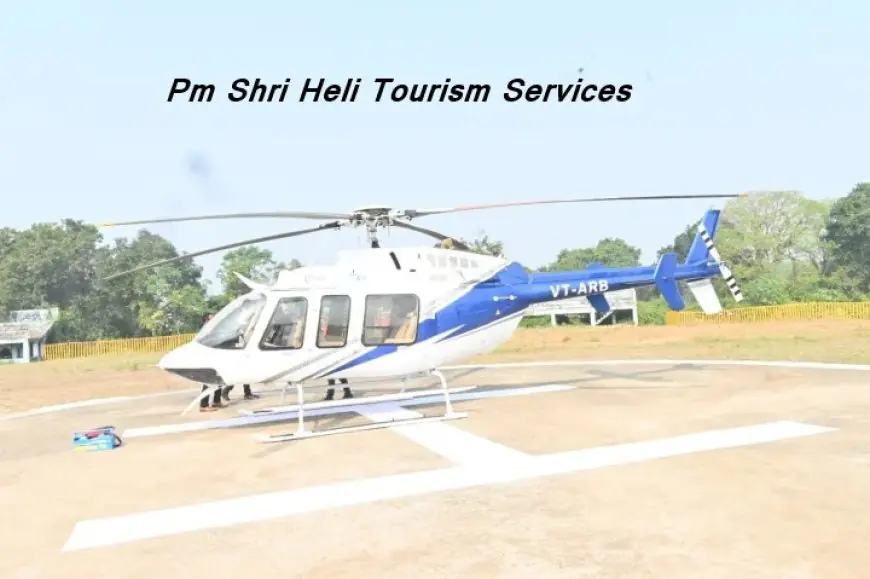
PM Shri Heli Tourism Service has created excitement by connecting Ujjain and Omkareshwar through helicopter routes, but rising demand, pricing concerns, and seat limitations have sparked a critical question ahead of Simhastha 2028. can it handle the expected rush?


High Hopes, High Fares - Can PM Shri Heli Tourism Service Handle Simhastha 2028 Rush?
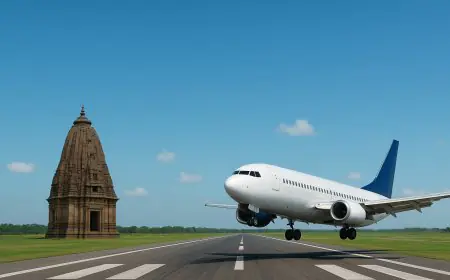
The newly launched PM Shri Heli Tourism Service has triggered an unprecedented wave of excitement across Madhya Pradesh. For the first time, devotees can travel between Ujjain and Omkareshwar in less than 40 minutes through dedicated helicopter routes. The launch event generated enthusiasm and pride — but it also unleashed a larger and more urgent debate: can this service handle the massive spiritual rush of Simhastha 2028?
With just three years left for one of the world’s largest spiritual gatherings, the question holds weight. Millions of pilgrims will travel to Ujjain for Simhastha, and a significant percentage has already expressed interest in combining Mahakaleshwar and Omkareshwar jyotirlinga darshan in a single day. The promise is appealing — but the challenge is equally serious.
For Every pilgrims, understanding Simhastha 2028 dates and the official Shahi Snan timeline is essential before booking flights or accommodation, as these sacred dates are completely non-negotiable.
A Promising Leap for Pilgrimage Tourism
The Madhya Pradesh government has positioned the PM Shri Heli Service as a breakthrough for pilgrimage travel. The vision is clear: reduce travel hours, eliminate fatigue, and bring two holy sites closer than ever before.
Trending Guides Now
Government Doubles Powers of Ujjain Mayor and Commissioner Ahead of Simhastha 2028
Ujjain Simhastha 2028: ₹700 Crore Bypass Road Plan to Manage 30 Crore Pilgrims

Simhastha Fair — Which River? Discover the Sacred Shipra (Kshipra) of Ujjain
Simhastha 2028: New Facilities for Bhatt Poojan and Darshan at Mangalnath, Angareshwar & Sandipani

Ujjain Railway Station to Mahakaleshwar Temple Distance (2026 Guide)

Ujjain Simhastha 2028 Dates Announced: Full Shahi Snan & Event Timeline
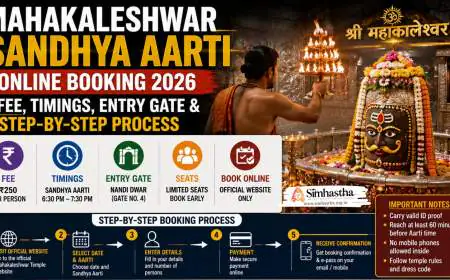
Mahakaleshwar Sandhya Aarti Online Booking 2026: Fee, Timings, Entry Gate and Step-by-Step Process
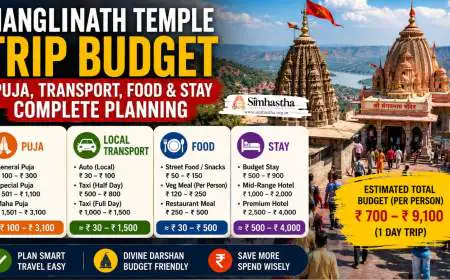
Mangalnath Temple Trip Budget: Puja, Local Transport, Food and Stay Planning
-
Indore → Ujjain travel reduced to approximately 20 minutes
-
Ujjain → Omkareshwar travel shortened to about 40 minutes
-
A full Mahakaleshwar + Omkareshwar darshan circuit in one day now possible
For elderly devotees, NRIs, international tourists, and pilgrims with mobility challenges, this convenience is priceless. For many, it transforms what would normally be a tiring journey into a comfortable spiritual experience.
The Rising Question of Affordability
The excitement, however, immediately collided with cost concerns.
Current indicative pricing is reported as:

-
₹5,000 per seat — Indore to Ujjain
-
₹6,500 per seat — Ujjain to Omkareshwar
For families traveling together, this becomes a premium service rather than a mass-adoptable option. Early feedback from passengers shows that while the concept is widely admired, pricing remains a key hesitation point.
Tourism experts argue that demand during Simhastha may create price spikes unless special pilgrimage packages are introduced. Without pricing moderation, the service risks becoming a luxury product, not a public convenience.
For readers seeking complete and authoritative coverage of Ujjain Simhastha, including its history, mythological significance, Shahi Snan rituals, dates, temples, Akharas, travel planning, and first-time pilgrim guidance, refer to our ultimate Simhastha guide for Ujjain. This detailed resource consolidates every essential aspect in one place and serves as the primary reference for understanding Simhastha holistically.
Seat Capacity — The Most Critical Constraint
The biggest challenge is not pricing — it is seat availability.
Current helicopters accommodate only six passengers per flight, and although multiple rotations are expected daily, the number still remains limited for a pilgrimage with crowds scaling into millions.
If only 1% of pilgrims decide to book helicopter travel during Simhastha 2028, the current seat capacity will be overwhelmed in a matter of hours.
Infrastructure Readiness — Still Developing
Ujjain and Omkareshwar both already have functional helipad zones, but large-scale operations for mega events require:
-
expanded passenger holding areas
-
waiting lounges
-
baggage management systems
-
security and verification checkpoints
-
emergency medical support
-
rain-plan + fog-plan protocols
Authorities have made it clear that current capacity is just Phase-1 and upgrades will continue in 2026 and 2027. However, experts believe the success of the service during Simhastha will depend entirely on how rapidly infrastructure scales.
Why Simhastha 2028 Is a Crucial Test
In February 2028, more than 100 million devotees are estimated to arrive in Ujjain. Even if traffic and crowd management are executed smoothly on the ground, the helicopter service faces a dual expectation:
-
reducing pressure from road congestion
-
providing seamless access to Omkareshwar for pilgrims with time limitations
If executed well, PM Shri Heli Tourism Service could become the single most impactful mobility solution of Simhastha 2028.
If executed poorly, it could draw criticism for being unprepared for a mass religious event.
Experts Warn — The “Pilot Phase Glitch” Cannot Repeat
The service witnessed slow passenger response in its first few days due to mixed messaging on packages, time slots, and bookings. Aviation observers warn that during Simhastha, lack of clarity will be far more damaging than lack of seats.
To avoid chaos, experts suggest:
-
advance festival-season booking windows
-
dedicated Simhastha-special helipads
-
extra leased helicopters during the main bathing days
-
emergency capacity agreements with private operators
These corrections can convert the service into a logistical success story and prevent panic or disappointment during peak days.
What Pilgrims Expect
Early sentiment analysis from social media and news reports indicates clear public expectations:
| Expectation | Priority |
|---|---|
| Affordable pricing & family packages | ⭐⭐⭐⭐⭐ |
| Guaranteed slots / confirmed booking | ⭐⭐⭐⭐ |
| Clear communication of timings | ⭐⭐⭐⭐ |
| Accessible helipad transport | ⭐⭐⭐ |
| Safety + weather transparency | ⭐⭐⭐⭐⭐ |
The emotion around the service is not negative — it is hopeful, but cautious.
Economic Winners if Managed Well
If scaled efficiently for Simhastha, the service benefits multiple sectors:
-
hotels and guest houses
-
homestays and rural accommodations
-
restaurants and food stalls
-
local taxi/tour operators
-
religious souvenir markets
-
certified tourist guides
-
aviation ground crew employment
The economic surge could continue long after Simhastha, positioning Madhya Pradesh as India’s helicopter tourism hub.
Final Analysis
The PM Shri Heli Tourism Service stands on the border between innovation and expectation. It has already changed the narrative of pilgrimage travel. The only unanswered question is whether its evolution will match the scale of Simhastha 2028.
If pricing is optimized, infrastructure is expanded, and booking access becomes friction-free — this service could become the hero of Simhastha.
If not, it risks being an opportunity missed.
For now, the country watches with curiosity — and hope.
Frequently Asked Questions