


























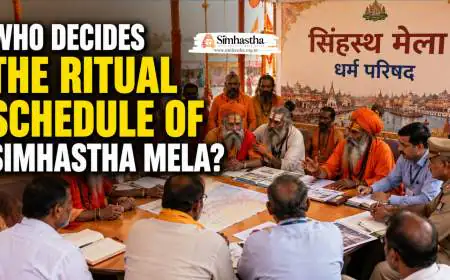


Simhastha 2028 Land Pooling: Full History, Controversy & Final Government Decision
Discover the full story of Simhastha 2028 land-pooling — how it began, why it became controversial, protests, political developments, and why the Madhya Pradesh government finally cancelled the scheme. A complete start-to-end analysis.


Simhastha 2028 Land-Pooling: Complete Start-to-End Story of the Biggest Infrastructure Decision in Ujjain’s History
Simhastha 2028 is set to become the largest spiritual gathering ever hosted in Ujjain. With millions expected to enter the ancient city during the 2028 Kumbh cycle, the Madhya Pradesh government planned massive development projects — new roads, widened corridors, bridges, tent cities, riverfront improvements, utilities, and more.
To make these projects possible, the previous government introduced an ambitious and controversial Land-Pooling Scheme, which quickly became one of the most debated subjects in Ujjain’s recent history.
This article presents a complete, chronological, deeply researched, and spiritually contextualized account of the land-pooling issue — right from its birth to protests to its final cancellation by the current Chief Minister Mohan Yadav.
Also Read | What Is Simhastha? Complete Explanation of Ujjain’s Sacred Kumbh
Trending Guides Now

Simhastha 2028 Latest Update: Disaster Mitra Training Begins in Ujjain

Ujjain Airport Project: A Historic Leap Before Simhastha 2028
Before Simhastha 2028: How ₹20,000 Crore Will Turn Ujjain into the World’s Spiritual Capital

Ujjain Simhastha 2028 to Deploy 25,000+ Trained Personnel and Volunteers

Ujjain Railway Station to Mahakaleshwar Temple Distance (2026 Guide)

Ujjain Simhastha 2028 Dates Announced: Full Shahi Snan & Event Timeline

Mahakaleshwar Sandhya Aarti Online Booking 2026: Fee, Timings, Entry Gate and Step-by-Step Process

Mangalnath Temple Trip Budget: Puja, Local Transport, Food and Stay Planning
What Exactly Was the Simhastha 2028 Land-Pooling Scheme?
Land pooling is a development model where:
-
The government does not buy land outright.
-
Farmers contribute land temporarily for development.
-
After development, farmers receive a portion of the land back as plots with higher market value.
For Simhastha 2028, the idea was:
-
Acquire large tracts of land near the Shipra River, Indore Road, and other key zones

-
Build new roads, ghats, public utilities, and facilities
-
Return developed plots to farmers
-
Use remaining land for public infrastructure

In theory, this model creates a win-win:
Government gets land for roads & event infrastructure, and farmers get more valuable developed plots.
However, Ujjain’s cultural and emotional landscape is very different.
For readers seeking complete and authoritative coverage of Ujjain Simhastha, including its history, mythological significance, Shahi Snan rituals, dates, temples, Akharas, travel planning, and first-time pilgrim guidance, refer to our ultimate Simhastha guide for Ujjain. This detailed resource consolidates every essential aspect in one place and serves as the primary reference for understanding Simhastha holistically.
Why the Land-Pooling Plan Became Controversial
Though the scheme looked beneficial on paper, it quickly became one of the most contested decisions. The reasons were deep-rooted, emotional, and socio-economic.
1. Fear of Losing Ancestral Land
For Ujjain’s farming community, land is not just an economic asset — it is:
-
ancestral heritage
-
dharmic responsibility
-
primary source of livelihood
The idea of giving land to the government — even temporarily — created widespread fear.
2. Mistrust Due to Past Acquisition Cases
Farmers referred to earlier instances in India where:
-
Land acquisition happened
-
Promises of return plots were delayed
-
Compensation disputes arose
This created hesitancy and suspicion.
3. Lack of Clear Communication
Many farmers claimed:
-
No village-level awareness meetings were held
-
Terms of return land were unclear
-
Map layouts were not explained
This communication gap turned anxiety into opposition.
4. Cultural Sensitivity of Ujjain
Ujjain is not an ordinary city — it is:
-
The city of Mahakal
-
A spiritual heritage zone
-
A region with strong community bonds
Any land-related policy automatically becomes emotionally charged.
Rising Local Opposition: Protests Begin
By mid-2024, murmurs of discontent turned into formal protests.
Villages That Raised Strong Objections
Several affected villages around Ujjain started expressing strong resistance, particularly those located on development corridors for:
-
New roads
-
Temporary accommodation
-
Parking zones
-
Administrative complexes
Farmers held:
-
public meetings
-
panchayat gatherings
-
peaceful protests
In some places, resistance became intense, attracting media attention.
The Turning Point: Farmers Unite
Large farmer groups from across Ujjain district united under local leadership and demanded complete withdrawal of the scheme.
Their demands included:
-
No land pooling
-
No compulsory land contribution
-
Recognition of agricultural dependence
-
Written assurances
This consolidated pressure became a turning point.
Political Momentum Rises: Decision Time Approaches
The protests reached the state legislative chambers. Media outlets started covering the issue daily. Political leaders across parties commented on the subject.
Ujjain was in the spotlight, and the land-pooling debate became a state-level issue.
The government understood:
-
Simhastha 2028 planning cannot begin with conflict
-
Farmer peace is essential for a spiritual event
-
Ujjain’s sentiment must be honored
This prepared the ground for the final decisive moment.
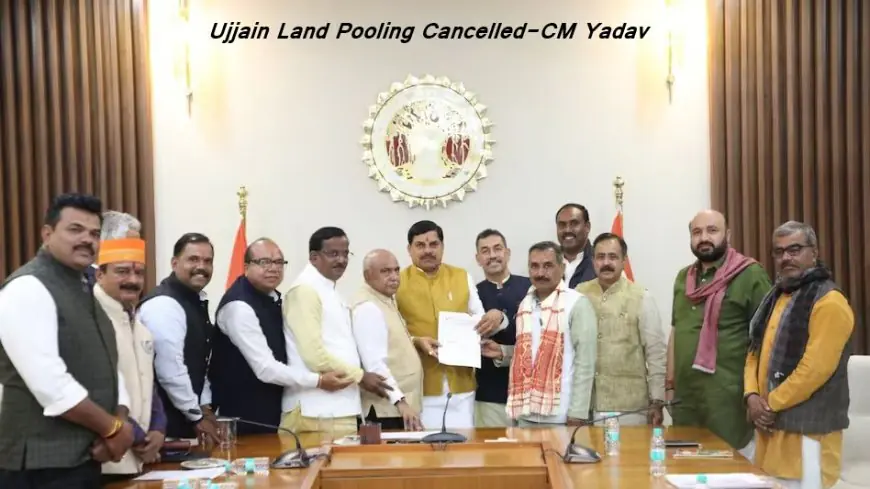
Chief Minister Mohan Yadav’s Historic Decision
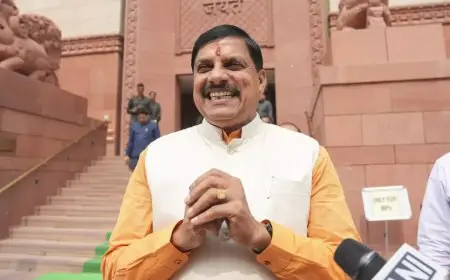
In November 2024, the newly elected Chief Minister of Madhya Pradesh, Mohan Yadav, made a landmark announcement:
“The land-pooling scheme for Simhastha 2028 stands cancelled.”
This single statement changed the entire landscape of the Simhastha preparations.
Reasons Cited by the Chief Minister
-
Farmers’ interests come first
-
No development will be forced upon any family
-
Ujjain’s cultural emotions must be protected
-
Simhastha must remain a festival of faith, not conflict
He assured farmers that alternative models would be used — without taking their land.
Celebrations Across Villages: Joy, Dhols & Relief
The cancellation brought emotional relief.
Farmers celebrated with:
-
dhols
-
fireworks
-
sweets
-
community gatherings
Videos went viral showing farmers expressing gratitude and joy.
For Ujjain’s rural community, this was more than a policy reversal — it was the protection of their ancestral identity.
What Happens Now? The Post-Cancellation Development Plan
With land pooling gone, the government is moving ahead using alternative models:
1. Development on Government-Owned Land
The state already has land banks in several zones.
2. Road Widening Through Consent-Based Models
Only with proper compensation and agreement.
3. No Forceful Land Acquisition
CM confirmed that no farmer would lose land unwillingly.
4. Multi-department Collaboration
-
Ujjain Smart City
-
PWD
-
UDA
-
Tourism
-
Urban Housing
All are restructuring their plans accordingly.
Spiritual Perspective: Why the Decision Matters
Simhastha is not just an event — it is Kartavya, Shraddha, and Samvedna.
Any festival held under the blessings of Mahakaleshwar must carry:
-
purity
-
peace
-
community harmony
By cancelling the scheme, the spiritual foundation of Simhastha remains intact.
Final Analysis: A Case Study in People-Centric Governance
The story of Simhastha 2028 land pooling will be remembered as:
-
a rare moment where governance aligned with public sentiment
-
a victory of community voice
-
a turning point in Ujjain’s development planning
Today, preparations continue with greater unity — and a sense of respect for both land and legacy.
Ujjain marches toward Simhastha 2028 with renewed faith.
Frequently Asked Questions