


































How Sacred Bathing Locations Are Selected During Simhastha
Discover how sacred bathing locations are selected during Simhastha—from Ram Ghat to Dutt Ghat, Akhara sector allocation, and astrological calculations. Complete 2028 Kumbh guide.



How Sacred Bathing Locations Are Selected During Simhastha
Have you ever wondered why millions of pilgrims choose a specific ghat on a specific day during the Simhastha Kumbh Mela? 🌊🤔
The answer is anything but random. Behind every sacred dip lies a complex system of astrology, tradition, hierarchy, logistics, and spiritual symbolism. The selection of sacred bathing locations during Simhastha is a meticulous process that has been refined over millennia.
The Shipra River in Ujjain stretches for miles, lined with numerous ghats. Yet, during the Simhastha Kumbh Mela, millions of pilgrims don't just bathe anywhere—they converge at specific, designated locations at precise, astrologically-determined moments.
Let me unveil the fascinating, multi-layered system that decides exactly where and when the holy dip transforms into a path to salvation. 🕉️🌌
Trending Guides Now
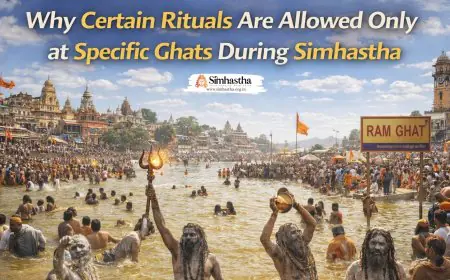
Why Certain Rituals Are Allowed Only at Specific Ghats During Simhastha

Step-by-Step Guide to Shipra Snan at Ujjain Simhastha

Meditation Ritual At Ujjain Simhastha Complete Guide

What Is Shahi Snan in Ujjain Simhastha Kumbh Mela?

Ujjain Railway Station to Mahakaleshwar Temple Distance (2026 Guide)

Ujjain Simhastha 2028 Dates Announced: Full Shahi Snan & Event Timeline

How ISKCON Ujjain Engages Young Devotees Through Programs

Benefits of Becoming a Simhastha Volunteer
🌌 The Cosmic Blueprint: Why Astrology Is the Supreme Decider
The foundation of the entire selection process lies in the heavens. Unlike fixed-date festivals, the Simhastha Kumbh Mela is governed by planetary movements and is not date-driven.
The Jupiter Trigger
The primary cosmic trigger for Simhastha is the entry of Jupiter (Guru) into Leo (Simha Rashi). This celestial event occurs once every twelve years and gives the Ujjain Kumbh its specific name—Simhastha. Without Jupiter's specific transit into Leo, the festival simply would not occur at that location.
The Secondary Alignments
Within this larger 12-year cycle, the specific Shahi Snan (Royal Bath) dates are determined by the precise alignment of the Sun (Surya), the Moon (Chandra), and other celestial factors.
The selection of these moments is calculated using the ancient science of Jyotish Shastra. For instance, the first Shahi Snan of Simhastha 2028 is set for 09 April 2028, which coincides with Somvati Amavasya—a new moon day that falls on a Monday. This specific combination of lunar tithi and planetary positions is considered to create a powerful spiritual window for holy bathing.
The Rule of Cosmic Timing
This reliance on planetary positions means that no two Simhastha events share identical bathing schedules. The moment planetary alignment shifts, the snan dates must shift with it. This is why the dates are not fixed on a standard calendar and are announced well in advance based on these cosmic calculations.
🏛️ The Sacred Geography: Why Ram Ghat Is the Epicenter
While the Shipra River is the sacred stage, not all its ghats are equal in the eyes of tradition. The selection of the primary bathing location is steeped in mythology and history.

The Primacy of Ram Ghat
Ram Ghat stands above all others as the principal bathing site during the Simhastha Kumbh Mela. It is the most famous and oldest ghat in Ujjain, and it is where the grand Shahi Snan procession culminates.
The ghat's name is derived from Lord Rama, who is believed to have bathed here during his exile. This ancient association imbues the location with immense spiritual significance, making it the most sought-after spot for the holy dip.
The Hierarchy of Ghats
While Ram Ghat is the primary site, other ghats also play crucial roles. For example, for the 2028 Simhastha, the Juna Akhara will take its Shahi Snan at Dutt Ghat, an important spot in the Kshipra reserved for Naga Sadhus. This allocation reflects the traditional hierarchy and ritual seniority among the Akharas.
The selection also considers the newly developed 30-kilometer stretch of ghats along the Shipra. These expanded ghats are being constructed to provide sufficient space for the millions of devotees expected to participate in the bathing rituals.
🏕️ The Akhara Sector System: Organizing the Divine Assembly
The Simhastha is not just a gathering of individual pilgrims; it is a grand assembly of Akharas—ancient monastic orders of sadhus and saints. The selection of their specific bathing locations is a complex process of sector allocation.
The Hierarchy Decides Allocation
Akhara sectors are not randomly distributed. They follow a traditional hierarchy determined through Shankaracharya and Akhara Parishad traditions. The allocation reflects:
-
Order of Royal Baths (Shahi Snan priority)
-
Ancient status of the Akhara
-
Ritual seniority and importance
-
Traditional proximity to ghats and temples
This is why sector positioning is considered highly sensitive and spiritually important.
A Year-Long Planning Process
The allocation process begins more than a year before the festival. A combined committee of:
-
Akhil Bharatiya Akhara Parishad
-
State and district administration
-
Security and crowd management bodies
determines the exact sector boundaries, arrival routes, and bathing timelines for each Akhara.
Balancing Tradition with Practicality
While tradition remains supreme, the administration balances practical needs to avoid crowd pressure. Decisions are based on:
-
Number of saints and disciples in each Akhara
-
Estimated pilgrim footfall
-
Distance of arrival route from the entry gate
-
Accessibility for elderly and disabled followers
-
Security and emergency evacuation convenience
This ensures that ritual discipline and public safety coexist.
⏳ The Ritual Calendar: When and Who Bathes Where
The selection of a bathing location is inseparable from the selection of when the bath takes place and who performs it.
The Shahi Snan Order
On the main Shahi Snan days, the Akharas bathe in a strict hierarchical order. For example, in the 2016 Simhastha:
-
Saints of Shaiv and Vaishnav cults took their bath at 3 AM at Ram Ghat and Dutt Akhara Ghat
-
Niranjani and Anand Akharas took their bath at 4 AM
-
Mahanirvani and Atal Akharas took their bath at 5 PM
This sequence is determined by ritual seniority and is not negotiable. Every Akhara gets a dedicated link to the Kshipra river through a specific ghat sector to prevent overcrowding and ensure timely access.
Location-Specific Rituals
Certain rites are permitted only at designated ghats, while others are restricted to akhara zones or temple-linked spaces. Even the timing of aarti, pind daan, and ancestral rites changes during Simhastha, reflecting the elevated spiritual charge of Ujjain during this period.
The 2028 Historic First
The selection process also evolves with time. In a historic first for the 2028 Simhastha, the Juna Akhara will take the Shahi Snan at Dutt Ghat alongside the Kinnar (transgender) Akhara. This represents a significant step towards inclusivity while still honoring the traditional framework of ghat selection.
🛠️ The Administration's Role: From Vision to Reality
While astrology and tradition provide the spiritual blueprint, the state administration is responsible for making it a reality for millions of pilgrims.
Construction and Expansion
The Madhya Pradesh government has fast-tracked mega preparations, including the construction of new ghats and the expansion of existing ones. Chief Minister Mohan Yadav has personally inspected the ghats to review preparations. The target is to ensure that the newly developed 30-km stretch of ghats can accommodate the massive crowd expected for the holy "Amrit Snan".
The Command Centre and Connectivity
A smart command centre and upgraded connectivity are reshaping Ujjain for what is expected to be the world's largest religious gathering. This ensures that the selected bathing locations are not just spiritually significant but also practically accessible and safe.
Managing Crowd Flow
On peak bathing days, the administration, in coordination with the Akhara Parishad, ensures that the designated ghats are reserved for the Akharas first. Individual pilgrims must adjust their expectations and extend buffers. This system, where "every ritual is performed only at designated ghats," is crucial for maintaining order.
💫 Why This System Endures
The selection of sacred bathing locations during Simhastha is a living expression of cosmic alignment. It is a system where:
-
Astrology dictates the "when"
-
Mythology and tradition dictate the "where"
-
Akhara hierarchy dictates the "who"
-
Administration ensures the "how"
This intricate process ensures that the Simhastha is not just a crowd, but a pilgrimage—a meticulously orchestrated spiritual event where every dip in the Shipra River is taken at the right place, at the right time, and in the right way. It is a testament to the enduring power of faith, tradition, and cosmic order in one of the world's oldest living civilizations.
Frequently Asked Questions