



































What Is Shahi Snan in Ujjain Simhastha Kumbh Mela?
Understand the meaning of Shahi Snan in Ujjain Simhastha Kumbh Mela, its sacred order of Akharas, spiritual significance, rituals, and why this royal bath is the most important moment of the Kumbh tradition.



What Is Shahi Snan? Meaning, Order, Rituals, and Why It Matters Most in Ujjain Simhastha
The Shahi Snan is the most sacred and visually powerful ritual of the Ujjain Simhastha and the Ujjain Kumbh Mela. Every time the Kumbh tradition unfolds in Ujjain, millions of pilgrims, saints, naga sadhus, and spiritual seekers gather along the banks of the Shipra River to witness this extraordinary spiritual event.
At the center of this grand spiritual gathering lies one moment that defines the entire festival.
That moment is the Shahi Snan, also known as the Royal Bath.
For many devotees, the Ujjain Simhastha is meaningful primarily because of the Shahi Snan. It is the day when ascetic orders enter the sacred river in majestic processions, spiritual chants fill the air, and millions of pilgrims follow in devotion.
Trending Guides Now
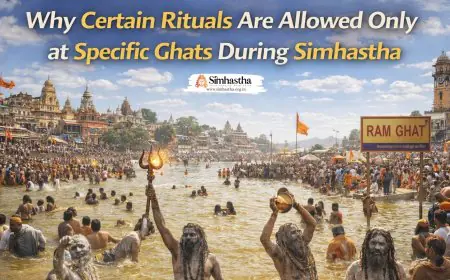
Why Certain Rituals Are Allowed Only at Specific Ghats During Simhastha

Difference Between Shahi Snan and General Snan

What Happens Before the First Royal Bath of Simhastha
Ritual Preparations That Begin Months Before Simhastha

Ujjain Railway Station to Mahakaleshwar Temple Distance (2026 Guide)

Ujjain Simhastha 2028 Dates Announced: Full Shahi Snan & Event Timeline

Mangalnath Temple Trip Budget: Puja, Local Transport, Food and Stay Planning

Omkareshwar Trip Budget Guide: Transport, Stay, Food and Local Travel Costs
Understanding the Shahi Snan helps visitors, pilgrims, and researchers grasp the deeper significance of the Ujjain Kumbh Mela.
This guide explains everything about Shahi Snan including:
• the meaning of the ritual
• its historical roots
• the order of akharas
• the role of naga sadhus
• the spiritual significance of bathing
• why this moment matters most during Ujjain Simhastha
For Every pilgrims, understanding Simhastha 2028 dates and the official Shahi Snan timeline is essential before booking flights or accommodation, as these sacred dates are completely non-negotiable
What Is Shahi Snan? Direct Meaning
The term Shahi Snan comes from two words.
Shahi means royal or majestic.
Snan means sacred bathing.

In the context of the Ujjain Simhastha and Ujjain Kumbh Mela, the Shahi Snan refers to the ceremonial royal bath taken by monastic orders called Akharas.
This bath happens in the sacred Shipra River under astrologically powerful planetary alignments.
During the Shahi Snan, saints and naga sadhus enter the river in a grand ceremonial procession. After they complete their sacred bathing ritual, millions of pilgrims follow.
This order is not accidental.
It represents centuries of religious tradition, spiritual hierarchy, and discipline within the Sanatan Dharma monastic system.
Therefore, the Shahi Snan is not simply a bath.
It is a symbolic declaration of spiritual authority and sacred purification.
Also Read | Hidden Divine Power Inside Mahakaleshwar Temple
Why Shahi Snan Is the Most Important Ritual of Ujjain Simhastha
Among all rituals performed during the Ujjain Simhastha, the Shahi Snan holds the highest spiritual and cultural importance.
Several reasons explain why this ritual stands at the center of the Ujjain Kumbh Mela.
1. The Most Auspicious Time for Sacred Bathing
The Ujjain Simhastha occurs when Jupiter enters the zodiac sign Leo while the Sun occupies Aries.
These planetary alignments create an astrologically powerful period according to traditional Hindu cosmology.
During this time, certain dates are considered extremely auspicious for bathing in sacred rivers.
These are designated as Shahi Snan days.
Bathing in the Shipra River during these moments is believed to cleanse accumulated karma and support spiritual growth.
Because of this belief, the Shahi Snan attracts the largest crowds of the Ujjain Kumbh Mela.
To deepen your understanding of the spiritual customs and sacred rituals practiced during Ujjain Simhastha, read our complete Simhastha rituals and sacred practices guide that explains their meaning, timing, and significance.
2. The Public Appearance of Saints and Ascetics
The Ujjain Simhastha is one of the rare moments when thousands of saints from different monastic traditions gather in one place.
Many ascetics spend most of their lives in remote forests, caves, or monasteries.
During the Ujjain Kumbh Mela, they appear publicly and participate in religious rituals.
The Shahi Snan becomes the moment when these spiritual leaders lead the entire gathering toward sacred purification.
For devotees, seeing these saints is considered spiritually uplifting.
A first time Simhastha guide is essential because without contextual understanding, pilgrims arrive prepared for devotion but unprepared for logistics, stamina, patience, and adaptability.
3. The Symbolic Leadership of Akharas
The Akharas are ancient monastic institutions that preserve spiritual teachings, martial traditions, and religious discipline.
During the Ujjain Simhastha, each akhara participates in the Shahi Snan according to a specific historical order.
This order symbolizes unity among different spiritual traditions.
It also represents the role of ascetic institutions as guardians of dharma.
Also Read | Best Time to Visit Ujjain Simhastha 2028
4. The Largest Gathering of Devotional Energy
The Ujjain Kumbh Mela attracts millions of pilgrims.
On Shahi Snan days, this number increases dramatically.
Chanting of mantras, devotional songs, temple bells, and ritual prayers create an atmosphere of intense spiritual energy.
For many pilgrims, the Shahi Snan becomes the emotional and spiritual peak of their journey.
Also Read | Step-by-Step Guide to Shipra Snan at Ujjain Kumbh Mela
The Historical Origin of Shahi Snan
The tradition of Shahi Snan is deeply connected to the history of Kumbh gatherings and monastic orders.
Several historical developments contributed to the creation of this ritual.
Rise of Akhara Traditions
During medieval periods, Hindu monastic groups organized themselves into disciplined institutions known as Akharas.
These organizations served multiple roles:
• spiritual education
• protection of pilgrimage routes
• preservation of scriptures
• training in martial arts
Because of their influence, akharas were given ceremonial privileges during religious festivals.
The Shahi Snan became one of these privileges.
Royal Patronage
Historically, many kings supported pilgrimage gatherings.
Monastic groups often participated in ceremonial processions resembling royal parades.
Over time, the ceremonial bathing ritual led by these monastic orders came to be called Shahi Snan, meaning the Royal Bath.
Institutionalization of Processions
As the Ujjain Kumbh Mela grew larger, maintaining order among different akharas became necessary.
A fixed sequence for entering the river was established.
This structure continues to define the Shahi Snan tradition in the Ujjain Simhastha.
The Grand Procession Before Shahi Snan
One of the most dramatic scenes of the Ujjain Simhastha is the procession that leads to the Shahi Snan.
Before entering the Shipra River, each akhara marches toward the ghats in a ceremonial parade.
These processions often include:
• naga sadhus carrying tridents
• saints riding decorated elephants or horses
• saffron flags waving in the air
• traditional drums and conch shells
• chanting of sacred mantras
Pilgrims line the streets to witness these processions.
The atmosphere combines devotion, celebration, and spiritual intensity.
Why Naga Sadhus Lead the Shahi Snan
The most iconic participants of the Ujjain Simhastha Shahi Snan are the Naga Sadhus.
These ascetics follow a path of extreme renunciation.
Their practices often include:
• living without possessions
• meditating for long periods
• applying sacred ash to the body
• renouncing social identity
Because of their intense discipline, naga sadhus are given the honor of leading the Shahi Snan.
Their participation symbolizes the victory of spiritual detachment over worldly attachment.
The Order of Akharas in Shahi Snan
Maintaining the sequence of akharas is one of the most important aspects of the Shahi Snan.
This order has developed through centuries of tradition.
While the exact sequence can vary slightly across Kumbh gatherings, major akharas usually participate in a defined order.
These include:
Juna Akhara
Niranjani Akhara
Mahanirvani Akhara
Atal Akhara
Avahan Akhara
Agni Akhara
Anand Akhara
Each akhara enters the river with its own procession of saints, disciples, and devotees.
The Ujjain Simhastha administration ensures that this sequence is followed carefully to avoid conflict.
Rituals Performed During Shahi Snan
The Shahi Snan involves several rituals beyond simply entering the river.
These rituals emphasize purification, devotion, and spiritual discipline.
Mantra Chanting
Saints chant Vedic mantras and sacred hymns before entering the water.
These chants invoke divine blessings.
Offering to the River
Many ascetics perform symbolic offerings to the river before bathing.
These offerings represent gratitude toward sacred natural elements.
Sacred Immersion
Participants immerse themselves in the river multiple times while reciting prayers.
This act symbolizes the washing away of negative karma.
Meditation After Bathing
Some ascetics meditate on the ghats after completing the Shahi Snan.
Meditation helps internalize the spiritual significance of the ritual.
Why the Shipra River Is Sacred
The Shipra River is central to the Ujjain Simhastha and Ujjain Kumbh Mela.
In Hindu tradition, rivers are often regarded as divine.
The Shipra River holds particular significance because of its association with Ujjain’s sacred geography.
According to traditional beliefs:
• the river is linked with ancient sages
• its waters are considered spiritually purifying
• many important temples are located along its banks
Because of this sacred status, bathing in the Shipra River during the Ujjain Simhastha is believed to bring spiritual merit.
Shahi Snan and the Philosophy of Purification
The idea of purification through water appears in many spiritual traditions.
Within Sanatan Dharma, sacred bathing represents the cleansing of karmic impressions.
The Shahi Snan expresses this idea through a collective ritual.
Millions of pilgrims participate not merely to wash the body but to renew spiritual commitment.
The act symbolizes:
• letting go of past mistakes
• beginning a new spiritual journey
• reaffirming faith
Thus, the Shahi Snan carries both ritual and philosophical significance.
How Pilgrims Participate in Shahi Snan
Although the akharas perform the ceremonial bath first, ordinary pilgrims can also participate.
Most pilgrims follow these steps:
-
Arrive at the ghats early in the morning
-
Observe the akhara processions
-
Wait until the ceremonial bathing concludes
-
Enter the river respectfully
-
Perform prayers and immersion
Participating in the Shahi Snan becomes a deeply emotional experience for many devotees.
Crowd Management During Shahi Snan
Because the Ujjain Simhastha attracts millions of visitors, managing crowds during the Shahi Snan is a major challenge.
Authorities implement several measures:
• designated bathing zones
• security checkpoints
• medical camps
• volunteer assistance
These systems help ensure that pilgrims can participate safely in the Ujjain Kumbh Mela.
Cultural Impact of Shahi Snan
Beyond religion, the Shahi Snan also has cultural and sociological importance.
It demonstrates how ancient traditions continue to shape modern society.
Scholars often study the Ujjain Simhastha to understand:
• large-scale pilgrimage behavior
• religious institutions
• cultural continuity
The Shahi Snan becomes a living example of how spiritual traditions evolve while preserving ancient rituals.
Planning a trip to Ujjain Simhastha? Check our Ujjain Simhastha 2028 Cost Per Person (Full Budget Guide) to understand accommodation, food, and travel expenses during the Ujjain Kumbh Mela.
Why Witnessing Shahi Snan Is a Once-in-a-Lifetime Experience
For many visitors, witnessing the Shahi Snan becomes an unforgettable experience.
The combination of spiritual devotion, colorful processions, chanting, and sacred rituals creates a powerful atmosphere.
At sunrise on Shahi Snan days, the ghats of the Shipra River transform into a vast ocean of devotion.
Saints, pilgrims, and seekers from across the world gather in a shared moment of faith.
This collective experience is what makes the Ujjain Simhastha one of the most remarkable spiritual gatherings on Earth.
Also Read | Common Simhastha Mistakes Visitors Must Avoid
Why Understanding Shahi Snan Is Essential for Every Ujjain Simhastha Visitor
The Shahi Snan is not just the most visually spectacular ritual of the Ujjain Simhastha. It is the spiritual heart of the entire Ujjain Kumbh Mela.
This royal bath represents centuries of Sanatan tradition where saints, naga sadhus, and monastic orders lead the path of spiritual purification. The disciplined procession of akharas, the sacred immersion in the Shipra River, and the collective devotion of millions transform the Shahi Snan into a powerful symbol of faith.
For pilgrims attending the Ujjain Simhastha, witnessing or participating in the Shahi Snan is more than a ritual act. It becomes a moment of spiritual reflection where devotion, tradition, and sacred geography converge.
Understanding the meaning, order, and philosophy behind the Shahi Snan allows visitors to experience the Ujjain Kumbh Mela not merely as a festival, but as a living expression of Sanatan Dharma that has continued for centuries.
In this way, the Shahi Snan remains the defining moment of the Ujjain Simhastha, reminding devotees that spiritual purification begins with humility, devotion, and connection to sacred traditions.
Related Ujjain Simhastha 2028 Guides :
- Simhastha 2028 Dates Officially Announced: Full Event & Shahi Snan Timeline
- Top 10 Routes to Enter Ujjain During Simhastha 2028 Without Traffic Hassles
- How to Travel Inside Ujjain During Simhastha 2028: Routes, Maps and Movement Plans
- How to Travel in Ujjain During Peak Snan Days: Do’s & Don’ts for Simhastha 2028
- Solo Travel Guide for Simhastha 2028: Safety, Budget, Stay & Movement Tips
- Mumbai to Ujjain for Simhastha 2028: Fastest Routes & Budget Tips
- Bengaluru to Ujjain for Simhastha 2028: Night Travel vs Day Travel Comparison
- Delhi to Ujjain for Simhastha 2028: Fastest Same-Day Travel Plan for Pilgrims
- Ujjain Simhastha from New York: Best Travel & Stay Guide
- Ujjain Simhastha From London: Complete Travel & Stay Guide
Frequently Asked Questions