































Ujjain Simhastha from New York: Best Travel & Stay Guide
A complete, realistic guide for planning Ujjain Simhastha from New York, covering flights, visas, stay strategy, ground realities, and pilgrim-focused planning.



Who Should Plan Ujjain Simhastha from New York and Why This Journey Is Truly Worth It
For pilgrims living in the United States, especially in New York, planning Ujjain Simhastha from New York is often driven by a deep inner pull rather than convenience. This pilgrimage is not comparable to routine religious travel or short temple visits. Ujjain Simhastha is a time-bound spiritual convergence where rituals, movement, and participation are governed by cosmic alignment, not personal schedules.
Understanding this difference early allows US-based pilgrims to approach Simhastha with confidence instead of uncertainty.
For international pilgrims, understanding Simhastha 2028 dates and the official Shahi Snan timeline is essential before booking flights or visas, as these sacred dates are completely non-negotiable.
Why Ujjain Simhastha Attracts US-Based Pilgrims
For many devotees in the USA, spiritual life is often fragmented by distance, work schedules, and limited access to large-scale sacred gatherings. Ujjain Simhastha offers something fundamentally different.
Trending Guides Now

Ujjain Simhastha 7 Day Itinerary for Families

Best Time to Visit Ujjain Simhastha 2028 Crowd Levels & Pilgrim Guide

Is Phone Allowed in Mahakaleshwar Temple Ujjain?

How Many Days Are Enough for Ujjain? Complete Trip Planner

Ujjain Railway Station to Mahakaleshwar Temple Distance (2026 Guide)

Ujjain Simhastha 2028 Dates Announced: Full Shahi Snan & Event Timeline

Mangalnath Temple Trip Budget: Puja, Local Transport, Food and Stay Planning

Omkareshwar Trip Budget Guide: Transport, Stay, Food and Local Travel Costs
It provides:
-
Continuous spiritual atmosphere instead of isolated rituals
-
Collective participation instead of individual observation
-
A living Sanatan tradition instead of symbolic practice
-
Rituals guided by planetary timing, not convenience
This depth and scale are what make Ujjain Simhastha from New York especially meaningful for overseas pilgrims.

US pilgrims planning early should carefully study the best time to visit Ujjain Simhastha 2028, especially to avoid peak crowd levels during Shahi Snan days.
Simhastha Is Structured, Not Chaotic
A common misconception among international pilgrims is that Simhastha is unmanageable because of its size. In reality, the scale of Ujjain Simhastha is supported by a highly disciplined system.
When planned correctly:
-
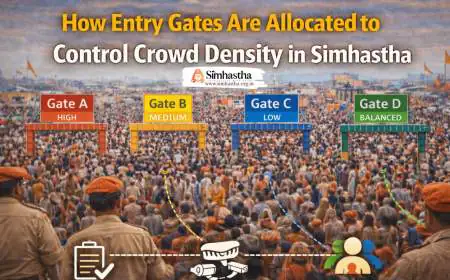
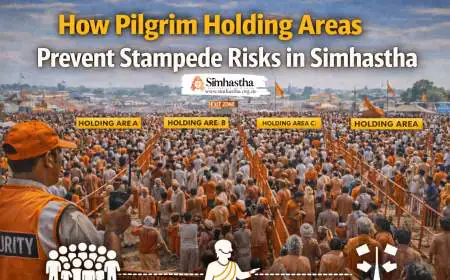
Crowd movement follows sector-based control
-
Security and volunteer presence is constant
-
Entry and exit routes are clearly defined
-
Ritual access is time-regulated
Millions participate safely because Simhastha is designed around order and ritual discipline, not spontaneity. Overseas pilgrims who follow the same discipline experience Simhastha smoothly.
Why Distance from New York Becomes an Advantage
Travelling from New York to Ujjain Simhastha requires intention, and that intention often enhances the experience.
US pilgrims typically:
-
Plan more carefully
-
Arrive mentally prepared
-
Avoid rushed participation
-
Respect ritual structure
The distance filters out casual attendance and strengthens commitment. Many overseas pilgrims later say that the effort of reaching Ujjain made the experience more transformative, not more difficult.
Who Is Well-Suited for Ujjain Simhastha from the USA
You are well-suited for Ujjain Simhastha from New York if you:
-
Can walk moderate distances daily
-
Are comfortable with simple accommodation
-
Can remain patient in large gatherings
-
Prefer depth over speed
-
Are willing to follow instructions and timing
Age is not the deciding factor. Adaptability and mindset matter far more than physical strength.
Families, Elders, and Group Pilgrims
Contrary to common belief, Ujjain Simhastha is not limited to young or highly mobile pilgrims.
With correct planning:
-
Families attend Simhastha comfortably
-
Senior citizens participate on non-peak days
-
Group pilgrims benefit from shared logistics
Choosing the right dates, stay location, and daily pace matters more than attempting to attend every ritual.
Pilgrims travelling long distances should read this physical difficulty guide for Ujjain Simhastha to prepare mentally and physically.
Understanding Shahi Snan Without Pressure
Many US pilgrims believe attending Shahi Snan is mandatory. It is not.
Shahi Snan days are:
-
Spiritually powerful
-
Extremely crowded
-
Strictly controlled
Many international pilgrims intentionally choose non-Shahi days and still describe their Simhastha experience as complete and deeply satisfying. Ujjain Simhastha offers multiple sacred windows, not a single compulsory moment.
Choosing the right bathing day is a planning decision, not a spiritual compromise.
Understanding why Shahi Snan is the most important ritual helps pilgrims set realistic expectations about access and timing.
Emotional Impact of Simhastha on US Pilgrims
Pilgrims returning to the USA often describe Simhastha as grounding rather than overwhelming.
Common reflections include:
-
Reduced urgency in daily life
-
Increased patience and clarity
-
Stronger personal discipline
-
Deeper understanding of time and rhythm
This shift happens because Ujjain Simhastha reintroduces ritual time into lives dominated by clock-based schedules.
Why Simhastha Is Remembered Long After the Journey Ends
Simhastha does not impress through luxury or comfort. It stays with pilgrims because of:
-
Early-morning stillness at the ghats
-
Disciplined movement of massive crowds
-
Shared silence among thousands
-
The sense of participating in something ancient and ongoing
These experiences cannot be recreated through regular travel or short visits.
Making the Decision with Confidence
For US-based pilgrims, deciding to attend Ujjain Simhastha from New York should feel grounded and informed.
Once you understand:
-
What Simhastha actually involves
-
How it differs from normal religious travel
-
Why preparation enhances the experience
the decision becomes clearer and more confident.
This pilgrimage does not demand perfection.
It rewards sincerity, patience, and planning.
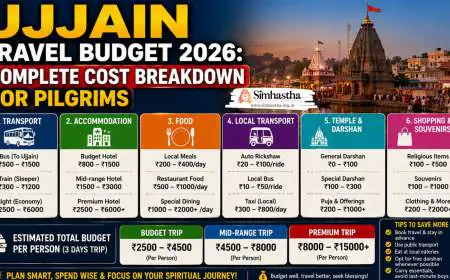
Ujjain Simhastha from New York – Complete Cost, Budget & Booking Reality
Once a pilgrim decides that Ujjain Simhastha from New York is worth undertaking, the next question is always the same:
“How much will it actually cost, and where should I spend carefully?”
This section answers that with clear numbers, realistic ranges, and decision logic, not guesswork. The goal is not to push expensive choices, but to help US-based pilgrims choose the right level of comfort for their body, age, and travel style.
Understanding Cost Structure for Ujjain Simhastha from the USA
The total cost of Ujjain Simhastha from New York depends on five controllable factors:
-
International flight timing
-
Type of accommodation
-
Length of stay
-
Peak vs non-peak Simhastha days
-
Local transport comfort level
When these are planned early, Simhastha is far more affordable than most people assume.
This guide prepares overseas visitors for real ground realities of Simhastha, beyond promotional narratives.
Three Pilgrim Profiles (Choose Yours First)
Before looking at numbers, identify which category you fall into. This avoids overpaying or under-preparing.
1. Budget-Focused Pilgrim (Simple, Disciplined, Purpose-Driven)
Best for:
-
Spiritually focused pilgrims
-
Comfortable with basic facilities
-
Willing to walk more
-
Non-Shahi or limited peak-day participation
2. Balanced Comfort Pilgrim (Most US Pilgrims)
Best for:
-
First-time international pilgrims
-
Families and couples
-
Moderate walking tolerance
-
Preference for private rooms and predictability
3. Premium / Ease-Focused Pilgrim
Best for:
-
Senior citizens
-
Short-duration stays
-
Those prioritizing physical ease and recovery
-
Willing to pay for proximity and comfort
Solo and family travellers should review this women safety guide for Ujjain, especially when visiting during Simhastha peak days.
International Flights: New York to India (USD + INR)
Flights are the largest cost component, but also the most controllable.
Flight Cost Range (Round Trip)
| Booking Timing | Cost (USD) | Cost (INR approx.) |
|---|---|---|
| 4–6 months early | $750 – $950 | ₹62,000 – ₹79,000 |
| 2–3 months early | $950 – $1,200 | ₹79,000 – ₹1,00,000 |
| Last-minute / peak | $1,300 – $1,600+ | ₹1,08,000 – ₹1,33,000+ |
Decision insight:
Booking early saves more money than cutting comfort later.
Domestic India Travel (Gateway Reality)
There are no international flights to Ujjain.
Required Routing
-
New York → Delhi or Mumbai
-
Delhi/Mumbai → Indore
-
Indore → Ujjain (road or rail)
Domestic Cost (Round Trip)
| Component | USD | INR |
|---|---|---|
| Domestic flight (return) | $70 – $120 | ₹6,000 – ₹10,000 |
| Indore ↔ Ujjain ground travel | $20 – $40 | ₹1,600 – ₹3,300 |
Accommodation Cost Breakdown (Per Night)
Accommodation cost changes sharply during Shahi Snan days.
Ujjain Accommodation (Per Night)
| Type | USD | INR |
|---|---|---|
| Dharmashala / Basic | $15 – $30 | ₹1,200 – ₹2,500 |
| Mid-range hotel | $45 – $80 | ₹3,800 – ₹6,600 |
| Premium hotel / camp | $120 – $200+ | ₹10,000 – ₹16,500+ |
Important:
Staying closer to ghats saves energy daily, often more valuable than hotel luxury.
Food & Daily Living Costs
Food during Ujjain Simhastha is simple, vegetarian, and widely available.
| Category | USD / Day | INR / Day |
|---|---|---|
| Simple meals | $8 – $12 | ₹650 – ₹1,000 |
| Comfortable dining | $15 – $25 | ₹1,200 – ₹2,000 |
Overeating or experimenting during Simhastha is unnecessary. Simplicity improves stamina.
Local Transport & Movement Costs
Vehicle access near ghats is restricted.
| Option | USD (Trip Avg.) | INR |
|---|---|---|
| Shared / walking-based | $0 – $20 | ₹0 – ₹1,600 |
| Pre-booked local transport | $40 – $80 | ₹3,300 – ₹6,600 |
Many pilgrims overpay here unnecessarily. Walking corridors are often faster than vehicles.
Medical, Insurance & Safety Buffer
International pilgrims should not skip this.
| Item | USD | INR |
|---|---|---|
| Travel insurance | $40 – $70 | ₹3,300 – ₹5,800 |
| Medicines & supplies | $20 – $40 | ₹1,600 – ₹3,300 |
TOTAL ESTIMATED COST (USD + INR)
Budget-Focused Pilgrim (7–10 days)
| Total | USD | INR |
|---|---|---|
| Estimated Range | $1,050 – $1,350 | ₹87,000 – ₹1,12,000 |
Balanced Comfort Pilgrim (12–14 days)
| Total | USD | INR |
|---|---|---|
| Estimated Range | $1,600 – $2,100 | ₹1,33,000 – ₹1,75,000 |
Premium / Ease-Focused Pilgrim (12–15 days)
| Total | USD | INR |
|---|---|---|
| Estimated Range | $2,700 – $3,800 | ₹2,25,000 – ₹3,15,000 |
Where US Pilgrims Commonly Waste Money
Avoid these mistakes:
-
Booking luxury hotels far from ghats
-
Paying for daily long-distance vehicle transfers
-
Last-minute flight bookings
-
Overpaying agents for “VIP” promises that don’t apply during Simhastha
Where Spending More Actually Helps
Worth spending on:
-
Early flight booking
-
Closer accommodation
-
Rest days built into the plan
-
Travel insurance
These reduce fatigue, not just inconvenience.
Booking Timeline That Works
Ideal Timeline
-
6–8 months before: Research dates, decide peak vs non-peak
-
4–6 months before: Book flights
-
3–4 months before: Book accommodation
-
1 month before: Lock domestic travel
Late planning increases cost and reduces choice.
Realistic 7–10 Day Ujjain Simhastha Plan from New York (What Actually Works)
For pilgrims travelling from New York to Ujjain Simhastha, a 7 to 10-day trip is the most realistic and comfortable duration. This timeframe accounts for long-haul international travel, jet lag, and the physical demands of Simhastha rituals, while still allowing pilgrims to experience the event meaningfully rather than in haste.
The journey from New York to Ujjain typically takes 23–30 hours one way, depending on flight connections and transit times. Because Simhastha follows fixed ritual schedules and involves long waiting periods for darshan and river access, shorter trips often feel rushed and incomplete.
A well-planned 7–10 day itinerary balances devotion, health, logistics, and recovery, which is especially important for overseas pilgrims.
Recommended Trip Structure at a Glance
-
Travel: 4 days total
(2 days onward + 2 days return, including international and domestic transfers) -
Ujjain / Simhastha Stay: 3–5 days
(Core pilgrimage window)
This structure reflects how experienced international pilgrims actually travel, not idealised schedules.
Step-by-Step Planning for Ujjain Simhastha from New York
Planning Ujjain Simhastha from New York works best when decisions are made in a fixed sequence. Skipping steps or reversing the order often leads to unnecessary cost, fatigue, or missed rituals. The process below reflects how experienced international pilgrims plan successfully.
The first step is to confirm the official Ujjain Simhastha dates and clearly identify which days are Shahi Snan days and which are general or secondary auspicious days. This decision determines crowd intensity, accommodation availability, and physical demand. Flights and hotels should never be booked before this clarity.
Once dates are understood, define a realistic trip duration of 7–10 days, including international travel time and recovery days. For pilgrims coming from New York, planning less time almost always leads to exhaustion or rushed rituals.
After setting the duration, decide whether Shahi Snan is essential for you. Shahi Snan offers immense spiritual significance but requires higher stamina and earlier arrival. Many overseas pilgrims consciously choose general snan days and still experience Simhastha completely.
With ritual intent clear, the next step is visa preparation. Apply for an Indian e-Tourist Visa at least 30–45 days in advance, ensuring passport validity exceeds six months and travel dates align with the visa period.
Only after visa submission should international flights be booked. The most reliable route is New York to Delhi or Mumbai, followed by a domestic flight to Indore. Flights should ideally be booked 4–6 months early to control cost and ensure better connection buffers.
The next critical step is accommodation booking. Decide whether to stay in Ujjain for proximity to rituals or in Indore for comfort and availability. For a complete Simhastha experience, allocate 3–5 full days in Ujjain, even if the rest of the stay is split.
After accommodation is secured, plan ground transport between Indore and Ujjain and mentally prepare for walking-based movement inside Simhastha zones. Vehicle access near ghats and temples is limited and should not be relied upon.
Finally, structure your days with built-in rest intervals. Avoid scheduling major rituals on consecutive days. Allow recovery time between river snan, Akhara visits, and Mahakaleshwar darshan. Pilgrims who respect physical pacing experience Simhastha with greater clarity and less fatigue.
When these steps are followed in order, Ujjain Simhastha from New York becomes not only manageable, but deeply fulfilling.
Day-by-Day Planning That Fits Real Life
Day 1–2: New York → India → Ujjain (Travel & Arrival)
Objective: Reach Ujjain without physical shock.
-
Fly New York → Delhi or Mumbai
-
Connect to Indore by domestic flight
-
Travel Indore → Ujjain by road or train (1–1.5 hours)
-
Check into accommodation
-
Eat light, rest, and sleep early
No rituals are planned during these days. Treat arrival as preparation, not participation.
Day 3: Kshipra River Snan at Ram Ghat (Core Simhastha Experience)
Objective: Experience Simhastha at its foundation.
-
Early morning visit to Ram Ghat on the Kshipra River
-
Participate in general or auspicious snan window
-
Keep the ritual simple and unhurried
-
Follow crowd instructions strictly
After the snan:
-
Return early
-
Rest completely
-
Avoid additional outings
For many overseas pilgrims, this single morning defines the Simhastha experience.
Every Simhastha journey revolves around the Shipra River, making it vital for pilgrims to understand its spiritual importance and ritual role.
Day 4: Akhara Camp Visit (Understanding Simhastha Beyond Rituals)
Objective: Experience the living backbone of Simhastha.
-
Visit designated Akhara camps
-
Observe:
-
Daily discipline of sadhus
-
Camp organisation and rituals
-
Spiritual hierarchy and order
-
-
Maintain silence and respectful distance
This is not sightseeing.
It is observation and absorption.
Foreign pilgrims are often curious about Naga Sadhus, their discipline, and why they lead the first Shahi Snan.
Many pilgrims from the USA later say the Akhara experience gave them the deepest understanding of what Simhastha truly represents.
Afternoon and evening:
-
Full rest
-
Minimal movement
Day 5: Mahakaleshwar Temple Darshan
Objective: Anchor the pilgrimage spiritually.
-
Early morning Mahakaleshwar Temple darshan
-
Choose standard darshan (not Bhasma Aarti for short trips)
-
Expect waiting periods
-
Carry minimal belongings
After darshan:
-
Rest for the remainder of the day
-
Avoid additional temple hopping
River, Akhara, and Mahakal together form a complete Simhastha arc.
For overseas devotees, knowing Mahakaleshwar darshan timings and aarti schedules is critical before arrival.
Day 6: Flexible Day (Choose One Based on Stamina)
This day allows pilgrims to adapt without pressure.
Option A: Secondary Simhastha Ritual Day
-
Short revisit to ghats
-
Less crowded windows
-
Reflective participation
Option B: Shahi Snan (Only If Fully Prepared)
-
Only if accommodation is close
-
Only if physical stamina is good
-
Expect dense crowds and strict movement control
Option C: Complete Rest
-
No rituals
-
Mental and physical recovery
Skipping Shahi Snan does not reduce the spiritual value of Simhastha.
Day 7: Kal Bhairav or Rest Day
Objective: Closure without exhaustion.
-
Visit Kal Bhairav Temple if energy permits
OR -
Use the day purely for rest and reflection
Avoid adding multiple sites.
Less movement preserves meaning.
Day 8–10: Return Journey (Ujjain → Indore → New York)
-
Travel Ujjain → Indore
-
Overnight rest in Indore if required
-
Fly Indore → Delhi/Mumbai → New York
This buffer prevents fatigue during long-haul return flights and allows the experience to settle.
Why This 7–10 Day Plan Works for US Pilgrims
This structure:
-
Fits realistic US leave durations
-
Manages jet lag responsibly
-
Covers all essential Simhastha elements
-
Avoids physical burnout
-
Reduces unnecessary costs
-
Allows flexibility without stress
It is designed for real pilgrims with real constraints, not idealised travel narratives.
Key Planning Takeaways for Overseas Pilgrims
-
3–5 days in Ujjain is sufficient for a complete Simhastha experience
-
Indore is the safest and fastest gateway
-
Advance accommodation booking is critical
-
Darshan and ritual waiting times are normal
-
Simhastha rewards planning and patience, not speed
Safety, Suitability, and Final Booking Checklist for Ujjain Simhastha from New York
After understanding the duration, cost, and day-wise execution, the final decision for pilgrims travelling from New York to Ujjain Simhastha comes down to three questions:
-
Is it safe for me?
-
Is it suitable for my age, gender, or travel style?
-
Am I booking at the right time and in the right way?
This section answers these clearly, without exaggeration or fear.
Is Ujjain Simhastha Safe for International Pilgrims?
Yes. Ujjain Simhastha is one of the most heavily managed religious events in the world.
Safety measures include:
-
Continuous police and paramilitary presence
-
Sector-based crowd control
-
Medical camps near ghats and Akhara zones
-
Clearly marked entry and exit corridors
-
Volunteer networks guiding pilgrims
For overseas pilgrims, the environment often feels surprisingly structured despite the scale.
Most safety issues arise only when instructions are ignored.
Crowd Management Reality (What to Expect Honestly)
Crowds are dense, especially near:
-
Ram Ghat
-
Mahakaleshwar Temple
-
Shahi Snan routes
-
Akhara procession corridors
However:
-
Crowd flow is one-directional
-
Waiting is organised
-
Barricades prevent surges
-
Movement is slow but controlled
Pilgrims who remain patient and follow instructions rarely feel unsafe.
Understanding how Ujjain managed millions during Simhastha 2016 helps international pilgrims trust crowd-control systems for Simhastha 2028.
Women Pilgrims and Solo Travellers
Ujjain Simhastha is considered safe for women pilgrims, including those travelling solo, when basic discipline is followed.
Best practices:
-
Dress modestly (loose, traditional clothing)
-
Avoid isolated routes after dark
-
Stay within marked zones
-
Follow volunteer guidance
-
Avoid crowd confrontation
During peak days, women pilgrims are often given separate movement lanes near ghats.
Senior Citizens and Elderly Pilgrims
Age alone is not a disqualification for Simhastha.
Elderly pilgrims should:
-
Avoid Shahi Snan days
-
Stay close to ghats or temples
-
Build rest days into the plan
-
Use Indore as an exit buffer if needed
Many senior pilgrims attend Simhastha successfully by choosing non-peak days and shorter walking routes.
Health, Medical Support, and Emergencies
Medical preparedness during Ujjain Simhastha is extensive.
Available facilities:
-
Temporary hospitals in major sectors
-
First-aid booths near ghats
-
Ambulance corridors
-
On-ground doctors and volunteers
International pilgrims should still:
-
Carry personal medications
-
Use international travel insurance
-
Stay hydrated
-
Avoid heat exposure during afternoons
Preventive care matters more than treatment.
Common Health Mistakes to Avoid
-
Skipping meals
-
Dehydration
-
Overwalking on consecutive days
-
Ignoring rest days
-
Overeating street food
Simple routines preserve energy and prevent fatigue.
Is Shahi Snan Mandatory? (Clear Answer)
No. Shahi Snan is not mandatory.
It is:
-
Spiritually significant
-
Highly structured
-
Physically demanding
Many international pilgrims intentionally avoid Shahi Snan and still describe their Simhastha experience as complete.
Choosing or skipping Shahi Snan is a logistical decision, not a spiritual compromise.
Final Booking Checklist (Use This Before Paying Anything)
Before booking flights or accommodation, confirm the following:
-
Simhastha dates verified
-
Peak vs non-peak days chosen
-
International flights booked early
-
Domestic Indore connection confirmed
-
Accommodation booked near Ujjain or Indore
-
Travel insurance purchased
-
3–5 days allocated in Ujjain
-
Rest days included
-
Akhara visit planned
-
Mahakaleshwar darshan day separated from snan day
If all boxes are checked, the plan is solid.
Who Should Modify or Postpone Simhastha
Consider modifying plans if:
-
You cannot walk short distances at all
-
You expect hotel-style comfort near ghats
-
You are unwilling to wait or follow instructions
-
You cannot adjust to simple food or facilities
In such cases, visiting Ujjain outside Simhastha may be more appropriate.
Why Planning Early Matters More Than Budget
Early planning provides:
-
Better flight prices
-
More accommodation options
-
Better ritual timing choices
-
Reduced physical stress
Late planning increases cost and reduces control.
What This Complete Guide Has Delivered
By this point, a reader should:
-
Understand exactly how long the trip takes
-
Know realistic costs
-
Visualise each day clearly
-
Feel reassured about safety
-
Know whether Simhastha suits them
-
Be ready to book without confusion
This is the purpose of a true planning guide, not promotional content.
Final Perspective for US-Based Pilgrims
Travelling from New York to Ujjain Simhastha is not about convenience.
It is about alignment.
When planned with clarity and patience:
-
The journey becomes manageable
-
The experience becomes meaningful
-
The memory remains long after the fatigue fades
Simhastha does not require intensity.
It rewards preparation.
Related Simhastha 2028 Guides :
- Simhastha 2028 Dates Officially Announced: Full Event & Shahi Snan Timeline
- Top 10 Routes to Enter Ujjain During Simhastha 2028 Without Traffic Hassles
- How to Travel Inside Ujjain During Simhastha 2028: Routes, Maps and Movement Plans
- How to Travel in Ujjain During Peak Snan Days: Do’s & Don’ts for Simhastha 2028
- Solo Travel Guide for Simhastha 2028: Safety, Budget, Stay & Movement Tips
- Mumbai to Ujjain for Simhastha 2028: Fastest Routes & Budget Tips
- Bengaluru to Ujjain for Simhastha 2028: Night Travel vs Day Travel Comparison
- Delhi to Ujjain for Simhastha 2028: Fastest Same-Day Travel Plan for Pilgrims
Frequently Asked Questions