


















Why Shahi Snan Is the Most Important Ritual of Simhastha 2028 ?
Discover why Shahi Snan is the most important ritual of Simhastha 2028, its spiritual meaning, Akhara traditions, astrological timing, and why millions consider it the centerpiece of the Kumbh experience.


Why Shahi Snan Is the Most Important Ritual of Simhastha 2028: The Spiritual Heartbeat of the Kumbh
Among all the rituals, gatherings, discourses, and divine celebrations of Simhastha, one moment stands above everything—the Shahi Snan. It is the ceremonial heartbeat of the festival, the cosmic opening of the spiritual gateway, the ritual that binds the ancient and the modern, the ascetic and the devotee, the earth and the heavens.
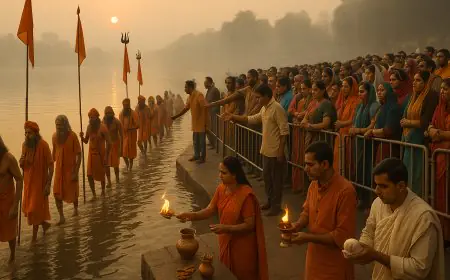
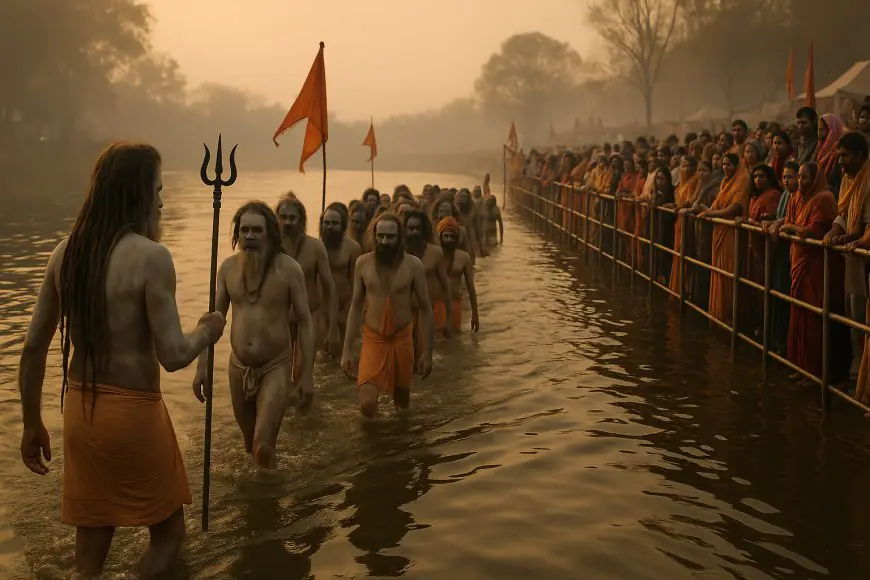
When the Akharas lead their royal procession toward the Shipra river, the air shifts. Dust rises like incense, flags ripple like ancient prayers, and the rhythmic steps of saints vibrate through millions waiting in silence. Then the moment arrives—Naga Sadhus descend into the river in a surge of devotion that is at once fierce, serene, and transcendent.
Shahi Snan is not simply a bath. It is a symbolic reenactment of cosmic purification, a ritual that carries centuries of spiritual vision, tradition, discipline, and celestial timing.
This blog explores why Shahi Snan is considered the soul of Simhastha 2028.
Trending Guides Now

Ujjain Simhastha 2028 Dates Announced: Full Shahi Snan & Event Timeline

Why Ujjain Is One of the Four Kumbh Cities in India

What Is Simhastha? Complete Explanation of Ujjain’s Sacred Kumbh
Difference Between Simhastha, Kumbh Mela, and Ardh Kumbh – Meaning, Significance & Comparison

Ujjain Railway Station to Mahakaleshwar Temple Distance (2026 Guide)

Mahakaleshwar Temple Entry Rules 2026: Dress Code, Mobile & Bag Policy

Ujjain Simhastha Update: CM Mohan Yadav Reviews 2028 Works

Ujjain Railway Station to Kal Bhairav Temple: Distance, Auto Fare and Best Route
For Every pilgrims, understanding Simhastha 2028 dates and the official Shahi Snan timeline is essential before booking flights or accommodation, as these sacred dates are completely non-negotiable.
1. Shahi Snan Marks the Official Beginning of Simhastha
The Kumbh may last weeks, but spiritually, it begins only when the Akharas perform the Shahi Snan.
Until this moment, the energies of the tirtha are considered incomplete.
The first Shahi Snan is the declaration:
“The cosmos is aligned. The pilgrimage has begun.”
Only after the Akharas complete their dip are general pilgrims allowed to enter the waters.
2. Led by Naga Sadhus: Custodians of Dharma
The leadership of Naga Sadhus, the warrior ascetics of India, gives Shahi Snan extraordinary importance. Their presence symbolizes fearlessness, purity, renunciation, and the defense of dharma.
Their dip is believed to:
• Activate the spiritual potency of the river
• Initiate the ritual cycle of Simhastha
• Bless all subsequent dips by pilgrims

Their synchronized entry into the water is both mesmerizing and ancient.
3. Rooted in Precise Astrological Alignment
Shahi Snan is performed at an exact celestial moment when:
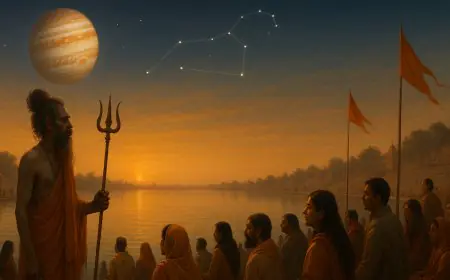
• Jupiter enters Leo (Simha Rashi)
• The Sun enters Aries (Mesha Rashi)
This alignment occurs only once every 12 years, giving the ritual a cosmic significance.
The belief is clear:
Waters touched during this window hold amplified spiritual power.
4. The Ritual Cleanses Karma and Elevates Consciousness
Ancient texts state that bathing during Simhastha removes:
• Karmic burdens
• Negative impressions
• Emotional heaviness
• Inner disturbances
Shahi Snan, with its combination of celestial timing and ascetic presence, intensifies this effect. Pilgrims experience:
• Lightness
• Clarity
• Emotional release
• Devotional awakening
• A sense of starting anew
This spiritual renewal is central to the purpose of Simhastha.
5. The Royal Procession (Peshwai) Amplifies Its Importance
Shahi Snan is not a standalone ritual—it is the climax of the Peshwai, the royal parade of Akharas.
The procession features:
• Elephants, horses, chariots
• Dhwajs (sacred flags)
• Conch blasts
• Nagadas and drums
• Thousands of ascetics in formation
This majestic display announces the arrival of spiritual power in the city.
Traditionally, a king’s coronation began with a royal bath.
Shahi Snan continues that symbolic lineage—
the coronation of dharma for the next cycle.
6. It Creates the Energetic Blueprint for the Entire Kumbh
After Shahi Snan:
• Crowd movement becomes aligned
• Akhara rituals begin
• Pilgrims start their own dips
• Pandals open their satsangs
• Spiritual gatherings gain momentum
Shahi Snan sets the frequency of the festival.
Without it, Simhastha lacks its anchor.
7. It Unites Millions in a Single Moment of Devotion
Few events on earth can bring millions together in one shared spiritual breath.
During Shahi Snan:
• People chant in unison
• Air fills with mantras
• Drums beat in harmonious echoes
• Emotions rise collectively
This collective devotion generates a palpable energy—what sages call tirtha-shakti.
Pilgrims often describe the experience as transformative.
8. It Symbolizes Victory of the Spirit Over the Ego
For Akharas, entering the water without fear, clothing, or identity symbolizes the ultimate message:
Let go.
Surrender.
Return to the truth beyond the self.
This act inspires pilgrims to release burdens they have carried for years.
9. The River Becomes the Spiritual Medium
During Shahi Snan, the Shipra River is believed to reflect a heightened state of purity.
Mythologically, it becomes:
• A purifier
• A transmitter
• A witness
• A divine doorway
The ritual transforms the river into a living participant in the cosmic ceremony.
10. The Order of Akharas Adds Sacred Rhythm
The Akharas follow a strict ritual order:
-
Shaiva Akharas led by Juna & Mahanirvani
-
Vaishnava Akharas
-
Udasi/Nirmal Akharas
This ancient hierarchy ensures discipline, flow, and spiritual continuity.
You May Also Like:
- Why Shahi Snan Is the Most Important Ritual of Simhastha 2028 ?
- How Ujjain Manages Crowd Control During Simhastha 2028?
- What are the 13 akharas and their roles in Simhastha?
- How Can Pilgrims Plan the Perfect Simhastha Trip?
- What Are the Official Dates and Major Events of Simhastha 2028?
- Why Simhastha Happens Only When Jupiter Enters Leo ?
- Why Ujjain Was Chosen for Simhastha: Ancient Scriptures & Astral Logic
- Does Taking a Holy Bath in the Shipra River During Simhastha Remove Karmic Sins?
- Why is Ujjain Kumbh Called Simhastha?
- Simhastha 2028 Ujjain: Next Dates, Shahi Snan Schedule & Complete Spiritual Guide
- Was Ujjain the First Scindia Headquarters? Did Ranoji Start Simhastha? Full Spiritual Truth Revealed
- Top 10 Routes to Enter Ujjain During Simhastha 2028 Without Traffic Hassles
- The Cosmic Importance of Jupiter in Leo: Why It Creates Simhastha in Ujjain
- How Akhara Sector Allocation Works in Simhastha 2028: Complete Breakdown for Pilgrims
- Who Are the Naga Sadhus of Simhastha 2028? Discipline, Rituals & Mystical Identity Revealed
- The Arrival Procession of Akharas in Simhastha 2028: A Complete Explainer
- How to Travel Inside Ujjain During Simhastha 2028: Routes, Maps and Movement Plans
- Why Ujjain Is Called the Navels of the Earth: Ancient Secrets Behind Simhastha
Frequently Asked Questions