

















Was Ujjain the First Scindia Headquarters? Did Ranoji Start Simhastha? Full Spiritual Truth Revealed
Explore whether Ujjain was truly the first headquarters of the Scindia dynasty and whether Ranoji began Simhastha — uncovering the historical and spiritual truth rooted in India’s living heritage.
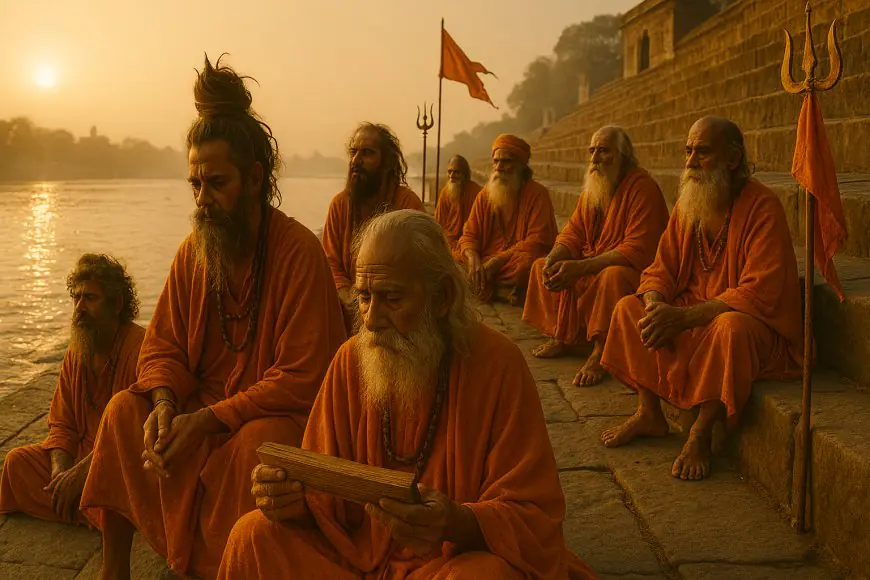


Was Ujjain the First Headquarters of the Scindia Dynasty? Did Ranoji Start Simhastha?
History and spirituality often meet in Ujjain — the ancient city where Mahakal governs time and where kings, saints and seekers have walked the same path in devotion. Two questions are frequently asked by pilgrims and history lovers alike:
Was Ujjain truly the first headquarters of the Scindia dynasty?
Did Ranoji Scindia start Simhastha?
These questions reflect curiosity about both royal history and spiritual legacy. Let us unfold the truth with respect to historical facts and the sanctity of Ujjain’s dharma tradition.
For Every pilgrims, understanding Simhastha 2028 dates and the official Shahi Snan timeline is essential before booking flights or accommodation, as these sacred dates are completely non-negotiable.
Trending Guides Now

Ujjain Simhastha
Ujjain Is Considered a Time Aligned City in Hindu Cosmology
Why Ancient Astronomers Considered Ujjain So Important

Why Ujjain Is Called the Axis of Sacred Geography in India

Ujjain Railway Station to Mahakaleshwar Temple Distance (2026 Guide)

Ujjain Simhastha 2028 Dates Announced: Full Shahi Snan & Event Timeline

Ujjain Simhastha Update: CM Mohan Yadav Reviews 2028 Works
Ujjain Railway Station to Kal Bhairav Temple: Distance, Auto Fare and Best Route
Ujjain — The First Capital of the Scindias
Yes — Ujjain was the first headquarters of the Scindia dynasty.
In the early 18th century, during the rise of the Maratha Empire:
-
Ranoji Shinde (Ranoji Scindia) was appointed by Peshwa Bajirao as Sar Subedar of Malwa.
-
To administer the region, Ranoji chose Ujjain as his primary base of power.
-
Under his leadership, Ujjain became not only a military and administrative center but also a devotional and cultural stronghold for the dynasty.
Ranoji built relationships with saints, temple trusts and akharas, and positioned Ujjain as a proud seat of Sanatan culture and Maratha governance.

Only later, under Daulat Rao Scindia, the capital shifted to Gwalior, which remained the permanent royal center.
The Scindias and Mahakal
Ranoji’s devotion to Lord Mahakaleshwar shaped the very identity of the Scindia rule in Ujjain:
-
Patronage of temples
-
Support for festivals
-
Protection of pilgrims and saints
-
Construction and renovation of religious structures
The Scindias respected Ujjain not only as a strategic city but as a divine responsibility.
Did Ranoji Start Simhastha?
No — Ranoji Scindia did NOT start Simhastha.
Simhastha is far older than the Maratha period and originates from cosmic mythology of the Samudra Manthan. It has existed for thousands of years before the Scindias entered Ujjain.
Origin of Simhastha — The Nectar of Immortality
According to ancient scriptures, when devas and asuras churned the cosmic ocean, the Kumbh (divine pot of nectar) emerged. During a celestial flight, drops of Amrit fell on:
-
Prayagraj
-
Haridwar
-
Nashik
-
Ujjain
These places became sacred locations of the Kumbh Mela / Simhastha, celebrated during specific planetary alignments of Sun, Moon and Jupiter.
So Simhastha is not a festival invented by any king — it is a cosmic event celebrated on Earth.
Where the Confusion Comes From
Although Ranoji did not initiate Simhastha, he played a significant spiritual role.
He supported saints, akharas and dharma activities
He strengthened pilgrim facilities and security
He funded temples and rituals during major religious events
Because the Scindias uplifted Ujjain’s spiritual infrastructure during their rule, some people mistakenly believe Simhastha began in their era. In reality:
Simhastha was ancient — the Scindias were its protectors, not its founders.
The Spiritual Harmony Between History and Tradition
Ujjain is a place where both truths coexist beautifully:
-
It was the first political capital of the Scindia dynasty.
-
It was already an eternal spiritual capital for seekers since Vedic times.
The legacy of Mahakal existed long before kings — and remains long after them.
The Scindias — especially Ranoji — are remembered with respect not for starting Simhastha, but for protecting the Sanatan tradition with dignity and devotion.
Final Spiritual Truth
Ujjain does not belong to any ruler — every ruler belongs to Ujjain.
Simhastha does not belong to any era — every era bends before Simhastha.
The Scindias contributed to history.
But Simhastha is cosmic, timeless and divine.
Frequently Asked Questions