

















Does Taking a Holy Bath in the Shipra River During Simhastha Remove Karmic Sins?
Learn whether taking a holy bath in the Shipra River during Simhastha removes karmic sins, with a clear explanation based on Hindu beliefs, spirituality and inner transformation.
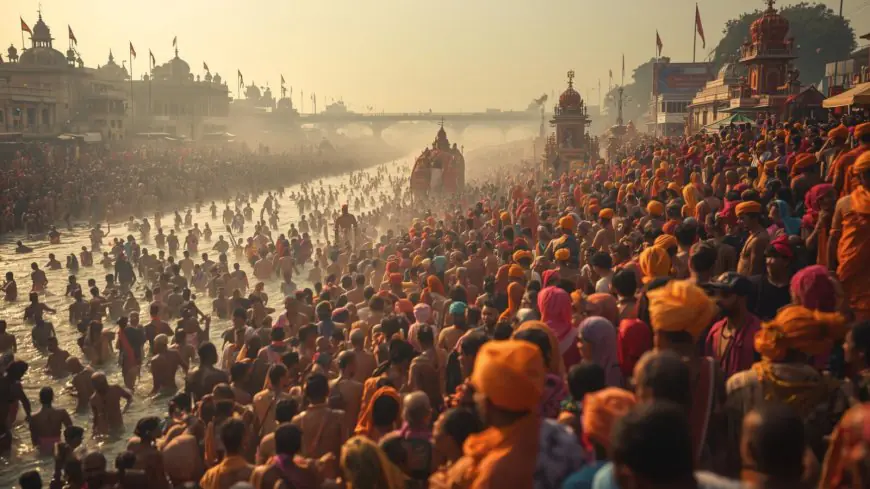


Does Taking a Holy Bath in the Shipra River During Simhastha Remove Karmic Sins? Complete Spiritual Truth Explained
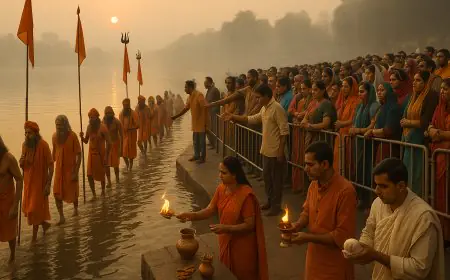
Every twelve years, millions of devotees gather in Ujjain for Simhastha, the sacred Kumbh that occurs when the Sun enters Simha Rashi (Leo) and forms a powerful astrological connection with Jupiter. Among all practices of this grand festival, the most important and deeply emotional ritual is the holy bath (Snan) in the Shipra River.
Generations of pilgrims have travelled with one heartfelt belief:
A dip in the Shipra during Simhastha frees the soul from karmic burdens and supports spiritual liberation.
But what does this truly mean? Does the bath wash away karma literally — or is the meaning more symbolic and spiritual?
Let’s explore the complete answer through scriptures, spirituality, and lived tradition.
For Every pilgrims, understanding Simhastha 2028 dates and the official Shahi Snan timeline is essential before booking flights or accommodation, as these sacred dates are completely non-negotiable.
Trending Guides Now
What Is Simhastha? Complete Explanation of Ujjain’s Sacred Kumbh
Why is Ujjain Kumbh Called Simhastha?
Why Simhastha Happens Only When Jupiter Enters Leo ?

How Simhastha 2028 Planning Uses Temporary Infrastructure Over Permanent Construction

Ujjain Railway Station to Mahakaleshwar Temple Distance (2026 Guide)

Ujjain Simhastha 2028 Dates Announced: Full Shahi Snan & Event Timeline

Ujjain Simhastha Update: CM Mohan Yadav Reviews 2028 Works
Ujjain Railway Station to Kal Bhairav Temple: Distance, Auto Fare and Best Route
Understanding Karma — The Foundation of the Belief
In Hindu Darshan, karma means the effects of one’s thoughts, intentions, and actions. It is not punishment — it is the law of cause and effect that shapes experience and learning.
Every karma is categorized into:
-
Past karma — impressions from previous actions
-
Present karma — actions performed in this lifetime
-
Future karma — the outcome that manifests later
Spiritual practices are meant to purify consciousness so a person can:

-
Reduce karmic burden
-
Uplift the mind
-
Progress toward inner freedom
This is where Simhastha Snan in the Shipra River becomes significant.
Traditional Belief Behind the Simhastha Holy Bath
Ancient scriptures describe Simhastha as a rare cosmic window of purification when:
-
The influence of the Sun (spiritual illumination)
-
The placement of Jupiter (wisdom and dharma)
-
And the sacred geography of Ujjain (Mahakal’s domain)
align to create a powerful field of spiritual transformation.
Thus, devotees believe:
A holy bath in the Shipra during Simhastha dissolves karmic impurities and allows the soul to begin a new spiritual chapter.
This belief is not based on superstition, but on the idea that the universe, the mind, and the soul become more receptive to purification during this period.
The Science of Intention — Why the Bath Matters
While water cleanses the body, the ritual is designed to cleanse the consciousness.
When a devotee enters the Shipra with sincerity, a powerful sequence occurs:
-
Recognition of past mistakes
-
Emotional release and repentance
-
Renewed commitment to righteous living
-
Mental clarity and inner peace
In spiritual psychology, this is transformation.
The ritual works not because of water alone, but because of faith, humility, and inner surrender.
What Saints and Gurus Teach
Saints explain the Simhastha bath beautifully:
“Water washes the body. Intention washes the soul. Change washes karma.”
This means:
-
A dip without thought is only physical
-
A dip with devotion becomes emotional healing
-
A dip followed by conscious living becomes karmic cleansing
So the ritual is not about escaping responsibility —
it is about rising to a higher level of responsibility.
The Role of Mahakaleshwar and Ujjain’s Spiritual Field
Simhastha is deeply connected to Mahakaleshwar Jyotirlinga, the abode of Shiva beyond time.
In Ujjain, time (Kala) and karma are believed to lose their grip more easily because:
-
Mahakal represents the destroyer of accumulated karmic weight
-
The Shipra symbolizes the flow of grace and renewal
-
The astrological phase symbolizes the strengthening of inner light
Thus, the bath becomes a union of:
-
Divine energy
-
Human intention
-
Cosmic alignment
This union makes Simhastha spiritually more intense than ordinary pilgrimages.
Does the Bath Remove Karma Automatically?
The most truthful and mature spiritual understanding is:
-
The bath does not erase karma mechanically
-
It awakens inner purity, which helps dissolve karmas through conscious living
So the bath is like a new beginning, not a shortcut.
After the Snan, devotees who continue to live with:
-
Truth
-
Compassion
-
Dharma
-
Humility
experience deep spiritual transformation.
This is the real liberation Simhastha offers.
Why People Feel Peace and Lightness After the Bath
After Simhastha Snan, devotees often report:
-
Tears of emotional release
-
Feelings of forgiveness
-
Mental clarity and lightness
-
Renewed confidence and hope
From a spiritual point of view, this happens because:
-
Repentance dissolves guilt
-
Faith removes inner fear
-
Blessings reduce emotional suffering
-
Devotion creates inner light
This is karmic purification in experience, not theory.
Final Conclusion
According to Hindu spiritual belief,
taking a holy bath in the Shipra River during Simhastha helps purify karmic impurities and supports the soul’s spiritual progress.
But the bath is not a replacement for dharma —
it is the spark that inspires a person to live more consciously after the ritual.
Therefore, the most complete understanding is:
The bath begins karma cleansing — your actions complete it.
You May Also Like:
- Does Taking a Holy Bath in the Shipra River During Simhastha Remove Karmic Sins?
- Why is Ujjain Kumbh Called Simhastha?
- Simhastha 2028 Ujjain: Next Dates, Shahi Snan Schedule & Complete Spiritual Guide
- Was Ujjain the First Scindia Headquarters? Did Ranoji Start Simhastha? Full Spiritual Truth Revealed
- Top 10 Routes to Enter Ujjain During Simhastha 2028 Without Traffic Hassles
- The Cosmic Importance of Jupiter in Leo: Why It Creates Simhastha in Ujjain
- How Akhara sector allocation Works in Simhastha 2028: Complete Breakdown for Pilgrims
- Who Are the Naga Sadhus of Simhastha 2028? Discipline, Rituals & Mystical Identity Revealed
- The Arrival Procession of Akharas in Simhastha 2028: A Complete Explainer
- How to Travel Inside Ujjain During Simhastha 2028: Routes, Maps and Movement Plans
- Why Ujjain Is Called the Navels of the Earth: Ancient Secrets Behind Simhastha
Frequently Asked Questions