






























Why is Ujjain Kumbh Called Simhastha?
Discover why Ujjain Kumbh is called Simhastha and the real reason behind its name, astrological timing, history and spiritual significance linked to Mahakaleshwar and the Shipra River.


Why is Ujjain Kumbh Called Simhastha? The Untold Meaning and Spiritual Reality
Every pilgrimage in India has a story, but only a few are timeless. Every festival has a purpose, but only a few can transform a soul. Among the greatest spiritual gatherings on earth, the Kumbh Mela stands unmatched. Yet, one question continues to fascinate devotees, historians, and spiritual seekers alike:
Why is the Ujjain Kumbh not called simply “Kumbh Mela,” but “Simhastha”?
This question opens the doorway to deep spiritual logic, rare astrological alignments, ancient history, and the sacred energy field of Ujjain — the city of Mahakal.
Before we understand Simhastha, we must understand the foundations of the Kumbh tradition.
Trending Guides Now

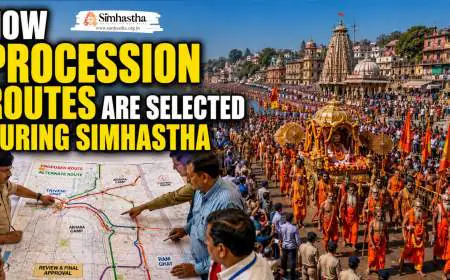
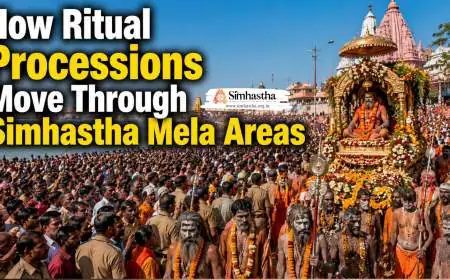
Ujjain Simhastha 2028 Dates Announced: Full Shahi Snan & Event Timeline

Why Ujjain Is One of the Four Kumbh Cities in India

What Is Simhastha? Complete Explanation of Ujjain’s Sacred Kumbh
Difference Between Simhastha, Kumbh Mela, and Ardh Kumbh – Meaning, Significance & Comparison

Ujjain Railway Station to Mahakaleshwar Temple Distance (2026 Guide)

Mahakaleshwar Temple Entry Rules 2026: Dress Code, Mobile & Bag Policy

Mangalnath Temple Trip Budget: Puja, Local Transport, Food and Stay Planning

Omkareshwar Trip Budget Guide: Transport, Stay, Food and Local Travel Costs
For Every pilgrims, understanding Simhastha 2028 dates and the official Shahi Snan timeline is essential before booking flights or accommodation, as these sacred dates are completely non-negotiable.
The Divine Root of Kumbh — The Story of Amrit
According to ancient texts, gods and demons churned the cosmic ocean during the Samudra Manthan in search of the nectar of immortality (Amrit). When the pot of Amrit emerged, a celestial battle began and lasted 12 divine days (equivalent to 12 earthly years). During this cosmic chase, four drops of Amrit fell on earth — in Haridwar, Prayagraj, Nashik, and Ujjain.
These four sacred lands became the eternal spiritual sites where the Kumbh is held.
But the name Simhastha belongs to Ujjain and Nashik alone, and for a powerful reason.
What Makes Ujjain Simhastha Different from Other Kumbh Melas
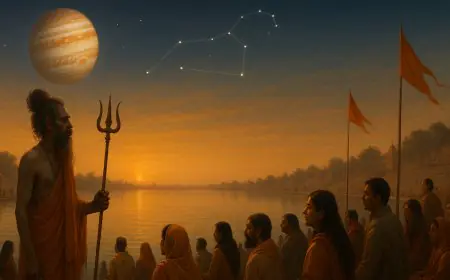
Although the Kumbh happens in four places, each location is triggered by a unique planetary position. In Ujjain, Kumbh is held only when the Sun enters the zodiac sign Leo (Simha Rashi) and forms a sacred connection with Jupiter.
This alignment does not activate Haridwar, Prayagraj, or other cities — it activates Ujjain.
That is why Kumbh in Ujjain is called Simhastha, where:

-
Simha = Leo zodiac
-
Stha = time or position
So the literal meaning is:
The Kumbh that happens when the cosmic alignment enters the Leo (Simha) phase.
Thus, while every Simhastha is a Kumbh, not every Kumbh becomes Simhastha.
Ujjain: The Spiritual Capital of the Leo Zodiac Alignment
To understand Simhastha fully, we must understand Ujjain.
Ujjain is not just a city — it is the geographical and cosmic center of ancient Hindu civilization:
-
It is home to Mahakaleshwar Jyotirlinga, the dwelling of Shiva beyond time.
-
It was the prime meridian of India before Greenwich existed.
-
It was the capital of the legendary king Vikramaditya.
-
It is the seat of Tantra, Jyotish and Moksha-margi Shaivism.
Because the ruling deity of Ujjain is Mahakal — the Lord of Time, the influence of planetary time cycles (Jyotish) is believed to be the strongest here.
During Simhastha, the Sun in Leo (Simha) and Jupiter’s sacred placement combine to magnify the strength of:
-
purification of the soul
-
release of karmas
-
awakening of consciousness
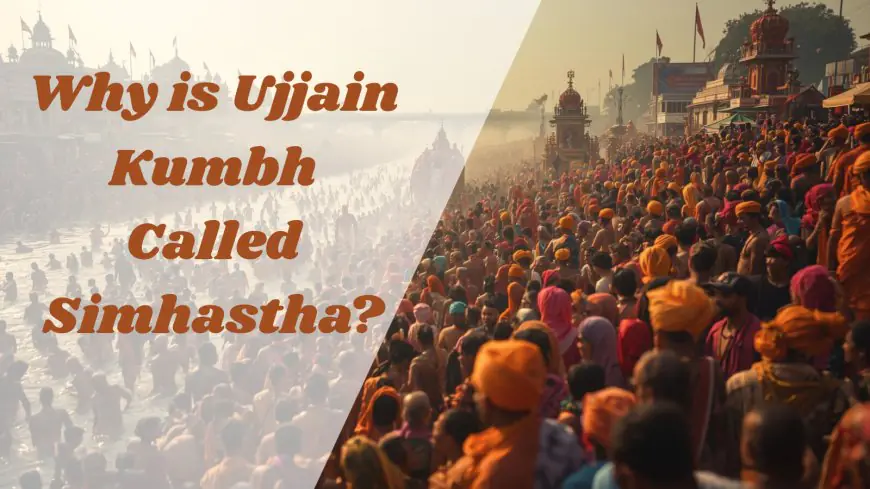
This is why millions travel to Ujjain during Simhastha—not only for a ritual bath, but to experience a cosmic shift in spiritual energy.
Simhastha: The Union of Shiv-Tatva and Surya-Tatva
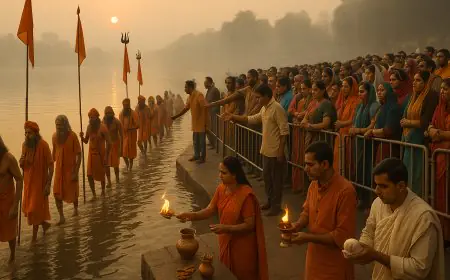
Simhastha is not just about a holy dip in the Shipra River. It is where:
-
Shiva’s timeless power (Mahakal)
meets -
The illuminating force of the Sun (Surya)
During Simha zodiac phase, this union becomes accessible to all devotees, even those who do not follow meditation, penance, or monastic life.
That is why saints say:
“Simhastha is the moment when spiritual liberation becomes easiest for a human.”
The Ritual of Holy Bath — Not Tradition, but Transformation
Devotees believe that bathing in the Shipra during Simhastha:
-
Cleanses past karmas
-
Lightens the burden of subconscious impressions
-
Creates space for intuitive wisdom
-
Accelerates the path toward Moksha without renunciation
This is why saints, monks, sadhus of every parampara and philosophy gather together, creating the greatest spiritual parliament on earth.
Difference Between Kumbh Mela and Simhastha
| Aspect | General Kumbh | Simhastha (Ujjain) |
|---|---|---|
| Trigger | Amrit story + 12-year cycle | Sun in Leo + Jupiter alignment |
| Location | Four places | Only Ujjain & Nashik |
| Energy Focus | Ritual purification | Karma cleansing + consciousness awakening |
| Deity connection | Not mandatory | Mahakaleshwar Jyotirlinga |
| Recognition | Largest Hindu gathering | Most spiritually intense Kumbh |
This is why sages describe Simhastha as:
“Kumbh when the universe turns towards Ujjain.”
Spiritual Depth: Why the Leo Zodiac Matters
The zodiac sign Leo (Simha) is symbolized by the lion, the embodiment of:
-
Dharma
-
Courage
-
Self-realization
-
Divine royalty
During this phase, the inner light of consciousness becomes dominant over ego, allowing spiritual evolution in a short time — something that usually takes years of practice.
This subtle yet powerful shift makes Simhastha spiritually unique across the world.
Final Understanding
Ujjain Kumbh is called Simhastha because:
-
It happens only during the rare alignment of Sun in Leo and Jupiter’s sacred position
-
This alignment spiritually activates the energy field of Ujjain
-
Ujjain’s connection to Mahakaleshwar and ancient Jyotish magnifies the spiritual impact
-
Bathing in the Shipra River during Simhastha is believed to cleanse karmas and elevate consciousness
Therefore, Simhastha is not just a festival —
it is a cosmic doorway that opens only once every 12 years.
Frequently Asked Questions