



















How Entry Gates Are Allocated to Control Crowd Density in Simhastha
Learn how Simhastha entry gates are strategically allocated to control crowd density, ensure safety, and manage millions of pilgrims efficiently.

How Entry Gates Are Allocated to Control Crowd Density in Simhastha
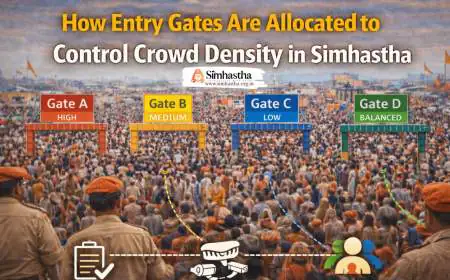
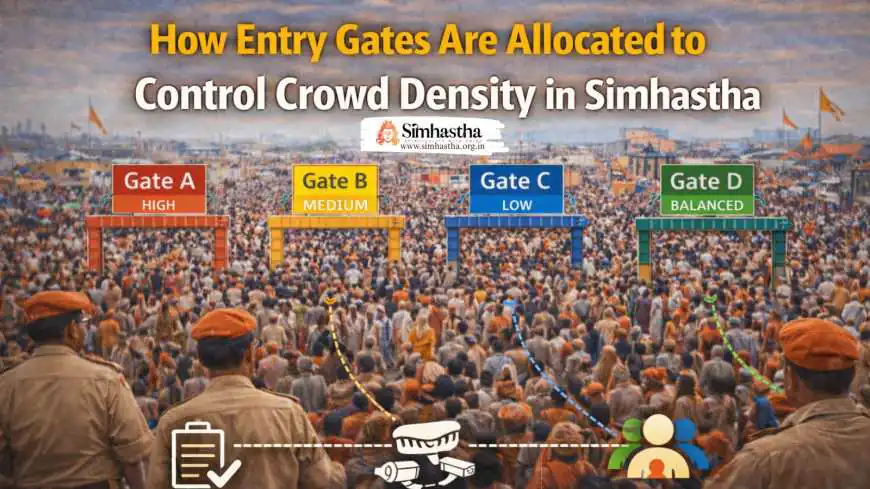
Managing millions of pilgrims in a limited geographical area requires more than just infrastructure. It requires precision, strategy, and real-time adaptability. In Simhastha 2028, entry gates are not randomly placed access points but carefully planned control mechanisms designed to regulate the flow of people. The allocation of these gates plays a central role in maintaining safe crowd density levels, preventing congestion, and ensuring a smooth spiritual experience. By dividing incoming pilgrims across multiple zones and directing them through designated entry points, authorities create a controlled movement system that reduces risk and improves efficiency.
The Role of Entry Gates in Crowd Density Control
Entry gates act as the first checkpoint in the entire Simhastha crowd management system. They are not just physical openings but strategic filters that determine how people enter the event space.
Each gate is assigned a specific capacity based on the surrounding infrastructure, nearby routes, and expected footfall. This ensures that no single area becomes overloaded beyond safe limits. The concept of crowd density control Simhastha begins right at these entry points, where flow is regulated before it spreads into the main zones.
Zonal Division and Gate Allocation Strategy
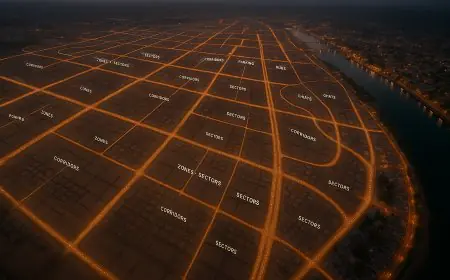
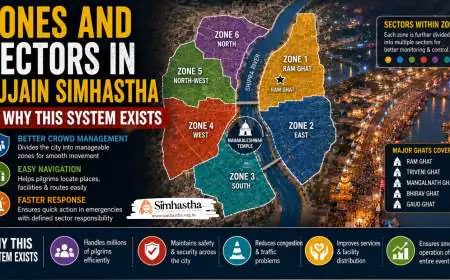
The entire Simhastha area is divided into multiple zones, each with its own set of entry and exit gates. This zonal planning ensures that crowd distribution remains balanced across the city.
Trending Guides Now

How Sector-Based Movement Will Control Crore-Level Crowds in Simhastha 2028
How Crowd Buffer Zones Absorb Sudden Pilgrim Surges at Simhastha

Kshipra Riverfront Zones: What Pilgrims Must Know for Simhastha 2028

Why Residential Zones and Ritual Zones Are Kept Separate in Simhastha 2028

Ujjain Railway Station to Mahakaleshwar Temple Distance (2026 Guide)

Ujjain Simhastha 2028 Dates Announced: Full Shahi Snan & Event Timeline
Mahakaleshwar to Kal Bhairav Temple: Distance, Auto Fare, Travel Time and Route Options
Mahakaleshwar to Gadkalika Temple: Distance, Auto Fare and Best Route
Each zone is mapped based on its capacity, accessibility, and proximity to key locations like ghats and temples. Entry gates are then allocated accordingly, forming a structured entry zone mapping Simhastha system that prevents overcrowding in sensitive areas.
Data-Driven Planning of Entry Gates
Modern Simhastha planning relies heavily on data. Historical data from previous events, expected pilgrim turnout, and peak day predictions are used to determine the number and placement of entry gates.
This data-driven approach ensures that Simhastha entry gate planning is accurate and efficient. It allows authorities to anticipate crowd patterns and prepare accordingly, reducing the chances of unexpected congestion.
Segregation of Pilgrim Flow Through Dedicated Gates
Not all pilgrims follow the same routes or schedules. Some arrive for specific rituals, while others come for general दर्शन. To manage this diversity, entry gates are often categorized based on purpose.
Certain gates may be designated for general entry, while others are reserved for specific groups such as elderly pilgrims, organized yatras, or emergency services. This segregation improves the efficiency of pilgrim flow management Simhastha and ensures smoother movement.
Integration with Transport and Parking Systems
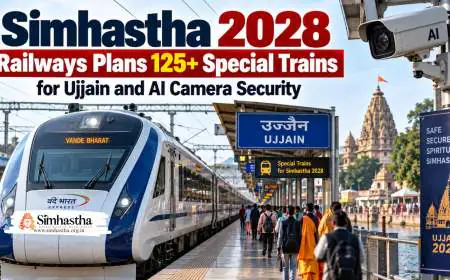
Entry gate allocation is closely linked with transport planning. Roads, parking areas, and public transport routes are aligned with specific gates to streamline movement.
For example, buses and private vehicles are directed to designated parking zones, from where pilgrims are guided to nearby entry gates. This integration reduces chaos and supports a well-organized Simhastha logistics planning system.
Real-Time Monitoring and Dynamic Gate Control
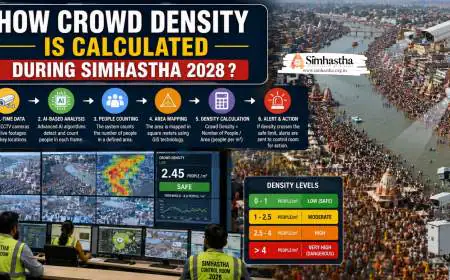
One of the most advanced aspects of smart crowd control Ujjain is real-time monitoring. Surveillance systems, sensors, and control rooms continuously track crowd density at different entry points.
If a particular gate becomes overcrowded, authorities can temporarily close it and redirect incoming pilgrims to alternative gates. This dynamic control mechanism ensures that crowd density remains within safe limits at all times.
Use of Signage and Guidance Systems
Clear signage and guidance systems play a crucial role in directing pilgrims to the correct entry gates. Without proper guidance, even the best-planned gate allocation system can fail.
Signboards, announcements, and digital displays are used to inform pilgrims about routes and gate availability. This enhances the effectiveness of the entry gate management system Simhastha and reduces confusion.
Safety Measures at Entry Gates
Safety is a top priority in Simhastha security planning. Entry gates are equipped with security checks, medical assistance points, and emergency response teams.
These measures ensure that any potential risks are identified and addressed at the earliest stage. By controlling entry at the gate level, authorities can maintain a safer environment throughout the event.
Managing Peak Day Crowd Surges
Peak bathing days present the biggest challenge in terms of crowd density. During these periods, the number of incoming pilgrims can increase dramatically within a short time.
To handle this, additional entry gates may be activated, and existing ones are managed more strictly. This ensures that the crowd distribution strategy India remains effective even under extreme pressure.

Coordination Between Entry and Exit Gates
Efficient crowd management requires a balance between entry and exit flows. If more people enter than exit, congestion builds up quickly.
Simhastha planning ensures that entry gates are coordinated with exit routes to maintain a steady flow. This balance is essential for maintaining optimal crowd density control Simhastha across all zones.
Technology Integration in Gate Allocation
Technology enhances the efficiency of entry gate allocation. GPS tracking, crowd analytics, and communication systems help authorities make quick decisions.
These tools enable a smarter and more responsive Simhastha crowd control system, ensuring that gate allocation remains effective throughout the event.
Training and Human Resource Management
Even the best systems require skilled personnel to operate them. Staff and volunteers are trained to manage entry gates, guide pilgrims, and handle emergencies.
Their role is crucial in implementing the Simhastha entry gate planning strategy effectively. Human coordination ensures that systems work smoothly on the ground.
Lessons from Previous Simhastha Events
Past events have provided valuable insights into crowd behavior and gate management. These lessons have been incorporated into the planning of Simhastha 2028.
Improved layouts, better coordination, and advanced technology have made the current crowd management Simhastha system more efficient and reliable.
Environmental and Spatial Considerations
Entry gate placement also takes into account environmental and spatial factors. Natural terrain, river proximity, and existing infrastructure influence gate locations.
This ensures that the system is not only efficient but also sustainable, aligning with modern Simhastha infrastructure planning principles.
A System Designed for Precision and Safety
The allocation of entry gates in Simhastha 2028 is a carefully engineered process that combines planning, technology, and human coordination. It ensures that millions of pilgrims can move safely and efficiently within a limited space.

By controlling crowd density at the entry level, the system prevents congestion before it begins. This proactive approach transforms entry gates from simple access points into powerful tools of crowd management.
Frequently Asked Questions