



























How Crowd Buffer Zones Absorb Sudden Pilgrim Surges at Simhastha
In-depth guide explaining how crowd buffer zones work during Ujjain Simhastha to manage sudden pilgrim surges, protect safety, control movement, and prevent stampedes through structured planning and real-time crowd engineering.


How Crowd Buffer Zones Are Used to Absorb Sudden Pilgrim Surges
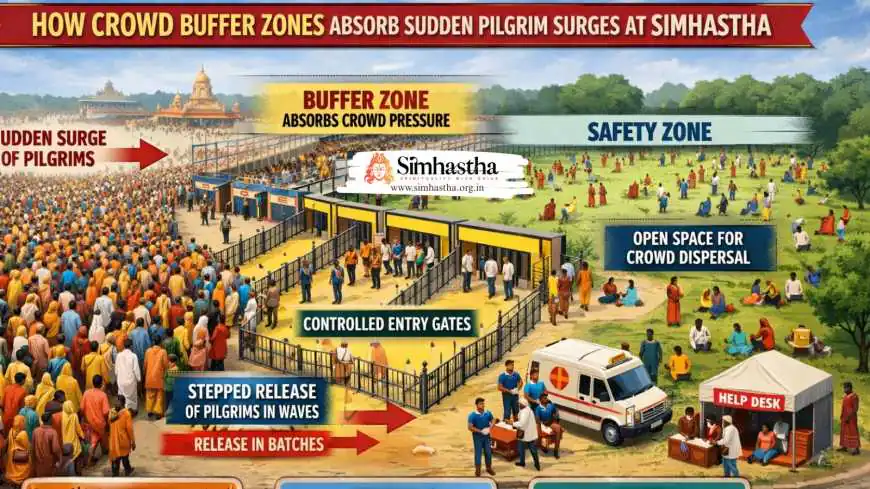
Crowd buffer zones at Ujjain Simhastha are strategically designed holding and expansion areas that absorb sudden pilgrim surges during peak rituals like Shahi Snan. By regulating entry rates, slowing walking speed, distributing density, and enabling real-time diversion, these zones prevent dangerous compression and stampedes while ensuring safe and controlled mass movement.
When millions gather at Ujjain Simhastha, safety is not accidental. It is engineered.
One of the most critical tools used in Ujjain Simhastha crowd management is the concept of crowd buffer zones.
To an ordinary pilgrim, these may look like:
Trending Guides Now

How Crowd Density Is Calculated During Simhastha 2028 ?

How Sector-Based Movement Will Control Crore-Level Crowds in Simhastha 2028
Kshipra Riverfront Zones: What Pilgrims Must Know for Simhastha 2028

Why Residential Zones and Ritual Zones Are Kept Separate in Simhastha 2028

Ujjain Railway Station to Mahakaleshwar Temple Distance (2026 Guide)

Ujjain Simhastha 2028 Dates Announced: Full Shahi Snan & Event Timeline

Mahakaleshwar Sandhya Aarti Online Booking 2026: Fee, Timings, Entry Gate and Step-by-Step Process

Mangalnath Temple Trip Budget: Puja, Local Transport, Food and Stay Planning
• Barricaded lanes
• Waiting corridors
• Temporary holding spaces
• Open grounds with controlled entry
But behind these structures lies a sophisticated system of pilgrim surge absorption designed to prevent panic, stampedes, and uncontrolled pressure.
This guide explains in depth:
• What crowd buffer zones are
• Why they are essential during Shahi Snan
• How they prevent stampedes
• How real-time surge control works
• What pilgrims should understand about them
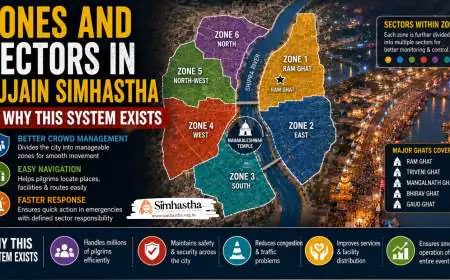
Also Read | Expected Zones & Sectors of Simhastha 2028
Understanding the Scale of Crowd Movement at Simhastha
During major bathing days of Ujjain Kumbh Mela, footfall can rise sharply within minutes.

Pilgrim flow patterns are not linear.
They spike due to:
• Akhara processions
• Astrological timing windows
• Rumors of opening access
• Sudden road closures
• VIP movement adjustments
Without structured design, sudden surges can create dangerous compression.
This is where crowd buffer zones Simhastha play a critical role.
Also Read | Why Residential Zones and Ritual Zones Are Kept Separate
What Is a Crowd Buffer Zone?
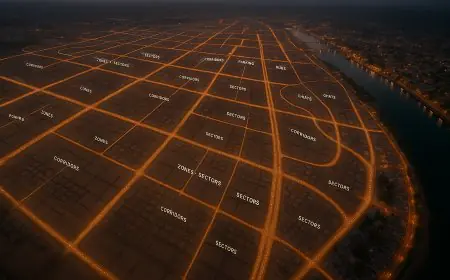
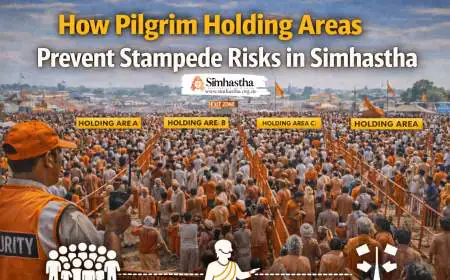
A crowd buffer zone is a designated holding or expansion space designed to temporarily absorb excess foot traffic before it reaches high-density zones.
In simple terms:
It is a pressure-release area.
Instead of allowing unrestricted movement toward Ram Ghat or Shahi Snan entry points, pilgrims are gradually filtered through controlled corridors.
These buffer zones:
• Slow down momentum
• Distribute density
• Prevent bottlenecks
• Create breathing space
Also Read | How Sector-Based Movement Will Control Crore-Level Crowds Of Simhastha 2028
Why Sudden Pilgrim Surges Happen
Understanding surge psychology is essential.
Surges are often triggered by:
-
Opening of Shahi Snan access
-
Fear of missing auspicious timing
-
Visual cue of others running
-
Sudden barrier removal
-
Rumor-based panic
Crowd behavior changes within seconds.
Mass gatherings require pre-planned absorption zones.
Types of Buffer Zones Used at Simhastha
1. Linear Holding Corridors
Long barricaded walking lanes.
Designed to:
• Regulate walking speed
• Prevent side-entry
• Maintain directional flow
They create controlled pacing.
2. Open Ground Expansion Zones
Large temporary open fields where pilgrims are held before entering narrower ghat access points.
Purpose:
• Spread density
• Allow crowd thinning
• Provide emergency exit space
3. Multi-Layer Checkpoint Filters
Before reaching Ram Ghat, pilgrims may pass through:
• Multiple barricade stages
• Security checks
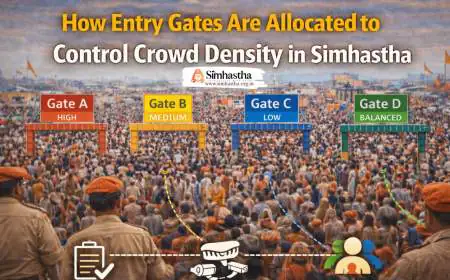
• Staggered entry gates
Each stage acts as a micro-buffer.
4. Diversionary Routes
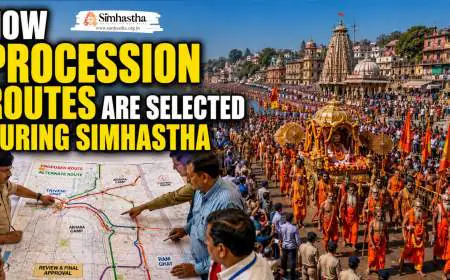
Alternate walking paths that activate during overload.
These routes:
• Redirect surplus crowd
• Prevent central corridor overload
• Equalize distribution
How Buffer Zones Prevent Stampedes
Stampedes occur when:
• Forward pressure exceeds space capacity
• People fall
• Rear crowd cannot see obstruction
Buffer zones reduce this risk by:
• Limiting entry rate
• Preventing high-speed movement
• Creating visible space
• Slowing wave formation
This is fundamental stampede prevention strategy India during mass religious events.
Also Read | How Sector-Based Crowd Flow Works in Simhastha: A Simple Guide for First-Time Visitors
The Science Behind Surge Absorption
Crowd engineering uses principles such as:
• Flow rate per minute
• Density per square meter
• Entry-exit ratio control
• Human wave momentum analysis
At density beyond 6–7 persons per square meter, risk increases.
Buffer zones maintain safe density levels.
Real-Time Monitoring Systems
Modern Simhastha 2028 safety protocol integrates:
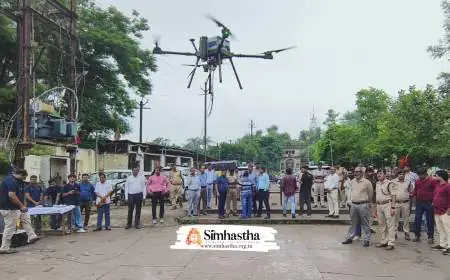
• CCTV monitoring
• Drone surveillance
• Public announcement systems
• Ground-level police communication
If a zone crosses safe density threshold:
Entry gates temporarily close.
Flow is diverted.
Holding areas expand.
This dynamic system supports pilgrim surge absorption system.
Role of Volunteers and Police in Buffer Zones
Human control is as important as physical barriers.
Personnel inside buffer zones:
• Regulate walking pace
• Calm anxious pilgrims
• Provide instructions
• Stop running behavior
• Assist elderly movement
Communication prevents panic.
Ujjain Simhastha is the time-governed Kumbh gathering held only in the sacred city of Ujjain, defined by Jupiter’s entry into Leo and centuries of uninterrupted spiritual tradition. To understand why Simhastha happens only in Ujjain, how its timing is decided, and what gives it a distinct place within the Kumbh tradition, read this complete and authoritative guide to Ujjain Simhastha.
How Shahi Snan Timing Increases Surge Risk
The most intense surge moment is during:
• Opening of public Shahi Snan access
When devotees believe auspicious window is short, urgency rises.
Buffer zones absorb:
• Emotional acceleration
• Speed-based compression
• Competitive rushing
Structured delay actually increases safety.
Psychological Design of Buffer Zones
Beyond physical design, buffer zones use psychological techniques:
• Visual perception of space
• Gentle lane curvature to slow speed
• Alternating entry gates
• Shade to reduce agitation
• Water availability to calm crowd
These reduce anxiety-driven acceleration.
Communication Systems Inside Buffer Areas
Public address announcements often include:
• Clear instructions
• Delay explanations
• Safety reminders
• Directional guidance
Transparency reduces panic.
Silence increases speculation.
Also Read | How Akhara Camps Are Allocated in Simhastha 2028
Emergency Breakout Protocols
If sudden density spike occurs:
Authorities may:
• Temporarily stop inflow
• Open lateral exits
• Activate secondary corridors
• Deploy additional personnel
Buffer zones create flexibility.
Without them, correction becomes difficult.
Case Pattern: Controlled Surge vs Uncontrolled Surge
Controlled surge:
• Gradual increase
• Flow pacing
• Clear visibility
• Managed entry
Uncontrolled surge:
• Sudden acceleration
• Obstructed sightline
• Panic movement
• Compression pressure
Buffer zones convert uncontrolled surges into controlled flows.
How Pilgrims Should Interpret Buffer Zones
Many first-time visitors misinterpret holding zones as delay or inconvenience.
In reality:
They are protective shields.
When you are temporarily stopped before Ram Ghat:
It means density control is active.
Patience equals safety.
Infrastructure Planning Before Simhastha
Months before Simhastha 2028, authorities:
• Map crowd flow simulations
• Identify choke points
• Expand entry lanes
• Design modular barricade systems
• Train personnel
Buffer zones are pre-engineered, not improvised.
Also Read | How Ujjain's New Parking Hubs Will Handle Millions
Technology Integration in 2028 Planning
Advanced planning may include:
• AI-assisted density monitoring
• Thermal crowd mapping
• Predictive surge modeling
• GPS-based foot traffic analysis
This enhances mass gathering management India capabilities.
Role of Medical Stations Near Buffer Zones
Medical camps are strategically placed near:
• High-density areas
• Surge-prone corridors
• Entry holding zones
Quick access reduces emergency response time.
Common Misconceptions About Buffer Zones
Myth: They are created to control or restrict pilgrims unnecessarily.
Reality: They prevent compression and injuries.
Myth: Delays reduce spiritual merit.
Reality: Ritual significance is not measured by speed.
Myth: Running ensures faster access.
Reality: Running triggers compression waves.
Also Read | How Crowd Density Is Calculated During Simhastha?
How Buffer Zones Support Elderly and Families
Slower pace inside holding areas benefits:
• Elderly pilgrims
• Children
• Women carrying offerings
• Disabled visitors
Uncontrolled rush disproportionately harms vulnerable groups.
Lessons from Global Mass Gathering Events
Large gatherings worldwide use:
• Staggered entry gates
• Layered holding corridors
• Flow diversion networks
Ujjain Simhastha crowd management integrates similar engineering adapted to religious context.
Ethical Responsibility of Pilgrims
Crowd safety is shared responsibility.
Pilgrims should:
• Avoid pushing
• Follow barricades
• Obey instructions
• Discourage panic behavior
• Help fallen individuals
Buffer zones work best with cooperation.
Also Read | How Emergency Corridors Are Built Inside Simhastha Zones
Future of Crowd Management at Simhastha
With increasing pilgrim numbers, future systems may include:
• Real-time crowd density apps
• Smart signage
• Predictive route adjustments
• Dynamic entry scheduling
The goal remains constant:
Protect life while preserving devotion.
Related Simhastha 2028 Guides:
- What Are the Official Dates and Major Events of Simhastha 2028?
- Why Simhastha Happens Only When Jupiter Enters Leo ?
- Why Ujjain Was Chosen for Simhastha: Ancient Scriptures & Astral Logic
- Does Taking a Holy Bath in the Shipra River During Simhastha Remove Karmic Sins?
- Why is Ujjain Kumbh Called Simhastha?
- Simhastha 2028 Ujjain: Next Dates, Shahi Snan Schedule & Complete Spiritual Guide
- Was Ujjain the First Scindia Headquarters? Did Ranoji Start Simhastha? Full Spiritual Truth Revealed
- Top 10 Routes to Enter Ujjain During Simhastha 2028 Without Traffic Hassles
- The Cosmic Importance of Jupiter in Leo: Why It Creates Simhastha in Ujjain
- How Akhara Sector Allocation Works in Simhastha 2028: Complete Breakdown for Pilgrims
Frequently Asked Questions