

















How Ujjain’s New Parking Hubs Will Handle Millions During Simhastha 2028
Discover how Ujjain’s new parking hubs will manage millions of vehicles during Simhastha 2028 with organized zones, shuttle loops, smart navigation and safety plans.


How Ujjain’s New Parking Hubs Will Handle Millions During Simhastha 2028
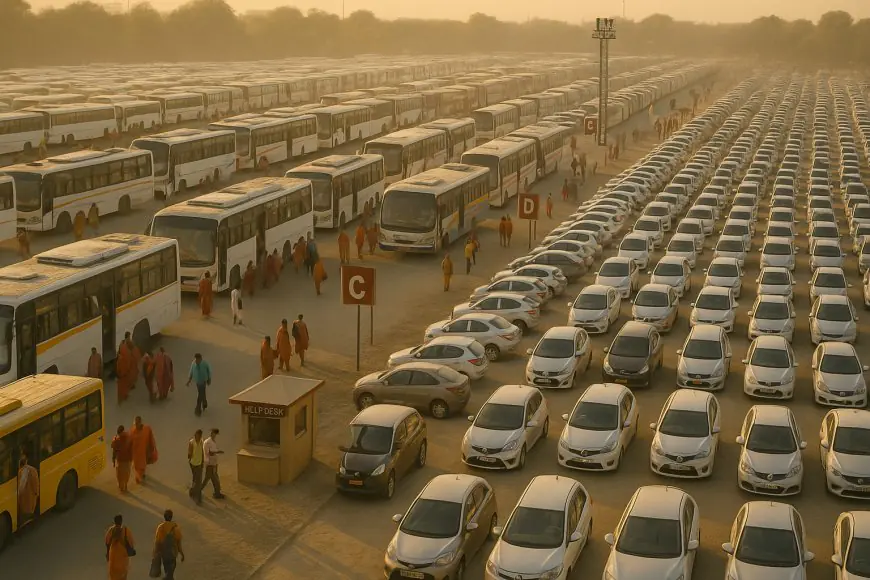
With crores of pilgrims preparing to visit Ujjain for Simhastha 2028, one of the biggest logistical challenges is managing vehicles. Cars, buses, vans and tourist coaches from across India will arrive for Snan, Mahakal Darshan and Akhara visits. If unmanaged, traffic congestion near ghats and temples could delay rituals, create safety risks and cause discomfort for families and senior citizens. To prevent these challenges and keep the city running smoothly, Ujjain has developed a large-scale, strategically planned parking hub system designed exclusively for Simhastha.
For Every pilgrims, understanding Simhastha 2028 dates and the official Shahi Snan timeline is essential before booking flights or accommodation, as these sacred dates are completely non-negotiable.
The Purpose of Dedicated Parking Hubs
The parking hubs are not just parking lots — they are full-scale mobility transition zones. Their goal is to keep private vehicles outside the inner pilgrimage area so pilgrims can travel peacefully through shuttles and walking corridors. Instead of allowing cars to crowd the city center, these hubs allow smooth traffic flow along outer and middle-ring roads and reduce pressure near the Kshipra River and Mahakal Corridor.
Core Benefits of Centralized Parking Hubs
- Prevents traffic congestion near ghats and temples
- Helps emergency services move without blockages
- Reduces noise and pollution in devotional areas
- Ensures organized vehicle movement for lakhs of pilgrims per day
- Allows equal access to all visitors regardless of mode of travel
In short, the hubs act as the “gateway” between highways and the pilgrimage zones.
Trending Guides Now

Every Major Road Project Planned Before Simhastha 2028
Ujjain Road Widening & Bridge Upgrades: How the City Is Preparing for Simhastha 2028

How Ujjain’s New Bridges & Bypasses Will Reduce Simhastha Traffic in 2028

How Smart City Projects Are Reshaping Ujjain

Ujjain Railway Station to Mahakaleshwar Temple Distance (2026 Guide)

Ujjain Simhastha 2028 Dates Announced: Full Shahi Snan & Event Timeline

Ujjain Simhastha Update: CM Mohan Yadav Reviews 2028 Works
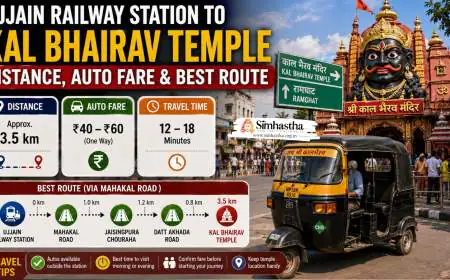
Ujjain Railway Station to Kal Bhairav Temple: Distance, Auto Fare and Best Route
How the Parking Hub System Works
The design uses a simple yet powerful strategy: parking outside — shuttle inside. Every hub is connected to the city’s main shuttle corridors, which operate continuously to transport pilgrims to major ghats, Mahakal Corridor and tent cities. This ensures forward flow without halts or confusion.
Parking Hub Layout
- Separate entry and exit gates to prevent cross-traffic
- Dedicated spaces for cars, buses and two-wheelers
- Shuttle pickup points located next to parking rows
- Rest zones, toilets and drinking water points
- Lost-and-found and emergency assistance kiosks
Every element is positioned to prevent crowding, even during peak hours.
Location Strategy: Outer Ring Parking for Maximum Flow
Ujjain has placed most Simhastha 2028 parking hubs along the outer ring to avoid pushing traffic into narrow internal lanes. Vehicles enter outer hubs directly from highways and are guided by signboards and volunteers.
Why Outer Ring Parking Works Best
- No vehicle spillover into core pilgrimage zones
- Direct access from NH highways and major district roads
- Space for thousands of vehicles in each zone
- Fast shuttle turnaround without urban delays
This approach lets pilgrims reach the spiritual zones faster than by personal vehicle.
How Pilgrims Travel From Parking to Pilgrimage Zones
Once parked, pilgrims access the spiritual core using the shuttle network. Shuttle buses run continuously in loops that connect parking hubs to ghats and the Mahakal area.
Typical Flow for Pilgrims
- Park the vehicle → Walk to designated shuttle stop
- Board shuttle heading to ghat or temple drop point
- Walk short distance inside pedestrian corridor zones
- Return to parking hubs the same way after rituals
Clear signage ensures pilgrims always know where their return shuttle is located.

Special Arrangements for Families & Senior Citizens
The parking system respects the comfort and needs of vulnerable pilgrims — especially the elderly, children and those carrying luggage.
Support Features in Parking Hubs
- Wheelchair assistance desk for senior citizens
- Priority queue lanes for families and women
- Stroller-friendly pathways for children
- Shaded waiting areas for weather protection
- Medical kiosks for first aid
These systems ensure that devotion stays at the center of the experience, not physical stress.
Security Measures & Monitoring Systems
The parking hubs operate under a safety-first framework. Pilgrims must feel confident to leave their vehicles and belongings in a monitored environment.
Safety Infrastructure
- CCTV surveillance across parking bays
- Security guards and police patrols
- Digital entry logs for large buses
- Controlled nighttime lighting and watchtowers
- Lost-and-found kiosks
This combination of vigilance and assistance builds trust among pilgrims.
Parking for Large Pilgrim Groups and Tour Operators
A significant proportion of Simhastha visitors will arrive in tourist buses arranged by spiritual organizations and travel companies. Dedicated zones ensure they can park and leave systematically.
Group Parking Features
- Lanes exclusively for buses to prevent delays
- Batch shuttle movement for large groups
- Volunteer-guided assemblies for group departure
- Marked parking row numbers for easy identification
Tour operators benefit from predictable turnaround times and organized loading areas.
How Ujjain Will Avoid Traffic Jams During Peak Days
The parking hub model minimizes the risk of citywide traffic paralysis — even during Shahi Snan. Core roads remain pedestrian priority zones while outer and middle ring roads support shuttle mobility.
Peak Flow Mechanisms
- Predefined vehicle diversion routes
- Temporary no-entry zones during peak rituals
- Continuous shuttle frequency increase during snan hours
- Real-time announcements about route pressure
The result: lakhs move — without lakhs blocking intersections.
Using Parking Hubs Efficiently: Tips for Pilgrims
A peaceful experience depends not just on city planning but also on pilgrim awareness.
Ideal Parking Practices During Simhastha
- Remember your zone name and row number (photo on phone recommended)
- Travel light while exiting the parking area
- Check child wristbands with contact number before boarding shuttle
- Avoid last-minute vehicle departures during peak hours
- Plan to return before high crowd transitions
The smoother your parking experience, the better your Snan and Darshan experience becomes.
Parking Hubs Are More Than Logistics — They Create Devotion Space
Some pilgrims worry that parking far away may reduce convenience. But in practice, the parking-to-shuttle-to-walking sequence is a blessing for the inner journey. The sacred path begins the moment a pilgrim steps off their vehicle. The walk brings humility, prepares the mind and frees one from worldly hustle. By the time pilgrims reach the ghats or Mahakal Corridor, their heart is already centered in devotion.
Simhastha 2028 will bring unprecedented crowds to Ujjain — but with thoughtful planning, the journey of every pilgrim can remain calm, safe and spiritually focused. And the new parking hubs are the foundation that makes this possible.
Frequently Asked Questions