














How Ujjain’s New Bridges & Bypasses Will Reduce Simhastha Traffic in 2028
Ujjain’s new bridges and bypass roads are set to transform traffic flow during Simhastha 2028. Understand how infrastructure planning will reduce congestion.


Why Traffic Management Is Critical for Simhastha 2028
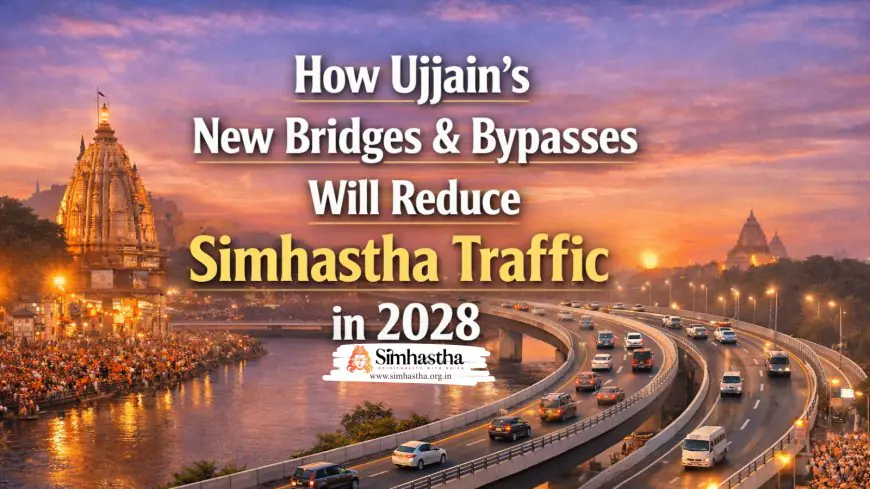
Simhastha 2028 traffic management is one of the most critical operational challenges Ujjain will face during the event. Millions of pilgrims are expected to arrive within short peak windows, creating intense pressure on city roads, river crossings, and entry corridors.
Effective traffic planning is not limited to policing or temporary barricades. It depends on Simhastha Ujjain infrastructure that can permanently reshape movement patterns. New bridges and bypass roads form the backbone of this strategy.
For Every pilgrims, understanding Simhastha 2028 dates and the official Shahi Snan timeline is essential before booking flights or accommodation, as these sacred dates are completely non-negotiable.
Lessons Learned from Traffic Challenges During Simhastha 2016
The experience of Simhastha 2016 traffic lessons clearly showed how congestion develops when pilgrimage routes overlap with daily city traffic. Limited crossing points over the Shipra River and heavy vehicle movement through central roads created bottlenecks during peak bathing days.
Trending Guides Now
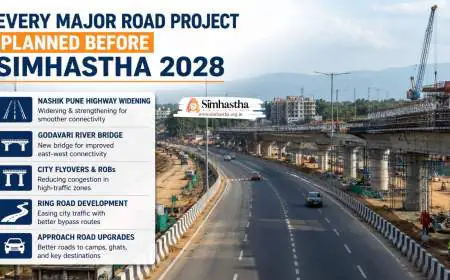
Every Major Road Project Planned Before Simhastha 2028
How Smart City Projects Are Reshaping Ujjain
Farmers Win, Township Plan Falls: How Simhastha 2028’s Mega-City Scheme Was Scrapped in Ujjain
New Railway Upgrades Planned Before Simhastha 2028

Ujjain Railway Station to Mahakaleshwar Temple Distance (2026 Guide)

Ujjain Simhastha 2028 Dates Announced: Full Shahi Snan & Event Timeline
Ujjain Simhastha Update: CM Mohan Yadav Reviews 2028 Works

Karkateshwar Mahadev: 22/84 Mahadev of Ujjain
These observations highlighted the need for long-term structural solutions rather than short-term diversions. The planning for Simhastha 2028 preparation directly builds upon these findings.
Role of New Bridges in Managing Simhastha Crowd Flow
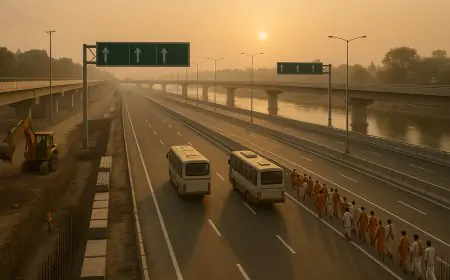
The construction of Ujjain new bridges Simhastha plays a decisive role in distributing crowd and vehicle movement. Bridges near the Shipra River bridge Ujjain zone are designed to increase crossing capacity while separating pedestrian and vehicular flows.
By dispersing traffic across multiple points, pressure on traditional ghat-access roads is reduced. This allows pilgrims to move calmly toward bathing areas while vehicles follow alternative corridors.
How Bypass Roads Will Divert Non-Pilgrim Traffic
Ujjain bypass road Simhastha 2028 projects are specifically designed to divert long-distance and commercial vehicles away from the inner city. During Simhastha, non-essential traffic often becomes the hidden cause of congestion.
By directing such movement onto bypass corridors, planners ensure that pilgrimage-related traffic remains uninterrupted. This approach strengthens the overall Ujjain traffic plan Simhastha framework.
Separation of Pilgrim Routes and City Traffic
A key objective of crowd management Ujjain Simhastha is route separation. Pilgrims require wide, walkable corridors free from fast-moving vehicles, while city traffic needs uninterrupted continuity.

New bridges and bypasses allow authorities to manage these streams independently. This separation reduces accident risk and improves movement predictability.
Entry and Exit Route Planning Around Ujjain
Clear designation of Simhastha 2028 entry exit routes is essential to prevent cross-flow congestion. One-way circulation supported by bridges ensures continuous movement even during peak Shahi Snan hours.
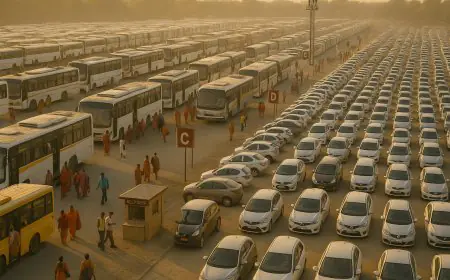
Entry routes guide pilgrims toward designated holding zones, while exit routes connect directly to transport hubs and bypass roads, reducing backtracking.
Emergency Vehicle Access and Safety Corridors
Emergency response is a non-negotiable component of Ujjain mela traffic control. New bridges and bypass corridors create uninterrupted paths for ambulances, fire services, and security vehicles.
These safety corridors remain functional even when pedestrian density is high, ensuring rapid response during medical or security situations.
Integration with Crowd Monitoring and Control Systems
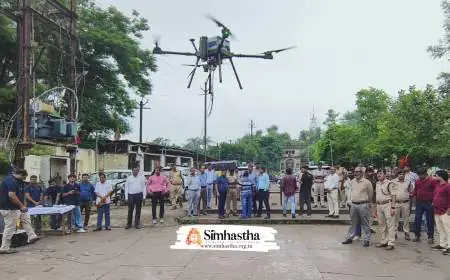
Infrastructure effectiveness increases when combined with monitoring. Simhastha 2028 road project planning integrates CCTV surveillance, traffic control rooms, and on-ground coordination teams.
Real-time monitoring allows traffic to be redirected dynamically, ensuring that bridges and bypasses do not become congestion points themselves.
Long-Term Benefits Beyond Simhastha 2028
The infrastructure created for Simhastha Ujjain infrastructure development is permanent. New bridges and bypass roads will improve daily commuting, emergency access, and city logistics long after the festival ends.
Simhastha thus acts as a catalyst for sustainable urban improvement rather than a temporary disruption.
Why Infrastructure Planning Determines Simhastha Success
Reactive traffic control cannot handle the scale of Simhastha. Infrastructure-led planning addresses congestion at its root.
By strengthening Ujjain ring road Simhastha connectivity and river crossings, planners ensure that movement remains structured, predictable, and safe.
How Ujjain’s Traffic Strategy Strengthens Pilgrim Experience
Smooth traffic flow directly impacts pilgrim well-being. Reduced congestion lowers fatigue, confusion, and risk, allowing devotees to focus on spiritual participation.
Through systematic Simhastha 2028 traffic management, Ujjain aims to deliver an organized and dignified pilgrimage experience.
A City Prepared for Scale and Continuity
Simhastha 2028 is both a spiritual event and an urban test. With new bridges, bypass roads, and coordinated control systems, Ujjain demonstrates readiness for scale.
The city’s planning approach reflects a balance between tradition and modern infrastructure capability.
Frequently Asked Questions