



























Hidden Expenses in Ujjain Simhastha 2028 Costing
Discover the real hidden costs of Ujjain Simhastha 2028 beyond official budgets. From surge pricing to darshan queues, plan your pilgrimage with complete financial clarity.



The Real Price of "Free" Darshan: Queue Management and Puja Shortcuts
When you hear that Shahi Snan (royal bath) dates are free for all pilgrims, your heart feels light. But getting to that holy water is a journey paved with unexpected charges. The police barricades and crowd management systems create natural bottlenecks. Here is where the first hidden expense hits: instant darshan fees. While no official ticket exists, local agents and self-appointed guides materialize out of thin air offering to get you to the Ram Ghat or Shipra River in thirty minutes instead of eight hours. Their fee? Anywhere from ₹500 to ₹2,000 per person depending on how desperate you look.
Then come the puja shortcut fees. Once you finally reach the bathing area, multiple small pandits and seva volunteers will insist that a proper Simhastha snan requires specific rituals. They will hand you a coconut, some flowers, and a small brass pot. None of this is free. The coconut costs ₹100, the flower garland ₹150, and the pandit's "blessing fee" starts at ₹300. You can say no, of course. But in the chaos of thousands of devotees pushing forward, and the social pressure of being at the most sacred moment of your life, most people quietly pay. Multiply this by the number of holy bathing dates you plan to attend (typically 5 to 8 major days) and you are looking at an unplanned ₹2,000 to ₹5,000 per person just for "free" darshan.
Accommodation Ghost Pricing: What You See vs. What You Pay
Let us talk about tent city bookings. The official Madhya Pradesh Tourism website will show you neat packages starting at ₹3,500 per night for a basic tent with cots and shared bathrooms. What they do not tell you is that this price is for bookings made 18 months before the event. As the Simhastha dates get closer, the same tent jumps to ₹8,000 per night. And here is the real killer: mandatory service fees of 18% to 25% that show up only at checkout. They call it "festival surcharge," "security deposit," or "tent maintenance fee." One family we spoke to from the 2016 Simhastha paid ₹4,500 per night advertised but ended up with a final bill of ₹7,200 per night after all hidden additions.
Then there is the homestay and private room trap. Local residents vacate their houses and rent them out. A simple room with a double bed and a fan might be quoted at ₹2,000 per night over WhatsApp. When you arrive, the owner says the quote was "per person" not per room. Or they demand an extra ₹1,000 per day for electricity because "load shedding and generator backup costs extra." Your polite argument goes nowhere because fifty other pilgrims are waiting behind you for that same room. You pay.
Trending Guides Now

Ujjain Simhastha 7 Day Itinerary for Families

2 Days Ujjain Wheelchair Travel Plan Senior Guide

Ujjain Temple Tour by Auto, Taxi or Walking: Best Choice

Ujjain Family Trip Guide: Temples, Hotels and Travel Tips

Ujjain Railway Station to Mahakaleshwar Temple Distance (2026 Guide)

Ujjain Simhastha 2028 Dates Announced: Full Shahi Snan & Event Timeline
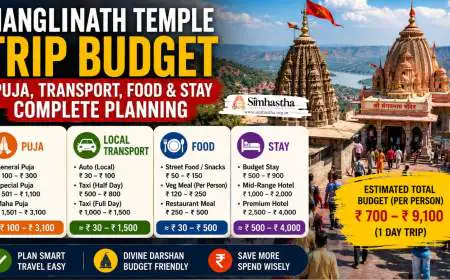
Mangalnath Temple Trip Budget: Puja, Local Transport, Food and Stay Planning

Omkareshwar Trip Budget Guide: Transport, Stay, Food and Local Travel Costs
Transport Surge Pricing That Defies Logic
Getting to Ujjain during Simhastha is an exercise in financial surrender. Train tickets on the official IRCTC website vanish within minutes of release. The alternative is Tatkal which already costs double. But most pilgrims end up booking through agents who charge a "service fee" of ₹500 to ₹1,500 per ticket on top of the inflated Tatkal rate. Some agents even sell waiting list tickets as confirmed, leaving you to bribe the TTE (traveling ticket examiner) onboard for an extra ₹1,000 to ₹2,000 to avoid being removed at the next station.
Once inside Ujjain city, forget everything you know about normal auto rickshaw or cab fares. The meter system stops existing during Mela days. A trip that normally costs ₹50 will be quoted at ₹500. When you try to negotiate, the driver simply drives away to find the next pilgrim. The shared auto and tempo traveller services run on a "per person per bag" pricing model. Your ₹20 fare becomes ₹100 because you have a suitcase, then another ₹50 because your suitcase is "heavy," then another ₹50 because you want to sit instead of stand. By the time you reach your tent from the railway station, you have spent ₹400 instead of ₹50.
Food and Water: The Silent Daily Drain
Prasad and langar (community kitchens) are available at many ashrams and temples. But relying entirely on free food is unrealistic for a stay of 7 to 15 days. The street food stalls that operate year-round in Ujjain transform during Simhastha. A ₹10 cup of chai becomes ₹40. A ₹30 plate of poha becomes ₹120. The vendors will show you a laminated price list that conveniently has no MRP (maximum retail price) printed. You ask why the price is four times higher. They smile and point to the crowd, saying "Mela price, bhaiya."
Bottled water is another shock. A normal ₹20 one-liter bottle sells for ₹60 to ₹100. The local municipal water supply at public taps is free, but the queues are two hours long in the sun. Private water tankers roam the tent areas selling 20-liter jars for ₹150 instead of the usual ₹40. And because the Shipra River water is not potable for drinking, you have no choice but to pay.
Mobile Connectivity and Digital Expenses
In 2028, you will need your phone for maps, UPI payments, train tickets, and staying in touch with family. But mobile network towers get overloaded within hours of a major snan day. The hidden expense here is portable WiFi hotspots and local SIM cards with "priority data" that street vendors sell for inflated prices. A local SIM that normally costs ₹299 with 28 days validity will be sold for ₹1,500 with only 7 days validity. The vendor knows your home SIM will have zero signal during peak hours.
Power banks are essential because charging points in tents are scarce. A decent 10,000 mAh power bank that costs ₹800 online will be sold at Mela shops for ₹2,500. And if your power bank runs out, mobile charging stalls charge ₹50 per 30 minutes of charging. For a family of four with two phones each, that is ₹200 per hour of charging.

Health and Hygiene Premiums
Public toilets are announced as free by the government. But maintaining them during Simhastha is a nightmare. The hidden expense is pay-and-use premium toilets set up by private operators. These cost ₹50 to ₹100 per use. For a family staying 10 days, with each person using the toilet 3 times daily, that is ₹6,000 to ₹12,000 just for using a cleaner toilet. The "free" government toilets become unusable within hours of opening due to lack of water and cleaning staff.
Medical emergencies have their own hidden premium. While free health camps exist, getting basic medicines from private pharmacies during night hours costs 3x to 5x the normal price. A strip of paracetamol that costs ₹20 normally will be ₹100. ORS packets go from ₹5 to ₹30. Doctors who make house calls to your tent charge ₹1,000 just for the visit, not including medicine. And if you need to visit a private hospital, many increase their consultation fees during Mela period by 100% to 200%.
Luggage Storage and Security Fees
You arrive in Ujjain and cannot carry your heavy bags to the ghat for bathing. The cloakrooms at railway stations fill up by 6 AM every day. The alternative is private luggage storage shops near the station. They charge ₹200 per bag per day for a small suitcase and ₹400 for a large trolley. For a family with 4 bags, staying 10 days, that is ₹8,000 to ₹16,000 just to store your luggage.
Then there is security for valuables. Your tent has a simple lock at best. For real safety, you need a private locker service offered by some tent operators. This hidden fee ranges from ₹300 to ₹500 per day for a small locker big enough for passports, cash, and jewelry. Over a two-week stay, that adds another ₹4,000 to ₹7,000.
Photography and Videography Charges
You want to capture memories of your Simhastha pilgrimage. But many akharas (monasteries) and sadhus now charge for photography. A simple photo of a Naga sadhu covered in ash costs ₹100. A video of the Shahi Snan procession from a good spot? The local person who "reserved" that spot for you will demand ₹500. Professional photographers with zoom lenses set up tripods at prime locations and charge ₹300 per photo printed on the spot. Drone photography is banned officially, but if you want a drone shot of the entire Shipra River filled with devotees, underground operators charge ₹5,000 for a 2-minute clip.
Unofficial Donations and Seva Fees
This is the most frustrating category because it masquerades as spirituality. Every temple, every ashram, and every sadhu you meet during Simhastha will request a donation. Not request - insist. At the Mahakaleshwar Temple, the queue for Bhasma Aarti is 12 hours long unless you pay the "special entry donation" of ₹1,500 per person. At the Harsiddhi Temple, the priest will not let you touch the idol unless you put a minimum ₹500 in the donation box in front of him while he watches.
Seva organizations that offer free food or water will have a volunteer standing next to the distribution point with a donation box, staring at you until you put money in. The amount is not specified, but the social pressure is immense. Budget at least ₹200 to ₹500 per day for these "voluntary" donations that feel mandatory.
Seasonal Weather Expenses
Ujjain in 2028 will have its weather patterns. Simhastha typically falls in April-May or June-July depending on the planetary alignment. If it is the summer Mela, expect heatwave conditions with temperatures hitting 45°C. You will need to buy portable fans, cooling sprays, wet wipes, and sunscreen at Mela-inflated prices. A simple handheld battery fan that costs ₹150 online will be ₹800. A tube of sunscreen will be ₹600 instead of ₹250.
If the dates fall in monsoon, you face the rain gear premium. Ponchos, umbrellas, and waterproof phone pouches triple in price. The muddy paths between tents and ghats will force you to buy disposable shoe covers at ₹200 per pair, and you will need three or four pairs daily as they tear in the mud.
Last-Minute Exit Expenses
Leaving Ujjain after Simhastha is as expensive as arriving. Taxi to the airport (Devi Ahilya Bai Holkar Airport in Indore, 55 km away) normally costs ₹1,500. During Mela exit days, drivers demand ₹5,000 to ₹7,000. The railway station is so crowded that porters who carry your luggage to the platform charge ₹500 per bag, up from the official ₹50 per bag rate. If you miss your train due to crowd mismanagement, rebooking at the reservation counter involves paying a "tatkal premium" again plus "agent assistance fees" of ₹1,000.
And the final hidden expense? The stress spending of buying overpriced tea, snacks, and phone charging just to keep your sanity while waiting for your exit transport. Most pilgrims report spending an extra ₹2,000 to ₹3,000 on the last day alone, simply because they are exhausted and will pay anything to leave.
Building Your Realistic Simhastha 2028 Budget
Now that you know the hidden expenses, here is how to build a budget that reflects reality. Start with the official costs you already know: travel to Ujjain, registered tent booking, food, and local transport. Then add 40% to 60% on top of that number as your hidden expenses buffer. For a family of four planning a 10-day stay, if your official budget is ₹1,00,000, keep an additional ₹50,000 as emergency Mela funds in cash, not card. UPI works but network failures are common. Cash is king during Simhastha.
Book everything as early as humanly possible. The difference between booking 18 months ahead versus 6 months ahead is 300% to 500% in some categories. Connect with local contacts in Ujjain now - friends, relatives, or trusted temple volunteers who can give you ground-level pricing before you arrive. And most importantly, expect to be surprised. The pilgrimage is sacred, but the marketplace around it is brutally capitalistic. Enter with your heart open to Lord Mahakal, but keep your wallet in a zipped inner pocket with a backup stash hidden in your luggage.
The Silent Truth No Brochure Will Print
Simhastha 2028 will be a life-changing spiritual event. The collective energy of millions of devotees, the sight of Naga sadhus emerging from the holy waters, the sound of mantras rising from every corner of the city - these moments are priceless. But priceless does not mean costless. The hidden expenses exist not because of any single villain, but because supply and demand becomes ruthless when 5 crore pilgrims descend upon a city built for 5 lakh residents. Every vendor, every auto driver, every tent operator is trying to make a year's income in two months. You cannot change this reality. But you can prepare for it. Budget double what any official source tells you. Keep cash in small denominations - ₹100, ₹200, ₹500 notes are your best friends. Leave your pride about negotiating at the station door. And accept that some expenses will simply happen, no matter how smart you are. Plan for them, and your Ujjain Simhastha will remain a blessed memory rather than a financial trauma.
Frequently Asked Questions