















Medical Infrastructure Expansion Planned for Simhastha 2028
Explore the massive medical infrastructure expansion planned for Simhastha 2028. From a four-tier hospital network and 500 ambulances to telemedicine hubs, river rescue, and epidemic surveillance, discover the sacred safety net for 10 crore pilgrims.


The Four-Tier Medical Fortress and the Sanctity of Every Breath
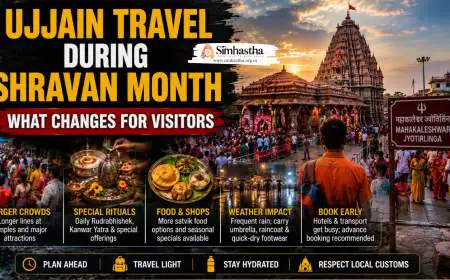
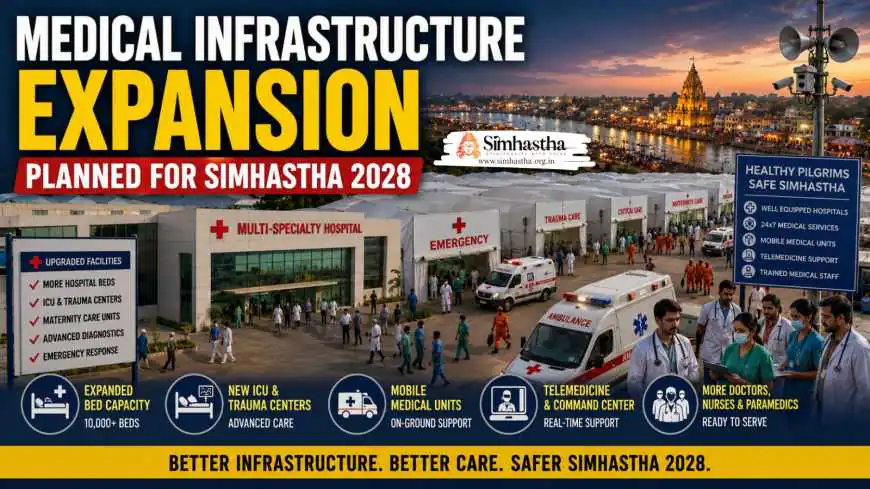
The healthcare plan for Simhastha 2028 is not a patchwork of temporary tents staffed by a few overworked doctors. It is a four-tier integrated medical system that has been designed, in consultation with AIIMS Bhopal, the World Health Organization's mass gathering advisory group, and the disaster management cells of the state and central governments, to provide a seamless, escalating response to any medical need, from a simple blister to a life-threatening cardiac arrest. The principle is simple, profound, and non-negotiable: no pilgrim, regardless of their wealth, their location, or the severity of their condition, will be beyond the reach of competent, compassionate, and completely free medical care. The first tier, the vast, dense grid of 120 first-aid posts, will be the frontline, the listening posts of the body, positioned at every major ghat, every temple queue, every akhara camp, and every large congregation point. Each post will be staffed by a trained paramedic and equipped with essential emergency medicines, oral rehydration salts, basic diagnostic tools, and a direct communication link to the central command. The second tier, the 48 mini-hospitals, will be the workhorses of the system, each with 30 to 50 observation beds, a small operating theatre for minor surgical emergencies, a labour room to handle the inevitable births that occur during such a massive gathering, and a well-stocked pharmacy. The third tier, the six large sector hospitals, will be positioned on the periphery of the Mela grounds and at key entry points, each with 100 to 200 beds, a fully functional intensive care unit, specialist doctors in cardiology, orthopaedics, neurology, and infectious diseases, and advanced diagnostic facilities including X-ray, ultrasound, and pathology labs. The apex of the pyramid, the fourth tier, is the integration and upgradation of the existing Ujjain District Hospital and the Maharaja Yeshwantrao Hospital in Indore as tertiary referral centres, equipped to handle the most complex, multi-trauma, and critical cases, with the capability for rapid air ambulance evacuation. This is the medical fortress of the Kumbh, a silent, powerful, and profoundly reassuring promise that the breath of every pilgrim, rich or poor, young or old, is held sacred. 🚑
The Digital Lifeline and the Telemedicine Revolution
The most revolutionary, and in many ways the most emotionally resonant, component of the Simhastha 2028 medical plan is the deployment of a comprehensive, real-time telemedicine network. A paramedic at a remote first-aid post, perhaps a young man or woman from a nearby village who has been intensively trained for this very moment, will be able, with a single tap on a ruggedized tablet, to initiate a live, high-definition video consultation with a senior specialist sitting in Bhopal, Delhi, or even, if necessary, a super-specialist in Mumbai or Chennai. This is not a futuristic fantasy; it is a fully operational, tested, and integrated system that collapses the vast geographical distances of the Mela into a single, seamless, and deeply compassionate digital connection. A pilgrim presenting with a complex, unfamiliar fever will not have to be transported, in a stressful and potentially dangerous journey, through the dense, gridlocked crowds to a distant hospital. The specialist can see the patient, review their vital signs which are being transmitted in real-time, speak directly to the paramedic, and guide the immediate, life-saving intervention. The system will be powered by the Integrated Command and Control Centre (ICCC) , which will also monitor the real-time status of every bed in every facility, the precise location of every ambulance, and the stock levels of every critical medicine. The digital lifeline ensures that the highest level of medical expertise is instantly available at the very first point of contact, a quiet, technological miracle of compassion that has the power to save countless lives. 📡
The River Guardians and the Rescue Boats of the Shipra
The sacred Shipra, the liquid heart of the Kumbh, is also the site of the greatest potential for sudden, acute, and terrifying danger. The immense, surging, and often uncontrollable crowds that enter the river during the Shahi Snan, combined with the deceptive, strong currents and the unpredictable, deep drop-offs near the ghats, create a constant, low-level risk of drowning. The medical infrastructure plan therefore extends, with a fierce, uncompromising focus, onto the water itself. A dedicated fleet of fast-response, inflatable rescue boats, manned by highly trained divers from the State Disaster Response Force (SDRF) and the National Disaster Response Force (NDRF) , will be stationed, engines idling, at every major bathing ghat. These boats are designed to be deployed in seconds, their powerful outboard motors allowing them to reach a struggling pilgrim anywhere in the bathing zone within under ninety seconds. The rescue divers are trained in swift-water rescue techniques, and the boats are equipped with life jackets, throw ropes, and, crucially, basic life-support equipment including oxygen and automated external defibrillators. On the ghats themselves, a network of elevated observation towers, staffed by trained spotters with high-powered binoculars and direct radio communication to the boat crews, will provide a continuous, unblinking watch over the bathers. The entire bathing zone is mapped into clearly defined sectors, each under the command of a designated water safety officer. The river rescue plan is a silent, ever-present guardian angel, a fleet of unseen protectors who ensure that the sacred, purifying waters of the Shipra, which grant liberation to the soul, never become a threat to the body. 🌊
The Ambulance Network and the Green Corridors of Life
The ability to move a critically ill or injured patient from the point of collapse to the nearest appropriate medical facility, through the dense, gridlocked, and often impassable crowds of the Mela, is the single greatest logistical challenge of the entire medical plan. The administration's answer is a massive, dedicated ambulance fleet of over 500 vehicles, a number that represents a nearly tenfold increase over the normal ambulance capacity of the Ujjain region. This fleet includes Advanced Cardiac Life Support (ACLS) ambulances, equipped with ventilators, defibrillators, and multi-parameter patient monitors, which are essentially mobile intensive care units. It includes Basic Life Support (BLS) ambulances for stable patient transport, and a fleet of agile, motorcycle-based First Response Units that can weave through the narrowest, most congested lanes to reach a patient within the critical first few minutes of an emergency. The entire ambulance fleet is GPS-tracked and managed in real-time from the ICCC, which can instantly identify the nearest available, appropriately equipped ambulance and dispatch it to the exact, geo-tagged location of the emergency. The most crucial, life-saving innovation is the creation of dedicated, traffic-free Green Corridors. These are pre-planned, barricaded, and strictly enforced emergency lanes that cut through the Mela grounds and the city, linking every ghat and every major congregation point directly to the sector hospitals. The moment an ambulance is dispatched, the ICCC alerts the traffic police, who dynamically clear the green corridor, ensuring that the vehicle can move, with lights flashing and sirens wailing, at unimpeded speed, turning what could be a two-hour crawl into a ten-minute, life-saving dash. 🚑
Trending Guides Now
Every Major Road Project Planned Before Simhastha 2028
Digital Command Centers Planned for Simhastha 2028
Street Lighting Projects Planned Before Simhastha 2028
How Public WiFi and Digital Services May Expand Before 2028

Ujjain Railway Station to Mahakaleshwar Temple Distance (2026 Guide)

Ujjain Simhastha 2028 Dates Announced: Full Shahi Snan & Event Timeline
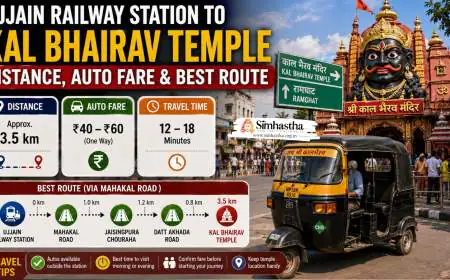
Ujjain Railway Station to Kal Bhairav Temple: Distance, Auto Fare and Best Route

Triveni Ghat Ujjain – Simhastha 2028 Complete Guide
The Pharmacy Grid and the Stockpile of Essential Medicines
The medical plan for the Simhastha includes a meticulously calculated and pre-positioned pharmacy grid that ensures that no life-saving drug is ever out of stock. A central, temperature-controlled medical warehouse, managed by the state's public health department, will hold a massive buffer stock of every essential medicine, including insulin, anti-epileptics, cardiovascular drugs, anti-venom for snake bites, broad-spectrum antibiotics, and, of course, vast quantities of oral rehydration salts and anti-diarrheal medications. This central stockpile will feed a network of pharmacies at every first-aid post, every mini-hospital, and every sector hospital. The inventory is managed by a real-time digital system that tracks consumption patterns and automatically triggers a replenishment order when stock levels at any location fall below a critical threshold. The system is also integrated with the epidemic surveillance network; a sudden, unexpected spike in the consumption of a particular category of drug in a specific sector would immediately alert the ICCC to a potential, developing disease outbreak, allowing the public health team to intervene before it spreads. The pharmacy grid is the quiet, unseen, and profoundly essential backbone of the entire medical operation, the guarantee that the right medicine, in the right dose, will be available at the right place, at the right time. 💊
The Volunteer Army and the Community First Responders
The most sophisticated technology and the most highly trained medical professionals are force-multiplied by the largest, most dedicated, and most deeply compassionate volunteer medical force ever assembled for an Indian event. Tens of thousands of civilian volunteers, drawn from the National Service Scheme (NSS) , the National Cadet Corps (NCC) , the Bharat Scouts and Guides , the St. John Ambulance Brigade , and a vast, decentralized network of local religious and social organizations, will form the grassroots, human fabric of the medical response system. These volunteers undergo an intensive, multi-week training programme in the months leading up to the Mela, learning essential first aid, cardiopulmonary resuscitation (CPR), basic life support, the management of dehydration and heatstroke, and the specific, sensitive protocols for assisting lost, frightened, and disoriented children and the elderly. They are not merely unskilled helpers; they are trained Community First Responders, capable of being the critical, life-saving link between the moment of a medical crisis and the arrival of a professional paramedic or an ambulance. They are stationed at every first-aid post, at every Water ATM, at every major pedestrian intersection, and along every bathing ghat. They are the smiling, reassuring, and competent faces who will assist a dizzy pilgrim, who will hold the hand of a frightened child, and who will, in a thousand small, unseen, and heroic ways, be the beating, compassionate human heart of the Simhastha's medical shield. 🤝
The Epidemic Intelligence and the Shield Against the Invisible Enemy
The immense, dense concentration of humanity at the Kumbh, combined with the variable hygiene conditions and the physical stress of the pilgrimage, creates a uniquely fertile environment for the rapid spread of infectious diseases. The Simhastha 2028 medical plan therefore includes a sophisticated, proactive, and multi-layered epidemic surveillance and response system. A dedicated team of epidemiologists and public health specialists, working within the ICCC, will monitor a real-time stream of data from every first-aid post and every hospital, analyzing the reported symptoms for any unusual, clustering patterns that might indicate the early, silent stages of an outbreak. The system is integrated with the Integrated Disease Surveillance Programme (IDSP) of the central government, and it has the authority to trigger an immediate, pre-planned containment protocol, including the isolation of suspected cases, the rapid deployment of a specialized medical team to the affected sector, and the initiation of a targeted, mass-vaccination or prophylactic campaign if necessary. The sanitation grid, with its 2.5 lakh bio-digester toilets and its continuous, performance-linked cleaning, is the first, and most powerful, line of defense against the fecal-oral transmission of diseases like cholera and typhoid. The epidemic intelligence unit is the quiet, vigilant, and unseen sentinel that stands guard against the invisible enemy, ensuring that a localized cluster of fever never becomes a widespread, devastating outbreak. 🦠
The Spiritual Dimension of Medical Care and the Healing of Body and Soul
The medical infrastructure of the Simhastha is not merely a secular, clinical service; it is, in the deepest and most beautiful sense, a form of sacred worship. The doctors, the nurses, the paramedics, the ambulance drivers, and the volunteer first responders are not just providing a health service; they are performing a profound act of seva, selfless service, to the pilgrim and, through the pilgrim, to the Lord of Time himself. The medical posts are designed to be spaces of calm, dignity, and quiet reassurance, often with a small, sacred corner where a lamp burns and a simple image of a deity offers a silent, spiritual comfort that is as essential to healing as any medicine. The administration has ensured that the medical staff are trained not just in the technical aspects of emergency medicine, but in the specific, sensitive, and compassionate art of caring for a pilgrim, a person who has often undertaken a long, arduous, and deeply emotional journey, and whose physical ailment may be intertwined with a profound spiritual experience. The healing of the body and the comfort of the soul are seen as inseparable, and the entire, vast medical apparatus is infused with a quiet, profound, and deeply respectful ethos of sacred hospitality. 🙏
The Permanent Legacy and Ujjain's Post-Mela Healthcare Transformation
The massive, multi-crore investment in medical infrastructure for the Simhastha 2028 is not a temporary, disposable expenditure. The vast majority of the physical infrastructure—the sector hospitals, the upgraded district hospital, the telemedicine network, the ambulance fleet, and the trained medical personnel—is designed as a permanent, transformative legacy for the city of Ujjain and the surrounding Malwa region. The new hospitals and the enhanced capacity of the existing facilities will permanently elevate the standard of healthcare available to the local population, a population that has historically been underserved. The telemedicine network, initially deployed for the Mela, will become a permanent, functioning asset, connecting the rural health centres of the district to specialist care in the cities, a quiet, technological revolution in rural healthcare access. The army of trained volunteers, their newly acquired skills in first aid and emergency response, will remain within the community, a permanent, distributed, and highly capable disaster response resource. The Simhastha, in this profound and lasting sense, is the great, intense, and compressed catalyst that is allowing Ujjain to leapfrog a generation of healthcare development, leaving behind a permanent, tangible, and life-saving legacy that will serve the people of this sacred, ancient city for decades to come. 🔱

Frequently Asked Questions