
















How Sector-Based Crowd Flow Works in Simhastha: A Simple Guide for First-Time Visitors
First-time visitors often worry about crowds at Simhastha 2028. This simple guide explains how sector-based crowd flow works, why Ujjain is divided into zones, and how pilgrims can move safely, calmly, and efficiently during the mela.


How Sector-Based Crowd Flow Works in Simhastha: A Simple Guide for First-Time Visitors
For first-time visitors, the idea of attending Simhastha 2028 can feel overwhelming. Millions of pilgrims, vast ghats, long walking routes, and strict movement rules often raise one key concern: How will I move safely inside such a massive gathering?
The answer lies in sector-based crowd flow, a planning system that quietly governs every step of movement during Simhastha. Once you understand how it works, the mela becomes far less intimidating and surprisingly organized.
For Every pilgrims, understanding Simhastha 2028 dates and the official Shahi Snan timeline is essential before booking flights or accommodation, as these sacred dates are completely non-negotiable.
What Is Sector-Based Crowd Flow?
Sector-based crowd flow is a zonal movement system used to manage millions of pilgrims without chaos. Instead of allowing free movement everywhere, the entire Simhastha area is divided into clearly defined sectors, each with:
Trending Guides Now
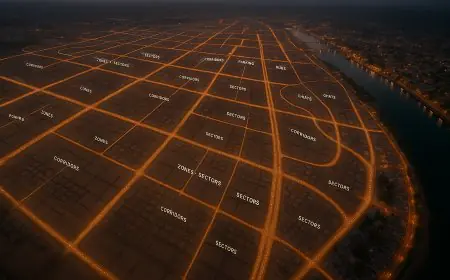
Expected Zones & Sectors of Simhastha 2028: A First Look at Ujjain’s Massive Layout
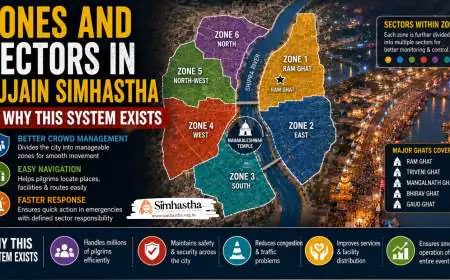
Zones And Sectors In Ujjain Simhastha & Why This System Exists

How Crowd Density Is Calculated During Simhastha 2028 ?

How Akhara Camps Are Allocated in Ujjain for Simhastha 2028

Ujjain Railway Station to Mahakaleshwar Temple Distance (2026 Guide)

Ujjain Simhastha 2028 Dates Announced: Full Shahi Snan & Event Timeline

Ujjain Simhastha Update: CM Mohan Yadav Reviews 2028 Works
Ujjain Railway Station to Kal Bhairav Temple: Distance, Auto Fare and Best Route
-
Entry and exit points
-
Walking corridors
-
Holding areas
-
Service zones
Every pilgrim’s movement follows a pre-planned directional path, reducing congestion and preventing dangerous cross-flows.
Why Simhastha Uses a Sector System
Simhastha is not a single ground. It spreads across:

-
River ghats
-
Temporary settlements
-
Roads, bridges, and open fields
Without zoning, random movement would lead to bottlenecks and stampede risk. Sector-based planning ensures:
-
One-directional walking routes
-
Controlled crowd density
-
Faster emergency response
-
Clear accountability for administration
This system has been refined over multiple Simhastha editions.
To deepen your understanding of the spiritual customs and sacred rituals practiced during Ujjain Simhastha, read our complete Simhastha rituals and sacred practices guide that explains their meaning, timing, and significance.
How the Simhastha Area Is Divided
The mela area is divided into numbered or named sectors, each functioning like a small, self-contained unit.
Each sector usually includes:
-
Accommodation clusters
-
Medical aid posts
-
Drinking water points
-
Toilets and rest zones
-
Volunteer help desks
Pilgrims are encouraged to stay and move primarily within their assigned sector.
Entry Into a Sector
When you arrive at Ujjain:
-
You are guided toward a specific sector based on arrival point
-
Volunteers and signage direct foot traffic
-
Barricades prevent random crossing
This initial guidance is critical. Once inside a sector, movement becomes smoother and less tiring.
Movement Between Sectors
Movement between sectors is restricted during peak hours, especially on Shahi Snan days.
Cross-sector movement is allowed:
-
During non-peak hours
-
Through designated corridors
-
With volunteer assistance
This prevents counter-flow, which is one of the biggest causes of crowd pressure.
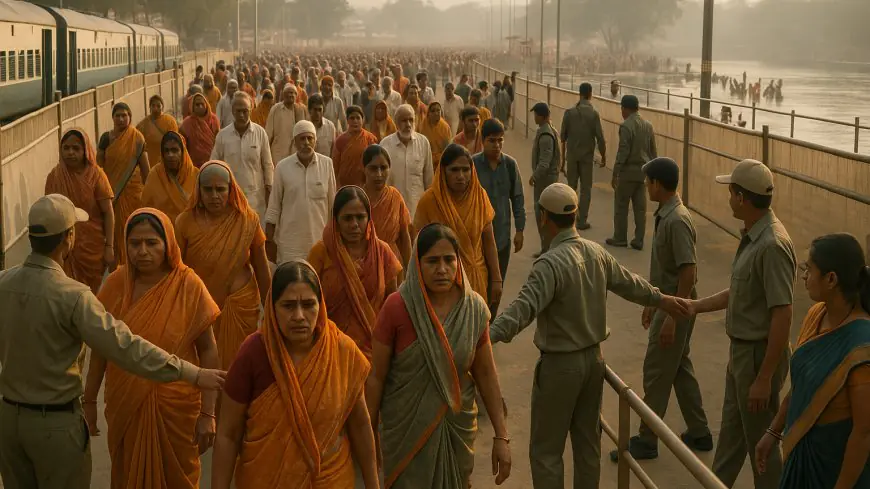
Walking Corridors: The Backbone of Crowd Flow
Walking corridors are:
-
Barricaded lanes
-
One-directional wherever possible
-
Sized based on expected footfall
They ensure:
-
Continuous movement
-
No sudden stops
-
Reduced panic situations
First-time visitors often mistake barricades as restrictions. In reality, they are protective guides.
first time Simhastha guide is essential because without contextual understanding, pilgrims arrive prepared for devotion but unprepared for logistics, stamina, patience, and adaptability.
Holding Areas and Why They Matter
Holding areas are open spaces where pilgrims may be temporarily paused before moving ahead.
They are used to:
-
Regulate ghat capacity
-
Release crowds in phases
-
Prevent overloading of riverbanks
Waiting in a holding area is normal and intentional. It is not a delay caused by mismanagement.
Sector-Based Access to Ghats
Ghats are not open to everyone at once.
Instead:
-
Each sector is assigned specific ghat access windows
-
Entry is allowed in batches
-
Exit routes differ from entry routes
This loop system prevents head-on crowd collision.
Role of Volunteers in Sector Flow
Volunteers are trained to:
-
Answer navigation questions
-
Redirect lost pilgrims
-
Calm anxious visitors
-
Maintain walking discipline
For first-time visitors, volunteers are the most reliable source of guidance, even more than maps.
Also Read | Best Time to Visit Ujjain Simhastha 2028
Why You Should Not Break the Flow
Trying to:
-
Walk against direction
-
Jump barricades
-
Follow shortcuts
creates danger not only for you but for thousands around you.
The system works only when individual discipline supports collective safety.
Sector Flow During Shahi Snan Days
On Shahi Snan days:
-
Sector rules are strict
-
Movement windows are fixed
-
Waiting time increases
This is intentional. Shahi Snan days prioritize safety over speed.
Common Mistakes First-Time Visitors Make
-
Ignoring sector signs
-
Following crowds blindly
-
Rushing toward ghats
-
Separating from group members
Understanding sector flow eliminates most of these issues.
Tips for First-Time Visitors
-
Memorize your sector number or name
-
Carry minimal luggage
-
Follow volunteer instructions calmly
-
Expect waiting periods
-
Keep emergency contacts noted
Sector-based flow is designed to protect patience as much as people.
Also Read | Step-by-Step Guide to Shipra Snan at Ujjain Kumbh Mela
Why Sector Planning Makes Simhastha Safer Than It Looks
Despite its scale, Simhastha often operates more smoothly than smaller gatherings because:
-
Movement is planned, not reactive
-
Crowd density is monitored continuously
-
Decisions are made sector-wise, not globally
This modular approach is why large incidents are rare.
What Sector-Based Flow Teaches Us
Beyond logistics, sector-based crowd flow reflects a deeper value of Sanatan tradition:
-
Order before action
-
Discipline before freedom
-
Collective safety over individual urgency
When pilgrims align with the system, Simhastha becomes not chaotic, but deeply harmonious.
Also Read | Common Simhastha Mistakes Visitors Must Avoid
You May Also Like:
- How Sector-Based Crowd Flow Works in Simhastha: A Simple Guide for First-Time Visitors
- Why is Ujjain Kumbh Called Simhastha?
- Who Are the Naga Sadhus of Simhastha 2028? Discipline, Rituals & Mystical Identity Revealed
- The Untold Reason Naga Sadhus Lead the First Shahi Snan at Simhastha 2028
- Why is Kumbh Mela Celebrated? Origin Story, History & Spiritual Significance
- Top 10 Routes to Enter Ujjain During Simhastha 2028 Without Traffic Hassles
- How Ujjain’s New Parking Hubs Will Handle Millions During Simhastha 2028
- Expected Zones & Sectors of Simhastha 2028: A First Look at Ujjain’s Massive Layout
- inside Ujjain’s Mega Tent City: What Pilgrims Can Expect at Simhastha 2028
Frequently Asked Questions