

























Simhastha Kumbh Mela Explained for First-Time Visitors
Visiting Simhastha Kumbh Mela for the first time? This complete guide explains the holy snan, Akharas, rituals, travel planning, safety tips, Mahakaleshwar darshan, and what first-time visitors must know to experience Simhastha calmly and correctly.



Simhastha Kumbh Mela Explained for First-Time Visitors
Simhastha Kumbh Mela in Ujjain is a 12-yearly Hindu pilgrimage held on the banks of the Kshipra River, where millions of devotees, saints, and Akhara ascetics gather for holy bathing (Snan) and spiritual practices. Unlike other Kumbh Melas, Simhastha is uniquely timed based on a specific astrological alignment of Jupiter in Leo (Simha Rashi), giving it a distinct identity, ritual order, and spiritual rhythm. For first-time visitors, it is not just a festival but a deeply structured spiritual gathering rooted in tradition and discipline.
Understanding Simhastha Kumbh in Simple Words
For a first-time pilgrim, Simhastha Kumbh Mela can feel like stepping into a vast, living universe of faith. The scale is enormous, the energy is constant, and the movement of people never truly stops. But beneath this ocean of activity lies a clear and structured purpose that becomes easier to understand once you see how everything connects.
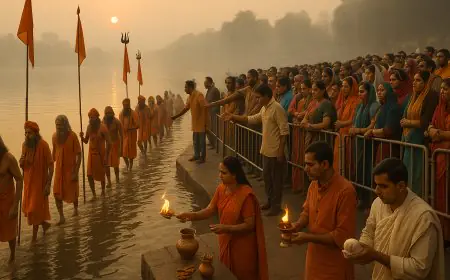
At its core, Simhastha in Ujjain is a sacred gathering where people come to take a holy dip in the Kshipra River, believed to cleanse past karmas and bring spiritual renewal. Yet, it is not just about bathing. It is about participating in a timeless tradition where saints, Naga sadhus, and Akhara orders come together, maintaining a ritual system that has continued for centuries.
Trending Guides Now
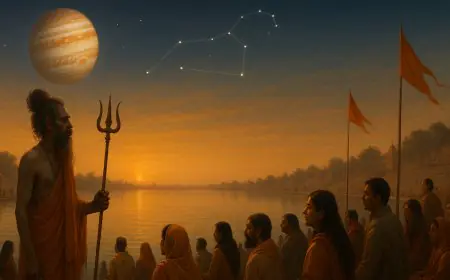
Why Simhastha Happens Only When Jupiter Enters Leo ?

How Simhastha 2028 Traffic Control Relies on Ring Roads and Bypass Corridors

Why Simhastha 2028 Planning Focuses on Movement Flow Over Monument Building

Difference Between Ujjain Kumbh, Prayagraj Kumbh, and Haridwar Kumbh

Ujjain Railway Station to Mahakaleshwar Temple Distance (2026 Guide)

Ujjain Simhastha 2028 Dates Announced: Full Shahi Snan & Event Timeline

Mahakaleshwar Sandhya Aarti Online Booking 2026: Fee, Timings, Entry Gate and Step-by-Step Process
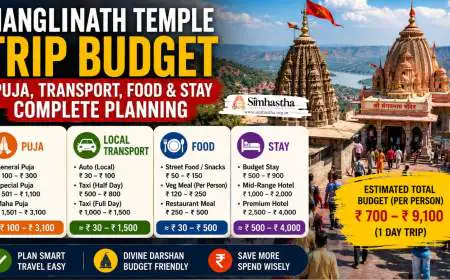
Mangalnath Temple Trip Budget: Puja, Local Transport, Food and Stay Planning
What makes Ujjain Simhastha different from other Kumbh Melas is its astrological timing. It is held only when Jupiter enters Leo (Simha Rashi), a rare alignment that gives the event its name and spiritual significance. This is why it does not follow the same schedule or structure as Prayagraj Kumbh or Haridwar Kumbh.
For first-time visitors, the most important mindset shift is this: Simhastha is not a tourist event, it is a disciplined spiritual system. Every major activity, from Shahi Snan processions to Akhara movements, follows a predefined order. The crowds may appear chaotic from the outside, but they move within a carefully managed flow shaped by tradition and administration.
If you understand this early, your experience changes completely. Instead of feeling overwhelmed, you begin to see patterns, routes, and rhythms. You realize that every step inside Simhastha 2028 is part of something much larger, a rare convergence of faith, astronomy, and ancient cultural continuity.
Many visitors hear the word Simhastha but do not know its deeper meaning. The history and significance of Simhastha explains how astrology, tradition, and time come together in Ujjain.
What Simhastha Kumbh Mela Is (Without Complexity)
In simple words, Simhastha Kumbh Mela is a time-bound spiritual gathering where millions of pilgrims come together for one main purpose:
➡️ To take a sacred and cleansing dip in the Kshipra River

Everything else—processions, Akharas, tents, crowds, temples—exists around this central act.
Unlike tourist festivals or annual fairs, Simhastha is not designed for convenience or comfort. It is designed for discipline, patience, and spiritual reset. This is why first-time visitors who arrive with tourist expectations often feel confused or frustrated.
Why Simhastha Is Held Only in Ujjain
The Simhastha Kumbh Mela is held only in Ujjain and nowhere else. This is not an administrative decision; it is a traditional and ritual one.
Ujjain holds a unique place in Hindu pilgrimage because of three reasons:
-
The Kshipra River, which is considered ritually suitable for mass purification
-
Mahakaleshwar Temple, one of the twelve Jyotirlingas of Lord Shiva
-
The long, uninterrupted tradition of ascetic gatherings in this region
Because of this combination, Ujjain Simhastha developed as a distinct pilgrimage, not a copy of other Kumbh Melas.
Ujjain Simhastha is the time-governed Kumbh gathering held only in the sacred city of Ujjain, defined by Jupiter’s entry into Leo and centuries of uninterrupted spiritual tradition. To understand why Simhastha happens only in Ujjain, how its timing is decided, and what gives it a distinct place within the Kumbh tradition, read this complete and authoritative guide to Ujjain Simhastha.
Why Simhastha Happens Once in 12 Years
The 12-year cycle is central to the identity of Simhastha Kumbh Mela. Unlike annual pilgrimages, Simhastha is deliberately rare.
This long gap exists because:
-
large-scale spiritual renewal is not meant to be frequent
-
discipline weakens if gatherings become routine
-
rarity preserves seriousness and meaning
For a first-time visitor, this means one important thing:
➡️ Simhastha is not something you can “do later” easily
Many pilgrims attend once in a lifetime.
For first-time visitors, knowing the confirmed schedule is essential before planning travel and accommodation. The official dates announced for Ujjain Ujjain Simhastha 2028 clearly define the start, peak bathing period, and closing timeline of the event, helping pilgrims align their visit with important ritual days.
What First-Time Visitors Usually Get Wrong
First-time pilgrims often misunderstand Simhastha in these ways:
-
expecting smooth movement like a temple visit
-
assuming accommodation can be booked last minute
-
thinking the Shahi Snan is the “best” day for comfort
-
underestimating walking distance and crowd density
The Simhastha experience improves dramatically when these assumptions are corrected early.
The Real Scale of Ujjain Simhastha (Important for First-Timers)
To understand Ujjain Simhastha, one must understand scale.
During Simhastha:
-
millions of pilgrims arrive over weeks
-
roads turn into walking corridors
-
vehicles are restricted far from ghats
-
temporary cities of tents appear and disappear
This scale is intentional. It forces pilgrims to slow down, adjust, and let go of control.
For first-time visitors, mental preparation is more important than physical preparation.
Simhastha Is a Pilgrimage, Not a Program
A critical mindset shift for first-time visitors:
➡️ Simhastha is not an event schedule you complete
➡️ It is a pilgrimage you surrender to
There will be delays.
There will be discomfort.
There will be confusion.
These are not failures of management. They are part of the pilgrimage environment.
Those who accept this have a meaningful experience. Those who resist it feel exhausted.
The Core Experience You Should Focus On
For first-time visitors, Simhastha should be approached with one clear priority:
➡️ Taking a sacred dip in the Kshipra River calmly and safely
Everything else—Akhara visits, temple darshan, processions—should be secondary.
Many first-time pilgrims try to “cover everything” and end up missing the depth of the experience.
For anyone attending for the first time, it helps to understand the foundation of the event. The complete guide to Ujjain Kumbh 2028 explains why this Simhastha is spiritually different from other Kumbh Melas.
Simple Summary for First-Time Visitors
In simple words:
-
Simhastha Kumbh Mela is a rare, disciplined pilgrimage
-
It happens only in Ujjain, once in 12 years
-
The holy dip in the Kshipra River is the heart of the journey
-
Comfort is limited; meaning is deep
-
Preparation and patience decide the quality of experience
Why Simhastha Is Held in Ujjain Only
For a first-time visitor, one of the most confusing questions is simple:
Why does Simhastha Kumbh Mela happen only in Ujjain?
Unlike other pilgrimages that rotate or expand to multiple cities, Simhastha Kumbh Mela is strictly location-specific. It cannot be shifted, replicated, or hosted elsewhere. Understanding this helps first-time visitors appreciate why planning, discipline, and patience matter so much at Ujjain Simhastha.
Understanding why this festival is rooted in one specific place gives unmatched depth to your pilgrimage planning. The scriptural and astronomical reasons why Simhastha can only happen in Ujjain explain the cosmic and cultural factors that fix Simhastha’s existence to this ancient city and nowhere else.
Ujjain Is Not Just a Host City
Ujjain is not a venue chosen for convenience. It is the spiritual reason Simhastha exists.
The city of Ujjain has been a sacred settlement for thousands of years. It developed as a centre of:
-
spiritual learning
-
ascetic discipline
-
time awareness
-
ritual continuity
Because of this, Simhastha Kumbh Mela evolved around Ujjain, not the other way around.
The Role of the Kshipra River
The Kshipra River is central to Simhastha Kumbh Mela.
For first-time visitors, it is important to understand that:
-
Simhastha is not about sightseeing
-
it is not about river size or speed
-
it is about ritual suitability
The Kshipra River is considered ideal for:
-
mass ritual bathing
-
controlled flow near ghats
-
safe early-morning dips
This is why the holy snan in the Kshipra River is considered the main and unforgettable experience of Simhastha.
For many pilgrims the physical setting of Simhastha deepens the spiritual experience, and no element is more central than the river itself. The legends and sacred role of the Kshipra River in Ujjain Simhastha 2028 explain how this holy river is woven into rituals, beliefs, and the bathing traditions of the Ujjain festival.
Why the Holy Dip Is Central at Ujjain
In Ujjain Simhastha, the holy bath (snan) is not symbolic alone. It is the core act of participation.
For first-time visitors, this means:
-
you do not need to attend everything
-
you do not need to see every procession
-
you must focus on one calm, early-morning sacred dip
The ghats, especially Ram Ghat, are prepared specifically for this purpose.
This is why Simhastha cannot be moved to another city with a different river.
Connection With Mahakaleshwar Temple
Another reason Simhastha Kumbh Mela belongs only to Ujjain is the presence of Mahakaleshwar Temple.
Mahakaleshwar is one of the twelve Jyotirlingas of Lord Shiva and represents:
-
time
-
dissolution
-
renewal
Simhastha brings together:
-
river purification through snan
-
spiritual grounding through Mahakaleshwar darshan
This combination exists only in Ujjain, making the city irreplaceable for Simhastha.
Why Simhastha Is Different From Other Kumbh Melas
First-time visitors often assume all Kumbh Melas are the same. This is incorrect.
Simhastha Kumbh Mela is different because:
-
it is deeply linked to Ujjain’s identity
-
it has stricter location discipline
-
it revolves around a smaller, more controlled river
-
it integrates temple worship more closely
This makes Ujjain Simhastha more intimate, disciplined, and spiritually focused compared to other Kumbh gatherings.
Why Simhastha Cannot Be Replicated Elsewhere
From a first-time visitor’s perspective, this is important:
Simhastha is not transferable.
It depends on:
-
the Kshipra River
-
the ghats built over centuries
-
ascetic settlement patterns
-
ritual continuity
If any one of these elements is missing, Simhastha loses its meaning.
What This Means for First-Time Visitors
In simple words:
-
Simhastha Kumbh Mela happens only in Ujjain
-
The Kshipra River is the spiritual centre
-
The holy dip is the main goal
-
Mahakaleshwar Temple completes the pilgrimage
-
Planning is not optional—it is essential
Understanding this early prevents frustration later.
Who Should Attend Simhastha (And Who Should Not)
For first-time visitors, one of the most important decisions is not when to visit Simhastha Kumbh Mela, but whether they should attend at all in its full form.
Simhastha is spiritually powerful, but it is also physically and mentally demanding. Understanding who Simhastha is suitable for helps first-time visitors avoid regret, stress, or health risks.
Many first-time visitors arrive with excitement but without knowing what to realistically expect on the ground. The seven things first-time Simhastha pilgrims should know share practical tips and lesser-told realities to help you prepare mentally, physically, and spiritually before you arrive in Ujjain.
Who Simhastha Is Ideal For
The Simhastha Kumbh Mela is best suited for first-time visitors who:
-
are comfortable with large crowds
-
can walk long distances daily
-
can stand for extended periods
-
are mentally prepared for waiting and uncertainty
-
value spiritual experience over comfort
For such visitors, Simhastha becomes deeply meaningful rather than exhausting.
First-Time Pilgrims Who Benefit the Most
Simhastha is especially meaningful for:
-
first-time pilgrims seeking spiritual reset
-
devotees of Lord Shiva planning Mahakaleshwar darshan
-
individuals open to discipline and simplicity
-
seekers who understand that the holy dip is the core experience
These visitors often describe Simhastha as transformative, not because it is easy, but because it demands humility.
Who Should Be Cautious Before Attending
First-time visitors should reconsider or carefully plan if they:
-
struggle with crowded environments
-
require frequent medical assistance
-
expect strict schedules or comfort
-
find long walks physically difficult
-
get anxious when plans change suddenly
Simhastha does not follow personal timetables. It follows ritual flow and crowd dynamics.
Elderly Visitors: Important Considerations
For elderly first-time visitors:
-
Simhastha is spiritually suitable
-
but physically challenging
If attending:
-
avoid Shahi Snan days
-
prefer early morning snan on quieter days
-
stay close to accommodation zones
-
limit movement after bathing
Many elderly pilgrims choose to attend only for the holy dip and temple darshan, which is perfectly acceptable.
Children and Simhastha: Think Carefully
While children are not restricted, Simhastha is not child-friendly in the usual sense.
Challenges include:
-
long walking routes
-
crowd pressure
-
limited rest areas
-
heat and fatigue
For first-time visitors with small children, attending outside peak days or postponing the visit may lead to a better experience.
Families vs Solo First-Time Visitors
First-time visitors often ask whether Simhastha is better experienced alone or with family.
-
Solo visitors adapt more easily to movement changes
-
Families require stricter planning and patience
Neither is wrong, but expectations must match reality.
Traveling to Simhastha alone can be a deeply rewarding experience, but it also requires thoughtful planning to stay safe and comfortable in the crowds. The solo travel guide for Ujjain Simhastha 2028 in Ujjain offers practical tips on everything from accommodation choices to navigating the festival’s zones with confidence.
Pilgrims With Health Conditions
First-time visitors with:
-
heart conditions
-
respiratory issues
-
mobility limitations
should consult medical advice and:
-
avoid peak crowd days
-
plan shorter stays
-
stay near medical facilities
Simhastha offers spiritual gain, not physical risk.
Mental Readiness Matters More Than Physical Fitness
Many physically fit first-time visitors still struggle because they are mentally unprepared.
Simhastha demands:
-
patience
-
flexibility
-
acceptance of discomfort
Visitors who try to control the experience often feel frustrated. Those who surrender to the process feel calmer.
Simhastha Is Not a Test of Endurance
A common misconception is that Simhastha must be endured fully to be “valid.”
This is not true.
-
attending for fewer days is acceptable
-
focusing only on snan is sufficient
-
skipping crowded processions is wise
Spiritual value does not increase with suffering.
Simple Guidance for First-Time Visitors
In simple words:
-
Simhastha suits the patient and prepared
-
It challenges the rigid and comfort-oriented
-
Participation can be minimal yet meaningful
-
Planning and self-awareness matter more than enthusiasm
Simhastha for First-Time Visitors – Ground Reality Check
Crowds, Walking, Waiting & What No One Tells You
For many first-time visitors, the biggest shock at the Simhastha Kumbh Mela is not the crowd size—it is the way daily movement actually works. This section explains the real, on-ground experience so you can adjust expectations before you arrive at Ujjain.
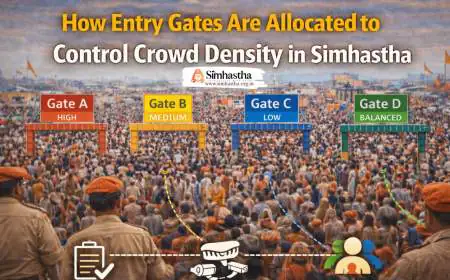
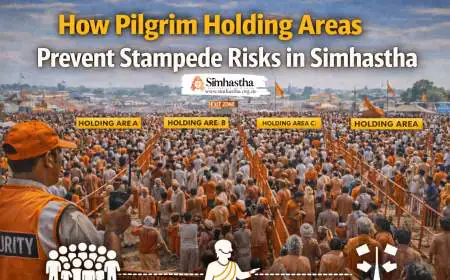
Crowd movement follows a strict system. The sector-based crowd management system explains how crores of pilgrims are regulated.
Crowds at Simhastha: What “Millions” Really Means
During Ujjain Simhastha, the word crowd does not mean congestion for a few hours. It means continuous human flow across days and weeks.
Expect:
-
dense movement near ghats
-
long queues that move slowly
-
controlled entry and exit corridors
-
sudden pauses due to safety regulation
This is normal. It is not mismanagement. It is scale management.
Managing huge crowds during Simhastha requires more than guesswork — it relies on careful planning and measurement. The method used to calculate crowd density during Ujjain Simhastha 2028 explains how officials estimate pilgrim flows, plan capacity, and ensure safer movement through key areas of the festival.
Walking Is the Primary Mode of Transport
First-time visitors often underestimate walking.
At Simhastha Kumbh Mela:
-
personal vehicles are restricted far from core areas
-
shuttle drop-off points require additional walking
-
ghats, camps, and temples are connected by long corridors
On average, first-time visitors walk several kilometres per day. Comfortable footwear is not optional.
Waiting Is Built Into the Experience
Waiting is unavoidable at Simhastha.
You will wait:
-
to enter ghat zones
-
to take the holy snan
-
to move between sections
-
for darshan during peak hours
This waiting is intentional. It prevents crowd surges and ensures safety.
Accepting waiting calmly improves the experience dramatically.
Early Mornings vs Daytime Reality
The best experience for first-time visitors happens early in the morning.
Early mornings offer:
-
lighter crowds
-
cooler temperatures
-
smoother movement
-
calmer atmosphere
Daytime brings:
-
heat
-
fatigue
-
heavier crowd pressure
This is why experienced pilgrims plan holy dips at dawn, especially at ghats like Ram Ghat along the Kshipra River.
Why Plans Change Frequently
First-time visitors often feel stressed when plans change suddenly.
At Simhastha Kumbh Mela, changes occur due to:
-
crowd redirection
-
weather conditions
-
safety advisories
-
ritual scheduling
Flexibility is not a suggestion—it is a requirement.
No “Cover Everything” Approach Works Here
Trying to:
-
attend all processions
-
visit every Akhara
-
take multiple snans
-
do temple darshan at peak hours
leads to exhaustion.
For first-time visitors, one calm holy dip and one planned temple visit are enough.
Depth matters more than coverage.
Food, Rest, and Hydration Reality
Facilities are available, but:
-
food queues may be long
-
seating is limited
-
rest areas fill quickly
Carry:
-
water
-
light snacks
-
minimal belongings
This small preparation prevents fatigue and frustration.
Access to clean food and drinking water is one of the biggest concerns for first-time visitors navigating the massive Simhastha tent cities. The guide to food and water facilities inside the Simhastha tent city explains how meals, hydration points, and essential services are organized to support pilgrims throughout the festival.
Mobile Connectivity and Coordination
Network congestion is common.
Do not rely solely on:
-
live navigation
-
constant phone calls
-
last-minute coordination
Set meeting points in advance if visiting with others.
Why Patience Changes Everything
First-time visitors who:
-
rush
-
argue with staff
-
push through crowds
have a difficult experience.
Those who:
-
slow down
-
follow instructions
-
accept delays
often describe Simhastha as calming and meaningful, despite the scale.
What No One Tells You About Simhastha
Simhastha is not designed to impress you.
It is designed to:
-
test patience
-
encourage humility
-
reduce control
Once first-time visitors stop resisting this reality, the experience becomes lighter.
Feeding millions of pilgrims at Simhastha involves a massive logistical effort that goes far beyond casual meal stalls. The tent city kitchens and food distribution system at Ujjain Simhastha 2028 explains how large-scale cooking, serving, and hygiene practices are coordinated to keep visitors nourished safely throughout the event.
The Heart of Simhastha – Holy Snan in the Kshipra River
Meaning, Best Ghats & First-Time Guidance
For a first-time visitor, it is essential to understand one clear truth about Simhastha Kumbh Mela:
➡️ The holy snan in the Kshipra River is the main, essential, and unforgettable experience of Simhastha.
Everything else—processions, Akharas, tents, temples—exists around this one act.
Beyond the famous holy dips, Simhastha is filled with spiritual customs that unfold throughout the day and night. The complete guide to Simhastha rituals and sacred practices in Ujjain walks you through the key ceremonies, their meanings, and how each contributes to the festival’s spiritual rhythm.
What the Holy Snan Truly Means (In Simple Words)
The holy bath (snan) at Simhastha Kumbh Mela is not about washing the body. It is about resetting intention.
In simple terms, the snan represents:
-
letting go of accumulated mental burden
-
beginning again with humility
-
aligning oneself with discipline
For first-time visitors, this means you do not need to “perform” anything.
You simply enter the river calmly and step out mindfully.
Why the Kshipra River Is Central to Simhastha
The Kshipra River is not chosen for size or power. It is chosen for ritual suitability.
For first-time visitors:
-
the river flow is gentle
-
entry and exit are controlled
-
early morning dips are safe
-
the atmosphere remains focused
This makes the Kshipra snan accessible even to those who have never attended a large pilgrimage before.
Best Ghats for First-Time Visitors
Not all ghats offer the same experience.
The most important and recommended ghat is:
Ram Ghat
Why Ram Ghat matters:
-
it is the primary Simhastha bathing ghat
-
it has the best crowd management
-
rituals are centred here
-
access routes are well regulated
For first-time visitors, Ram Ghat is the safest and most organised option.
Best Time to Take the Holy Dip
Timing matters more than enthusiasm.
For first-time visitors:
-
early morning hours are strongly recommended
-
crowds are lighter
-
movement is smoother
-
the atmosphere is calmer
Midday and afternoon snans are physically demanding and mentally tiring.
This is why experienced pilgrims plan snan before sunrise or just after dawn.
Shahi Snan vs Normal Snan (Important Clarification)
First-time visitors often assume Shahi Snan is mandatory.
It is not.
-
Shahi Snan days are the most crowded
-
they are led by Akhara processions
-
patience levels must be extremely high
For first-time visitors seeking a calmer experience, non-Shahi days are often better.
The spiritual value of the snan remains the same.
How to Prepare for the Holy Snan
Before going for the Simhastha holy bath:
-
carry minimal belongings
-
avoid valuables
-
wear simple clothing
-
keep footwear arrangements clear
There is no need for elaborate rituals unless personally desired.
What to Expect During the Snan
The experience follows a simple flow:
-
guided entry to the river
-
brief immersion or water offering
-
calm exit through designated routes
There is no rushing allowed, and pushing is discouraged.
For first-time visitors, following instructions calmly ensures safety and dignity.
Common Mistakes First-Time Visitors Make During Snan
Avoid these:
-
entering during peak crowd pressure
-
carrying bags into the water
-
rushing due to anxiety
-
trying to photograph the moment
The snan is short, quiet, and personal.
Shahi Snan follows strict hierarchy. The why Akharas lead the Shahi Snan article explains its spiritual discipline.
Why One Holy Dip Is Enough
A common misconception is that multiple dips increase spiritual benefit.
In reality:
-
one sincere snan is sufficient
-
repetition does not add value
-
calm presence matters more than count
First-time visitors should focus on quality, not quantity.
Shahi Snan Explained for First-Time Pilgrims
What It Is, Crowd Reality & Whether You Should Attend
For most first-time visitors, Shahi Snan is the most misunderstood part of the Simhastha Kumbh Mela. Many people arrive believing that Shahi Snan is the “main” or “only” meaningful bath. This assumption leads to stress, exhaustion, and disappointment.
Understanding what Shahi Snan truly is—and what it is not—helps first-time pilgrims make a better decision.
What Shahi Snan Actually Means
In simple words, Shahi Snan is a ceremonial bathing day led by ascetic orders.
On Shahi Snan days:
-
Akharas take a processional dip first
-
senior ascetics and Naga Sadhus lead the sequence
-
the event follows a strict ritual order
-
public bathing happens after or alongside controlled phases
Shahi Snan is primarily about ascetic discipline and ritual hierarchy, not individual convenience.
Why Shahi Snan Attracts Massive Crowds
Shahi Snan days draw:
-
the highest number of pilgrims
-
intense media coverage
-
large ceremonial processions
For first-time visitors, this means:
-
movement is slow
-
waiting time is long
-
walking distance increases
-
patience is constantly tested
Crowd density on Shahi Snan days is many times higher than normal days.
Shahi Snan Is Not Mandatory for First-Time Visitors
This is the most important clarification:
➡️ First-time pilgrims are NOT required to attend Shahi Snan.
The spiritual value of the holy snan does not increase simply because it is a Shahi Snan day.
A calm, early-morning snan on a regular day can be more meaningful for first-time visitors than a crowded Shahi Snan experience.
Who Should Consider Shahi Snan
Shahi Snan may be suitable for first-time visitors who:
-
are physically fit
-
have prior experience with massive crowds
-
want to witness Akhara processions
-
are mentally prepared for long waits
-
do not mind discomfort
For such visitors, Shahi Snan offers a powerful visual and ceremonial experience.
Who Should Avoid Shahi Snan
First-time visitors should avoid Shahi Snan if they:
-
feel anxious in dense crowds
-
are travelling with elderly people or children
-
have health concerns
-
want a peaceful spiritual experience
-
have limited time in Ujjain
Avoiding Shahi Snan is not a loss. It is often a wise choice.
Crowd Reality on Shahi Snan Days
On Shahi Snan days:
-
entry zones open very early
-
walking routes are extended
-
police instructions change frequently
-
exit routes may differ from entry routes
Once inside, changing plans becomes difficult.
First-time visitors must decide before leaving accommodation, not after reaching the ghats.
Timing Strategy If You Choose Shahi Snan
If a first-time visitor decides to attend Shahi Snan:
-
reach ghat zones well before dawn
-
carry minimal belongings
-
accept that waiting is unavoidable
-
follow instructions without argument
Late arrival almost always leads to frustration.
Spiritual Difference Between Shahi and Non-Shahi Snan
Spiritually speaking:
-
discipline matters more than crowd
-
intention matters more than ceremony
-
calm matters more than spectacle
Many experienced pilgrims quietly choose non-Shahi days for deeper focus.
Common Mistakes First-Time Visitors Make on Shahi Snan
Avoid these mistakes:
-
assuming Shahi Snan is compulsory
-
arriving without preparation
-
pushing to get closer to processions
-
ignoring crowd control instructions
-
overestimating physical stamina
Most negative Simhastha experiences happen on Shahi Snan days due to poor expectation management.
To understand why Kumbh Melas exist at all, it is useful to look back in time. The origin of the first Kumbh Mela(Simhastha) explains how ancient traditions shaped today’s Simhastha.
Shahi Snan as a Witnessing Experience
For first-time visitors, it helps to see Shahi Snan as something to witness, not something to conquer.
Watching Akhara processions from designated areas can be meaningful without entering peak crowd zones.
Simple Decision Guide for First-Time Visitors
Ask yourself:
-
Do I want peace or spectacle?
-
Can I wait without frustration?
-
Am I physically ready?
-
Is my goal the snan or the ceremony?
Your honest answers will guide the right choice.
Clear Takeaway on Shahi Snan
In simple words:
-
Shahi Snan is ceremonial
-
It is not compulsory
-
Crowds are extreme
-
Spiritual value remains the same
-
First-time visitors can safely skip it
Choosing calm over crowd often leads to a better Simhastha experience.
Best Time to Visit Simhastha For First Time Visitors
Choosing the Right Days Without Overcrowding
For first-time visitors, choosing when to attend the Simhastha Kumbh Mela matters as much as choosing where to stay. Many pilgrims assume that the busiest days are automatically the best days. In reality, the best time to visit Simhastha depends on your purpose, stamina, and expectations.
This section helps first-time visitors choose the right days and hours to experience Simhastha meaningfully—without unnecessary stress.
Choosing the right period to visit can make your pilgrimage more fulfilling and less stressful. The best time to visit Ujjain Simhastha 2028 in Ujjain explains seasonal patterns, crowd flow, and ideal windows to plan your arrival and holy bathing experience.
Understanding the Simhastha Timeframe
The Ujjain Simhastha runs for several weeks, not just a few days. This extended duration exists so pilgrims can:
-
spread out across time
-
avoid dangerous crowd concentration
-
choose calmer periods for the holy snan
For first-time visitors, this is a major advantage—if used wisely.
Why Peak Days Are Not Always the Best Days
Peak days at Simhastha Kumbh Mela include:
-
Shahi Snan days
-
weekends
-
public holidays
On these days:
-
crowd density increases sharply
-
walking distances grow longer
-
waiting times multiply
-
movement restrictions intensify
While these days offer spectacle, they reduce personal spiritual focus for first-time visitors.
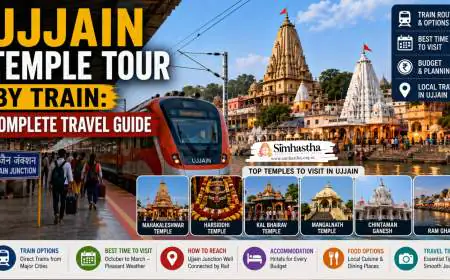
Railways remain the most reliable way to reach Ujjain. The how to reach Ujjain by train for Simhastha guide explains routes and peak-day planning.
The Best Days for First-Time Visitors
For most first-time pilgrims, the best days to visit Simhastha are:
-
non-Shahi Snan days
-
mid-week days
-
days without major processions
On these days:
-
ghats are more accessible
-
the Kshipra River snan feels calmer
-
instructions are easier to follow
-
fatigue is lower
Spiritual depth often increases when pressure decreases.
Best Time of Day to Visit the Ghats
Time of day makes a bigger difference than the calendar date.
For first-time visitors:
-
early morning (before sunrise to early dawn) is ideal
-
crowds are lighter
-
temperatures are comfortable
-
movement is smoother
Midday brings heat, fatigue, and congestion. Evening hours are better suited for aarti or observation, not snan.
Why Early Morning Matters So Much
The early morning hours align with:
-
traditional bathing discipline
-
administrative planning
-
natural crowd dispersal
This is why experienced pilgrims consistently choose dawn for the holy dip in the Kshipra River.
For first-time visitors, early morning snan reduces:
-
physical strain
-
emotional stress
-
risk of confusion
Weekdays vs Weekends
Another simple but effective rule:
-
Weekdays are calmer
-
Weekends are significantly busier
If your travel is flexible, arriving mid-week improves the experience dramatically.
How Long First-Time Visitors Should Stay
More days do not always mean a better experience.
For first-time visitors:
-
2 to 3 well-planned days are sufficient
-
one day for holy snan
-
one day for temple darshan
-
one buffer day for rest or flexibility
Longer stays increase fatigue without adding spiritual value unless you are experienced.
Avoiding the “Everything in One Day” Mistake
First-time visitors often try to:
-
take snan
-
attend processions
-
visit Akharas
-
do temple darshan
all in one day.
This approach leads to exhaustion.
Spacing activities across days improves clarity and calm.
Weather and Seasonal Considerations
Depending on the year:
-
mornings can be cool
-
afternoons may be hot
-
dust and dryness can occur
Choosing early hours protects health and stamina.
Carry simple layers and stay hydrated.
How to Decide Your Personal Best Time
Ask yourself:
-
Do I want calm or crowd energy?
-
Am I physically prepared for peak days?
-
Is my goal spiritual focus or visual spectacle?
Your honest answers determine your best time to visit Simhastha.
What Experienced Pilgrims Usually Do
Experienced pilgrims typically:
-
avoid peak Shahi Snan days
-
bathe at dawn
-
leave ghats before crowd builds
-
rest during midday
-
attend evening rituals calmly
First-time visitors can benefit greatly by following this pattern.
Clear Takeaway for First-Time Visitors
In simple words:
-
Non-Shahi days are best for calm
-
Early mornings are best for snan
-
Weekdays reduce pressure
-
Short, focused visits work best
Choosing the right time transforms Simhastha from overwhelming to meaningful.
Accommodation Planning for Simhastha
How First-Time Visitors Should Book and Where to Stay
For first-time visitors, accommodation planning for Simhastha Kumbh Mela is not a secondary task. It is the foundation of a smooth pilgrimage. Unlike regular pilgrimages, accommodation during Simhastha becomes scarce months in advance, and last-minute planning almost always leads to stress.
If there is one area where first-time visitors must plan early and carefully, it is where and how they will stay.
Why Accommodation Becomes Difficult During Simhastha
During Ujjain Simhastha, millions of pilgrims arrive over a short period. As a result:
-
hotels fill up months in advance
-
guesthouses reach capacity quickly
-
prices rise sharply closer to peak days
-
availability near ghats becomes extremely limited
This is normal and expected during Simhastha Kumbh Mela.
First-time visitors who wait too long often end up staying far away, increasing daily travel and fatigue.
Best Time to Book Accommodation
For first-time visitors, the safest rule is simple:
➡️ Book accommodation several months in advance
Early booking provides:
-
better location options
-
reasonable pricing
-
reduced daily travel stress
-
peace of mind
Waiting for “better deals later” almost never works during Simhastha.
Types of Accommodation Available During Simhastha
First-time visitors usually choose from four main options:
Government-Authorised Tents and Camps
Temporary Simhastha tent accommodations are set up specifically for pilgrims.
Pros:
-
close to Simhastha zones
-
basic but organised
-
designed for pilgrim movement
Cons:
-
limited comfort
-
shared facilities
-
high demand
For first-time visitors focused on spiritual purpose over comfort, this option works well.
Guesthouses and Dharamshalas
Many pilgrims prefer guesthouses and dharamshalas.
Pros:
-
budget-friendly
-
spiritually oriented environment
-
simple food availability
Cons:
-
limited rooms
-
basic amenities
-
booking requires advance coordination
These are suitable for first-time visitors who value simplicity.
Hotels in and Around Ujjain
Hotels offer:
-
higher comfort
-
private facilities
-
predictable services
However:
-
hotels close to Simhastha zones fill fastest
-
prices increase significantly
-
travel to ghats may still involve walking and shuttles
First-time visitors choosing hotels should plan extra travel time.
Staying Outside Core Simhastha Zones
Some first-time visitors stay in nearby areas.
This option:
-
may reduce accommodation cost
-
increases daily travel
-
requires early departure each day
For short visits, staying farther away can become physically exhausting.
Location Matters More Than Luxury
For Simhastha, location is more important than comfort.
First-time visitors benefit most from:
-
accommodation closer to walking routes
-
proximity to shuttle access points
-
easy early-morning movement
A comfortable hotel far away often creates more stress than a basic stay nearby.
How Distance Affects Your Experience
Long daily travel means:
-
waking up much earlier
-
increased walking after drop-off
-
fatigue before reaching ghats
-
higher stress on return
This directly affects your holy snan experience.
Common Accommodation Mistakes First-Time Visitors Make
Avoid these mistakes:
-
booking accommodation too late
-
choosing based only on price
-
ignoring distance from Simhastha zones
-
assuming taxis will reach ghats easily
-
underestimating early-morning travel time
These mistakes turn a spiritual journey into a tiring routine.
How Many Nights First-Time Visitors Should Book
For most first-time visitors:
-
2 to 3 nights are sufficient
-
allows one dedicated snan day
-
one temple visit day
-
one buffer day
Booking longer stays without experience often leads to fatigue.
Daily Routine Planning Around Accommodation
A good accommodation choice allows you to:
-
wake early without stress
-
reach ghats calmly
-
return for rest during midday
-
avoid late-night travel
This rhythm improves the overall Simhastha experience.
What to Carry at Your Stay
Keep belongings minimal:
-
essential clothing
-
water bottle
-
light snacks
-
necessary medicines
Avoid carrying valuables or unnecessary luggage.
Why Good Accommodation Planning Reduces Risk
Good planning:
-
reduces physical exhaustion
-
lowers chances of confusion
-
improves safety
-
keeps focus on pilgrimage, not logistics
First-time visitors who plan accommodation well consistently report calmer and more meaningful experiences.
Simple Accommodation Guidance for First-Time Visitors
In simple words:
-
book early
-
stay as close as possible
-
choose simplicity over luxury
-
plan mornings carefully
-
avoid last-minute changes
Accommodation planning is not about comfort—it is about energy management.
Transportation and Movement at Simhastha
Shuttles, Walking Routes & What First-Time Visitors Must Know
For first-time visitors, transportation during Simhastha Kumbh Mela is often misunderstood. Many pilgrims assume they can move around Ujjain like a normal city visit. This assumption causes stress.
During Ujjain Simhastha, movement is controlled, layered, and mostly on foot. Understanding this before arrival makes the experience smoother and safer.
Why Normal City Transport Does Not Work During Simhastha
During Simhastha Kumbh Mela:
-
large areas become pedestrian-only
-
private vehicles are restricted far from ghats
-
routes change daily based on crowd flow
-
access points are opened and closed dynamically
This is done to prevent overcrowding and accidents, not to inconvenience pilgrims.
Official Shuttle Services: Your Primary Transport
For first-time visitors, official shuttle services are the most reliable option.
These shuttles:
-
operate from parking zones and accommodation clusters
-
drop pilgrims at designated entry points
-
follow crowd-management protocols
-
reduce walking distance where possible
Shuttles do not take you directly to the ghats. Walking is always the final step.
Why Personal Vehicles Are Not Practical
First-time visitors should avoid using personal vehicles near Simhastha zones.
Reasons:
-
parking areas are far from ghats
-
access routes are frequently blocked
-
return timing is unpredictable
-
fatigue increases after long walks back
Using personal vehicles often increases stress instead of reducing it.
Walking Is Unavoidable – Plan for It
At Simhastha, walking is not a backup plan. It is the primary mode of movement.
Expect:
-
long, guided walking corridors
-
one-way movement systems
-
temporary bridges and paths
-
frequent stops for crowd regulation
Comfortable footwear and slow pacing are essential.
Understanding Entry and Exit Routes
First-time visitors must know:
-
entry and exit routes are often different
-
returning the same way may not be allowed
-
route changes are announced on the spot
Always follow signage and volunteer instructions. Trying to take shortcuts creates confusion and delays.
Timing Your Movement Matters
Movement becomes difficult during:
-
peak daytime hours
-
post-procession periods
-
late evening dispersals
For first-time visitors:
-
early morning movement is easiest
-
midday movement is slow
-
late-night returns are tiring
Plan ghats and temple visits accordingly.
Taxis and Auto-Rickshaws: Limited Usefulness
Local taxis and auto-rickshaws:
-
operate only up to restricted zones
-
may not be available during peak hours
-
cannot bypass barricades
They are useful only for reaching shuttle points or accommodation, not for ghat access.
Moving as a Group vs Moving Solo
First-time visitors travelling in groups should:
-
stay together
-
agree on meeting points
-
avoid splitting during movement
Solo visitors adapt faster but should still:
-
follow crowd flow
-
avoid isolated shortcuts
Most pilgrims stay inside temporary settlements. The life inside a Simhastha tent city explains what daily living actually looks like.
Movement Near Ghats
Near the ghats:
-
movement slows significantly
-
queues form naturally
-
pushing is discouraged
-
police instructions are strict
This is especially true near Ram Ghat and along the Kshipra River.
What to Carry While Moving
Carry only:
-
water bottle
-
essential medicines
-
minimal cash
-
phone with battery backup
Avoid:
-
backpacks
-
valuables
-
unnecessary items
Lighter movement reduces fatigue and risk.
Common Transportation Mistakes First-Time Visitors Make
Avoid these:
-
relying on personal vehicles
-
arriving late and rushing
-
arguing with staff about routes
-
expecting door-to-door transport
-
underestimating walking distance
Most transportation problems come from expectation mismatch, not system failure.
How Experienced Pilgrims Move During Simhastha
Experienced pilgrims:
-
wake very early
-
use shuttles patiently
-
walk calmly
-
return before peak dispersal
-
rest during midday
First-time visitors benefit greatly by copying this pattern.
Accommodation availability changes rapidly during peak days. The tent allocation system during Simhastha explains how priority is decided.
Why Following Instructions Improves Everything
Crowd management works only when pilgrims cooperate.
Following instructions:
-
shortens wait time
-
improves safety
-
reduces stress
-
protects everyone
At Simhastha Kumbh Mela, discipline is part of the pilgrimage.
Simple Transportation Summary for First-Time Visitors
In simple words:
-
shuttles + walking = normal
-
personal vehicles create problems
-
early movement is best
-
routes may change
-
light luggage helps
Accepting the movement system makes Simhastha manageable and calm.
Medical and emergency planning is critical at Simhastha scale. The emergency corridor planning inside Simhastha explains how quick response is ensured.
Safety, Hygiene & Health at Simhastha
Essential Rules First-Time Visitors Must Follow
For first-time visitors, the Simhastha Kumbh Mela is spiritually enriching but physically demanding. Large crowds, long walking distances, weather exposure, and limited rest make safety and hygiene awareness essential, not optional.
This section explains how to stay safe, healthy, and calm throughout your Simhastha visit.
Personal Safety in Large Crowds
At Simhastha Kumbh Mela, crowd safety depends on collective discipline.
First-time visitors should:
-
move with the crowd, not against it
-
avoid sudden stops in narrow paths
-
never push or rush
-
follow police and volunteer instructions immediately
Crowd flow is managed carefully. Trust the system.
Why Staying Calm Is a Safety Measure
Panic increases risk.
First-time visitors who:
-
remain calm
-
walk slowly
-
wait patiently
face fewer safety issues than those who rush.
Simhastha rewards composure, not speed.
Health Preparation Before Arrival
Before attending Ujjain Simhastha, first-time visitors should:
-
consult a doctor if they have chronic conditions
-
carry prescribed medicines
-
ensure adequate hydration
-
pack light, breathable clothing
Good preparation prevents avoidable health issues.
Hydration and Heat Management
Walking and waiting lead to dehydration.
Important rules:
-
drink water regularly
-
avoid skipping meals
-
protect yourself from sun exposure
-
rest during peak heat hours
Early morning activities reduce heat stress significantly.
Hygiene Practices That Matter
Maintaining hygiene at Simhastha requires awareness.
First-time visitors should:
-
use designated toilets only
-
wash hands before meals
-
avoid open food stalls during peak hours
-
carry basic hygiene supplies
These simple habits prevent illness.
Food Safety at Simhastha
Food is widely available, but not all options are equal.
Safer choices:
-
freshly prepared meals
-
simple vegetarian food
-
food provided by organised camps
Avoid:
-
uncovered snacks
-
food stored for long periods
-
overeating before walking
Eating lightly improves stamina.
Emergency Contacts and Assistance
First-time visitors must:
-
note emergency helpline numbers
-
identify nearest medical camps
-
carry identification
Medical facilities are available, but knowing where to go saves time.
Protecting Valuables
Avoid carrying:
-
jewellery
-
large sums of cash
-
unnecessary electronics
Carry only:
-
essential cash
-
ID
-
phone
Use secure pockets and stay alert.
Children and Elderly Safety
For families:
-
avoid peak crowd days
-
stay together at all times
-
set meeting points in advance
-
prioritise rest over activities
For elderly visitors:
-
limit walking
-
avoid prolonged standing
-
stay near accommodation
Safety always comes before completion.
Managing Fatigue
Fatigue increases risk.
To manage energy:
-
take breaks
-
return to accommodation during midday
-
avoid late-night movement
-
listen to your body
Rest is part of pilgrimage discipline.
Illness or Discomfort During Simhastha
If you feel unwell:
-
stop activities
-
seek medical help early
-
do not push through discomfort
There is no spiritual benefit in ignoring health.
Why Hygiene Is a Collective Responsibility
Hygiene at Simhastha Kumbh Mela works only when everyone participates.
Following rules:
-
protects you
-
protects others
-
maintains order
Respect for space and cleanliness is part of spiritual discipline.
Mental Well-Being Matters Too
Overcrowding can cause stress.
First-time visitors should:
-
limit daily activities
-
avoid overstimulation
-
focus on one purpose at a time
Mental calm enhances spiritual clarity.
Simple Safety & Health Summary for First-Time Visitors
In simple words:
-
stay calm
-
hydrate regularly
-
eat simple food
-
carry medicines
-
avoid valuables
-
rest often
Safety and hygiene allow you to focus on the spiritual experience, not emergencies.
Understanding Akharas at Simhastha
Who They Are and What First-Time Visitors Should Know
For many first-time visitors, Akharas are the most visually striking and least understood part of the Simhastha Kumbh Mela. Seeing ash-covered sadhus, large processions, strict discipline, and ceremonial order often raises curiosity—and sometimes misunderstanding.
This section explains who the Akharas are, why they matter, and how first-time visitors should approach them.
Preparation begins long before pilgrims arrive. The how Akharas prepare months before Simhastha explains behind-the-scenes discipline.
What Akharas Are (In Simple Words)
In simple terms, Akharas are organised monastic orders of Hindu ascetics.
They exist to:
-
preserve spiritual discipline
-
train ascetics
-
protect ritual continuity
-
maintain order during large pilgrimages
Akharas are not social groups, not tourist attractions, and not performance units. They are spiritual institutions with centuries of discipline behind them.
Why Akharas Are Central to Simhastha
At Simhastha Kumbh Mela, Akharas serve as:
-
custodians of ritual order
-
leaders of ceremonial bathing
-
anchors of discipline
The presence of Akharas ensures that Simhastha remains a spiritual gathering, not a chaotic crowd event.
Akhara camps are central to Simhastha’s spiritual life. The how Akhara camps are allocated guide explains the traditional process behind it.
Understanding the Akhara Processions
First-time visitors often see large, organised processions and wonder what they mean.
These processions:
-
follow a strict order
-
represent lineage and discipline
-
lead ceremonial bathing on key days
For first-time visitors, it is important to understand:
➡️ Processions are not meant to be approached closely or interrupted.
Observation from designated areas is the correct way to witness them.
Naga Sadhus and Their Appearance
Naga Sadhus often attract the most attention.
Their appearance symbolises:
-
renunciation of material identity
-
discipline through austerity
-
detachment from social norms
For first-time visitors:
-
curiosity is natural
-
staring, photographing closely, or interfering is not respectful
Silence and distance show respect.
The spiritual discipline followed by Naga sadhus at Simhastha reveals why they hold such importance in the festival.
What Akhara Camps Are
During Ujjain Simhastha, Akharas set up temporary camps.
These camps:
-
house ascetics
-
function as discipline centres
-
conduct rituals and teachings
They are not exhibition spaces.
Some camps allow visitors in designated areas, others remain restricted.
How First-Time Visitors Should Approach Akhara Areas
Follow these guidelines:
-
observe quietly
-
do not cross barriers
-
avoid flash photography
-
do not interrupt rituals
-
follow volunteer instructions
Respect matters more than proximity.
Common Misunderstandings About Akharas
First-time visitors often misunderstand Akharas as:
-
tourist spectacles
-
performers for photos
-
informal gatherings
These assumptions lead to discomfort and conflict.
Akharas operate under strict discipline and hierarchy.
Do First-Time Visitors Need to Visit Akharas?
No.
Visiting Akhara areas is not mandatory.
For first-time visitors:
-
the holy snan is the priority
-
Akhara observation is optional
-
calm experience matters more than coverage
Skipping Akhara visits does not reduce spiritual value.
Why Discipline Around Akharas Is Strict
Strictness exists to:
-
maintain order
-
protect ascetics
-
ensure ritual continuity
-
prevent crowd surge
First-time visitors benefit by respecting boundaries rather than questioning them.
What First-Time Visitors Can Learn From Akharas
Even without close interaction, Akharas communicate powerful lessons:
-
discipline over comfort
-
simplicity over display
-
patience over urgency
These values align deeply with the purpose of Simhastha.
Photography and Akharas
Photography rules vary:
-
some areas allow general photos
-
close-up photography may be restricted
-
flash and intrusive filming are discouraged
Always follow local instructions.
Why Akharas Exist Beyond Simhastha
Akharas are active throughout the year.
Simhastha is:
-
a gathering point
-
a renewal phase
-
a moment of public visibility
Their role continues long after the pilgrimage ends.
What to See Apart From the Holy Snan
Processions, Aartis & Experiences Worth Observing
For first-time visitors, it is important to remember that Simhastha Kumbh Mela is not about doing everything. Once the holy snan in the Kshipra River is completed calmly, any additional experiences should be selective and intentional.
This section explains what is worth observing, what can be skipped, and how to engage without exhaustion.
A Simple Rule for First-Time Visitors
Before choosing additional activities, follow this rule:
➡️ Observe more, do less.
Simhastha offers many sights, but depth comes from limited, calm participation, not constant movement.
Akhara Processions (Observation Only)
One of the most visible elements of Simhastha Kumbh Mela is the Akhara procession.
For first-time visitors:
-
observe from designated viewing zones
-
avoid following the procession closely
-
do not attempt to move with the crowd
These processions represent discipline and hierarchy, not public participation.
Watching quietly is enough.
Why Processions Can Be Overwhelming
Processions attract:
-
dense crowds
-
long waiting periods
-
sudden movement restrictions
First-time visitors should avoid trying to combine:
-
procession viewing
-
snan
-
temple visits
on the same day.
Spacing activities improves calm and safety.
Evening Aartis Along the River
Evening aartis near the Kshipra River offer a quieter contrast to daytime intensity.
For first-time visitors:
-
aartis are calmer than processions
-
crowd density is manageable
-
observation is comfortable
Arrive early and stand at a distance for the best experience.
Aartis Are Optional, Not Mandatory
It is important to understand:
-
attending aarti is not required
-
spiritual value does not depend on attendance
-
fatigue should not be ignored
First-time visitors should attend only if energy allows.
Akhara Camps (Limited Observation)
Some Akhara camps allow visitors in designated areas.
If visiting:
-
enter quietly
-
do not interrupt rituals
-
follow volunteer instructions
-
avoid crowding small spaces
If access feels restricted, move on calmly. Not all spaces are meant for visitors.
What First-Time Visitors Often Overestimate
First-time visitors often try to:
-
visit multiple Akhara camps
-
attend all visible events
-
capture everything on camera
This leads to exhaustion.
Simhastha is not about collecting experiences. It is about absorbing atmosphere.
Photography and Observation Etiquette
Photography is allowed in many public areas, but:
-
flash photography is discouraged
-
close-up filming of ascetics is disrespectful
-
blocking movement for photos creates tension
First-time visitors should prioritise presence over documentation.
Sounds, Chants, and Atmosphere
Some of the most meaningful Simhastha moments are not visual.
First-time visitors often remember:
-
distant chants
-
early-morning silence near ghats
-
slow movement of pilgrims
-
shared calm after snan
These moments require no effort, only awareness.
What Can Be Safely Skipped
First-time visitors can safely skip:
-
crowded procession routes
-
multiple Akhara visits
-
peak-hour observation zones
-
late-night movement
Skipping does not reduce spiritual value.
Why Less Observation Creates More Meaning
Simhastha is vast. First-time visitors experience it best when they:
-
choose one or two calm observations
-
avoid constant movement
-
protect energy
Meaning emerges in stillness, not accumulation.
Visiting Mahakaleshwar Temple During Simhastha
Best Timing, Crowd Strategy & First-Time Guidance
For many first-time visitors, Mahakaleshwar Temple is the second spiritual pillar of the Simhastha Kumbh Mela, after the holy snan in the Kshipra River. However, attempting temple darshan without planning often leads to long waits, physical fatigue, and frustration.
This section explains how first-time visitors should approach Mahakaleshwar darshan during Simhastha, calmly and realistically.
Why Mahakaleshwar Is Central to the Simhastha Journey
The Mahakaleshwar Temple is one of the twelve Jyotirlingas of Lord Shiva and represents time, dissolution, and renewal.
During Ujjain Simhastha, pilgrims combine:
-
river purification through snan
-
spiritual grounding through Mahakaleshwar darshan
For first-time visitors, this combination completes the pilgrimage meaningfully.
Mahakaleshwar Is Not Meant for Rushed Darshan
A common mistake first-time visitors make is trying to:
-
complete snan
-
attend processions
-
visit Akharas
-
do Mahakaleshwar darshan
all on the same day.
This approach leads to fatigue and poor experience.
Mahakaleshwar darshan deserves its own time window.
Best Time to Visit Mahakaleshwar During Simhastha
For first-time visitors, the best timing is:
-
early morning hours
-
non-peak days
-
days without Shahi Snan
Early mornings offer:
-
better crowd control
-
calmer atmosphere
-
shorter waiting periods
Midday and evenings are significantly more crowded.
Avoid Peak Crowd Days for Temple Visits
On Shahi Snan days and major holidays:
-
temple queues extend for hours
-
waiting areas fill quickly
-
physical strain increases
First-time visitors should avoid temple darshan on these days unless they are prepared for long waiting.
Plan Temple Darshan on a Separate Day
The most effective strategy is:
-
one day for holy snan
-
one separate day for Mahakaleshwar darshan
This separation:
-
reduces stress
-
conserves energy
-
improves spiritual focus
Trying to combine both on one day often leads to burnout.
Queue Discipline and Movement Reality
During Simhastha:
-
queues are long but regulated
-
movement is slow but steady
-
instructions change based on crowd load
First-time visitors should:
-
follow instructions patiently
-
avoid arguing with staff
-
accept delays calmly
Discipline improves everyone’s experience.
Special Darshan Options: Be Realistic
While special darshan options may exist:
-
availability is limited during Simhastha
-
access rules can change without notice
-
reliance on them increases uncertainty
First-time visitors should plan assuming standard darshan routes.
What to Carry for Temple Darshan
Carry only:
-
essential identification
-
minimal cash
-
water (if allowed)
Avoid carrying:
-
large bags
-
valuables
-
electronics
Lighter movement shortens queue time and reduces stress.
Dress Code and Conduct
While there is no strict dress code, first-time visitors should:
-
wear modest clothing
-
avoid flashy attire
-
maintain silence where required
Temple discipline is part of the pilgrimage experience.
What First-Time Visitors Should Expect Emotionally
Many first-time visitors feel:
-
intense crowd pressure initially
-
impatience during waiting
-
unexpected calm inside the temple
This emotional shift is common and part of the experience.
When to Skip Temple Darshan
It is important to understand:
-
temple darshan is spiritually valuable
-
but not mandatory for Simhastha completion
If fatigue is high or health is strained, skipping darshan is a wise decision.
Spiritual value does not come from exhaustion.
How Experienced Pilgrims Approach Mahakaleshwar
Experienced pilgrims:
-
visit early morning
-
choose non-peak days
-
remain patient
-
leave calmly after darshan
First-time visitors benefit greatly by following this pattern.
Simple Guidance for First-Time Visitors
In simple words:
-
Mahakaleshwar darshan is important but demanding
-
early mornings work best
-
separate it from snan day
-
avoid peak days
-
protect energy
A calm darshan leaves a deeper impression than a rushed one.
Why This Planning Matters
Many negative Simhastha experiences come not from crowds, but from poor sequencing of activities.
Planning Mahakaleshwar darshan correctly:
-
reduces stress
-
protects health
-
enhances spiritual clarity
This makes the pilgrimage complete rather than chaotic.
Other Important Places to Visit in Ujjain
What First-Time Visitors Should See (Without Overdoing It)
For first-time visitors, it is important to understand that Simhastha Kumbh Mela itself is already a complete pilgrimage. Visiting additional places in Ujjain should support the experience, not exhaust the pilgrim.
This section highlights only those places that genuinely add spiritual value, without turning the visit into a rushed sightseeing tour.
A Simple Rule Before Visiting Other Places
Before adding any place to your plan, ask one question:
➡️ Will this add calm, or will it add fatigue?
If it adds fatigue, skip it.
Simhastha rewards restraint.
Sandipani Ashram – Quiet and Meaningful
Sandipani Ashram is one of the most meaningful places for first-time visitors who seek quiet reflection.
Why Sandipani Ashram matters:
-
associated with Guru–Shishya tradition
-
calm atmosphere
-
minimal crowd pressure
-
suitable for short, peaceful visits
For first-time visitors, this place offers mental rest after Simhastha intensity.
Harsiddhi Temple – Short and Powerful Visit
Harsiddhi Temple is another important stop.
Why first-time visitors include it:
-
strong spiritual presence
-
relatively manageable crowd flow
-
short visit duration
Visit during off-peak hours to avoid congestion.
Avoid Turning Ujjain Into a Tourist Circuit
First-time visitors should avoid:
-
long travel between distant sites
-
tight scheduling
-
back-to-back temple visits
This turns a pilgrimage into a logistical challenge.
Best Day to Visit Other Places
The best time to visit places like Sandipani Ashram or Harsiddhi Temple is:
-
a non-snan day
-
mid-morning or early evening
-
when physical energy is stable
Avoid visiting them on:
-
Shahi Snan days
-
days of heavy walking
How Much Time to Spend
For first-time visitors:
-
30–45 minutes per place is enough
-
lingering longer increases fatigue
-
quality matters more than duration
Leave when you still feel calm, not tired.
How Experienced Pilgrims Choose
Experienced pilgrims usually:
-
select 1–2 additional places only
-
avoid peak hours
-
return early for rest
First-time visitors benefit by following this approach.
Simple Guidance for First-Time Visitors
In simple words:
-
Simhastha itself is complete
-
visit only a few additional places
-
choose calm over crowd
-
rest matters
-
skipping is wisdom, not loss
Common Mistakes First-Time Visitors Make at Simhastha
And How to Avoid Them Completely
Most negative experiences at the Simhastha Kumbh Mela do not happen because the pilgrimage is difficult. They happen because first-time visitors arrive with wrong assumptions.
This section lists the most common mistakes—and explains exactly how to avoid them.
Traveling to Ujjain during the busiest ritual days can be overwhelming without the right preparation. The dos and don’ts for travel to Ujjain on peak Snan days during Ujjain Simhastha 2028 explains essential tips on transport, timing, and what to expect so your journey remains smooth even when crowds surge.
Mistake 1: Treating Simhastha Like a Tourist Event
Many first-time visitors approach Simhastha like a sightseeing trip.
This leads to:
-
rushing between locations
-
frustration with crowds
-
disappointment over comfort
How to avoid it:
Treat Simhastha as a pilgrimage, not a program. Slow down. Choose fewer activities. Focus on meaning, not movement.
Mistake 2: Trying to Do Everything
First-time visitors often try to:
-
attend Shahi Snan
-
visit multiple Akharas
-
take multiple snans
-
do temple darshan
-
explore the city
All within a short stay.
How to avoid it:
Choose one main goal per day. Completing the holy snan calmly is already enough.
Mistake 3: Poor Accommodation Planning
Late booking or choosing distant accommodation creates:
-
early-morning panic
-
excessive walking
-
missed snan timing
How to avoid it:
Book accommodation months in advance and prioritise location over luxury.
Mistake 4: Assuming Shahi Snan Is Mandatory
This is one of the biggest misunderstandings.
First-time visitors often believe:
-
Shahi Snan is spiritually superior
-
missing it means missing Simhastha
How to avoid it:
Understand that non-Shahi days offer equal spiritual value with far less stress.
Mistake 5: Arriving Late to Ghats
Arriving close to peak hours results in:
-
long waits
-
redirected routes
-
exhaustion before snan
How to avoid it:
Plan early morning snan, preferably before sunrise.
Mistake 6: Carrying Too Much
Heavy bags, valuables, and unnecessary items increase:
-
fatigue
-
safety risk
-
movement difficulty
How to avoid it:
Carry only essentials—water, medicines, ID, minimal cash.
Mistake 7: Ignoring Physical Limits
Some first-time visitors push through fatigue, heat, or illness.
This often leads to:
-
health issues
-
anxiety
-
negative memories
How to avoid it:
Listen to your body. Rest is part of pilgrimage discipline.
Mistake 8: Arguing With Crowd Management Staff
Arguing about routes, queues, or timing:
-
wastes energy
-
delays movement
-
increases stress
How to avoid it:
Follow instructions calmly. Routes change for safety reasons.
Mistake 9: Expecting Smooth Mobile Connectivity
First-time visitors rely heavily on phones for:
-
navigation
-
coordination
-
updates
During Simhastha, networks are often congested.
How to avoid it:
Set meeting points in advance. Keep plans simple.
Mistake 10: Overplanning Every Hour
Rigid schedules break easily at Simhastha.
When plans change, frustration follows.
How to avoid it:
Plan broadly, not hourly. Keep buffer time. Accept unpredictability.
Mistake 11: Visiting Temples at Peak Hours
Visiting Mahakaleshwar Temple during peak hours leads to:
-
long queues
-
physical exhaustion
How to avoid it:
Choose early mornings and non-peak days for darshan.
Mistake 12: Chasing Photos Instead of Experience
Constant photography:
-
distracts attention
-
causes crowd issues
-
reduces presence
How to avoid it:
Take minimal photos. Be present.
Mistake 13: Underestimating Walking Distance
First-time visitors often assume transport will take them close to ghats.
This is rarely true.
How to avoid it:
Prepare mentally and physically for significant walking.
Mistake 14: Skipping Meals and Hydration
In excitement, visitors forget to eat or drink.
This leads to fatigue and dizziness.
How to avoid it:
Eat light, drink water regularly, rest during midday.
Mistake 15: Thinking Discomfort Means Failure
Discomfort is part of Simhastha’s environment.
Many first-time visitors feel they are “doing it wrong” because it is difficult.
How to avoid it:
Understand that patience, humility, and adjustment are part of the spiritual process.
The Biggest Mistake of All
The biggest mistake is resisting Simhastha instead of flowing with it.
When first-time visitors:
-
accept crowds
-
accept waiting
-
accept simplicity
the experience becomes meaningful rather than exhausting.
Mental Preparation for Simhastha
How First-Time Visitors Should Think Before Arriving
For first-time visitors, physical planning for the Simhastha Kumbh Mela is important—but mental preparation matters even more. Many pilgrims arrive well-prepared with bookings and schedules, yet still feel overwhelmed because their mindset is not aligned with the nature of Simhastha.
This section explains how first-time visitors should think before arriving, so the experience feels meaningful instead of exhausting.
Understand That Simhastha Is Not Designed for Convenience
The first mental adjustment is accepting one truth:
➡️ Simhastha Kumbh Mela is not designed for comfort or convenience.
It is designed for:
-
discipline
-
patience
-
surrender of control
When first-time visitors expect ease, they resist reality. When they expect effort, they adapt calmly.
Release the Need to Control Everything
At Simhastha:
-
plans change
-
routes shift
-
timings fluctuate
Trying to control every detail leads to frustration.
First-time visitors should aim to:
-
plan broadly
-
adapt daily
-
accept redirection
Letting go of control reduces stress immediately.
Shift From “Completion” to “Experience”
Many first-time visitors arrive with a checklist mindset:
-
snan done
-
temple done
-
procession seen
This mindset creates pressure.
A healthier approach is:
-
one meaningful snan
-
one calm darshan
-
one quiet moment of stillness
Simhastha is not about completion. It is about presence.
Expect Waiting Without Irritation
Waiting is unavoidable at Ujjain Simhastha.
Mental preparation means:
-
accepting queues
-
standing calmly
-
not measuring progress by speed
First-time visitors who accept waiting as part of the pilgrimage feel less tired than those who resist it.
Understand Crowd Energy Without Fighting It
Crowds at Simhastha are not chaotic by intention. They are managed, slow, and directional.
Instead of fighting crowd movement:
-
move with it
-
pause when instructed
-
trust the system
Resistance increases anxiety. Cooperation creates flow.
Detach From Comparison
First-time visitors often compare:
-
their pace with others
-
their comfort with others
-
their experience with stories they heard
This comparison leads to dissatisfaction.
Every Simhastha experience is personal. Comparison reduces clarity.
Let Go of Social Media Pressure
Trying to:
-
document everything
-
post continuously
-
capture perfect moments
creates mental noise.
Simhastha offers something rare:
an environment where silence has value.
First-time visitors benefit by disconnecting more than connecting.
Accept Simplicity as a Strength
Simple food, basic accommodation, limited movement—these are not shortcomings.
They:
-
reduce distraction
-
sharpen focus
-
strengthen patience
Simplicity is not a compromise at Simhastha. It is the method.
Prepare for Emotional Fluctuations
Many first-time visitors experience:
-
irritation on arrival
-
calm after snan
-
emotional release unexpectedly
-
quiet satisfaction at the end
These fluctuations are normal.
Simhastha works on the mind as much as the body.
Redefine Success at Simhastha
Success does not mean:
-
seeing everything
-
attending peak events
-
enduring maximum hardship
Success means:
-
returning calm
-
feeling lighter
-
carrying clarity
First-time visitors should measure success by inner state, not activity count.
What Experienced Pilgrims Know
Experienced pilgrims arrive with:
-
fewer expectations
-
slower pace
-
flexible plans
That is why they appear calm even in large crowds.
First-time visitors can adopt the same mindset from day one.
Why Mental Preparation Changes Everything
With the right mindset:
-
crowds feel manageable
-
delays feel tolerable
-
fatigue feels lighter
-
meaning becomes visible
Without it, even perfect planning feels insufficient.
Why Simhastha Is Not a Tourist Event
Understanding the Difference Clearly
For first-time visitors, confusion often begins when Simhastha Kumbh Mela is compared to festivals, fairs, or sightseeing trips. This comparison is incorrect and leads to disappointment. Simhastha is not designed to entertain, impress, or accommodate convenience. It exists for spiritual discipline and collective renewal.
Understanding this difference before arrival changes everything.
Tourism Focuses on Comfort; Simhastha Focuses on Discipline
Tourism is built around:
-
convenience
-
comfort
-
schedules
-
personal choice
Simhastha Kumbh Mela is built around:
-
discipline
-
patience
-
ritual timing
-
collective order
When first-time visitors apply tourist expectations to Simhastha, friction begins.
Why Infrastructure Feels Basic by Design
First-time visitors often ask why facilities feel temporary or basic.
The reason is simple:
-
Simhastha is not a permanent exhibition
-
simplicity discourages distraction
-
focus remains on the holy snan and inner clarity
Infrastructure exists to support safety, not luxury.
Crowds Are Not a Failure of Planning
In tourism, crowds indicate poor management.
In Simhastha:
-
crowds are expected
-
crowds are regulated
-
crowds are part of collective participation
Simhastha is one of the few environments where individual convenience is secondary to collective flow.
Why Schedules Are Flexible, Not Fixed
Tourist itineraries depend on fixed timing.
At Simhastha Kumbh Mela:
-
ritual timing guides movement
-
crowd safety dictates route changes
-
flexibility prevents accidents
This is why rigid schedules fail and flexible planning succeeds.
Photography vs Presence
Tourist experiences encourage constant documentation.
Simhastha encourages:
-
observation
-
silence
-
presence
First-time visitors who focus less on photography often experience deeper calm and clarity.
Why Simhastha Does Not Cater to Entertainment
There are no:
-
performances
-
shows
-
planned spectacles for visitors
Even processions are ritual actions, not entertainment.
Simhastha exists for participation through discipline, not visual pleasure.
Pilgrimage Requires Adjustment, Not Demand
Tourists demand services.
Pilgrims adjust themselves.
First-time visitors who arrive ready to adjust:
-
feel less stressed
-
move more smoothly
-
understand the rhythm
Adjustment is the first step of pilgrimage.
Spiritual Value Does Not Increase With Discomfort
It is important to clarify:
-
Simhastha does not glorify suffering
-
discomfort is a by-product, not a goal
First-time visitors should seek balance, not endurance.
Why This Difference Matters So Much
Most negative reviews and complaints about Simhastha come from:
-
tourist mindset
-
comfort expectations
-
schedule pressure
Those who arrive with a pilgrim mindset often describe the experience as meaningful, calming, and grounding.
How to Shift From Tourist to Pilgrim Thinking
Before arriving, remind yourself:
-
I am here to participate, not consume
-
I will move with the system, not against it
-
I value meaning over comfort
This shift changes perception immediately.
What Simhastha Offers That Tourism Cannot
Simhastha offers:
-
collective silence amid crowds
-
simplicity in a complex world
-
renewal without performance
-
depth without display
These qualities are rare and cannot be delivered through tourism.
Simhastha in Modern Times
Administration, Facilities & What First-Time Visitors Should Expect
For first-time visitors, modern images of Simhastha Kumbh Mela often create confusion. On one side, there are ancient rituals and ascetic discipline. On the other, there are modern systems like police, medical camps, temporary bridges, and public announcements.
Understanding how Simhastha functions in modern times helps first-time visitors cooperate better and experience less stress.
Why Administration Is Necessary at Simhastha
The Ujjain Simhastha now hosts millions of pilgrims over a limited period. Without modern administration:
-
crowd safety would be at risk
-
medical emergencies would go unattended
-
sanitation would break down
-
movement would become dangerous
Administration exists to support pilgrims, not to interfere with rituals.
Clear Separation Between Administration and Spiritual Authority
A critical point for first-time visitors:
➡️ The administration manages logistics, not spirituality.
-
crowd control is handled by authorities
-
sanitation and medical services are provided by the state
-
ritual order remains with ascetic traditions
This separation protects the spiritual integrity of Simhastha Kumbh Mela.
What Facilities First-Time Visitors Can Expect
Modern Simhastha provides:
-
temporary hospitals and first-aid centres
-
drinking water points
-
sanitation facilities
-
information booths
-
volunteer support teams
These facilities are functional, not luxurious.
Expect reliability, not comfort.
Temporary Infrastructure and Why It Feels Basic
During Simhastha:
-
roads are temporary
-
bridges are modular
-
camps are dismantled later
This is intentional.
Simhastha is not meant to permanently alter the city. It is a temporary spiritual gathering, not a construction project.
Public Announcements and Instructions
First-time visitors will hear frequent:
-
loudspeaker announcements
-
route change alerts
-
safety instructions
These are not optional suggestions.
They are real-time safety tools and must be followed calmly.
Medical and Emergency Support
Medical facilities are strategically placed across Simhastha zones.
First-time visitors should:
-
note medical tent locations
-
not hesitate to seek help
-
report discomfort early
Early action prevents serious issues.
Security Presence and Why It Is Visible
Security presence is visible because:
-
crowd size is large
-
movement must be regulated
-
emergencies must be prevented
This presence ensures order, not restriction.
Cleanliness and Public Responsibility
While authorities manage sanitation:
-
cleanliness depends on pilgrim behaviour
-
littering increases health risk
-
discipline protects everyone
First-time visitors should treat cleanliness as part of spiritual discipline, not civic duty alone.
Technology Use in Modern Simhastha
Technology supports:
-
crowd monitoring
-
emergency response
-
information dissemination
However, technology does not replace:
-
patience
-
physical movement
-
human cooperation
Do not rely solely on apps or phones.
Why Modern Facilities Do Not Reduce Spiritual Value
Some first-time visitors worry that modern systems dilute spirituality.
This is incorrect.
Facilities:
-
reduce physical risk
-
protect vulnerable pilgrims
-
allow focus on rituals
They support the pilgrimage without altering its essence.
What Modern Simhastha Still Cannot Offer
Despite modern systems, Simhastha cannot offer:
-
instant access
-
crowd-free movement
-
personalised convenience
First-time visitors must adjust expectations accordingly.
How First-Time Visitors Should Interact With Authorities
-
follow instructions politely
-
ask volunteers for guidance
-
avoid arguments
-
stay cooperative
Authorities and volunteers are partners in your safety.
Future Simhastha and What First-Time Visitors Should Know
Including the Expected Ujjain Simhastha
For many first-time visitors, Simhastha planning does not start with dates—it starts with a simple question:
“When is the next Simhastha, and how early should I prepare?”
This section answers that question clearly, without speculation, confusion, or overpromising.
Understanding the Simhastha Cycle
Simhastha Kumbh Mela follows a long, disciplined cycle, not an annual or frequent schedule. This cycle exists to preserve:
-
seriousness of the pilgrimage
-
scale control
-
spiritual relevance
Because of this, Simhastha cannot be rushed, repeated, or adjusted for convenience.
Why Future Simhastha Requires Long-Term Planning
For first-time visitors, the most important truth is this:
➡️ Simhastha planning begins years in advance, not months.
Large pilgrimages require:
-
city-level preparation
-
infrastructure planning
-
accommodation expansion
-
transport systems
As a result, awareness and preparation start early.
How First-Time Visitors Should Prepare in Advance
Instead of waiting for exact dates, first-time visitors should:
-
understand the nature of Simhastha
-
assess physical and mental readiness
-
plan budget and time availability
-
follow official announcements closely
Early awareness reduces panic later.
Avoid Unofficial Date Speculation
A common mistake is relying on:
-
social media posts
-
unofficial blogs
-
forwarded messages
These often cause confusion.
First-time visitors should rely only on:
-
official announcements
-
trusted pilgrimage-focused sources
-
government and temple updates
Avoid booking or planning based on rumours.
Accommodation and Travel for Future Simhastha
Once official timelines are announced:
-
accommodation demand spikes immediately
-
transport systems become regulated
-
prices increase rapidly
First-time visitors who act early gain:
-
better location options
-
calmer planning
-
greater flexibility
Late action limits choice.
Why First-Time Visitors Should Not Delay Decision-Making
Many first-time visitors delay planning thinking:
-
“I will decide closer to the event”
-
“There will be options later”
In Simhastha, this approach fails.
The scale of the pilgrimage rewards early decision-making, not hesitation.
Mental Preparation Starts Early Too
Future planning is not only logistical.
First-time visitors should use time before Simhastha to:
-
understand pilgrimage discipline
-
set realistic expectations
-
prepare physically and mentally
This preparation makes the actual visit calmer and more meaningful.
Why Future Simhastha Will Feel Similar in Essence
While facilities and systems improve over time:
-
crowds will still be large
-
walking will still be required
-
patience will still be necessary
The core nature of Simhastha Kumbh Mela does not change.
First-time visitors should prepare for the essence, not the surface.
What Will Not Change in Future Simhastha
Regardless of year:
-
the holy snan in the Kshipra River remains central
-
discipline remains essential
-
simplicity remains valued
-
adjustment remains required
Understanding this prevents disappointment.
Who Should Start Preparing Now
You should start preparing early if:
-
Simhastha is a once-in-a-lifetime goal
-
you are travelling with family
-
you require specific accommodation needs
-
you want a calm experience
Early preparation creates space for better choices.
Final Advice for First-Time Simhastha Visitors
How to Return With Clarity, Not Exhaustion
For first-time visitors, completing the Simhastha Kumbh Mela journey is not about how much you endured or how many places you covered. It is about how you return—physically, mentally, and spiritually.
This final section gathers everything into simple, practical guidance to help first-time pilgrims return with clarity instead of fatigue.
Remember the Core Purpose of Simhastha
At its heart, Simhastha Kumbh Mela exists for one reason:
➡️ The sacred and cleansing holy dip in the Kshipra River
If you have taken one calm snan with presence, you have completed the essence of Simhastha.
Everything else is secondary.
Measure Success by Inner State, Not Activities
First-time visitors often judge their experience by:
-
number of places visited
-
number of rituals attended
-
physical endurance
This leads to unnecessary pressure.
A better measure is:
-
Did I feel calmer?
-
Did I slow down?
-
Did I let go of urgency?
If yes, Simhastha has worked.
Leave With Simplicity, Not Exhaustion
The best Simhastha experiences are those where:
-
energy remains at the end
-
the body is tired but not drained
-
the mind feels quiet
If you feel completely exhausted, it often means too much was attempted.
Respect Your Limits Without Guilt
Many first-time visitors feel guilt when they:
-
skip a procession
-
avoid Shahi Snan
-
rest instead of exploring
This guilt is unnecessary.
Simhastha does not reward suffering.
It rewards balance and sincerity.
Carry the Discipline Back Home
The most important part of Simhastha begins after you return.
Carry back:
-
patience learned in queues
-
simplicity learned in daily routine
-
restraint learned in movement
-
calm learned after the snan
These qualities matter more than memories.
Avoid Comparing Experiences
Every Simhastha journey is personal.
Avoid comparing:
-
your comfort with others
-
your pace with others
-
your experience with stories online
Comparison disturbs clarity.
Let the Experience Settle Slowly
Many first-time visitors expect instant transformation.
Instead:
-
clarity arrives slowly
-
reflection deepens with time
-
meaning unfolds quietly
Allow Simhastha to settle naturally.
Keep the Experience Private
Some experiences lose depth when over-explained.
First-time visitors often find that:
-
sharing selectively preserves meaning
-
silence protects memory
You do not need to explain Simhastha to everyone.
What First-Time Visitors Should Remember Most
If you remember only one thing, remember this:
➡️ Simhastha is about learning to move slowly in a world that rushes.
That lesson stays long after the crowds disappear.
Closing Thought
The Simhastha Kumbh Mela is not meant to be conquered.
It is meant to be entered humbly and left gently.
When first-time visitors return with:
-
quieter minds
-
lighter expectations
-
deeper patience
the pilgrimage has fulfilled its purpose.
Frequently Asked Questions