






















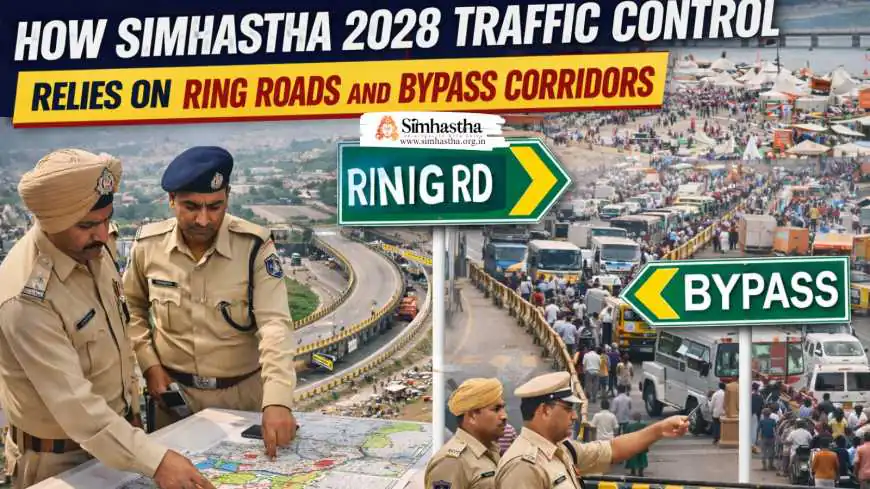
How Simhastha 2028 Traffic Control Relies on Ring Roads and Bypass Corridors
Discover how ring roads and bypass corridors will manage Simhastha 2028 traffic, ensuring smooth flow, reduced congestion, and efficient pilgrim movement.


Understanding Traffic Control Strategy for Simhastha 2028
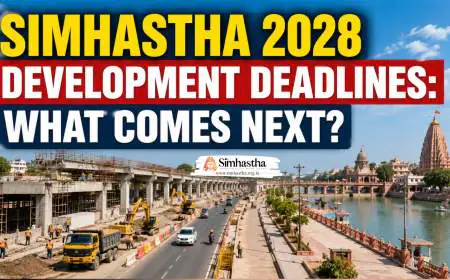
Simhastha 2028 will witness one of the largest human movements on Earth, with crores of pilgrims entering Ujjain within limited timeframes. Managing such an immense influx requires more than traditional traffic systems. The foundation of this strategy lies in ring roads and bypass corridors, which act as the structural backbone of traffic control.
These systems are designed to redirect, distribute, and regulate vehicular movement before it reaches the city core, ensuring that central areas remain accessible, safe, and free from congestion. By separating long-distance traffic, local vehicles, and pedestrian flows, authorities create a layered mobility network that prevents gridlock even during peak pilgrimage days.
For Every pilgrims, understanding Simhastha 2028 dates and the official Shahi Snan timeline is essential before booking flights or accommodation, as these sacred dates are completely non-negotiable
Why Traditional Traffic Systems Fail at Simhastha Scale
Standard city traffic systems are not designed for events where millions arrive simultaneously.
Trending Guides Now
Why Simhastha Happens Only When Jupiter Enters Leo ?

Simhastha Kumbh Mela Explained for First-Time Visitors

When Is the Next Simhastha in Ujjain?
How Simhastha 2028 Transport Planning Integrates Rail, Road and Air in One Grid

Ujjain Railway Station to Mahakaleshwar Temple Distance (2026 Guide)

Ujjain Simhastha 2028 Dates Announced: Full Shahi Snan & Event Timeline

Benefits of Becoming a Simhastha Volunteer
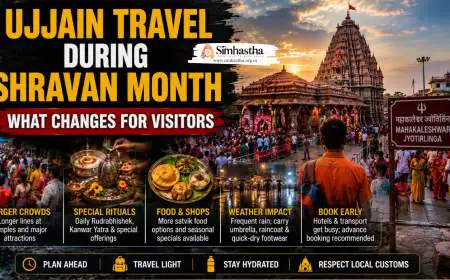
Ujjain Travel During Shravan Month: What Changes for Visitors
Limitations of Urban Roads
- Narrow city streets cannot handle sudden surges
- Mixed traffic creates bottlenecks
- Lack of diversion routes leads to congestion
Need for Multi-Layered Traffic Planning
To overcome these challenges, planners adopt:
- Peripheral diversion systems
- Controlled entry corridors
- Dedicated parking zones outside city limits
This is where ring roads and bypass corridors become essential.
Role of Ring Roads in Simhastha Traffic Management
Ring roads function as the outer circulation system of Ujjain.
What Is a Ring Road System
A ring road is a circular route surrounding the city that allows vehicles to move around it without entering the center.
A first time Simhastha guide is essential because without contextual understanding, pilgrims arrive prepared for devotion but unprepared for logistics, stamina, patience, and adaptability.
Key Functions During Simhastha
Ring roads help in:

- Diverting through-traffic away from the city
- Distributing vehicles to different entry points
- Connecting highways without congestion
Traffic Segregation
Different categories of traffic are separated:
- Pilgrim vehicles
- Local city traffic
- Emergency and service vehicles
This ensures smooth and uninterrupted flow.
Couples arriving during Ujjain Simhastha should spend their first few hours adjusting to the rhythm of the pilgrimage. Walking slowly through the city allows visitors to absorb the powerful spiritual atmosphere created by the gathering of saints and devotees attending the Ujjain Kumbh Mela.To deepen your understanding of the spiritual customs and sacred rituals practiced during Ujjain Simhastha, read our complete Simhastha rituals and sacred practices guide that explains their meaning, timing, and significance.
Importance of Bypass Corridors in Traffic Flow
While ring roads circulate traffic, bypass corridors provide direct alternative routes.
What Are Bypass Corridors
Bypass corridors are roads designed to skip high-density areas, allowing vehicles to reach destinations faster.
Strategic Role in Simhastha
They are used to:
- Redirect heavy vehicles away from city core
- Provide direct access to parking zones
- Reduce load on main urban roads
Connecting Regional Highways
Bypass corridors link:
- National highways
- Entry routes from different states
- Peripheral parking hubs
This creates a continuous and efficient traffic network.
Also Read | Best Time to Visit Ujjain Simhastha 2028
Integration of Ring Roads and Bypass Corridors
The true strength of the system lies in integration.
Layered Traffic Architecture
The combined system creates multiple layers:
- Outer ring roads for diversion
- Bypass corridors for fast movement
- Inner roads for controlled access
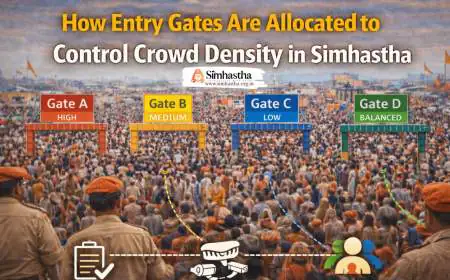
Controlled Entry Points
Vehicles are allowed into the city only through:
- Designated checkpoints
- Time-regulated entry systems
This prevents uncontrolled inflow into sensitive zones.
Parking Management Linked to Traffic Corridors
Traffic control is closely tied to parking strategies.
Peripheral Parking Zones
Large parking areas are created outside the city along:
- Ring roads
- Bypass corridors
Also Read | Step-by-Step Guide to Shipra Snan at Ujjain Kumbh Mela
Park and Move System
Pilgrims park vehicles and shift to:
- Shuttle buses
- Walking routes
- Electric mobility systems
This reduces vehicle density inside Ujjain.
Real-Time Traffic Monitoring and Control
Modern technology enhances the effectiveness of road infrastructure.
Smart Traffic Systems
Authorities use:
- CCTV networks
- GPS tracking
- AI-based traffic analysis
Dynamic Route Adjustments
Based on live conditions:
- Routes are opened or closed
- Traffic is redirected instantly
- Congestion is managed proactively
Handling Peak Load During Shahi Snan Days
The biggest challenge arises during major bathing days.
Traffic Surge Management
Ring roads and bypass corridors help:
- Absorb incoming traffic
- Distribute vehicles evenly
- Prevent sudden congestion spikes
Emergency Mobility
Dedicated lanes ensure:
- Ambulance access
- Police movement
- Disaster response readiness
This maintains critical mobility during peak pressure.
Role of Public Transport in Reducing Traffic Load
Efficient public transport complements road infrastructure.
Shuttle Services
Buses operate between:
- Parking zones
- Ghats
- Tent cities
Integration with Road Network
Public transport routes are aligned with:
- Ring roads
- Bypass corridors
This ensures seamless movement without overloading city roads.
Environmental Benefits of Traffic Diversion Systems
Traffic planning also supports sustainability.
Reduced Urban Congestion
By limiting vehicles in the city:
- Air pollution decreases
- Noise levels reduce
Efficient Fuel Usage
Smooth traffic flow leads to:
- Less idling
- Lower fuel consumption
Protection of Heritage Zones
Restricted vehicle access preserves:
- Temple areas
- Ghats
- Cultural landmarks
Challenges in Implementing Traffic Systems
Despite advanced planning, challenges remain.
Unpredictable Crowd Behavior
Sudden surges can disrupt traffic patterns.
Infrastructure Limitations
Temporary setups may face:
- Capacity constraints
- Maintenance issues
Coordination Complexity
Multiple agencies must work together for:
- Traffic control
- Security
- Emergency management
Future of Traffic Management in Simhastha
Simhastha 2028 represents a shift toward smarter systems.
Data-Driven Planning
Future systems will rely on:
- Predictive analytics
- Real-time decision-making
Enhanced Infrastructure
- Wider ring roads
- Advanced bypass corridors
- Smart traffic signals
Integrated Mobility Systems
- Digital navigation for pilgrims
- App-based route guidance
- Automated traffic control
When Roads Become the Silent Guardians of Movement
Behind the spiritual energy of Simhastha lies an invisible network of roads working tirelessly to maintain order. Ring roads and bypass corridors act as silent guardians, ensuring that millions can move without chaos.
They transform what could be overwhelming congestion into a structured flow, allowing pilgrims to focus on their journey rather than the challenges of travel. In this balance of engineering and devotion, Simhastha 2028 stands as a powerful example of how infrastructure can shape experience, turning complexity into harmony.
Frequently Asked Questions