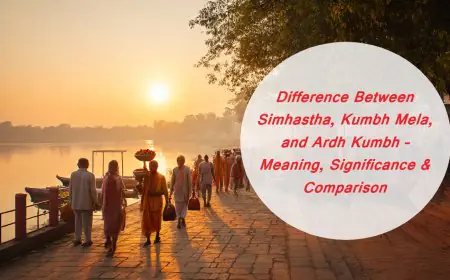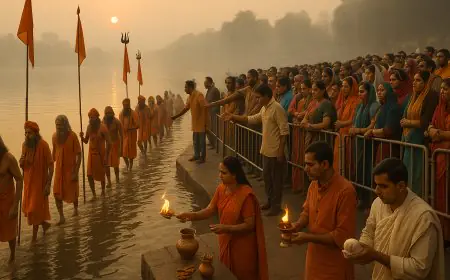



















Difference Between Ujjain Kumbh, Prayagraj Kumbh, and Haridwar Kumbh
Explains the key differences between Ujjain Kumbh, Prayagraj Kumbh, and Haridwar Kumbh based on astrology, rivers, rituals, and spiritual significance.



Difference Between Ujjain Kumbh, Prayagraj Kumbh, and Haridwar Kumbh
The Kumbh Mela is not a single identical event repeated across India. Each Kumbh city follows its own astrological rules, ritual structure, and spiritual identity. Ujjain, Prayagraj, and Haridwar are three of the four sacred locations where the Kumbh Mela is traditionally held, and while they share a common spiritual foundation, they are distinctly different in purpose, timing, and practice.
Understanding these differences helps pilgrims and readers appreciate why each Kumbh holds its own religious authority rather than being interchangeable.
For Every pilgrims, understanding Simhastha 2028 dates and the official Shahi Snan timeline is essential before booking flights or accommodation, as these sacred dates are completely non-negotiable.
Overview of the Three Kumbh Cities
The Kumbh Mela is held at four locations, but this article focuses on three major ones:
Trending Guides Now
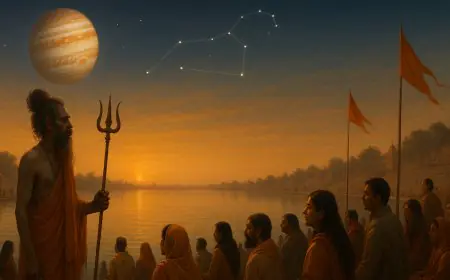
Why Simhastha Happens Only When Jupiter Enters Leo ?

Simhastha Kumbh Mela Explained for First-Time Visitors

How Simhastha 2028 Traffic Control Relies on Ring Roads and Bypass Corridors

Why Simhastha 2028 Planning Focuses on Movement Flow Over Monument Building

Ujjain Railway Station to Mahakaleshwar Temple Distance (2026 Guide)

Ujjain Simhastha 2028 Dates Announced: Full Shahi Snan & Event Timeline

Ujjain Simhastha Update: CM Mohan Yadav Reviews 2028 Works

Karkateshwar Mahadev: 22/84 Mahadev of Ujjain
-
Ujjain hosts the Simhastha Kumbh on the Shipra River
-
Prayagraj hosts the Kumbh at the Triveni Sangam
-
Haridwar hosts the Kumbh on the banks of the Ganga
Each location is governed by different planetary alignments and ritual traditions.
Astrological Differences Between the Three Kumbhs
Astrology is the primary factor that differentiates Kumbh Melas.
Ujjain Kumbh (Simhastha)
Simhastha is held when Jupiter enters Leo (Simha Rashi). The timing is unique to Ujjain and determines both the overall mela period and Shahi Snan dates.

Prayagraj Kumbh
Prayagraj Kumbh is organized based on the combined positions of Jupiter, the Sun, and the Moon, especially when Jupiter enters Taurus and the Sun and Moon align in Capricorn.
Haridwar Kumbh
Haridwar Kumbh occurs when Jupiter enters Aquarius and the Sun is in Aries. This alignment makes Haridwar’s Kumbh distinct from both Ujjain and Prayagraj.
These astrological rules ensure that no two Kumbhs occur in the same manner or at the same time.
Rivers Associated With Each Kumbh
The sacred river is central to each Kumbh’s identity.
-
Ujjain: Shipra River, revered during Simhastha under specific cosmic conditions
-
Prayagraj: Triveni Sangam, the confluence of Ganga, Yamuna, and Saraswati
-
Haridwar: Ganga River, worshipped as a living goddess
Ritual bathing derives its spiritual potency from both the river and the timing of the event.
Ritual Structure and Shahi Snan
All three Kumbhs observe Shahi Snan, but the structure varies.
-
In Ujjain, Shahi Snan follows Simhastha-specific Akhara sequencing
-
In Prayagraj, Shahi Snan is the most elaborate, often drawing the largest congregations
-
In Haridwar, Shahi Snan maintains strict riverfront discipline due to narrower ghats
The order of Akharas remains consistent across locations, but local geography shapes execution.
Spiritual Identity of Each Kumbh City
Each city represents a different spiritual dimension.
-
Ujjain symbolizes time, cosmic order, and ascetic discipline
-
Prayagraj represents spiritual confluence and liberation
-
Haridwar is seen as the gateway to the Himalayas and divine descent
These identities influence the tone and spiritual focus of each Kumbh.
Historical Role in Kumbh Tradition
Historically, Prayagraj has hosted the largest congregations, while Haridwar has served as the traditional entry point for pilgrims traveling toward the Himalayas. Ujjain, meanwhile, has been a center of astronomy, learning, and ritual calculation.
Each city’s historical role reinforces its continued inclusion as a Kumbh site.
Administrative Scale and Pilgrim Experience
While modern administration supports all Kumbhs, the pilgrim experience differs.
-
Prayagraj covers vast open plains
-
Haridwar manages dense riverfront movement
-
Ujjain balances ritual intimacy with controlled urban planning
These differences shape how pilgrims engage with the event.
Why These Differences Matter
Recognizing the differences between Ujjain Kumbh, Prayagraj Kumbh, and Haridwar Kumbh prevents misunderstanding and preserves the integrity of each tradition. Hindu scriptures never treat Kumbh Melas as uniform gatherings, but as location-specific manifestations of a shared spiritual narrative.
Each Kumbh stands complete in its own right.
You May Also Like:
Frequently Asked Questions