





























How Emergency Corridors Are Built Inside Simhastha Zones
Emergency corridors inside Simhastha zones are carefully engineered to ensure rapid medical access, evacuation, and disaster response amid crore-level pilgrim movement.


Why Emergency Corridors Are the Backbone of Simhastha Safety
At the scale of Simhastha 2028, safety is not enforced through reaction. It is built into the ground itself. Among all planning elements, emergency corridors inside Simhastha zones are the most critical yet least visible structures.
Millions of pilgrims moving simultaneously means even a minor incident can escalate without rapid access. That is why Simhastha emergency corridor planning is treated as a non-negotiable life-safety system, not an optional facility.
These corridors are not afterthoughts. They are designed before tents are placed, before barricades rise, and before pilgrims arrive.
For Every pilgrims, understanding Simhastha 2028 dates and the official Shahi Snan timeline is essential before booking flights or accommodation, as these sacred dates are completely non-negotiable.
Trending Guides Now

How Sector-Based Crowd Flow Works in Simhastha: A Simple Guide for First-Time Visitors
Why Simhastha Zones Are Reconfigured Between Major Snan Days

How Pilgrim Holding Areas Prevent Stampede Risks in Simhastha

How Crowd Density Is Calculated During Simhastha 2028 ?

Ujjain Railway Station to Mahakaleshwar Temple Distance (2026 Guide)

Ujjain Simhastha 2028 Dates Announced: Full Shahi Snan & Event Timeline

Mahakaleshwar Sandhya Aarti Online Booking 2026: Fee, Timings, Entry Gate and Step-by-Step Process

Mangalnath Temple Trip Budget: Puja, Local Transport, Food and Stay Planning
What Exactly Is an Emergency Corridor in Simhastha
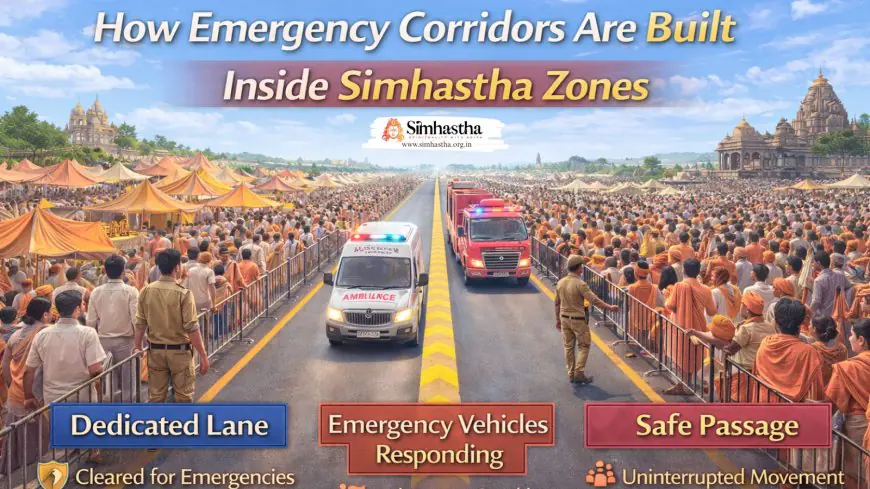
An emergency corridor in Simhastha is a permanently protected movement channel reserved exclusively for:
-
Ambulances and medical teams
-
Fire and disaster response units
-
Police rapid-action teams
-
Evacuation flow during emergencies
Unlike regular roads, Simhastha emergency corridors remain operational even during peak crowd density. They are engineered to stay clear under pressure.

Planning Emergency Corridors Begins at the Zoning Stage
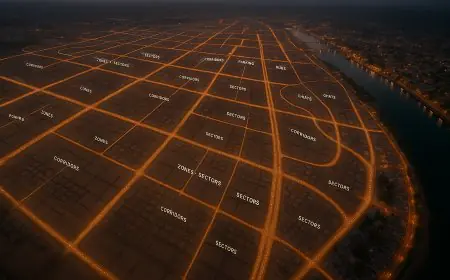
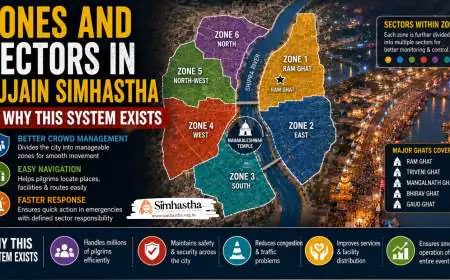
Emergency corridors are mapped during Simhastha zone planning, not during execution. Each Simhastha sector includes:
-
Primary emergency corridors
-
Secondary access spines
-
Micro-evacuation connectors
This ensures emergency access inside Simhastha zones regardless of crowd conditions.
The fundamental rule is simple:
No zone is approved unless it has uninterrupted emergency access.
To deepen your understanding of the spiritual customs and sacred rituals practiced during Ujjain Simhastha, read our complete Simhastha rituals and sacred practices guide that explains their meaning, timing, and significance.
Width, Surface, and Load Design
Emergency corridors inside Simhastha are designed differently from pilgrim pathways.
They are:
-
Wider than pedestrian routes
-
Built with load-bearing surfaces
-
Free from temporary obstructions
This allows ambulances to move at controlled speed, even when adjacent corridors are densely packed. Simhastha infrastructure planning prioritizes surface strength to prevent breakdowns during emergencies.
first time Simhastha guide is essential because without contextual understanding, pilgrims arrive prepared for devotion but unprepared for logistics, stamina, patience, and adaptability.
Separation from Pilgrim Movement
One of the most important principles in Simhastha emergency corridor design is physical separation.
Emergency corridors are:
-
Barricaded or visually segregated
-
Clearly marked for enforcement
-
Protected from encroachment
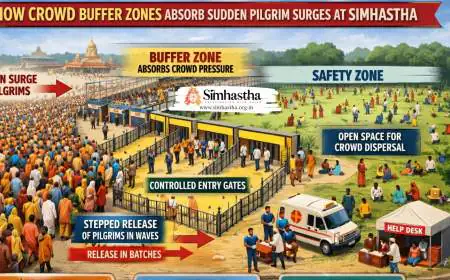
This separation ensures that crowd movement never spills into emergency routes, even during panic scenarios.
Integration with Medical and Relief Zones
Emergency corridors always connect directly to:
-
Medical tents
-
First-aid stations
-
Triage zones
-
Disaster response points
This ensures Simhastha medical emergency response time remains minimal. Corridors are not standalone paths. They are part of a continuous life-support network.
Also Read | Best Time to Visit Ujjain Simhastha 2028
Multi-Directional Access for Redundancy
Unlike regular roads, Simhastha emergency corridors are designed with redundancy. Each corridor links to multiple exits and alternative routes.
If one access point is blocked, another remains open. This redundant corridor logic prevents single-point failure, a known risk in mass gatherings.
Night-Time Reinforcement of Emergency Routes
At night, emergency corridors inside Simhastha zones are actively inspected. Encroachments are removed, lighting is checked, and response vehicles are repositioned.
This ensures dawn hours begin with fully functional emergency infrastructure, critical for Shahi Snan days.
Crowd Psychology and Emergency Corridors
Emergency corridors are also designed to influence behavior. Clear visibility and firm boundaries:
-
Reduce panic during incidents
-
Signal authority presence
-
Prevent uncontrolled crowd spillover
This psychological impact is a silent but powerful element of Simhastha crowd safety planning.
Also Read | Step-by-Step Guide to Shipra Snan at Ujjain Kumbh Mela
Emergency Corridors During Shahi Snan Peak
On Shahi Snan days, emergency corridors operate under highest alert protocols.
This includes:
-
No temporary crossings
-
Continuous patrolling
-
Pre-positioned ambulances
During these hours, Simhastha emergency route integrity takes precedence over all other movement considerations.
Evacuation Logic Built Into Corridors
Emergency corridors double as controlled evacuation channels. If evacuation is required, these corridors guide crowd movement outward in a regulated manner.
This dual function makes Simhastha evacuation corridors one of the most sophisticated elements of the entire planning system.
Coordination with Command and Control Centers
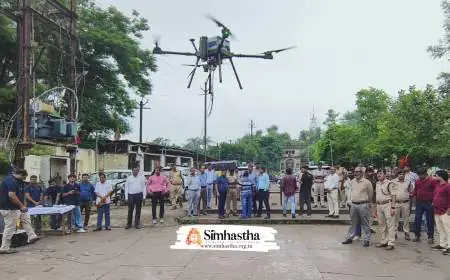
Every emergency corridor is digitally mapped and monitored by Simhastha control rooms. Field teams communicate real-time corridor status, ensuring rapid coordination during incidents.
This integration transforms corridors from physical paths into active response systems.
Why Emergency Corridors Cannot Be Improvised
Improvised emergency access fails at Simhastha scale. Corridors must be:
-
Pre-cleared
-
Legally enforced
-
Socially respected
That is why emergency corridor planning in Simhastha 2028 is treated as permanent civic infrastructure, even though the event is temporary.
Scaling Emergency Corridors for Simhastha 2028
With expected footfall higher than previous editions, Simhastha 2028 emergency planning expands corridor width, increases redundancy, and strengthens enforcement.
Technology may assist monitoring, but the core corridor logic remains human-centric. Physical access saves lives faster than digital alerts.
Also Read | Common Simhastha Mistakes Visitors Must Avoid
The Invisible Lines That Save Lives
Most pilgrims never consciously notice emergency corridors. That is by design.
When emergency corridors work, nothing dramatic happens.
No delay. No panic. No headlines.
In Simhastha planning, success is measured by what never occurs.
Related Simhastha Guides:
- How Emergency Corridors Are Built Inside Simhastha Zones
- Why Residential Zones and Ritual Zones Are Kept Separate in Simhastha 2028
- What Happens Inside a Simhastha Tent City After Midnight
- How Tent City Kitchens Serve Millions at Simhastha 2028 ?
- Luxury vs Budget Tent Options for Simhastha 2028: What’s Worth Your Money?
- Inside Ujjain’s Mega Tent City: What Pilgrims Can Expect at Simhastha 2028
- How Sector-Based Movement Will Control Crore-Level Crowds in Simhastha 2028
- How Akhara Camps Are Allocated in Ujjain for Simhastha 2028
- How Crowd Density Is Calculated During Simhastha 2028 ?
- How Sector-Based Crowd Flow Works in Simhastha: A Simple Guide for First-Time Visitors
- Kshipra Riverfront Zones: What Pilgrims Must Know for Simhastha 2028
- Expected Zones & Sectors of Simhastha 2028: A First Look at Ujjain’s Massive Layout
- How Simhastha 2028 Will Transform Ujjain Forever: Dates, Mega Projects & City-Wide Development Plan
- Simhastha 2028 Dates Officially Announced: Full Event & Shahi Snan Timeline
- Simhastha 2028 Ujjain Visiting Guide: Best Dates, Shahi Snan Meaning & Pilgrim Planning
Frequently Asked Questions