














How Ujjain Manages Crowd Control During Simhastha 2028?
A complete guide to how Ujjain manages crowd control during Simhastha 2028 using AI surveillance, smart routes, security forces, riverfront zoning, traffic loops, and coordinated emergency planning.
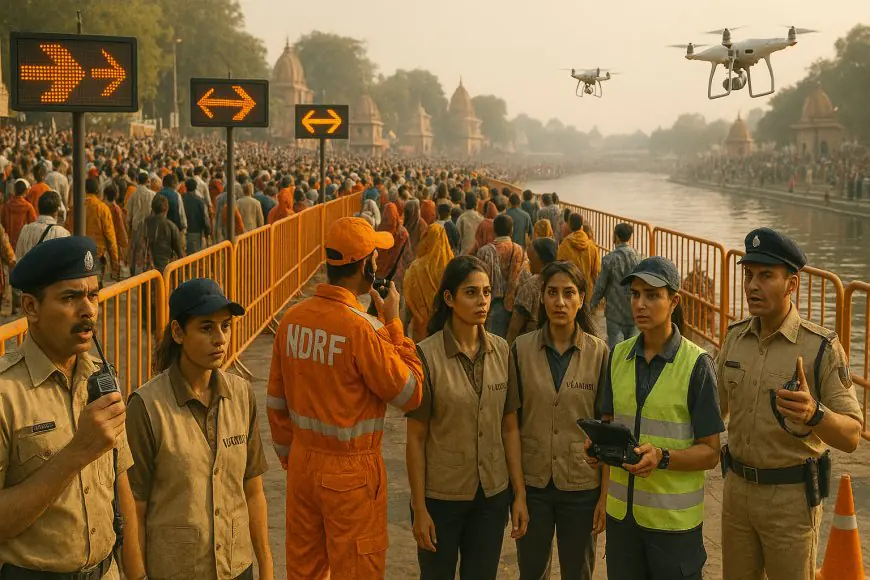


How Ujjain Manages Crowd Control During Simhastha 2028: The Full Strategy Behind India’s Largest Pilgrim Movement
Simhastha in Ujjain is one of the world’s largest gatherings, attracting millions of pilgrims each day and creating a temporary city shaped by devotion, discipline, and collective movement. Managing such a large influx is a monumental challenge — one that demands not just manpower, but planning, technology, precision, and psychological insight into how crowds behave.
For Simhastha 2028, Ujjain has engineered one of India’s most advanced crowd control ecosystems, combining traditional management techniques with modern tools like AI, drones, smart barricading, and real-time digital response systems. This article explains exactly how the city prepares to move millions safely along ghats, routes, temples, camps, roads, and railway junctions during the 29-day mega event.
For Every pilgrims, understanding Simhastha 2028 dates and the official Shahi Snan timeline is essential before booking flights or accommodation, as these sacred dates are completely non-negotiable.
1. The Core Philosophy: Flow, Not Force
Crowd control during Simhastha is not about stopping people — it is about directing their natural flow.
Trending Guides Now
Why is Ujjain Kumbh Called Simhastha?

How Simhastha 2028 Transport Planning Integrates Rail, Road and Air in One Grid

Why Simhastha Can Only Happen in Ujjain: Scriptural & Astronomical Proof
Why Shahi Snan Is the Most Important Ritual of Simhastha 2028 ?

Ujjain Railway Station to Mahakaleshwar Temple Distance (2026 Guide)

Ujjain Simhastha 2028 Dates Announced: Full Shahi Snan & Event Timeline

Ujjain Simhastha Update: CM Mohan Yadav Reviews 2028 Works
Ujjain Railway Station to Kal Bhairav Temple: Distance, Auto Fare and Best Route
The entire system is built on five principles:
• Keep movement continuous
• Avoid counterflows
• Prevent crowd compression
• Give clear visual guidance
• Intervene early before pressure builds
These principles guide every layout, from roads to ghats to temple entries.
2. AI-Powered Command Centers
Simhastha 2028 introduces an upgraded Integrated Command and Control Center (ICCC) that monitors:
• Crowd density
• Movement speed
• Hotspots of congestion
• Queue lengths
• Emergency signals
• Weather conditions
• Water levels near ghats
AI-generated heat maps help authorities predict crowd surges 30–45 minutes in advance, allowing rapid intervention.

3. 1,500+ CCTV Cameras and Drone Surveillance
The city will use:
• High-resolution PTZ cameras
• Night-vision cameras
• Thermal imaging sensors
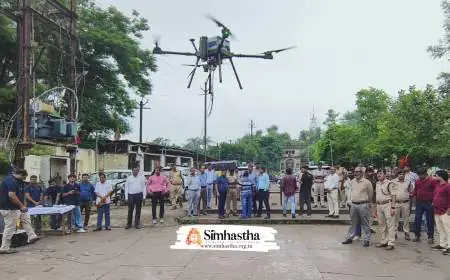
• Drone fleets monitoring ghat zones and routes
Drones transmit real-time aerial views to the control center, enabling quick decisions on diversions or movement changes.
4. Smart Barricading and Lane Systems
A unique system of movement lanes is created:
• One-way walking lanes
• Emergency evacuation lanes
• VIP / Akhara lanes
• Queue lanes for Shahi Snan
• Buffer zones for halting movement safely
Barricades are modular and can be reshaped instantly based on crowd behavior.
This prevents cross-traffic and reduces pressure points.
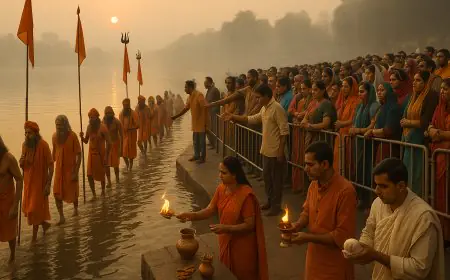
5. Special Shahi Snan Protocol
Shahi Snan days attract the largest crowds — sometimes crossing several million in a single morning.
The Shahi Snan strategy includes:
• Akhara-first movement
• Strict lane separation
• Holding zones before ghat access
• Timed pilgrim batches
• Continuous police line formations
• Zero standing allowed near water entry points
Once Akharas complete their ritual dip, general pilgrims are allowed in staggered windows.
6. Riverfront Zoning Along Shipra Ghats
The 20+ major ghats of Ujjain are divided into:
• Primary Snan Ghats
• Secondary Ghats
• Elderly and women-friendly Ghats
• Emergency-only Ghats
Each zone has:
• Water-rescue teams
• Rope railings
• Life jackets
• Floating barricades
This reduces accidents and crowd pressure.
7. Traffic Diversion and Loop Systems
Vehicles are restricted several kilometers away from the main mela zone.
Key features include:
• Circular loop system around Ujjain
• No-entry zones near ghats
• Shuttle buses to bring pilgrims inside
• Parking pockets surrounding the city
• Dedicated ambulance corridors
This prevents traffic jams from merging with pedestrian routes.
8. Railway Crowd Management
Railways handle the highest pilgrim numbers during peak days.
Measures include:
• Platform barricades
• Exit-only and entry-only gates
• Temporary foot-over bridges
• Holding areas outside station
• Additional trains and special coaches
• Colour-coded signboards for crowd navigation
Railway police, GRP, and RPF jointly manage movement.
9. Sector Mapping and Route Coding
Ujjain is divided into sectors, each with:
• Sector magistrates
• Police force
• Home guards
• Quick response teams
• Medical units
Routes are marked with distinct colours, so pilgrims can simply follow color codes rather than reading signs.
10. Volunteer & Sevak Network
Thousands of volunteers help guide pilgrims through:
• Lost-and-found centers
• Drinking water points
• Medical aid camps
• Queue management
• Language assistance
Their presence reduces panic and helps create a calm atmosphere.
11. Night-Time Crowd Management
Lighting is a critical part of safety.
Simhastha zones use:
• Floodlights
• LED direction signs
• Solar lamps
• Reflective pathways
This prevents crowd confusion after sunset and supports safe evening aartis.
12. Daily Risk Assessments
Authorities conduct:
• Safety readiness meetings
• Route inspections
• Ghat-level assessments
• Temporary camp evaluations
Any weak point is immediately corrected — from broken barricades to narrow passages.
13. Medical Infrastructure and Emergency Response
Simhastha 2028 integrates:
• 24/7 emergency medical centers
• Mobile ambulances
• Water rescue teams
• Disaster response units
• Heatstroke shelters
• Emergency messaging systems
Even minor incidents are monitored to prevent larger emergencies.
14. Psychological Crowd Management
Officials use behavioural techniques such as:
• Positive messaging
• Repetitive announcements
• Clear direction symbols
• Removing visual obstacles
• Ensuring constant movement
Crowds feel safer when they see predictable, organized systems.
15. Real-Time Communication Systems
Pilgrims are guided through:
• LED boards
• Loudspeaker networks
• Radio control units
• SMS alerts
• App-based notifications (planned for 2028)
This helps communicate diversions instantly.
16. The Human Element
Despite all technology, the heart of crowd control is people:
• Policemen
• Home guards
• Disaster response teams
• NDRF and SDRF
• Volunteers
• Akhara leadership
Their coordination ensures that millions move safely through the sacred geography of Ujjain.
You May Also Like:
- How Ujjain Manages Crowd Control During Simhastha 2028?
- What are the 13 akharas and their roles in Simhastha?
- How Can Pilgrims Plan the Perfect Simhastha Trip?
- What Are the Official Dates and Major Events of Simhastha 2028?
- Why Simhastha Happens Only When Jupiter Enters Leo ?
- Why Ujjain Was Chosen for Simhastha: Ancient Scriptures & Astral Logic
- Does Taking a Holy Bath in the Shipra River During Simhastha Remove Karmic Sins?
- Why is Ujjain Kumbh Called Simhastha?
- Simhastha 2028 Ujjain: Next Dates, Shahi Snan Schedule & Complete Spiritual Guide
- Was Ujjain the First Scindia Headquarters? Did Ranoji Start Simhastha? Full Spiritual Truth Revealed
- Top 10 Routes to Enter Ujjain During Simhastha 2028 Without Traffic Hassles
- The Cosmic Importance of Jupiter in Leo: Why It Creates Simhastha in Ujjain
- How Akhara Sector Allocation Works in Simhastha 2028: Complete Breakdown for Pilgrims
- Who Are the Naga Sadhus of Simhastha 2028? Discipline, Rituals & Mystical Identity Revealed
- The Arrival Procession of Akharas in Simhastha 2028: A Complete Explainer
- How to Travel Inside Ujjain During Simhastha 2028: Routes, Maps and Movement Plans
- Why Ujjain Is Called the Navels of the Earth: Ancient Secrets Behind Simhastha
Frequently Asked Questions