






















How Ujjain Managed Millions During Simhastha 2016 ?
Managing millions of pilgrims is no small task. This detailed guide explains how Ujjain successfully handled massive crowds during Simhastha 2016 through planning, sector management, crowd flow systems, and coordinated administration.


How Ujjain Managed Millions During Simhastha 2016
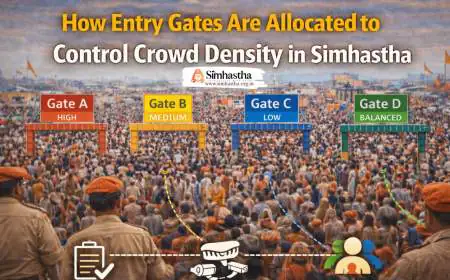
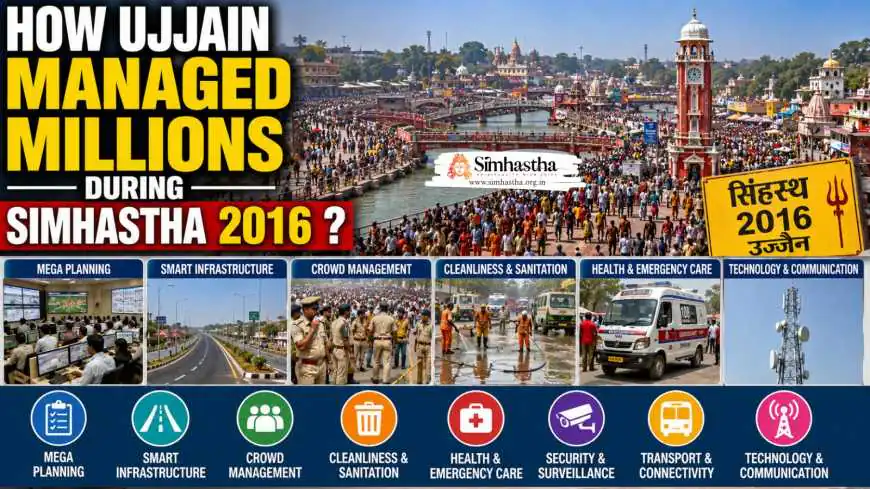
Ujjain successfully managed millions of pilgrims during Simhastha 2016 through sector-based crowd control, one-way movement systems, real-time CCTV monitoring, controlled ghat entry, and large-scale volunteer coordination. The city divided the area into multiple zones, used holding areas to regulate crowd density, and ensured continuous communication through control rooms and public announcements. This structured planning prevented stampedes and maintained smooth movement even on peak Shahi Snan days.
Simhastha 2016 in Ujjain was not just a religious gathering. It was one of the largest real-time human movement management operations in the world, handling crores of pilgrim visits within weeks and millions within hours on peak days.
What made it extraordinary was not just the scale, but the precision. Despite narrow roads, dense urban zones, and limited permanent infrastructure, Ujjain maintained order, safety, and flow through a system that blended traditional pilgrimage behavior with modern crowd science.
For Every pilgrims, understanding Simhastha 2028 dates and the official Shahi Snan timeline is essential before booking flights or accommodation, as these sacred dates are completely non-negotiable
Trending Guides Now

How Simhastha 2016 Ensured Safety: Police & Disaster Planning ?
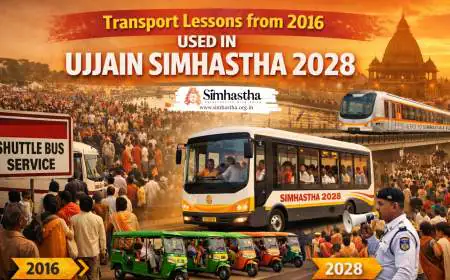
Transport Lessons from 2016 Used in Ujjain Simhastha 2028

Why Simhastha 2016 Was Held in Ujjain: Astrological Logic Explained

How Simhastha 2016 Prevented Stampedes: Crowd Safety Measures Explained

Ujjain Railway Station to Mahakaleshwar Temple Distance (2026 Guide)

Ujjain Simhastha 2028 Dates Announced: Full Shahi Snan & Event Timeline
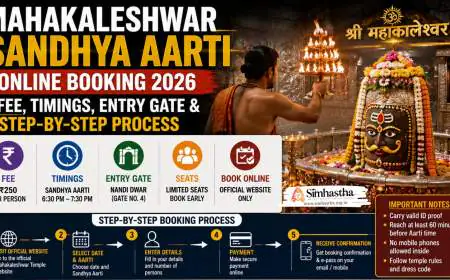
Mahakaleshwar Sandhya Aarti Online Booking 2026: Fee, Timings, Entry Gate and Step-by-Step Process
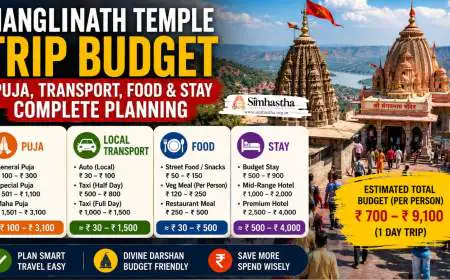
Mangalnath Temple Trip Budget: Puja, Local Transport, Food and Stay Planning
Simhastha 2016 at a Glance
- Estimated Footfall: 5–7 crore pilgrim visits
- Peak Day Crowd: 50+ lakh in a single day
- Event Duration: ~1 month
- Sectors Created: Multiple administrative zones
- CCTV Cameras: Hundreds across key routes
- Volunteers Deployed: Thousands
- Temporary Infrastructure: Massive expansion of roads, ghats, medical camps
A first time Simhastha guide is essential because without contextual understanding, pilgrims arrive prepared for devotion but unprepared for logistics, stamina, patience, and adaptability.
Why Simhastha 2016 Crowd Management Worked
The success was not due to one system, but a combination of five core principles:
- Prevention over reaction
- Decentralized sector control
- Continuous real-time monitoring
- Human guidance through volunteers
- Strict movement discipline
This multi-layered model ensured that crowd pressure never reached dangerous levels.
Simhastha 2016 vs Typical Crowd Chaos
| Factor | Typical Large Gathering | Simhastha 2016 |
|---|---|---|
| Movement | Random | Controlled loops |
| Entry | Open access | Phased entry |
| Monitoring | Limited | Real-time CCTV |
| Communication | Weak | Continuous announcements |
| Crowd Risk | High | Managed |
The Scale of the Challenge
Ujjain is a historic city with:
-
Narrow inner roads
-
Dense residential zones

-
Limited permanent infrastructure

Simhastha 2016 multiplied the city’s population many times over. The challenge was not just crowd size, but crowd concentration, especially around the Shipra River, Mahakaleshwar Temple, and Shahi Snan ghats.
To deepen your understanding of the spiritual customs and sacred rituals practiced during Ujjain Simhastha, read our complete Simhastha rituals and sacred practices guide that explains their meaning, timing, and significance.
Advance Planning and Early Preparation
Preparations for Simhastha 2016 began years in advance. Authorities focused on:
-
Predicting peak-day footfall
-
Identifying pressure points
-
Expanding temporary infrastructure
Rather than reacting on the ground, planners adopted a preventive approach, designing systems to avoid congestion before it formed.
Also Read | Step-by-Step Guide to Shipra Snan at Ujjain Kumbh Mela
How Sector-Based Planning Controlled Massive Crowds
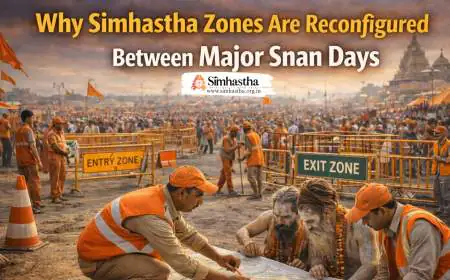
One of the most important strategies was dividing Ujjain into clearly defined sectors.
Each sector had:
-
Dedicated entry and exit routes
-
Medical and emergency facilities
-
Volunteer teams and police units
-
Communication links to central control rooms
This modular approach ensured that issues in one sector did not spread uncontrollably to others.
One-Way Movement System That Prevented Stampedes
Crowd movement was guided through:
-
Barricaded walking corridors
-
One-directional movement loops
-
Separate entry and exit paths near ghats
By eliminating counter-flow, Ujjain reduced the risk of sudden pressure build-up, especially on Shahi Snan days.
Also Read | Common Simhastha Mistakes Visitors Must Avoid
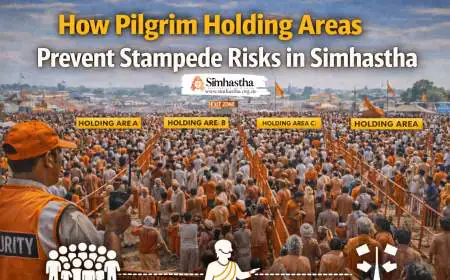
How Holding Areas Regulated Ghat Crowds
Instead of allowing unrestricted ghat access:
-
Pilgrims were paused in holding areas
-
Entry was released in controlled batches
-
Density thresholds were monitored continuously
This prevented overcrowding at riverbanks and allowed smooth rotation of pilgrims.
How CCTV and Control Rooms Managed Millions in Real Time
Simhastha 2016 introduced centralized control rooms equipped with:
-
Live CCTV feeds
-
Sector-level reporting
-
Crowd density assessments
These control rooms acted as the nerve center, enabling rapid decision-making when crowd conditions changed.
Police Deployment and Security Planning
Security planning focused on visibility and guidance, not intimidation.
Key measures included:
-
Zone-wise police deployment
-
Quick-response teams
-
Clear coordination between police and volunteers
This ensured that instructions reached pilgrims quickly and calmly.
Role of Volunteers
Thousands of volunteers were trained to:
-
Guide pilgrims through sectors
-
Assist elderly and disabled visitors
-
Provide information and reassurance
Volunteers acted as the human interface between planning systems and pilgrims, reducing confusion and anxiety.
Transport and Arrival Management
Managing arrival points was critical. Authorities coordinated:
-
Train schedules and platform management
-
Bus terminal routing
-
Parking zones away from core areas
By controlling how pilgrims entered the city, pressure on inner zones was reduced.
Medical and Emergency Preparedness
Medical readiness included:
-
Temporary hospitals
-
Ambulance corridors
-
First-aid posts in every sector
Emergency response routes were kept clear at all times, even during peak crowd density.
Public Communication and Signage
Clear, simple communication helped prevent panic:
-
Directional signage
-
Volunteer announcements
-
Public address systems
Pilgrims were repeatedly guided on where to go and where not to stop.
Managing Peak Shahi Snan Days
On Shahi Snan days:
-
Movement windows were fixed
-
Sector rules were stricter
-
Crowd density thresholds were lowered
These days tested the entire system and proved its resilience.
Public Cooperation as a Key Factor
No system works without cooperation. Pilgrims:
-
Followed instructions patiently
-
Accepted waiting periods
-
Trusted volunteer guidance
This collective discipline was a crucial success factor.
Challenges Faced During Simhastha 2016
Despite planning, challenges remained:
-
Sudden arrival surges
-
Weather-related discomfort
-
Communication gaps for first-time visitors
However, these were managed without large-scale disruption.
Lessons Learned from Simhastha 2016
Key takeaways included:
-
Early planning reduces risk
-
Sector-based management is essential
-
Communication is as important as infrastructure
-
Crowd psychology matters as much as numbers
These lessons directly shape Simhastha 2028 planning.
What Simhastha 2028 Will Learn from 2016
- Smarter AI-based crowd tracking
- Better digital navigation tools
- Improved transport integration
- More advanced emergency systems
Why Simhastha 2016 Became a Benchmark
Simhastha 2016 demonstrated that:
-
Massive crowds can be managed safely
-
Discipline and planning can coexist with devotion
-
Traditional events can adopt modern management tools
It remains a reference case for large spiritual gatherings across India.
Order Behind the Faith :
Simhastha 2016 showed that behind the visible faith of millions stood an invisible system of planning, coordination, and discipline. Ujjain did not rely on luck. It relied on preparation.
For future pilgrims and planners alike, Simhastha 2016 proves one enduring truth: when devotion is supported by order, even millions can move safely together.
Frequently Asked Questions