














What Happened at Simhastha 2016 in Ujjain? Complete Overview
Simhastha 2016 was one of Ujjain’s largest spiritual gatherings. This complete overview explains key events, Shahi Snan days, crowd scale, administration, infrastructure, lessons learned, and why Simhastha 2016 still matters for Simhastha 2028 planning.


What Happened at Simhastha 2016 in Ujjain? Complete Overview
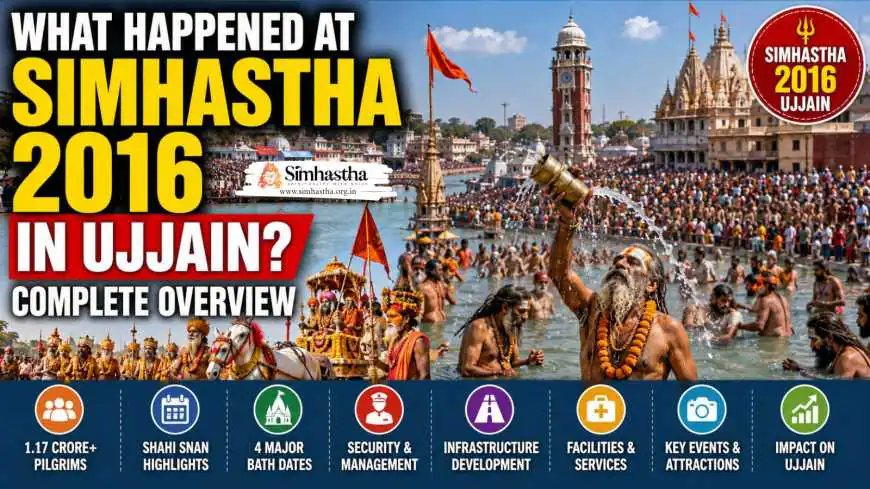
Simhastha 2016 was not just a religious gathering. It was a logistical, spiritual, and administrative milestone for the city of Ujjain and for large-scale spiritual events in India. Held on the banks of the Shipra River, Simhastha Mahakumbh 2016 brought together saints, Akharas, pilgrims, administrators, and volunteers in numbers that permanently reshaped how Ujjain prepares for the future.
For anyone planning to attend Simhastha 2028, understanding what happened in 2016 is essential. It explains what worked, what needed improvement, and why the upcoming Simhastha is being planned on a much larger and more systematic scale.
Also Read | Ujjain Simhastha - Meaning, History & Why It Matters
What Is Simhastha and Why 2016 Was Significant
Simhastha is the Ujjain edition of the Kumbh Mela, held when specific planetary alignments occur. The 2016 Simhastha took place after a twelve-year gap from the previous event in 2004, making it the first Simhastha for a new generation of pilgrims.
Trending Guides Now

How Simhastha 2016 Ensured Safety: Police & Disaster Planning ?
Transport Lessons from 2016 Used in Ujjain Simhastha 2028
Why Simhastha 2016 Was Held in Ujjain: Astrological Logic Explained

How Simhastha 2016 Prevented Stampedes: Crowd Safety Measures Explained

Ujjain Railway Station to Mahakaleshwar Temple Distance (2026 Guide)

Ujjain Simhastha 2028 Dates Announced: Full Shahi Snan & Event Timeline

Karkateshwar Mahadev: 22/84 Mahadev of Ujjain
Ujjain Simhastha Update: CM Mohan Yadav Reviews 2028 Works
By 2016:
-
Pilgrim numbers had increased significantly
-
Media attention was national and global
-
Expectations for safety and organization were higher
This made Simhastha 2016 a critical test for Ujjain.
When Simhastha 2016 Was Held
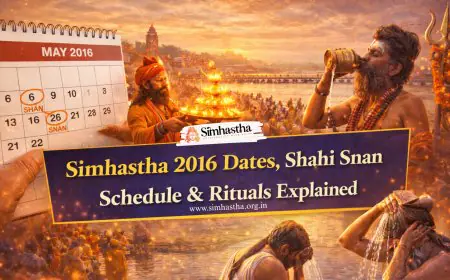
Simhastha 2016 was held between April and May 2016, with the main bathing rituals aligned to astrological calculations. The most important days were the Shahi Snan (Royal Bathing) days, when Akharas entered the Shipra River in a fixed traditional order.

The administration activated arrangements weeks before the first Shahi Snan and continued operations even after the final major bathing day.
Shahi Snan Days and Key Rituals
The Shahi Snan days in 2016 followed strict dharmic protocols:
-
Akharas bathed first
-
Ascetics entered in disciplined processions
-
Public bathing followed after ritual completion
Apart from Shahi Snan, Simhastha 2016 included:
-
Daily holy baths
-
Religious discourses
-
Akhara camps and spiritual gatherings
-
Temple darshan circuits across Ujjain
Mahakaleshwar Temple witnessed one of its highest footfalls during this period.
Also Read | Ofiicial Shahi Snan Dates of Simhastha 2028
Scale of the Gathering
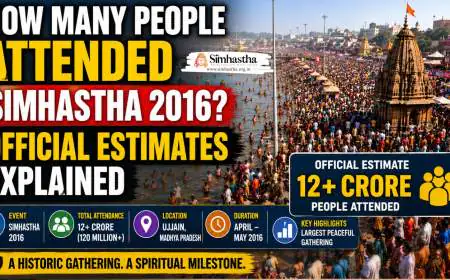
Simhastha 2016 witnessed crores of pilgrim visits over the course of the mela. On peak days:
-
Several million pilgrims arrived within 24 hours
-
Trains, buses, and roads operated at maximum capacity
-
River ghats experienced intense but controlled footfall
This scale placed Simhastha 2016 among the largest peaceful human gatherings of that decade.
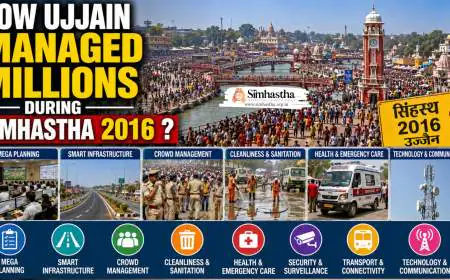
Crowd Management and Sector Planning
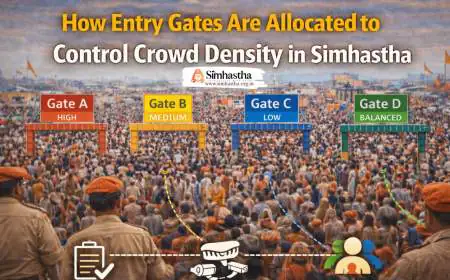
One of the defining features of Simhastha 2016 was the introduction of sector-based planning across the mela area.
Key elements included:
-
Division of the city and ghats into sectors
-
Barricaded walking corridors
-
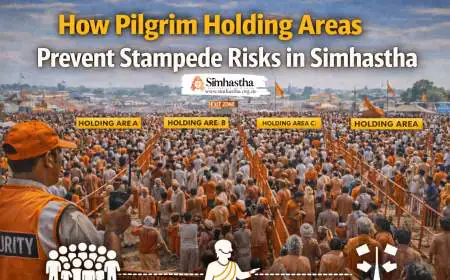
Holding areas to regulate ghat entry
-
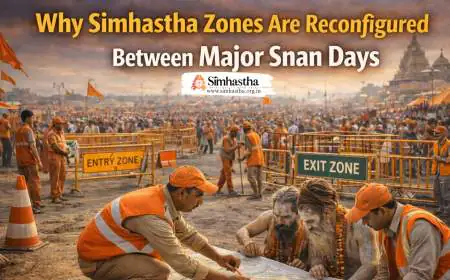
Dedicated routes for entry and exit
While the system faced challenges, it laid the foundation for more refined planning in later years.
Administration and Security Arrangements
Simhastha 2016 involved coordination between:
-
State administration
-
Local authorities
-
Police and disaster management teams
-
Medical services and volunteers
Security checkpoints, medical aid posts, and temporary control rooms were established across the city. Though the scale was unprecedented, authorities managed to maintain overall order through phased movement and continuous monitoring.
Infrastructure Created for Simhastha 2016
To host the event, Ujjain saw rapid infrastructure development, including:
-
Temporary pontoon bridges
-
Ghat redevelopment and cleaning
-
Temporary roads and lighting
-
Water supply and sanitation facilities
While many structures were temporary, several road and drainage improvements became permanent assets for the city.
Challenges Faced During Simhastha 2016
Despite overall success, Simhastha 2016 highlighted challenges such as:
-
Sudden crowd surges on peak days
-
Pressure on narrow city roads
-
Limited accommodation near ghats
-
Communication gaps for first-time visitors
These challenges became learning points rather than failures.
Role of Volunteers and Public Cooperation
Volunteers played a crucial role in:
-
Guiding pilgrims
-
Managing queues
-
Providing first aid
-
Helping elderly visitors
Public cooperation, patience, and discipline were key reasons why Simhastha 2016 concluded without large-scale disruption despite the massive turnout.
Spiritual Atmosphere and Public Experience
Beyond logistics, Simhastha 2016 was remembered for its:
-
Calm early-morning ghats
-
Collective chanting and prayer
-
Spiritual discourses across Akhara camps
-
Sense of unity across social and regional backgrounds
For many pilgrims, it was a once-in-a-lifetime spiritual experience.
Key Lessons Learned from Simhastha 2016
Authorities and planners identified several lessons:
-
Early planning is essential
-
Crowd density must be monitored in real time
-
Sector-based flow reduces risk
-
Clear communication helps first-time visitors
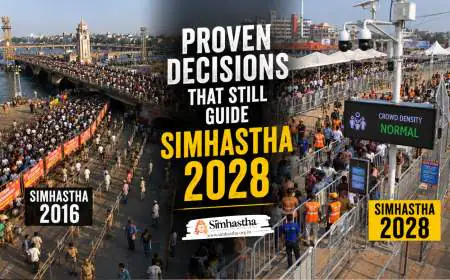
These lessons directly influence the planning of Simhastha 2028.
Why Simhastha 2016 Still Matters Today
Simhastha 2016 serves as the reference benchmark for:
-
Infrastructure scaling
-
Crowd safety protocols
-
Volunteer training
-
Emergency response planning
Every improvement planned for Simhastha 2028 builds upon the experiences of 2016.
What Was Different in Simhastha 2016 Compared to Earlier Editions
Compared to earlier Simhasthas, the 2016 edition saw:
-
Higher urban population pressure
-
Greater media coverage
-
More complex transportation needs
This marked a transition from traditional mela management to modern large-scale event planning.
Simhastha 2016 as a Foundation, Not a Finale
Simhastha 2016 was not perfect, but it was historic. It demonstrated that Ujjain could host one of the world’s largest spiritual gatherings while maintaining discipline, devotion, and safety.
For pilgrims, it was a sacred journey.
For administrators, it was a masterclass in scale.
For the future, it remains the foundation on which Simhastha 2028 is being built.
Frequently Asked Questions