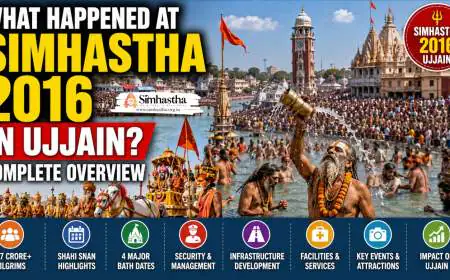



































Simhastha 2016 Dates, Shahi Snan Schedule & Rituals Explained
Complete factual guide to Simhastha 2016 in Ujjain covering official dates, Shahi Snan schedule, key rituals, and religious significance based on historical records.



Simhastha 2016: Dates, Shahi Snan Schedule, and Key Rituals
Simhastha 2016 was the most recent Kumbh Mela organized in Ujjain, Madhya Pradesh, and remains a defining religious event in the city’s modern history. Held on the sacred banks of the Shipra River, this Simhastha followed classical astrological calculations and centuries-old ritual traditions. Millions of pilgrims, saints, and Akharas gathered during the mela period to perform sacred bathing rites and participate in spiritual observances rooted deeply in Sanatan Dharma.
This article presents a complete factual account of Simhastha 2016 dates, Shahi Snan schedule, and major rituals, based strictly on historical records and observed practices.
Also Read | Ujjain Simhastha - Meaning, History & Why It Matters
When Was Simhastha 2016 Held?
Simhastha 2016 was conducted from April to May 2016 in Ujjain. The timing of the mela was determined by the specific planetary alignment of Jupiter (Guru) in Leo (Simha Rashi) and the position of the Sun, as prescribed in ancient Hindu scriptures.
Trending Guides Now

Simhastha 2016 Crowd Statistics: Official Figures vs Ground Estimates Explained
How Many People Attended Simhastha 2016? Official Estimates Explained

Which Crowd-Control Decisions from Simhastha 2016 Are Still Used in Simhastha 2028

How Simhastha 2016 Ensured Safety: Police & Disaster Planning ?

Ujjain Railway Station to Mahakaleshwar Temple Distance (2026 Guide)

Ujjain Simhastha 2028 Dates Announced: Full Shahi Snan & Event Timeline

Omkareshwar Trip Budget Guide: Transport, Stay, Food and Local Travel Costs

Kashi Vishwanath Trip Budget Guide: Hotel, Local Transport, Food and Darshan Planning
The event unfolded over several weeks, during which pilgrims arrived in phases aligned with auspicious bathing dates. Ujjain transformed into a large spiritual settlement, with temporary infrastructure supporting ritual activities, pilgrim movement, and religious assemblies.
Official Shahi Snan Dates of Simhastha 2016
Shahi Snan, also known as Royal Bathing, is the most sacred ritual of Simhastha. These bathing days are reserved primarily for Akharas and ascetic orders, followed by general devotees.
The main Shahi Snan dates during Simhastha 2016 were:
-
10 April 2016 – First Shahi Snan (Chaitra Purnima)
-
22 April 2016 – Second Shahi Snan (Chaitra Purnima related observance)
-
21 May 2016 – Third Shahi Snan (Vaishakh Purnima)


On these days, Akharas proceeded to the Shipra River in a fixed ceremonial order, accompanied by traditional music, flags, and disciplined processions.
Also Read | Ofiicial Shahi Snan Dates of Simhastha 2028
Significance of Shahi Snan at Shipra River
Bathing in the Shipra River during Simhastha is believed to cleanse spiritual impurities and grant religious merit. The Shahi Snan holds special importance because it is performed under precise cosmic conditions, making it distinct from ordinary ritual bathing.
During Simhastha 2016, the Shipra ghats were divided into zones to manage ritual flow, ensuring that Akhara processions, saints, and general pilgrims could complete the bathing rituals in an orderly manner.
Major Rituals Performed During Simhastha 2016
Apart from Shahi Snan, Simhastha 2016 included a wide range of religious practices:
Akhara Processions
Each Akhara followed a traditional sequence while proceeding for ritual bathing. Naga Sadhus led the processions, symbolizing renunciation and spiritual discipline.
Daily Snan for Pilgrims
On non-Shahi Snan days, pilgrims performed regular bathing rituals throughout the mela period, particularly during auspicious lunar dates.
Dharm Sabhas and Discourses
Religious assemblies were organized where saints and scholars discussed spiritual philosophy, social values, and religious conduct.
Pujas and Vedic Rituals
Fire rituals, chanting of mantras, and temple-centered worship continued daily across Ujjain during Simhastha 2016.
Why Simhastha 2016 Was Religiously Important
Simhastha 2016 reaffirmed Ujjain’s status as one of the four sacred Kumbh cities of India. The event preserved traditional Akhara hierarchies, ritual sequences, and astrological observances while accommodating modern administrative systems.
For devotees, participation in Simhastha 2016 was considered a once-in-a-lifetime spiritual opportunity, deeply connected to faith, discipline, and collective religious memory.
Historical Importance of Simhastha 2016
As the last completed Simhastha, the 2016 edition serves as a reference point for understanding the scale, ritual discipline, and administrative complexity of Kumbh Melas in Ujjain. Its documented dates, bathing schedules, and ritual practices continue to be cited in religious studies and governance planning.
Simhastha 2016 remains a vital chapter in the living tradition of India’s sacred congregations.
Related Simhastha Guides:
Frequently Asked Questions