

























How Many People Attended Simhastha 2016? Official Estimates Explained
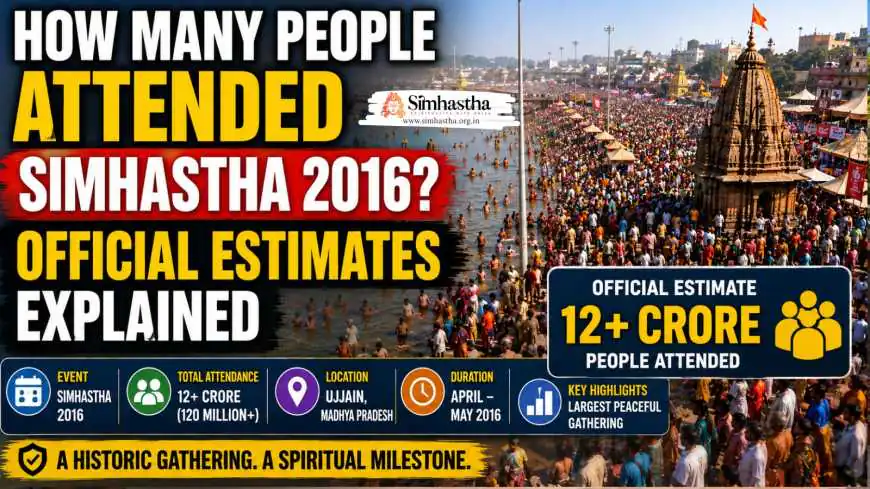
How many people actually attended Simhastha 2016 in Ujjain? This clear guide explains official footfall estimates, how numbers were calculated, peak-day attendance, and why Simhastha 2016 remains a benchmark for planning Simhastha 2028.


How Many People Attended Simhastha 2016? Official Estimates Explained
One of the most frequently asked questions about Simhastha 2016 in Ujjain is also one of the most misunderstood: How many people actually attended the event?
Numbers quoted online range wildly, often without context or explanation. To understand the true scale of Simhastha 2016, it is essential to look at official estimates, how they were calculated, and what those numbers really represent.
This article explains the attendance of Simhastha 2016 in a clear, factual way, without exaggeration or speculation.
For Every pilgrims, understanding Simhastha 2028 dates and the official Shahi Snan timeline is essential before booking flights or accommodation, as these sacred dates are completely non-negotiable.
Why Attendance Numbers Matter
Attendance figures are not just a point of curiosity. They matter because they:
Trending Guides Now
Which Crowd-Control Decisions from Simhastha 2016 Are Still Used in Simhastha 2028

How Simhastha 2016 Ensured Safety: Police & Disaster Planning ?

How Simhastha 2016 Prevented Stampedes: Crowd Safety Measures Explained

Health, Sanitation, and Medical Facilities During Simhastha 2016: A Complete Public Health Overview

Ujjain Railway Station to Mahakaleshwar Temple Distance (2026 Guide)

Ujjain Simhastha 2028 Dates Announced: Full Shahi Snan & Event Timeline
Mangalnath Temple Trip Budget: Puja, Local Transport, Food and Stay Planning

Omkareshwar Trip Budget Guide: Transport, Stay, Food and Local Travel Costs
-
Define infrastructure requirements
-
Influence future planning decisions
-
Shape safety and crowd-management models
-
Serve as benchmarks for Simhastha 2028
Simhastha 2016 is now the reference event against which future Simhasthas are measured.
Official Attendance Estimates for Simhastha 2016
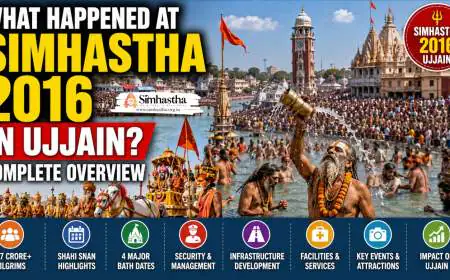
According to consolidated official assessments released during and after the event, Simhastha 2016 recorded several crore pilgrim visits over its full duration.

It is important to understand the wording:
-
These figures represent total pilgrim visits, not unique individuals
-
Many pilgrims attended on multiple days
-
Peak days saw exceptionally high concentration
This distinction prevents misunderstanding of the data.
Peak-Day Attendance on Shahi Snan Days
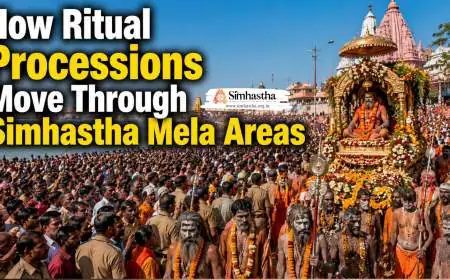
The highest footfall during Simhastha 2016 occurred on Shahi Snan (Royal Bath) days.
On peak Shahi Snan days:
-
Several million pilgrims were present within a 24-hour window
-
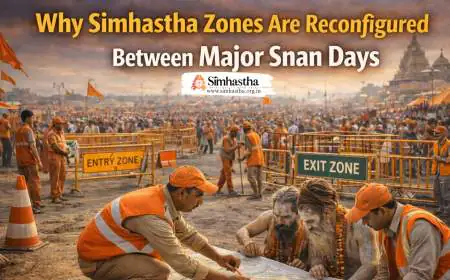
Entry and exit were managed in controlled phases
-
Crowd density was monitored continuously
These days alone accounted for a significant share of total attendance.
Total Duration vs Daily Footfall
Simhastha 2016 spanned several weeks. Attendance must be viewed in two layers:
-
Cumulative attendance across all days
-
Daily peak attendance on major bathing days
While daily numbers fluctuated, cumulative attendance reached into multiple crores of pilgrim visits.
How Authorities Calculated Attendance
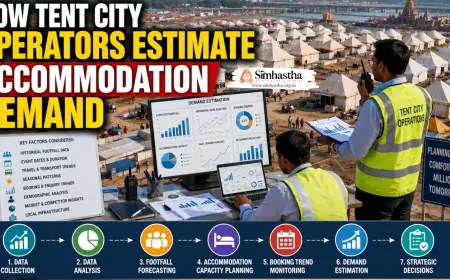
Attendance was not estimated randomly. Authorities used multiple data inputs:
-
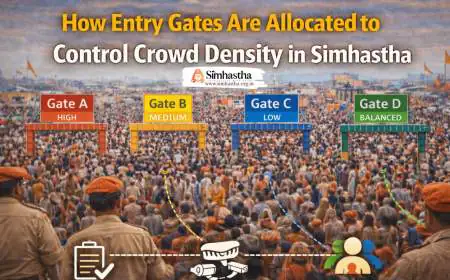
Entry and exit counts at sector gates
-
CCTV-based crowd assessment
-
Transport arrival data (trains, buses, vehicles)
-
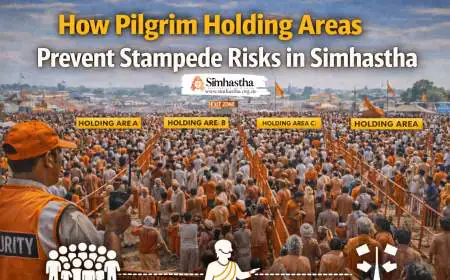
Holding area capacity calculations
By combining these sources, planners generated conservative and safety-focused estimates.
Why Numbers Are Given as Ranges
You will often see attendance reported as a range rather than an exact figure. This is because:
-
Continuous movement prevents exact headcounts
-
Pilgrims move in and out throughout the day
-
The same person may be counted multiple times across days
Ranges provide realistic accuracy without false precision.
Comparison With Earlier Simhasthas
Compared to previous editions:
-
Simhastha 2016 had significantly higher daily peaks
-
Urban population growth increased baseline footfall
-
Improved transport access boosted attendance
This confirmed Simhastha 2016 as the largest Ujjain Simhastha to date.
Role of Infrastructure in Managing the Crowd
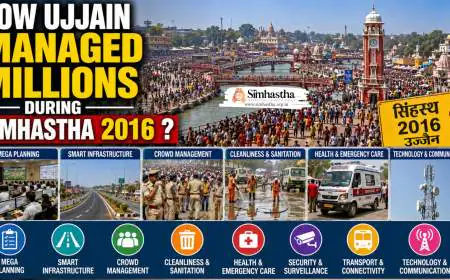
Infrastructure built for Simhastha 2016 was designed around these estimates:
-
Expanded ghat capacity
-
Temporary pontoon bridges
-
Sector-based crowd flow systems
-
Holding areas for density control
Attendance estimates directly shaped these decisions.
Why Some Sources Exaggerate the Numbers
Unofficial sources often:
-
Mix cumulative visits with daily attendance
-
Combine multiple cities’ numbers
-
Use rounded figures without methodology
Official estimates deliberately avoid exaggeration to maintain planning accuracy.
What “Crores of Pilgrims” Really Means
When officials state “crores of pilgrims,” it means:
-
The sum of all visits across the event duration
-
Not that crores of unique individuals were present at one time
This is standard practice in large-scale event measurement.
Why Simhastha 2016 Is a Benchmark for 2028
Simhastha 2016 provides:
-
Real crowd density data
-
Tested sector capacities
-
Proven safety thresholds
-
Lessons for peak-day management
All planning for Simhastha 2028 builds upon the attendance realities of 2016.
Attendance Distribution Across the City
Crowd presence was not limited to ghats alone. Pilgrims were distributed across:
-
Akhara camps
-
Temporary settlements
-
Temple circuits
-
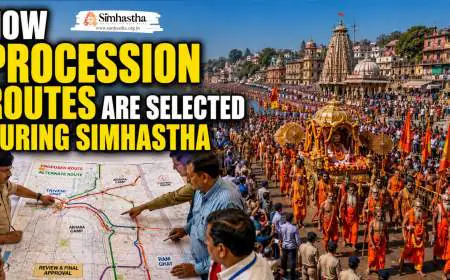
Transport corridors
This spatial distribution reduced extreme density in single locations.
What First-Time Readers Should Understand
The key takeaway is simple:
-
Simhastha 2016 was massive but not chaotic
-
Numbers were managed, not uncontrolled
-
Attendance scale was matched with planning discipline
This understanding helps reduce anxiety for future visitors.
Why Exact Numbers Are Less Important Than Patterns
For safety and planning:
-
Peak timing matters more than totals
-
Density matters more than raw counts
-
Movement patterns matter more than headlines
Simhastha 2016 delivered these insights clearly.
Conclusion: Understanding the True Scale of Simhastha 2016
Simhastha 2016 in Ujjain recorded several crore pilgrim visits, with peak days witnessing millions of devotees within tightly managed time windows. These figures are neither inflated nor minimized. They are operational estimates designed to guide safety, not to impress.
Understanding these numbers correctly helps pilgrims, planners, and researchers appreciate the true scale of Simhastha and prepares everyone for Simhastha 2028.
Frequently Asked Questions