
























Health, Sanitation, and Medical Facilities During Simhastha 2016: A Complete Public Health Overview
An in-depth look at how health, sanitation, and medical systems were planned and executed during Simhastha 2016, ensuring safety for millions of pilgrims in Ujjain.


Health, Sanitation, and Medical Facilities During Simhastha 2016: A Complete Public Health Overview
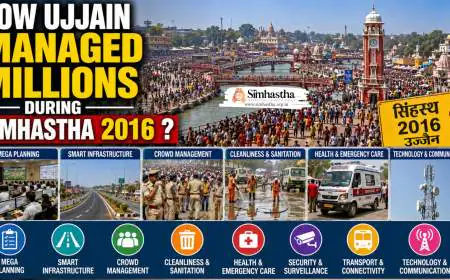
Managing health and sanitation for millions of pilgrims is one of the most complex challenges of any mass religious gathering. During Simhastha 2016, Ujjain was transformed into a temporary public-health ecosystem designed to prevent disease outbreaks, manage medical emergencies, and maintain hygiene across a vast and continuously moving population. The success of Simhastha 2016 health facilities was not accidental. It was the result of coordinated planning that treated sanitation and healthcare as foundational infrastructure, not secondary services.
This article explains how public health during Simhastha 2016 was engineered in real conditions. From sanitation systems near the Kshipra River to emergency medical response networks, every layer worked together to protect pilgrims. Understanding this framework is essential because the same principles continue to guide future planning, including preparations for Simhastha 2028.
Why Public Health Was a Core Priority in Simhastha 2016
Large gatherings amplify health risks. Crowding, fatigue, dehydration, and exposure to new environments can quickly turn minor issues into large-scale emergencies. Authorities planning Simhastha 2016 sanitation and health systems recognized this reality early. Rather than responding to illness, the focus was placed on prevention, early detection, and rapid intervention.
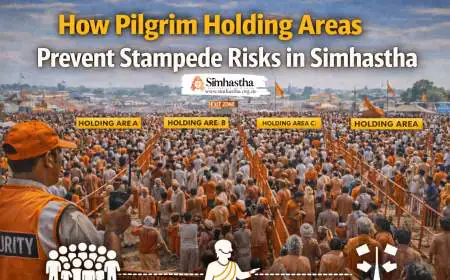
This approach aligned with broader safety frameworks used during the event, similar to those described in stampede prevention and crowd safety systems of Simhastha 2016 , where prevention was prioritized over reaction.
Trending Guides Now

Simhastha 2016 Crowd Statistics: Official Figures vs Ground Estimates Explained
How Many People Attended Simhastha 2016? Official Estimates Explained
Which Crowd-Control Decisions from Simhastha 2016 Are Still Used in Simhastha 2028

How Simhastha 2016 Ensured Safety: Police & Disaster Planning ?

Ujjain Railway Station to Mahakaleshwar Temple Distance (2026 Guide)

Ujjain Simhastha 2028 Dates Announced: Full Shahi Snan & Event Timeline
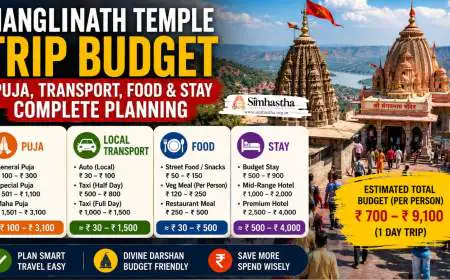
Mangalnath Temple Trip Budget: Puja, Local Transport, Food and Stay Planning

Omkareshwar Trip Budget Guide: Transport, Stay, Food and Local Travel Costs
Sanitation Infrastructure Across the Simhastha Area
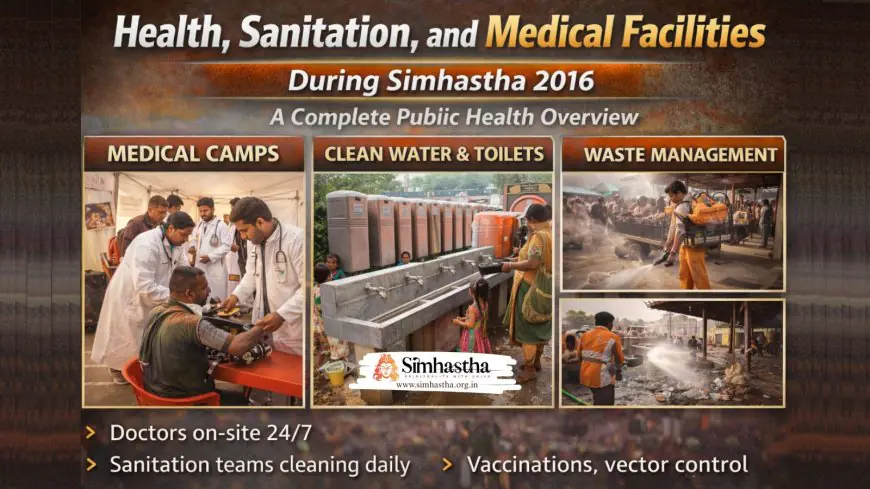
Simhastha sanitation planning involved deploying thousands of temporary toilet units, handwashing stations, and waste collection points across ghats, roads, and accommodation zones. These facilities were strategically placed to match pedestrian flow and resting areas. Frequent cleaning cycles ensured that hygiene standards were maintained throughout the day.
- Temporary toilet blocks near ghats and holding zones
- Dedicated sanitation workers on rotating shifts
- Solid waste segregation and daily removal
- Drainage management to prevent waterlogging
Special attention was given to Kshipra ghat sanitation, as river-adjacent zones are particularly sensitive to contamination during ritual bathing.
Safe Drinking Water and Dehydration Prevention
Providing safe drinking water was critical to preventing dehydration and waterborne illness. Authorities installed treated water kiosks, mobile water tankers, and refill points across pilgrim routes. Regular testing ensured water quality compliance.
This water-safety strategy complemented broader movement planning explained in how to travel in Ujjain during peak Snan days , where hydration planning was integrated with walking-heavy travel systems.
Medical Camps and Primary Healthcare Access
Simhastha 2016 medical facilities included hundreds of temporary medical camps, each staffed with doctors, nurses, and paramedics. These camps addressed common issues such as dehydration, fatigue, minor injuries, infections, and chronic-condition flare-ups.
- First-aid and triage stations
- Primary treatment camps near ghats
- Mobile medical units for remote zones
- Ambulance networks linked to city hospitals
This decentralized healthcare model ensured that medical help was always within reachable distance.

Emergency Medical Response and Referral Systems
Serious cases required rapid escalation. Emergency response systems were designed with dedicated corridors, ambulance priority routes, and direct hospital coordination. Response times were minimized by positioning resources close to high-density zones.
This medical-readiness model benefited from crowd-density insights drawn from Simhastha 2016 crowd statistics and movement analysis , which helped identify pressure points requiring higher medical presence.
Disease Surveillance and Preventive Health Measures
Preventing outbreaks was a silent success of Simhastha 2016 public health systems. Health teams monitored symptoms, tracked patterns, and responded quickly to clusters. Vaccination awareness, hygiene messaging, and early treatment reduced transmission risk.
These preventive systems ensured that Simhastha concluded without major public-health incidents, despite the scale and density of participation.
Coordination Between Health, Sanitation, and Administration
One reason Simhastha 2016 health management succeeded was inter-departmental coordination. Health officials worked closely with sanitation teams, police, and planners. Decisions were data-driven and adjusted in real time.
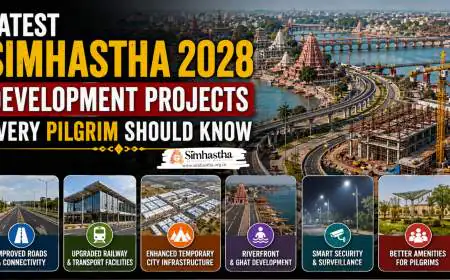
This coordination model now forms the backbone of Simhastha 2028 development and public health planning , which integrates healthcare into overall infrastructure design.
Why Health Systems Matter to the Spiritual Experience
Good health infrastructure does more than prevent illness. It preserves dignity. Pilgrims who feel safe, hydrated, and cared for are able to focus on ritual and devotion rather than survival. This invisible support system is essential to the spiritual success of Simhastha.
Lessons from Simhastha 2016 for Future Events
The health, sanitation, and medical systems used during Simhastha 2016 demonstrate that large gatherings can be safe when planning is disciplined and proactive. These lessons now inform every major decision for future Simhastha events.
They also reinforce why Simhastha can only happen in Ujjain , where geography, administration, and planning experience converge.
Frequently Asked Questions