










Which Crowd-Control Decisions from Simhastha 2016 Are Still Used in Simhastha 2028
Several crowd-control decisions first implemented during Simhastha 2016 continue to guide Simhastha 2028 planning, shaping safety, movement, and sector-based governance.
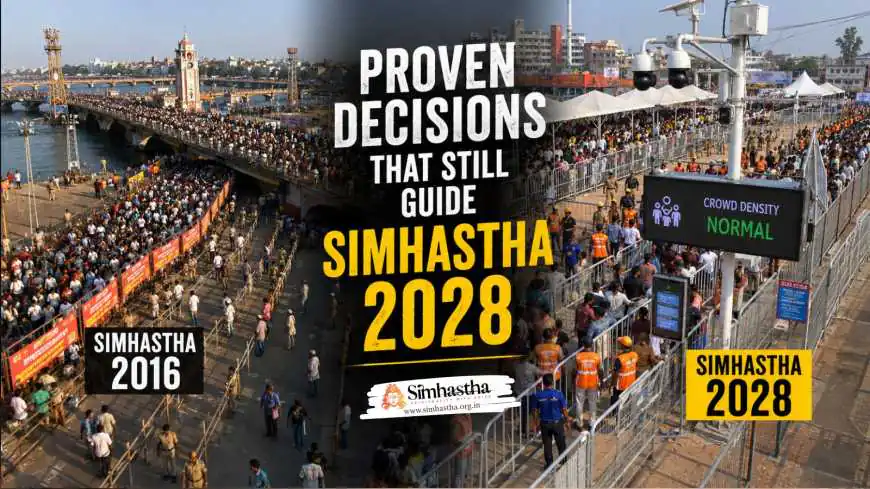


Why Simhastha 2016 Still Shapes Simhastha 2028 Crowd Planning
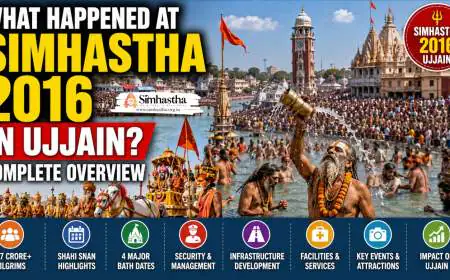
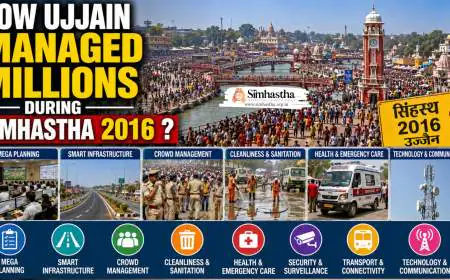
The scale of Simhastha 2028 crowd management cannot be understood without revisiting Simhastha 2016 crowd control decisions. The 2016 Simhastha was the moment when Ujjain transitioned from traditional crowd handling to structured, system-driven crowd governance.
Rather than relying on reactive policing, Ujjain Simhastha 2016 introduced planning models that treated crowd movement as a measurable, predictable, and designable system. These decisions were not temporary experiments. They became the foundation of modern Simhastha safety planning, and today, many of them continue to operate at an even larger scale in Simhastha 2028.
For Every pilgrims, understanding Simhastha 2028 dates and the official Shahi Snan timeline is essential before booking flights or accommodation, as these sacred dates are completely non-negotiable.
Sector-Based Zoning: From 2016 Framework to 2028 Backbone
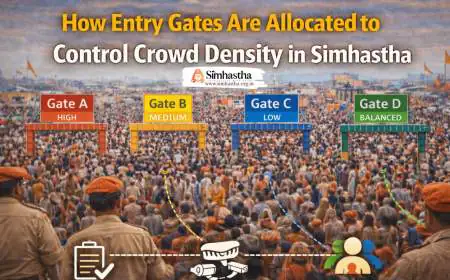
One of the most critical Simhastha 2016 crowd management decisions was the formal adoption of sector-based crowd control. The entire mela area was divided into administrative sectors, each with fixed boundaries, defined capacity, and local command authority.
Trending Guides Now

Simhastha 2016 Crowd Statistics: Official Figures vs Ground Estimates Explained
How Many People Attended Simhastha 2016? Official Estimates Explained

How Simhastha 2016 Ensured Safety: Police & Disaster Planning ?
Simhastha 2016 Dates, Shahi Snan Schedule & Rituals Explained

Ujjain Railway Station to Mahakaleshwar Temple Distance (2026 Guide)

Ujjain Simhastha 2028 Dates Announced: Full Shahi Snan & Event Timeline
Mahakaleshwar Sandhya Aarti Online Booking 2026: Fee, Timings, Entry Gate and Step-by-Step Process
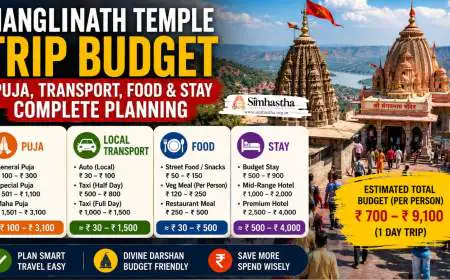
Mangalnath Temple Trip Budget: Puja, Local Transport, Food and Stay Planning
In Simhastha 2028 planning, this model has not only survived but expanded. Simhastha sector planning now integrates movement corridors, emergency services, sanitation, and holding areas within each sector. This continuity exists because sector-based crowd control in Simhastha proved to be the only scalable way to manage crore-level footfall without systemic failure.
The logic remains unchanged: decentralization prevents collapse.
Crowd Density Calculation: From Estimation to Prediction
During Simhastha 2016 safety planning, authorities introduced scientific crowd density planning based on square-meter capacity rather than visual judgment. This shift fundamentally changed how Simhastha crowd control systems operate.
In Simhastha 2028, crowd density thresholds are being applied more rigorously across ghats, corridors, holding zones, and sector entry points. The same crowd density management principles tested in 2016 now guide real-time decision-making in 2028.
This continuity exists because crowd density planning in Simhastha prevents emergencies before they materialize.
Unidirectional Pedestrian Movement: A Non-Negotiable Rule
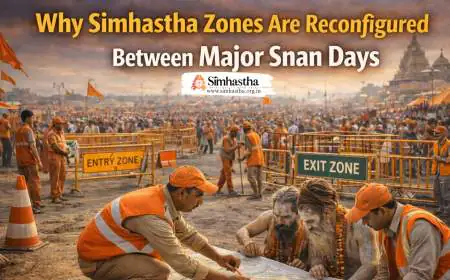
One of the most visible legacies of Simhastha 2016 crowd control is the continued enforcement of unidirectional pedestrian movement. In 2016, separating entry and exit routes near Shipra ghats drastically reduced cross-flow pressure.

For Simhastha 2028, this system is being expanded across larger areas with wider corridors and clearer signage. Simhastha pedestrian movement systems still rely on one-way circulation because it aligns with natural human behavior and reduces panic risk.
This is why one-way movement in Simhastha remains a permanent planning principle.
Holding Zones: Pressure Valves That Still Protect Ghats
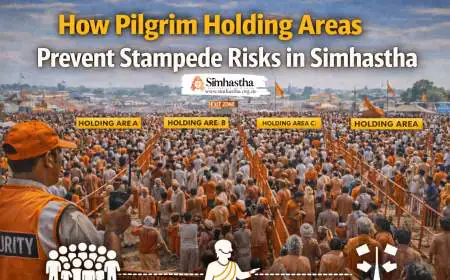
The concept of holding zones emerged as a critical crowd-control innovation during Ujjain Simhastha 2016. Instead of allowing continuous inward movement, pilgrims were held in safe buffer areas during peak periods.
In Simhastha 2028 crowd management, holding zones have become more structured, better equipped, and more strategically located. The core idea remains unchanged: crowd regulation through controlled release, not force.
The continued use of Simhastha holding zones proves that safe waiting is as important as safe movement.
Pedestrian–Vehicle Separation: A Safety Principle That Endured
Another lasting decision from Simhastha 2016 infrastructure planning was the strict separation of pedestrian and vehicular movement. Core ritual zones were reserved exclusively for walking pilgrims, while logistics and emergency vehicles operated on peripheral routes.
In Simhastha 2028, this separation is being enforced more strictly because larger footfall magnifies risk. Simhastha traffic management systems still rely on this model to ensure safety, dignity, and rapid emergency response.
This decision endured because it protects both human life and spiritual experience.
Decentralized Command Structure: Faster Decisions, Safer Outcomes
Unlike earlier melas, Simhastha 2016 crowd management empowered sector-level command centers with real authority. These units could halt movement, divert crowds, or activate emergency protocols independently.
In Simhastha 2028 planning, decentralized command remains central to safety governance. Local decision-making reduces response time and prevents small issues from escalating into systemic failures.
The success of this model explains why Simhastha administrative planning still avoids over-centralization.
Volunteer Integration: Humanizing Crowd Control
One of the most understated yet effective Simhastha 2016 crowd control decisions was the formal integration of trained volunteers into movement guidance roles. Volunteers acted as communicators, not enforcers.
This approach continues in Simhastha 2028 safety planning because volunteer-led crowd management builds trust and compliance organically. Crowds respond better to guidance delivered with empathy than authority delivered with force.
This human element remains irreplaceable even in technology-driven systems.
Visual Navigation Systems: Designing Intuitive Movement
During Simhastha 2016, authorities invested heavily in visual signage, color-coded sectors, and directional cues. This reduced confusion and minimized reliance on verbal instructions.
In Simhastha 2028, visual navigation has become even more critical due to larger and more diverse pilgrim demographics. The continued use of visual crowd navigation systems in Simhastha reflects their proven effectiveness.
Good signage silently regulates millions.
Why These 2016 Decisions Still Govern Simhastha 2028
The crowd-control decisions that survived from Simhastha 2016 to Simhastha 2028 share one common trait. They respect human behavior, spatial logic, and devotional psychology.
They do not attempt to control faith.
They design space around it.
As Simhastha grows in scale, these principles become more essential, not less. Simhastha 2016 did not merely manage a crowd. It redefined how India plans safety for faith at scale.
Frequently Asked Questions