


























How Simhastha 2016 Ensured Safety: Police & Disaster Planning ?
Simhastha 2016 successfully managed the safety of millions in Ujjain. This detailed guide explains police deployment, disaster management systems, crowd safety planning, emergency response, and why Simhastha 2016 became a national benchmark for large religious events.


How Simhastha 2016 Ensured Safety: Police & Disaster Planning
Managing faith is not difficult.
Managing millions of people expressing faith at the same time is one of the hardest challenges any administration can face.
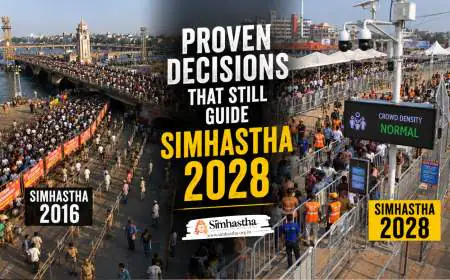
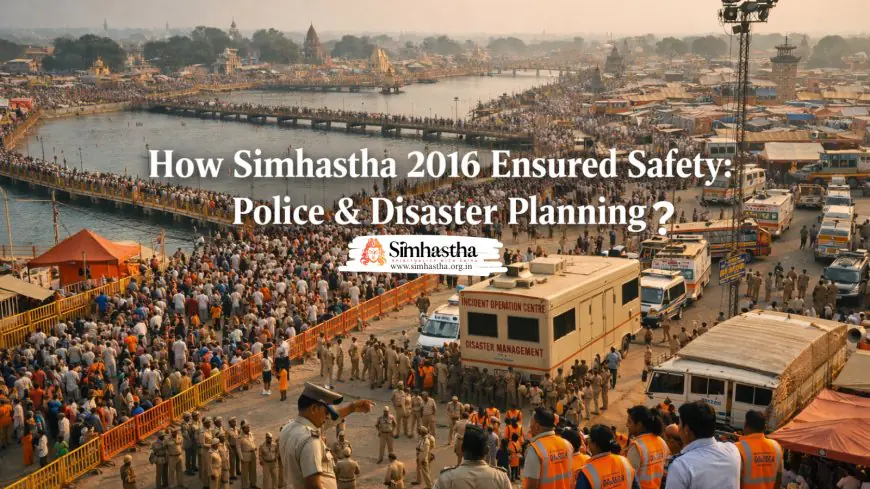
During Simhastha Mahakumbh 2016, Ujjain confronted this challenge directly. Over several weeks, the city handled crores of pilgrim visits, peak-day surges of millions, and constant movement across river ghats, temples, roads, and temporary settlements. What stood out was not the scale alone, but the fact that Simhastha 2016 concluded without major large-scale disaster, despite its size.
This was not accidental. It was the result of layered security planning, disciplined police deployment, and integrated disaster management systems designed specifically for Simhastha conditions.
Why Safety Planning Was Critical for Simhastha 2016
Simhastha 2016 posed unique risks:
Trending Guides Now

Simhastha 2016 Crowd Statistics: Official Figures vs Ground Estimates Explained
What Happened at Simhastha 2016 in Ujjain? Complete Overview
How Ujjain Managed Millions During Simhastha 2016 ?
How Many People Attended Simhastha 2016? Official Estimates Explained

Ujjain Railway Station to Mahakaleshwar Temple Distance (2026 Guide)

Ujjain Simhastha 2028 Dates Announced: Full Shahi Snan & Event Timeline

Mangalnath Temple Trip Budget: Puja, Local Transport, Food and Stay Planning

Omkareshwar Trip Budget Guide: Transport, Stay, Food and Local Travel Costs
-
Dense crowds near the Shipra River
-
Narrow historic streets of Ujjain
-
Peak Shahi Snan days with sudden inflow
-
Elderly pilgrims and children in large numbers
-
Temporary infrastructure exposed to weather
Unlike stadium events or rallies, Simhastha had no fixed entry or exit time, making safety planning far more complex.

Multi-Layered Security Strategy
Security at Simhastha 2016 followed a multi-ring model, ensuring that no single failure point could escalate into a disaster.
Key layers included:
-
City-level perimeter security
-
Sector-wise policing
-
Ghat-level crowd monitoring
-
Rapid response and disaster teams
Each layer worked independently yet remained connected through a centralized command system.
Police Deployment Across Ujjain
Police deployment was visibility-based and guidance-oriented, not aggressive.
Key features:
-
Sector-wise police stations
-
Fixed posts at entry and exit points
-
Mobile patrol teams
-
Women police units for pilgrim assistance
Officers were trained to guide movement, prevent panic, and de-escalate situations, rather than enforce through force.
Sector-Based Security Planning
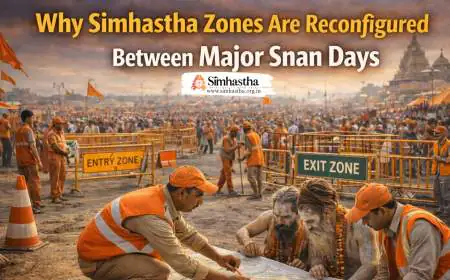
Ujjain was divided into clearly defined sectors, each functioning like a mini-city.
Each sector had:
-
Dedicated police command
-
Medical and disaster teams
-
Volunteer coordination units
-
Communication links to control rooms
This ensured that local issues were resolved locally, without spreading confusion citywide.
Central Control Rooms: The Safety Nerve Center
One of the most important elements of Simhastha 2016 safety was the centralized control room system.
These control rooms monitored:
-
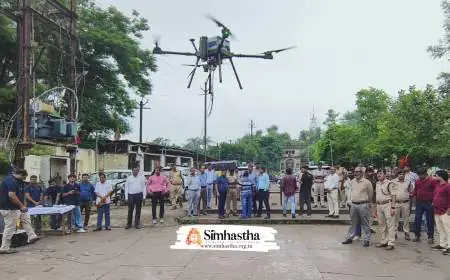
Live CCTV feeds
-
Crowd density heat zones
-
Entry–exit imbalance
-
Emergency alerts
Decisions such as route diversion, temporary halts, or ghat closure were made based on real-time data, not assumptions.
Crowd Density Monitoring and Control
Crowd density was continuously assessed using:
-
CCTV cameras
-
Observation towers
-
Sector reporting
-
Entry-exit counters
When density approached unsafe levels:
-
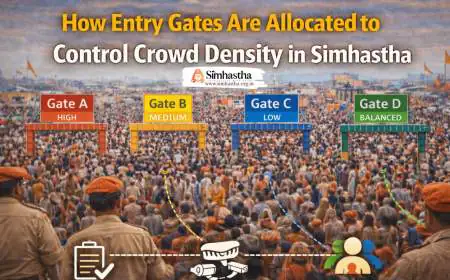
Entry points were temporarily closed
-
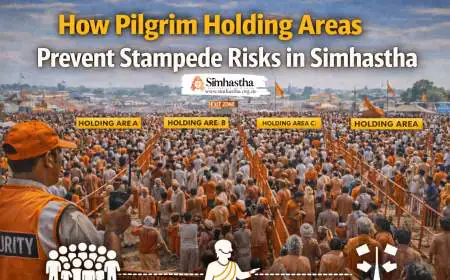
Holding areas were activated
-
Crowd flow was redirected
This prevented sudden pressure build-ups, especially on Shahi Snan days.
Disaster Management Teams on Standby
Disaster management during Simhastha 2016 was proactive, not reactive.
Dedicated teams included:
-
State disaster response units
-
Fire services
-
Medical emergency teams
-
Water rescue units near ghats
These teams were stationed inside sectors, not kept at distant locations.
Medical Emergency Preparedness
Medical safety was a core part of disaster planning.
Arrangements included:
-
Temporary hospitals
-
Ambulance corridors
-
First-aid posts in every sector
-
Emergency referral systems
Medical teams were trained to respond to:
-
Dehydration
-
Crowd fatigue
-
Minor injuries
-
Panic-related conditions
Special Planning for Shahi Snan Days
Shahi Snan days received maximum security and disaster focus.
On these days:
-
Police strength was increased
-
Movement windows were fixed
-
Crowd density thresholds were reduced
-
Control rooms operated round-the-clock
The goal was clear: zero tolerance for chaos.
Fire Safety and Temporary Infrastructure Monitoring
Given the scale of temporary tents and kitchens, fire safety was crucial.
Measures included:
-
Fire tenders stationed across sectors
-
Ban on unsafe cooking practices
-
Inspection of electrical installations
-
Rapid evacuation protocols
This prevented small incidents from escalating.
Role of Volunteers in Safety Management
Volunteers acted as the first human safety interface.
They:
-
Guided pilgrims calmly
-
Identified distressed individuals
-
Communicated instructions
-
Assisted police and medical teams
Their presence reduced fear and confusion, especially among first-time visitors.
Communication and Public Awareness
Clear communication prevented panic.
Methods included:
-
Public address systems
-
Directional signage
-
Volunteer announcements
-
Repeated safety instructions
Pilgrims were constantly informed about routes, waiting times, and safety rules.
Why Simhastha 2016 Avoided Major Disasters
Several factors worked together:
-
Early planning
-
Real-time monitoring
-
Sector-based control
-
Public cooperation
-
Calm enforcement
No single element was responsible. Safety emerged from systemic discipline.
Challenges Faced and Managed
Despite planning, challenges existed:
-
Sudden weather changes
-
Unexpected arrival surges
-
Communication gaps for outsiders
What mattered was response speed, not absence of challenges.
Lessons Learned for Simhastha 2028
Simhastha 2016 taught planners that:
-
Crowd psychology matters as much as numbers
-
Technology must support human judgment
-
Safety depends on discipline, not fear
These lessons directly shape Simhastha 2028 safety frameworks.
Why Simhastha 2016 Became a National Benchmark
Post-2016, Simhastha was studied as:
-
A large-scale crowd safety model
-
A disaster preparedness case study
-
A police-civil coordination example
It proved that religious gatherings can be safe at scale.
Safety as Silent Success
At Simhastha 2016, safety was not celebrated loudly.
It was experienced quietly.
Millions bathed, prayed, walked, and returned safely because planning worked without demanding attention.
That is the true measure of success.
You May Also Like :
- How Simhastha 2016 Ensured Safety: Police & Disaster Planning
- How Ujjain Managed Millions During Simhastha 2016 ?
- Simhastha 2016 Dates, Shahi Snan Schedule & Rituals Explained
- What Happened at Simhastha 2016 in Ujjain? Complete Overview
- Why Simhastha 2016 Was Held in Ujjain: Astrological Logic Explained
- How Many People Attended Simhastha 2016? Official Estimates Explained
- Simhastha 2016 Shahi Snan Dates: Full Timeline & Significance
- Simhastha 2028 Dates Officially Announced: Full Event & Shahi Snan Timeline
- Difference Between Ujjain Kumbh, Prayagraj Kumbh, and Haridwar Kumbh
- What Is Simhastha? Complete Explanation of Ujjain’s Sacred Kumbh
Frequently Asked Questions