



























How Simhastha 2016 Prevented Stampedes: Crowd Safety Measures Explained
Discover how Simhastha 2016 prevented stampedes through disciplined crowd control, infrastructure planning, route segregation, and safety systems that shaped future Simhastha planning.


How Simhastha 2016 Prevented Stampedes: Crowd Safety Measures Explained
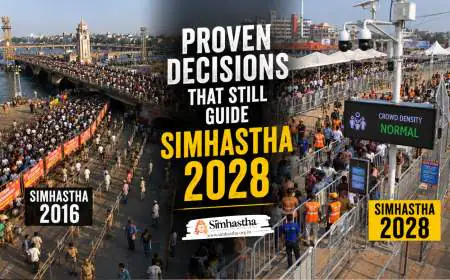
When millions gather at a single spiritual destination, safety becomes the most sacred responsibility. Simhastha 2016 stampede prevention was not based on last-minute policing or reactionary measures. It was the result of years of disciplined planning, system design, and behavioral control. Despite handling one of the largest pilgrim movements in central India, Simhastha 2016 passed without major stampede incidents. This outcome was not accidental.
Understanding how Simhastha 2016 prevented stampedes requires looking beyond surface-level security. It requires studying how infrastructure, ritual timing, crowd psychology, route engineering, and administrative coordination worked together. This article explains those systems clearly and calmly, without fear framing, so future planning lessons remain accessible and repeatable.
Why Stampede Prevention Was a Core Planning Priority
By 2016, authorities were fully aware that religious gatherings across India had suffered tragedies due to unmanaged crowd pressure. For Simhastha, where Shahi Snan days concentrate massive movement within narrow time windows, stampede prevention was treated as a non-negotiable foundation. Every planning decision started with one question: Can this system absorb peak pressure safely?
This safety-first mindset also shaped later planning models now visible in Simhastha 2028 development and safety planning , which directly builds upon lessons learned in 2016.
Trending Guides Now
How Ujjain Managed Millions During Simhastha 2016 ?
How Many People Attended Simhastha 2016? Official Estimates Explained
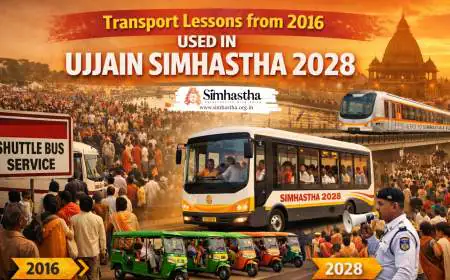
Transport Lessons from 2016 Used in Ujjain Simhastha 2028

Why Simhastha 2016 Was Held in Ujjain: Astrological Logic Explained

Ujjain Railway Station to Mahakaleshwar Temple Distance (2026 Guide)

Ujjain Simhastha 2028 Dates Announced: Full Shahi Snan & Event Timeline

Mahakaleshwar Sandhya Aarti Online Booking 2026: Fee, Timings, Entry Gate and Step-by-Step Process

Mangalnath Temple Trip Budget: Puja, Local Transport, Food and Stay Planning
Segregated Entry and Exit Systems
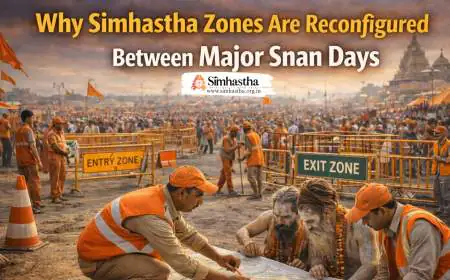
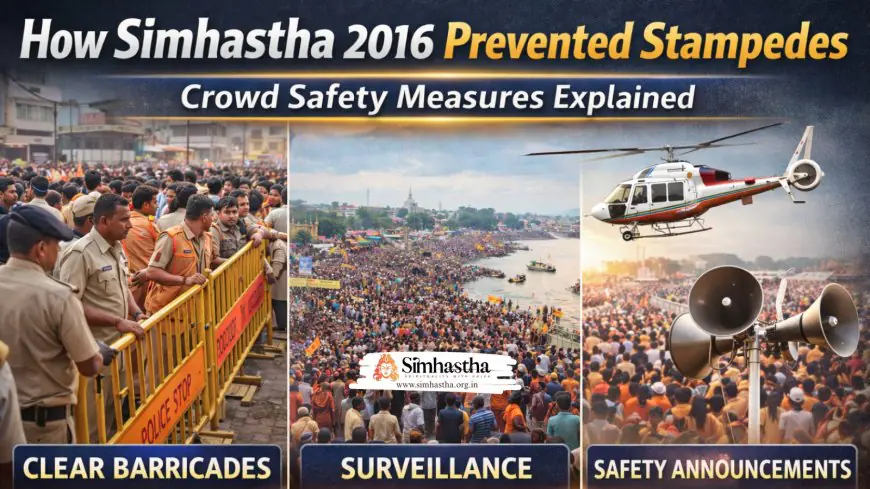
One of the most effective Simhastha 2016 crowd safety measures was strict entry-exit segregation. Pilgrims entering ghats were never allowed to cross paths with outgoing crowds. This eliminated opposing pressure waves, which are a major trigger for stampede conditions.
These routes were not symbolic. They were physically enforced using barricades, fencing, and directional manpower. Even if a route felt longer, it was intentionally designed to maintain continuous movement.
Controlled Crowd Density at Kshipra Ghats
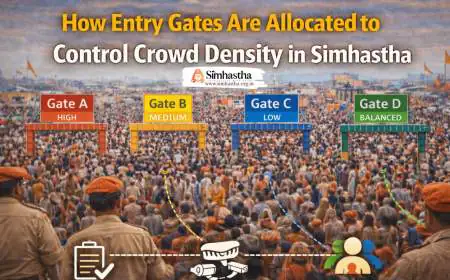
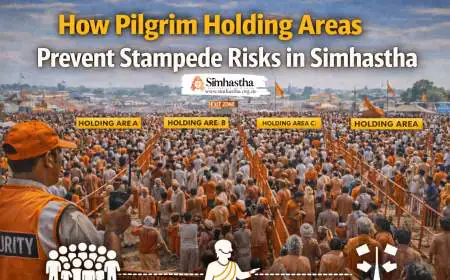
The Kshipra River ghats were treated as high-risk zones due to ritual concentration. Authorities calculated maximum safe density per square meter and enforced temporary holding zones once that limit was reached.
This approach mirrors insights drawn from Simhastha 2016 crowd statistics and density analysis , which showed how controlled pauses prevented dangerous compression.
Staggered Snan Scheduling to Prevent Surges
Unlike uncontrolled bathing, Simhastha 2016 followed staggered snan windows. Different akharas, pilgrim groups, and general devotees were assigned time phases. This prevented sudden surges toward the river.
The ritual logic behind this sequencing is explained in Shahi Snan order and timing logic , where discipline itself becomes a safety mechanism.

Real-Time Crowd Monitoring Systems
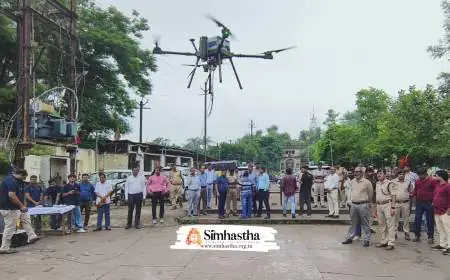
Simhastha 2016 safety infrastructure included CCTV surveillance, watchtowers, drone visuals, and sector-wise control rooms. These systems allowed authorities to detect crowd buildup early and redirect movement before pressure became dangerous.
Monitoring was proactive, not reactive. Crowd managers acted on trends, not emergencies.
Walking-First Travel Policy
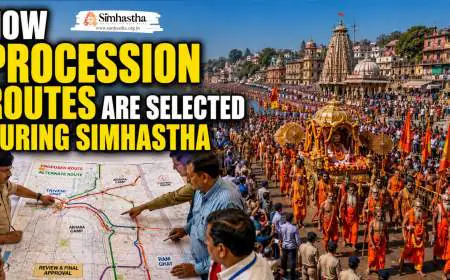
One of the most overlooked safety decisions was restricting vehicles near ritual zones. By enforcing pedestrian-only corridors, authorities reduced sudden stops, honking stress, and unpredictable obstructions.
This same principle is now explained for pilgrims in how to travel in Ujjain during peak Snan days , which helps pilgrims align with safety systems instead of fighting them.
Clear Signage and Public Announcements
Stampedes often occur when people feel lost or uncertain. Simhastha 2016 invested heavily in multilingual signage, loudspeaker announcements, and volunteer guidance. Pilgrims always knew where to go next.
Clarity reduces anxiety. Reduced anxiety reduces panic. This chain reaction is critical in crowd psychology.
Trained Crowd-Management Personnel
Police and volunteers were trained specifically for crowd behavior, not just law enforcement. Their role was to guide, slow, and reassure rather than command. This human element played a vital role in maintaining calm.
Emergency Corridors and Medical Readiness
Even with prevention systems, readiness matters. Dedicated emergency corridors were kept clear at all times. Medical teams were positioned within minutes of all major zones.
This layered approach ensured that even if stress rose, response time remained minimal.
Why Simhastha 2016 Succeeded Where Others Failed
The success of Simhastha 2016 stampede prevention lies in one principle: discipline over convenience. Every restriction existed for safety, not control. Pilgrims who cooperated experienced smooth movement.
These systems now inform all future Simhastha safety planning and reinforce why Simhastha can only happen in Ujjain , where geography and planning work together.
Why This Knowledge Still Matters
Understanding past safety success builds trust. It prepares pilgrims mentally. And it allows future events to scale safely without repeating mistakes. Stampede prevention is not fear management. It is discipline management.
Frequently Asked Questions