

















Where Pilgrims Stay During Ujjain Simhastha Event
Planning for Simhastha Kumbh in Ujjain? Discover where pilgrims stay during the Ujjain Simhastha event with insider tips on accommodation, logistics, and safety.
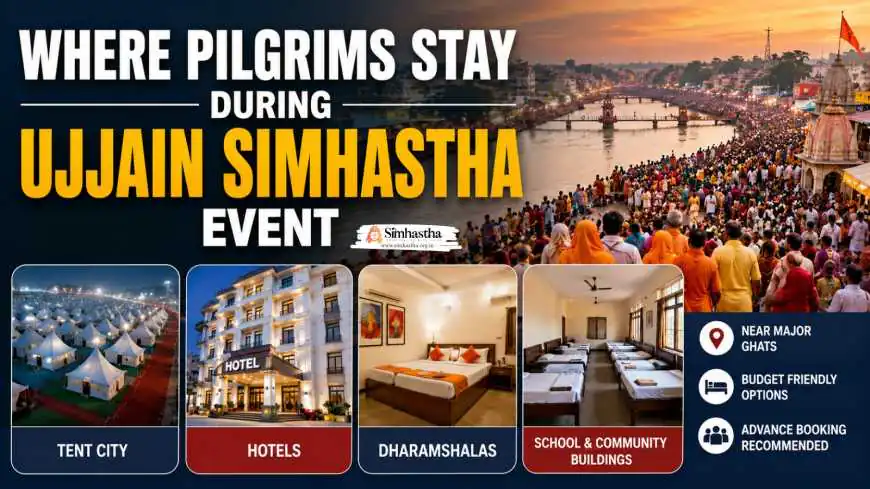


Every Twelve Years, Ujjain Becomes a City of Pilgrims
There is a rhythm to Ujjain that most travelers never feel. The normal hum of temple bells, chai stalls, and auto-rickshaws. The steady but manageable flow of pilgrims at Mahakaleshwar. But every twelve years, that rhythm changes completely. The Simhastha Kumbh Mela arrives, and Ujjain transforms into something else entirely — a living, breathing ocean of devotion where millions of pilgrims gather on the banks of the Kshipra River.
I have witnessed two Simhastha events. The first time, I was completely unprepared. I arrived without understanding where pilgrims stay during the Ujjain Simhastha event, and I spent my first night in a panic, walking miles through crowded streets, knocking on doors that were already bolted shut. The second time, I knew better. I planned. I booked. And I want to share everything I learned so you do not make the same mistakes I did.
This guide walks you through every accommodation option — from Simhastha tent cities to dharamshalas, from budget pilgrim lodges to home stays — so you can focus on the spiritual experience instead of stressing about where you will sleep.
Understanding the Scale of Simhastha Accommodation Challenge
Let me paint you a picture of what actually happens during Simhastha. Ujjain's normal population is around 500,000 people. During the Kumbh Mela, that number swells to somewhere between 5 and 10 million on the most auspicious bathing days. Every hotel room, every dharamshala, every guest house, and every available piece of floor space gets occupied.
Trending Guides Now

Jain Dharamshala in Ujjain Near Mahakal Temple

Best Hotels Near Mahakal Mandir 2026 Guide

Family Friendly Hotels Near Mahakal Corridor

Best Places to Stay in Ujjain Near Mahakal Temple

Ujjain Railway Station to Mahakaleshwar Temple Distance (2026 Guide)

Ujjain Simhastha 2028 Dates Announced: Full Shahi Snan & Event Timeline

Ujjain Simhastha Update: CM Mohan Yadav Reviews 2028 Works
Ujjain Railway Station to Kal Bhairav Temple: Distance, Auto Fare and Best Route
The city expands outward. Temporary tent cities rise on empty land. Schools and colleges become pilgrim shelters. Even railway stations and bus stands see families sleeping shoulder to shoulder, wrapped in thin blankets, waiting for their turn to bathe in the holy Kshipra River.
Here is the truth. If you arrive at Simhastha without pre-arranged accommodation, you will struggle. You will pay inflated prices. You will walk for hours. You might end up sleeping in a hallway or an open field. The government makes extensive arrangements, but the sheer number of pilgrims means that comfort is never guaranteed.
The key is understanding where pilgrims stay during the Ujjain Simhastha event — and booking your spot months in advance.
Government-Organized Tent Cities: The Largest Simhastha Accommodation
The Madhya Pradesh government and the Ujjain administration set up massive tent cities specifically for Simhastha. These are not luxury accommodations, but they are organized, safe, and strategically located near bathing ghats.
What government tent cities offer:
Tents range from basic (just a canvas shelter with a mat on the floor) to slightly better (cots, bedding, and shared bathroom blocks). The government categorizes them into different price bands. The cheapest are free or nearly free, intended for pilgrims with minimal resources. The mid-range tents cost ₹200 to ₹500 per night. The "premium" government tents — which are still very basic by hotel standards — run ₹800 to ₹1500.

Where they are located:
The government identifies open grounds and vacant lands near the Kshipra River for these tent cities. In previous Simhastha events, major tent clusters appeared in areas like Nanakheda, Triveni, and along the Narsingh Ghat approach. The exact locations change each Kumbh, but the principle remains the same: walkable distance to bathing ghats.
How to book:
The government releases booking information through the official Ujjain Simhastha website and local tourism offices about three to six months before the event. Booking is often first-come, first-served. Some years, they have allowed online registration. Other years, you must send a representative to book in person. Monitor official channels starting at least six months before the Simhastha dates.
The honest review:
Government tent cities are not comfortable. The bathrooms are shared. The food is basic. The tents can get hot during the day and cold at night. But they are affordable, safe, and located where you need to be. For pilgrims on a tight budget, this is the best option for where pilgrims stay during the Ujjain Simhastha event.
Private Tent Cities: Simhastha Accommodation with Comfort
If you have a larger budget, private organizers set up significantly more comfortable tent cities during Simhastha. These range from basic private tents to genuinely luxurious setups with air conditioning, attached bathrooms, and catering.
What private tent cities offer:
At the lower end, private tents cost ₹1500 to ₹3000 per night and include cots, bedding, shared but cleaner bathrooms, and sometimes meals. At the mid-range, ₹3000 to ₹6000 gets you a larger tent, private attached bathroom with hot water, electricity, and three vegetarian meals included.
At the premium end — and yes, this exists at Kumbh Mela — ₹8000 to ₹20000 per night offers air-conditioned tents, proper beds with high-quality linens, en-suite bathrooms with geysers, dedicated dining areas, and even concierge services that help arrange holy dip logistics and VIP darshan passes.
Which organizations run them:
Several well-known hospitality groups and spiritual organizations run private tent cities at Simhastha. Groups like Sahara, Gujarat Tent City, and various ashrams and trusts operate these facilities. Also, some corporate pilgrimage travel companies offer packaged Simhastha stays.
How to book:
Start searching for private tent city bookings at least eight to ten months before Simhastha. These sell out faster than government options because wealthy pilgrims and international visitors prioritize comfort. Most organizers launch booking portals about a year in advance. Set reminders. Book early.
The honest review:
Private tent cities are expensive by normal Ujjain standards but completely worth it if you can afford them. After a day of walking, standing in queues, and bathing in the river, returning to a clean, air-conditioned tent with a proper bathroom feels like a miracle. For elderly pilgrims or families with young children, this is often the best choice for where pilgrims stay during the Ujjain Simhastha event.
Dharamshalas and Religious Guesthouses: Traditional Pilgrim Housing
Before tent cities existed, pilgrims stayed in dharamshalas. These religious guesthouses, run by trusts and temple committees, are the original Simhastha accommodation. They still operate during Kumbh, though they fill up incredibly fast.
What dharamshalas offer:
Do not expect luxury. Most dharamshalas offer simple rooms with concrete floors, basic cots or beds, shared bathrooms, and common dining areas. Some have attached bathrooms. Some do not. Hot water is rarely available except in buckets during specific morning hours.
But here is what dharamshalas offer that hotels cannot: spiritual atmosphere. You are staying in a space designed for pilgrims, surrounded by people on the same journey as you. The meals are simple, vegetarian, and served with devotion. The staff are usually volunteers who treat you like family.
Famous dharamshalas near Simhastha areas:
Anand Dham Dharamshala, Jain Shwetambar Dharamshala, Shri Ganesh Dharamshala, and the various Maths and Ashrams along the Kshipra River are well-known among returning pilgrims. Each has its own booking system — some accept phone reservations, others require you to send a letter, and some operate on first-come, first-served basis only.
How to book:
For Simhastha, you cannot just walk into most dharamshalas. You need to book months in advance. Call directly. Speak to the manager. Explain your dates and group size. Some dharamshalas will ask for advance payment. Others will take your name and hold a room based on trust. Follow up closer to the event to confirm.
The honest review:
Dharamshala stays are not for everyone. If you need privacy, constant hot water, or room service, look elsewhere. But if you want the authentic pilgrim experience — the one your grandparents would have had — staying in a dharamshala during Simhastha is unforgettable. You will leave with stories and friendships, not just photos.
Hotels in Ujjain During Simhastha: What Changes
Regular hotels in Ujjain do not disappear during Simhastha. But they change dramatically. Prices multiply. Availability vanishes. And the guest mix shifts from casual tourists to dedicated pilgrims.
Price explosion:
A hotel room that normally costs ₹1500 will cost ₹8000 to ₹15000 during Simhastha. I am not exaggerating. The demand is so high and the supply so fixed that hoteliers charge what the market bears. Some hotels require minimum stays of seven to fourteen nights. Others only rent by the week.
Booking window:
For Simhastha, you need to book hotel rooms at least eight to twelve months in advance. Regular booking sites like Booking.com and Agoda often remove Ujjain listings during Kumbh because hotels handle reservations directly. Call hotels directly. Email them. Confirm everything in writing. Follow up a month before arrival.
Which hotels are best during Simhastha:
The best hotels near Mahakal Corridor and hotels near Ram Ghat become the most expensive and most sought-after. Palasia Hotel, Hotel Siddhant Palace, The Grand Mahakal, and MPT Hotel Shipra all operate during Simhastha but at significantly higher rates. Their locations are unbeatable — walking distance to the main bathing ghats and the temple.
The honest review:
If budget is not a concern, booking a regular hotel is the most comfortable option for where pilgrims stay during the Ujjain Simhastha event. You get a real room, a real bathroom, reliable hot water, and air conditioning. But be prepared to pay four to ten times the normal rate. And book insanely early.
Home Stays and Private Room Rentals
During Simhastha, many Ujjain residents temporarily vacate their homes or rent out spare rooms to pilgrims. This informal home stay market grows massively during Kumbh.
How it works:
Local families put up signs or list rooms through word of mouth. Some use online platforms like Airbnb (which gets active in Ujjain only during Simhastha). Others rent directly to pilgrims who arrive early and ask around.
What to expect:
Quality varies enormously. Some home stays are clean, comfortable, and welcoming — with families who cook for you and treat you like guests. Others are basically empty rooms with a mattress on the floor and a shared bathroom down the hall. Prices range from ₹1000 to ₹5000 per night depending on location, quality, and how close to the Simhastha dates you book.
How to find them:
The best way is to arrive in Ujjain a few days before your planned bathing date and walk through residential areas near the ghats. Look for "Room Available" signs. Ask at local shops. The second best way is to join Simhastha planning groups on social media, where residents post availability. The third way is to use Airbnb and filter for Ujjain during the event dates.
The honest review:
Home stays are a gamble. You might get a wonderful experience with a generous family. You might get a dusty room with no running water. Always inspect the room before paying. Never pay for your entire stay upfront. And trust your instincts — if something feels off, walk away and find another option.
Temporary Shelters and Free Pilgrim Housing
The Ujjain administration and various religious trusts set up free or donation-based temporary shelters during Simhastha. These are intended for pilgrims who cannot afford paid accommodation.
What these shelters offer:
Very basic protection from the elements. A roof. A floor. Sometimes a mat. Shared bathroom facilities (often just temporary latrines and bathing areas). Meals may be provided free or for a small donation. Do not expect privacy, security for valuables, or any real comfort.
Where they are located:
These shelters are typically set up on the outskirts of the main Simhastha zone — in school buildings, college hostels, community halls, and open grounds with temporary structures. Some are closer to the ghats, but most require a 15 to 30 minute walk or a shuttle bus ride.
How to access them:
You do not book these shelters in advance. You arrive, find the Simhastha information center or help desk, and ask for directions to the nearest free shelter. Volunteers will guide you. Some shelters have separate sections for men, women, and families.
The honest review:
Free shelters are a last resort. They exist to prevent pilgrims from sleeping on the streets, not to provide a pleasant stay. If you have any other option — even a cheap dharamshala or a basic tent city — take it. But if your funds are truly minimal, know that these shelters exist and will keep you safe.
What Pilgrims Who've Experienced Simhastha Recommend
I have spoken to dozens of pilgrims who have attended multiple Simhastha Kumbh Melas. Their advice on where pilgrims stay during the Ujjain Simhastha event is consistent and valuable.
Arrive early, leave late, stay put in between.
Most pilgrims try to arrive exactly on the most auspicious bathing day and leave immediately after. This creates massive congestion. The smarter approach: arrive three to five days before your planned bathing date, secure your accommodation, and stay two to three days after. You will find better availability before and after the peak days.
Book for the entire duration, not just the main day.
If you are staying for five nights, book all five nights in advance. Do not assume you can extend your stay. During Simhastha, every room is claimed. If you book three nights and want to add a fourth, the answer will almost certainly be no.
Bring your own bedding and essentials.
Even in paid tent cities, the provided bedding may be thin or questionably clean. Bring your own sleeping bag, bedsheet, pillow, towel, and toiletries. This advice has saved countless pilgrims from uncomfortable nights.
Store valuables securely.
Theft increases during large gatherings. Most hotels and private tent cities offer locker facilities. Use them. Do not carry expensive jewelry, large amounts of cash, or irreplaceable items to the bathing ghats.
Connect with a group or organization.
Many pilgrims stay as part of organized groups — their local temple, a spiritual organization, or a community group from their hometown. These groups often block-book accommodation, provide meals, and organize logistics. If you belong to such a group, travel with them. It simplifies everything.
Planning Your Simhastha Stay: A Practical Timeline
Based on my experience and the advice of veteran pilgrims, here is a timeline for securing where pilgrims stay during the Ujjain Simhastha event.
Twelve months before Simhastha:
-
Decide your travel dates based on the official Simhastha calendar
-
Set a budget for accommodation
-
Join Simhastha planning groups online
-
Begin researching hotels, tent cities, and dharamshalas
Ten to twelve months before:
-
Contact private tent city organizers for booking information
-
Email hotels directly to ask about Simhastha rates and availability
-
Call dharamshalas to understand their booking process
Six to nine months before:
-
Book your tent city or hotel stay
-
Pay deposits and get written confirmations
-
Arrange for any necessary permits or registrations
Three to six months before:
-
Book train or bus tickets to Ujjain
-
Confirm your accommodation again (send a follow-up email)
-
Pack your pilgrim kit (bedding, toiletries, medicines)
One month before:
-
Reconfirm everything one last time
-
Print all booking confirmations (do not rely on phone storage alone)
-
Inform family and friends of your plans
During Simhastha:
-
Arrive early in the day if possible
-
Go directly to your accommodation first, before doing anything else
-
Keep your booking confirmation easily accessible
The Emotional Reality of Simhastha Accommodation
Let me be honest with you about something that no travel guide usually mentions. Where pilgrims stay during the Ujjain Simhastha event is often uncomfortable. The beds are hard. The bathrooms are shared. The waiting is long. The crowds are relentless.
And yet.
There is something profoundly beautiful about sleeping in a basic tent or a crowded dharamshala during Simhastha. You are not there for comfort. You are there because millions of people before you have made this same journey, slept in these same conditions, and bathed in the same holy river. The discomfort becomes part of the pilgrimage. It strips away the distractions and reminds you why you came.
I remember lying in a cheap tent during my first Simhastha, listening to the distant chanting from the ghats, sharing chai with strangers who became friends, and feeling a sense of peace that no luxury hotel could ever provide.
Yes, plan well. Book early. Spend what you need to spend. But also accept that Simhastha is not supposed to be easy. The difficulty is part of the grace.
Special Considerations for Elderly and Disabled Pilgrims
If you are traveling with elderly parents or someone with mobility challenges, where pilgrims stay during the Ujjain Simhastha event becomes a critical health and safety decision.
Choose private tent cities or hotels. Government tent cities and dharamshalas are not designed for accessibility. Private operators often have dedicated sections for elderly pilgrims with easier access to bathrooms, dining, and transportation.
Request ground floor accommodation. Stairs become impossible during Simhastha crowds. Confirm that your room or tent is on the ground floor. If the property has no elevator, do not book an upper floor.
Arrange for wheelchair access. Some private tent cities have wheelchair-friendly pathways and ramps. Ask specifically. Do not assume.
Bring medical records and medications. Ujjain's hospitals become overwhelmed during Simhastha. Bring a week's extra supply of all medications, plus copies of prescriptions and relevant medical records.
Plan shorter walking routes. Even with good accommodation, the walk to the bathing ghats can be long. Ask your hotel or tent city about shuttle services or palanquin options for elderly pilgrims.
What to Avoid When Booking Simhastha Accommodation
After seeing pilgrims make the same mistakes repeatedly, here is what to avoid when deciding where pilgrims stay during the Ujjain Simhastha event.
Avoid booking through unverified online listings. Scammers create fake Simhastha accommodation listings every year. They take deposits and disappear. Only book through official government channels, well-known tent city operators, or hotels with legitimate websites and phone numbers you can verify.
Avoid paying the full amount upfront. Pay a deposit. Pay the balance upon arrival and inspection of the room. If a hotel demands full payment months in advance, be very skeptical.
Avoid locations too far from the ghats. Some cheap accommodation options are located kilometers away from the Kshipra River. The money you save on the room, you will spend on transportation and lost time. During peak bathing days, roads close to vehicles. You may end up walking for hours anyway.
Avoid arriving without a reservation. I have seen pilgrims arrive at Simhastha confidently expecting to find a room. They end up sleeping at the railway station. Do not be that pilgrim.
Avoid carrying excessive luggage. Every bag you bring, you will carry through crowds. Pack light. Pack essentials. Leave non-essentials at home.
The Sacred Journey Deserves a Sacred Rest
The Simhastha Kumbh Mela is not a vacation. It is a pilgrimage. A sacred journey that millions have made over thousands of years. And where pilgrims stay during the Ujjain Simhastha event — whether a basic dharamshala, a crowded tent city, or a comfortable hotel — becomes part of that sacred story.
You will remember the holy dip in the Kshipra River. You will remember the chants and the bells and the sea of devotion stretching to every horizon. And you will remember the place where you rested your head each night — the conversations with fellow pilgrims, the shared meals, the exhaustion that turned into peace.
Plan well. Book early. Pack light. Keep your heart open. And may your Simhastha journey bless you in ways you cannot yet imagine. 🙏
Frequently Asked Questions