



















Common Travel Risks During Simhastha Kumbh Mela
Common travel risks during Simhastha Kumbh Mela - crowd crushes, health emergencies, theft, scams, and accidents. Essential safety guide for Ujjain 2028 pilgrims.


Crowd Related Risks: The Biggest Danger of All
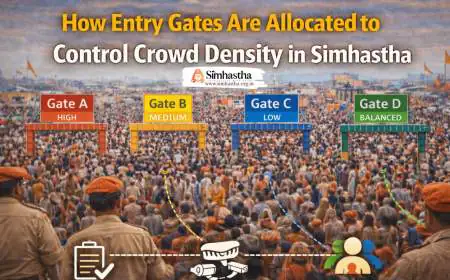
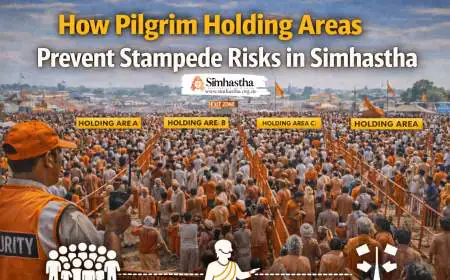
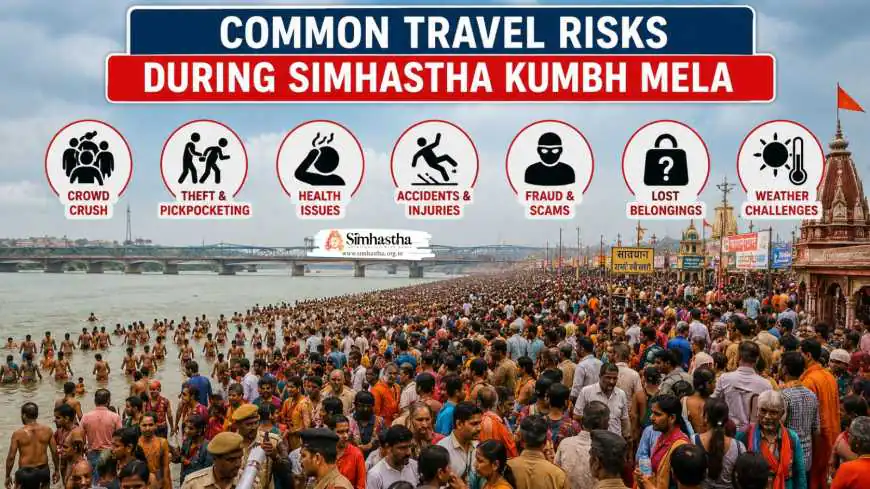
The single greatest risk at Simhastha is not a disease or a thief. It is the crowd itself. On Shahi Snan days, the ghats and surrounding streets pack so tight that you cannot raise your arms. In these conditions, a small stumble can become a chain reaction that injures dozens.
Stampede and Crowd Crush
A crowd crush happens when the density of people becomes so high that even if you want to move, you cannot. Your lungs cannot expand fully to breathe. Your ribs get compressed. People fall and cannot get up because the crowd keeps pushing from behind. This is how people die at mass gatherings.
The warning signs of a dangerous crowd include: you cannot lift your arms, you feel pressure on your chest from all sides, you cannot see the ground beneath your feet, and people around you are panicking. If you feel these signs, do not sit down - that is the worst thing you can do. Keep standing, keep your hands at chest level to protect your lungs, and move diagonally towards the edge of the crowd, never against the flow.
How to avoid this risk: Do not go to the main ghats during peak hours of Shahi Snan days. The administration publishes a schedule of bathing dates and times. Go early morning or late afternoon when crowds are thinner. Elderly pilgrims and small children should watch the snan from a distance, not from inside the water. If you have mobility issues, stay in the designated senior citizen zones that the administration sets up.
Trending Guides Now
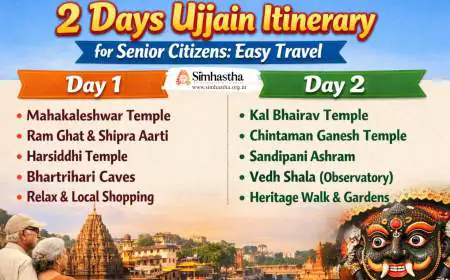
2 Days Ujjain Itinerary for Senior Citizens Easy Travel

Ujjain Simhastha 5 Day Itinerary for Couples

Safety Guidelines Every Ujjain Simhastha Pilgrim Must Follow
Mumbai to Ujjain for Simhastha 2028: Fastest Routes & Budget Tips
Ujjain Railway Station to Mahakaleshwar Temple Distance (2026 Guide)

Ujjain Simhastha 2028 Dates Announced: Full Shahi Snan & Event Timeline
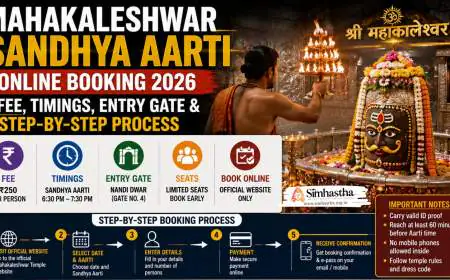
Mahakaleshwar Sandhya Aarti Online Booking 2026: Fee, Timings, Entry Gate and Step-by-Step Process
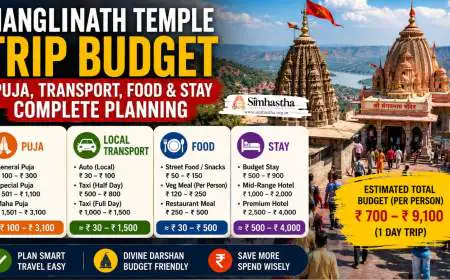
Mangalnath Temple Trip Budget: Puja, Local Transport, Food and Stay Planning
Separation from Family
In a crowd of millions, losing sight of your family member is terrifying. A child letting go of your hand for two seconds can vanish into a sea of bodies. An elderly parent stopping to tie their shoe can disappear before you notice.
How to avoid this risk: Establish a meeting point before you enter the crowd. Choose a landmark like a specific pillar, a police booth, or a food stall. Tell every family member the meeting point. Write your phone number on a piece of paper and put it in your child's pocket. For elderly family members, write your number on a wristband they wear. Keep your phone charged and carry a portable power bank. If someone gets separated, do not wander searching - go to the meeting point and wait. The lost person will come there.
Health and Medical Risks
The combination of heat, crowds, contaminated water, and stress creates a perfect storm for medical emergencies.
Heat Stroke and Dehydration
Ujjain in the summer months can reach 45°C (113°F) . You are standing in direct sun for hours. You are sweating heavily. You are not drinking enough water because the queues at water stations are long. Your body temperature rises, your sweating stops (a dangerous sign), and you collapse.
Symptoms of heat exhaustion include heavy sweating, weakness, cold clammy skin, fast weak pulse, nausea, and fainting. Heat stroke is more severe - high body temperature above 103°F, hot red dry skin, no sweating, rapid strong pulse, confusion, and unconsciousness. Heat stroke is a medical emergency.
How to avoid this risk: Drink water constantly, even if you are not thirsty. Carry your own water bottle and refill it at government water stations. Wear a wide hat, light cotton clothes in light colors, and sunglasses. Avoid being in direct sun between 12 PM and 3 PM. If you feel dizzy or nauseous, find shade immediately, pour water on your head and wrists, and seek medical help.

Waterborne Diseases
The Shipra River is holy, but it is also contaminated with sewage, industrial waste, and bacteria. Taking a dip exposes you to typhoid, hepatitis A, cholera, and gastroenteritis. Swallowing even a small amount of river water can make you seriously ill.
How to avoid this risk: Do not swallow the river water. Keep your mouth closed when you dip. After bathing, shower with clean water as soon as possible. Use hand sanitizer before eating. Drink only bottled water or water from government RO water stations. Avoid ice in drinks - you do not know what water was used to make it.
Respiratory Infections
The mela grounds are dusty. Millions of people are coughing and sneezing. The air quality on crowded days is terrible. Pilgrims with asthma, COPD, or other lung conditions can have serious breathing difficulties.
How to avoid this risk: If you have a respiratory condition, wear an N95 mask on crowded days. Carry your inhaler or medications with you at all times - do not leave them in your tent. Avoid the most crowded ghats and narrow lanes where dust is kicked up constantly.
Injuries and Accidents
The ghat steps become slippery with water, mud, and algae. Pilgrims push and shove. People trip over bags and sleeping pilgrims who have collapsed from exhaustion. Broken bones, sprains, cuts, and head injuries are common.
How to avoid this risk: Wear sturdy footwear with good grip, not flip-flops or sandals. Walk slowly on the ghat steps. Use the handrails where available. Do not carry heavy bags in crowded areas. If you are unsteady on your feet, ask a family member to walk beside you and hold your arm.
Theft and Pickpocketing Risks
Wherever there are crowds, there are thieves. Simhastha attracts organized pickpocket rings who travel specifically to target pilgrims. They work in teams - one distracts you while another lifts your wallet. They cut bags open with razor blades. They snatch phones from hands and disappear into the crowd.
Pickpocketing in Crowds
The most dangerous areas for pickpockets are the ghats during bathing times, the queue lines for temples, and crowded market streets. Thieves target distracted pilgrims who are focused on the spiritual experience, not on their belongings.
How to avoid this risk: Keep your wallet in your front pocket, not your back pocket. Better yet, wear a money belt under your clothes. Do not carry a backpack in dense crowds - wear a cross-body bag that you can keep in front of you. Keep your phone in a zippered pocket. If someone bumps into you or spills something on you, check your pockets immediately - that is a classic distraction technique.
Tent Theft
Your tent is not a secure location. The locks on tent zippers are flimsy. Thieves walk through tent cities at night, slashing open tents and grabbing whatever they can reach - phones, wallets, bags, cameras.
How to avoid this risk: Do not leave valuables in your tent. Carry your passport, cash, phone, and jewelry with you at all times. If you must leave something in your tent, lock it in a small portable safe or at least hide it deep inside your luggage. Some tent operators offer locker services for an extra fee - use them.
Vehicle Break-Ins
If you drive to Ujjain, your parked car is a target. Thieves know that pilgrims leave bags, offerings, and sometimes even cash in their vehicles while they go for their holy bath.
How to avoid this risk: Leave nothing visible in your car. Take all valuables with you. Park in designated parking zones that have security guards, not on random streets. Pay for guarded parking even if it costs extra - it is cheaper than replacing a broken window and stolen luggage.
Scams and Fraud Targeting Pilgrims
Thieves are not the only problem. Scammers see Simhastha as a business opportunity. They prey on pilgrims' devotion, urgency, and lack of local knowledge.
Fake Pandit and Puja Scams
A man in a saffron robe approaches you near the ghat. He looks like a holy man. He offers to perform a special puja for your family's well-being. He chants for two minutes, puts a tilak on your forehead, and hands you a coconut and some flowers. Then he demands ₹1,100 as "minimum dakshina for Simhastha." This is a scam. Real pandits have fixed stalls or are associated with specific temples. They do not roam the ghats grabbing tourists.
How to avoid this risk: Do not accept unsolicited pujas. If a person in saffron robes approaches you and starts chanting, walk away. If you want a proper puja, go to the designated pandit booths organized by the temple trust.
Fake Prasad and Sacred Items
Vendors sell "special Simhastha prasad" or "holy river stones" at inflated prices. A coconut that costs ₹30 elsewhere is sold for ₹300. A small brass idol worth ₹200 is sold for ₹2,000 as "temple-blessed."
How to avoid this risk: Buy prasad and puja items from government-approved stalls or regular shops in the market, not from roaming vendors. Compare prices at two or three stalls before buying.
Accommodation Deposit Scams
You find a hotel or tent online with amazing photos and a reasonable price. You call the number. The person asks for a 50% advance payment via bank transfer or UPI to "confirm your booking." You send the money. When you arrive, there is no booking. The phone number is disconnected. Your money is gone.
How to avoid this risk: Book accommodation only through official websites of the Madhya Pradesh Tourism Board or well-known booking platforms like MakeMyTrip, Booking.com, or Agoda. Never send an advance payment to a private individual's bank account without verification. If a deal looks too good to be true for Simhastha, it is a scam.
Fake Railway Ticket Agents
Train tickets to Ujjain sell out within minutes. Scammers set up fake booking websites or phone numbers offering "guaranteed confirmed tickets" for a fee. You pay ₹500-1,000 extra for their "service." They send you a fake confirmation email. At the station, you find out your ticket does not exist.
How to avoid this risk: Book train tickets only on the official IRCTC website or app. If you use an agent, verify their credentials. Ask for their IRCTC agent registration number. Do not trust anyone who asks for payment via UPI or cash for "special quota" tickets.
Transport Related Risks
Getting to, from, and around Ujjain during Simhastha is a challenge. Roads jam, trains overflow, and accidents are common.
Overcrowded Trains
Trains to Ujjain Junction during Simhastha carry three to four times their normal passenger capacity. People sit on luggage racks, stand in washrooms, and hang out of open doors. Falls from moving trains are a leading cause of death during Kumbh Melas.
How to avoid this risk: If your train is dangerously overcrowded, do not board it. Wait for the next train, even if it means arriving late. Do not travel on the train roof or footboard - it is illegal and deadly. If you are traveling with elderly family or small children, consider booking a private bus or taxi instead of the train.
Road Accidents
The roads to Ujjain see a massive increase in traffic during Simhastha. Trucks, buses, cars, two-wheelers, bullock carts, and pedestrians all share the same space. Many drivers are exhausted from long journeys. Accidents spike dramatically.
How to avoid this risk: If you are driving yourself, avoid night driving. Take breaks every two hours to rest. Do not drink and drive - alcohol is strictly prohibited in the mela area anyway. If you are taking a bus, choose a reputable operator with well-maintained vehicles. If you hire a taxi, verify that the driver has a valid license and the car has seatbelts that work.
Auto Rickshaw Price Gouging
Auto rickshaw drivers in Ujjain know that pilgrims have no choice. A ₹50 ride becomes ₹500. When you argue, they say "Mela price" and drive away. Ten other autos are behind them, all quoting the same inflated rate.
How to avoid this risk: Use the pre-paid auto booth at the railway station and bus stand. Agree on the fare before you get into the auto. If the driver demands more when you arrive, refuse to pay. Have the exact change ready so you do not need to wait for change. Better yet, walk if your destination is within 2 kilometers - it will be faster than waiting for an auto anyway.
Lost Person and Communication Risks
Your phone is your lifeline. But during Simhastha, networks crash, batteries die, and people get separated.
Mobile Network Congestion
On Shahi Snan days, millions of people are all trying to use their phones at the same time. The network towers cannot handle the load. Calls drop. Messages do not go through. Mobile internet is useless.
How to avoid this risk: Send a text message instead of making a call - texts use less bandwidth and may go through when calls do not. Agree on a check-in time with family members before you enter the crowd. Do not rely on Google Maps in crowded areas - download offline maps of Ujjain before you leave home. Carry a portable power bank so your phone does not die at the worst moment.
Language Barriers
You are from a different state. The person you need to ask for help speaks Hindi or Malvi (the local dialect). You may not understand each other. In an emergency, every second counts.
How to avoid this risk: Learn a few key phrases in Hindi before you go: "Help" (Madad), "Police" (Police), "Hospital" (Aspataal), and "I need a doctor" (Mujhe doctor chahiye). Keep the emergency numbers written down on a piece of paper in your pocket - do not rely on your phone's contact list. The police helpline for Simhastha will be widely publicized. Save it as soon as it is announced.
Practical Precautions for a Safe Simhastha
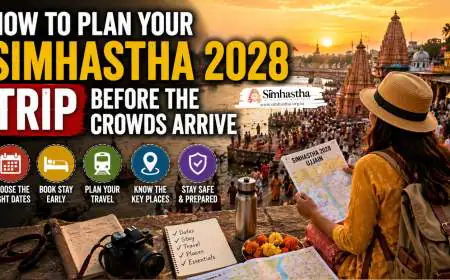
Let me give you a checklist. Go through this before you leave home and again when you arrive in Ujjain.
Before you leave: Make photocopies of all important documents - ID cards, train tickets, hotel bookings, insurance policy. Keep one copy in your luggage and email another copy to yourself. Pack a small first aid kit with bandages, antiseptic cream, ORS packets, paracetamol, and any prescription medications you need. Tell a family member back home your full itinerary.
When you arrive: Locate the nearest police booth, medical camp, and lost and found center within your first hour. Write down the emergency phone numbers. Identify an exit route from the mela grounds that does not go through the most crowded areas. Establish a meeting point with your family.
During your stay: Drink water constantly. Wear a hat and sunscreen. Eat only freshly cooked hot food from busy stalls. Avoid raw vegetables and cut fruits. Wash your hands before eating. Keep your phone charged. Stay with your group. Do not accept food or drinks from strangers. Do not follow anyone who promises "special darshan without queue."
If something goes wrong: Stay calm. Move to the side of the crowd. Find a police officer or a volunteer. Call the emergency number. Do not run - running causes panic. Do not try to be a hero - let the professionals handle it.
The Journey is Sacred, But It is Also Risky
I have not written this guide to make you afraid. I have written it because Simhastha is too important to approach carelessly. You are coming to receive the blessings of Lord Mahakal. You are coming to wash away your sins in the holy Shipra. You are coming to stand where millions have stood before you, seeking the same peace, the same grace, the same connection to something larger than yourself. That is a beautiful thing. But beauty does not erase risk. The crowds will be real. The heat will be real. The thieves will be real. Accept that reality, prepare for it, and then go anyway. Go with your eyes open. Go with your precautions in place. Go with your family's safety as your first priority. And then, when you are standing in the holy water with your hands raised to the sky, you will be able to surrender fully to the moment - because you know you have done everything in your power to be safe. Har Har Mahadev.
Frequently Asked Questions
Frequently Asked Questions