






























Simhastha Fair — Which River? Discover the Sacred Shipra (Kshipra) of Ujjain
The Simhastha Fair in Ujjain is held on the banks of the sacred Shipra (Kshipra) River. Explore its mythological roots, historical importance, and why this river is central to the world’s grandest spiritual gathering — the Ujjain Simhastha 2028.



The Question That Echoes Through Centuries
Every few years, millions search or ask:
“Simhastha fair which river?”
The answer seems simple — the Shipra River — but behind that single word lies one of the most profound intersections of astronomy, mythology, and living spirituality in India. The Shipra, or Kshipra, is not just a body of water in Ujjain. It is a living thread that ties together time, faith, and cosmic order.
When the stars align and Jupiter enters Leo (Simha Rashi), the Shipra transforms into a celestial mirror. Along its banks, saints, sadhus, akharas, and devotees gather to re-enact one of the oldest rituals of humanity — the Kumbh Snan, known here as Simhastha.
To understand why this particular river was chosen for such a vast spiritual undertaking, we must dive into the origins, legends, and living rhythm of Ujjain’s Shipra.
Trending Guides Now

Simhastha 2028 Latest Update: Disaster Mitra Training Begins in Ujjain

Ujjain Airport Project: A Historic Leap Before Simhastha 2028
Before Simhastha 2028: How ₹20,000 Crore Will Turn Ujjain into the World’s Spiritual Capital

Ujjain Simhastha 2028 to Deploy 25,000+ Trained Personnel and Volunteers

Ujjain Railway Station to Mahakaleshwar Temple Distance (2026 Guide)

Ujjain Simhastha 2028 Dates Announced: Full Shahi Snan & Event Timeline

Mahakaleshwar Sandhya Aarti Online Booking 2026: Fee, Timings, Entry Gate and Step-by-Step Process

Mangalnath Temple Trip Budget: Puja, Local Transport, Food and Stay Planning
Identifying the river of Simhastha answers only the first question. The deeper understanding lies in why the Kshipra River holds this role and how its spiritual authority has been preserved for centuries. Simhastha is conducted in Ujjain not by tradition alone, but because ancient scriptures, ritual continuity, and planetary alignments place the Kshipra at the center of this sacred gathering. A detailed exploration of the river’s mythology and spiritual function explains why Simhastha cannot exist without it.
The River That Holds a Myth in Its Flow
According to the Puranas, during the celestial war between gods and demons for the nectar of immortality — Amrit — Lord Vishnu spilled four drops on earth. These four sacred points became the sites of the Kumbh Melas: Haridwar (Ganga), Prayagraj (Ganga-Yamuna-Saraswati confluence), Nashik (Godavari), and Ujjain — where the Shipra received the fourth divine drop.
This drop did not just make the Shipra sacred; it made Ujjain the spiritual capital of cosmic renewal. From that moment, whenever Jupiter enters Leo, the heavens declare that the cycle of rebirth and renewal must begin again through ritual bathing in the Shipra.
Why Ujjain? Why the Shipra?
Unlike the Ganga, Yamuna or Godavari, the Shipra is a relatively small river — yet spiritually, it stands among the greatest. Ujjain is one of the Sapta Puri, the seven cities believed to grant moksha. Here, Mahakaleshwar Jyotirlinga, the Lord of Time, stands guard over the Shipra.
No other Kumbh site combines the Jyotirlinga energy of Shiva with the purifying flow of a sacred river.
This union — Shiva (Mahakal) and Shakti (Shipra) — is what makes Simhastha Ujjain unique among all Kumbh gatherings.
When the planet Jupiter (Guru) enters Leo, it symbolically awakens the spiritual lion within humanity — courage, wisdom, and transformation. And it is the Shipra that becomes the medium for this cosmic cleansing.

For readers seeking complete and authoritative coverage of Ujjain Simhastha, including its history, mythological significance, Shahi Snan rituals, dates, temples, Akharas, travel planning, and first-time pilgrim guidance, refer to our ultimate Simhastha guide for Ujjain. This detailed resource consolidates every essential aspect in one place and serves as the primary reference for understanding Simhastha holistically.
Shipra: The Living Artery of Simhastha
During Simhastha, the Shipra is not just a river — it becomes the lifeblood of Ujjain. Over 100 ghats stretch along its banks, each with its own rhythm of chants, bells, and rituals.
From Ram Ghat — the heart of Simhastha — to Kaliadeh, Triveni, and Mangalnath Ghats, every stone bears witness to millions of footsteps and prayers.
At dawn, saffron robes ripple like fire over the water. Conches blow, bells echo, and the first rays of sunlight strike the surface of the Shipra — the ancient symbol of divine purification.
The Simhastha 2028 — River of the Future
The next Simhastha will be held from 27 March to 27 May 2028, with major bathing dates in April and May.
The sacred snan days — 22 April, 6 May, 9 May, 11 May, 17 May, and 21 May — will turn the Shipra into a golden sea of devotion.
For every pilgrim who immerses in the river, the act is more than ritual — it is a personal rebirth. The belief says: As the Shipra flows, so does one’s karma dissolve.
The Shipra in Modern Times — A River Reborn
As millions gather, the ecological balance of the Shipra becomes a sacred responsibility. The Madhya Pradesh government has launched massive projects — from the “Namami Shipra Abhiyan” to the Shipra Rejuvenation Mission — ensuring clean water, sustainable ghats, and advanced sewage systems.
Bridges, walkways, and digital surveillance will help manage the expected 100 million visitors during Simhastha 2028. Yet the true sustainability lies not in infrastructure alone, but in consciousness — in treating the Shipra not as a river, but as a living goddess.
Rituals Along the River
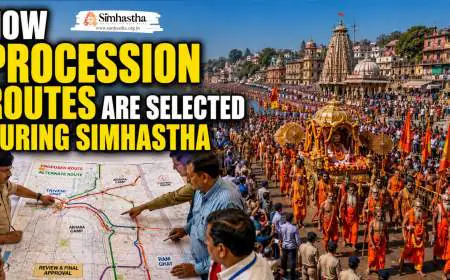
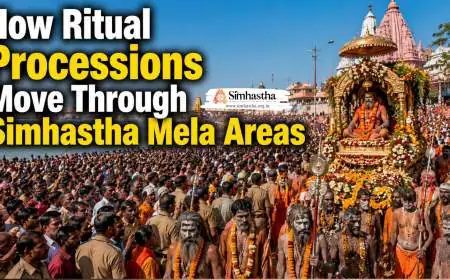
Each day of Simhastha brings new ceremonies — from morning aarti at Ram Ghat to Akharas’ Shahi Snan processions. Saints from the Juna, Niranjani, Mahanirvani, and Atal Akharas descend in vibrant processions, leading the sacred plunge into the Shipra.
At night, the river glows under thousands of lamps. The chants of “Om Namah Shivaya” blend with temple bells, turning the entire ghat into a living temple of light.
The Spiritual Science of the Shipra
Beyond devotion, there’s a deeper symbolism. The Shipra’s name comes from the Sanskrit word “kshipra” — meaning quick, immediate, instantaneous.
It represents the instant flow of grace — that spiritual awakening that can happen in a single sincere moment.
Thus, bathing in the Shipra is symbolic of immediate inner cleansing. The waters reflect both physical purity and spiritual awakening — the merging of outer ritual and inner transformation.
Preparing for the Simhastha Shipra Experience
-
Arrive Early: Plan travel before April 2028 to secure accommodation and participate in the opening rituals.
-
Stay Close to the River: Choose stays near Ram Ghat or Mahakal Corridor for easy access to ceremonies.
-
Respect the Sanctity: Avoid littering, plastic use, or entering restricted areas.
-
Follow Local Guidance: Listen to Akhara schedules and local authority advisories for safe bathing times.
-
Participate in Aarti: Attend the Shipra evening aarti — it’s one of India’s most serene spiritual experiences.
Environmental Awakening — Protecting the Goddess River
The Shipra today stands at a critical juncture — balancing sacred tradition with environmental reality.
Projects like the Shipra Link Pipeline (drawing water from the Narmada to sustain the Shipra during dry months) show India’s commitment to preserving ancient faith through modern science.
Clean Shipra campaigns, pilgrim awareness drives, and volunteer initiatives ensure that as devotees take from the river, they also give back to her — through respect and responsibility.
Why the Keyword “Simhastha Fair Which River” Matters Spiritually
For search engines, this question is factual — the Shipra River.
For seekers, it’s spiritual — why this river matters.
Ranking for this keyword is not just about SEO dominance; it’s about being the authentic voice that answers both curiosity and consciousness.
Simhastha.org.in stands not merely to inform — but to transform that curiosity into devotion.
Conclusion
When someone asks, “Simhastha fair which river?” — the truest answer is not only “Shipra,” but “the river that connects heaven and humanity.”
It is the same flow that has seen sages meditate, emperors bathe, and civilizations evolve.
Every drop of the Shipra holds the echo of “Har Har Mahadev.”
And when you stand by her banks during Simhastha 2028 — you do not just visit a river.
You return to the eternal source within yourself.
Frequently Asked Questions