






























Ujjain Simhastha 2028: 7700 Trains, GM Inspection & Kumbh Plan
Western Railway GM inspects Ujjain station for Simhastha 2028. 7700 trains, 15 crore devotees, satellite stations & AI crowd control. Full Kumbh update.



Ujjain Simhastha 2028: Western Railway GM’s Mega Inspection Signals Start of Countdown for Kumbh
The holy city of Ujjain is buzzing, and this time, it’s not just the ghats of Shipra that are getting a makeover. With exactly two years to go for the grand Simhastha Kumbh Mela 2028, the Western Railway has shifted gears into mission mode. In a high-stakes inspection that took place recently, Ramashraay Pandey, the General Manager of Western Railway, conducted a deep dive into the infrastructure of the Ujjain railway station and nearly a dozen satellite stations in the region. The message from the top brass is loud and clear: the railways are not just preparing for a fair; they are gearing up to host the largest congregation of humanity on the planet, and they plan to run a staggering 7,700 trains to make it happen.
This is not just routine maintenance. This is the beginning of a logistical war room strategy to ensure that millions of pilgrims aren't just moved, but moved safely, comfortably, and with dignity during the holy Kumbh.
7,700 Trains and 15 Crore Devotees: Breaking Down the Numbers
Let’s talk about the elephant in the room—actually, the tsunami of people. If you think the previous Simhastha was massive, the estimates for 2028 are rewriting history books. According to officials, the Simhastha 2028 is expected to witness the arrival of approximately 15 crore devotees during the 61-day mela period. That is a number so large it rivals the population of entire countries.
Trending Guides Now

Simhastha 2028 Latest Update: Disaster Mitra Training Begins in Ujjain
Ujjain Airport Project: A Historic Leap Before Simhastha 2028
Before Simhastha 2028: How ₹20,000 Crore Will Turn Ujjain into the World’s Spiritual Capital

Ujjain Simhastha 2028 to Deploy 25,000+ Trained Personnel and Volunteers

Ujjain Railway Station to Mahakaleshwar Temple Distance (2026 Guide)

Ujjain Simhastha 2028 Dates Announced: Full Shahi Snan & Event Timeline

Benefits of Becoming a Simhastha Volunteer

Ujjain Travel During Shravan Month: What Changes for Visitors
To put this in perspective, during the last Simhastha in 2016, about 20 lakh (2 million) people traveled via train. The Railway Board anticipates this number to jump fivefold, crossing the 1 crore (10 million) mark for rail passengers alone. To handle this surge, the railways have crunched the numbers. GM Ramashraay Pandey, during his recent visit to the city, confirmed the massive scale of the operation. "We are looking at running approximately 7,800 trains from across the country to Ujjain and its surrounding stations," officials revealed during the inspection.
This isn't just about running "Special Trains"; it’s about building a temporary rail network within the existing system. While early estimates mentioned 100 special trains daily, the cumulative number over the duration of the fair reaches the 7,700 to 7,800 mark, ensuring that no pilgrim is left stranded at a platform while the holy baths are happening.
The Railway Supremo’s Ground Check: From Platforms to Contingency Hubs
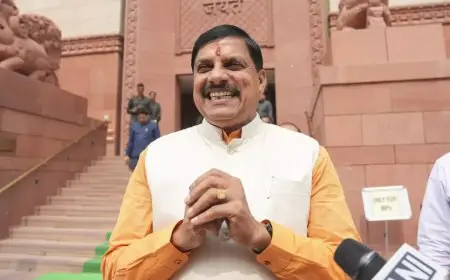
The recent visit by Western Railway GM Ramashraay Pandey was far from a VIP drive-by. It was a soldier's inspection. Pandey walked the length and breadth of Ujjain station, scrutinizing everything from the durability of Platform No. 8 to the operational readiness of lifts and escalators. He wasn’t alone; MP Anil Firojiya joined the inspection, ensuring that the political and administrative machinery is in lockstep with the railways.
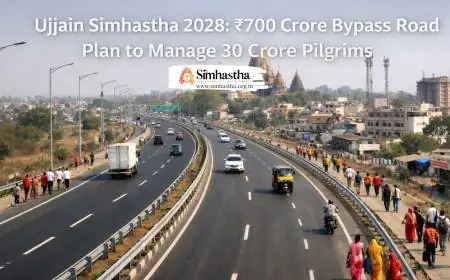
What made this inspection different was the "Project 10" initiative. The GM inspected 10 railway stations across the region, including Ujjain, Naikheri, Pingleshwar, Mohanpura, Panwasa, and Vikram Nagar. The plan is radical: divert massive crowds away from the main Ujjain Junction to avoid deadly stampedes and congestion. By upgrading these smaller stations into full-fledged entry points, a devotee traveling from a distant state might find themselves exiting directly at the doorstep of the mela grounds, bypassing the main station chaos entirely.
Learning from Prayagraj: The 50,000 Capacity "Holding Area" Masterstroke
One of the most significant takeaways from the GM’s strategy session is the "Crowd Control Master Plan." The railways have taken hard lessons from the tragic crowd incidents at Prayagraj Kumbh and have turned them into a blueprint for safety.
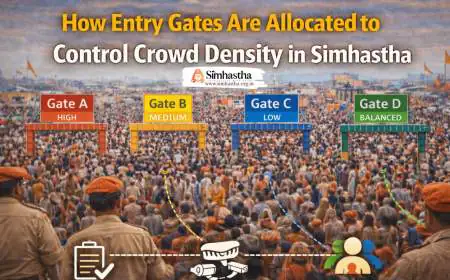
The centerpiece of this plan is the construction of a massive 50,000-capacity Holding Area. If you are a devotee arriving in Ujjain in 2028, you will not immediately rush to the platform. Instead, you will be directed to a massive queue system. Biometric checks and ticket verifications will happen here, and only then will you be funneled to the platforms. This "holding area" concept is designed to choke the flow of people so that the platforms themselves never reach dangerous density levels.

In the Indore Gate area, railway quarters are being demolished to create a 20,000-capacity holding zone, while another area near Nilganga is being developed for 30,000 to 40,000 more. In short, the railways are turning Ujjain station into a fortress of safety, not just a transit hub.
The Satellite Station Strategy: The Secret to a Smooth Simhastha
Here is the genius move that will define the Ujjain Kumbh 2028. Officials have identified that you simply cannot push 15 crore people through one single junction. So, they are building a "Ring of Steel" around the city.
Seven key railway stations are being upgraded to act as Satellite Stations. The idea is simple: divide and conquer. Trains from specific corridors (like Delhi, Mumbai, or South India) will be terminated or stopped at designated satellite stations rather than the main junction. For example:
-
Naikheri Station is being expanded to handle long-distance trains.
-
Pingleshwar and Vikram Nagar are getting full-fledged terminal facilities.
-
Maksi and Nagda stations are undergoing massive renovations to handle overflow.
Once a devotee gets off at a satellite station, dedicated shuttle buses, e-rickshaws, and even walkways (designed specifically for the mela) will guide them directly to the Shipra River ghats. This prevents the entire city from freezing in a traffic gridlock.
Timelines and Tech: Robots, AI, and the June 2027 Deadline
Time is ticking. The Railway Minister Ashwini Vaishnaw and MP CM Mohan Yadav have set a hard deadline: June 2027. Every single piece of infrastructure, every new line, every holding area, and every upgraded station must be completed 9 months before the first Amrit Snan. Monthly and fortnightly reviews are already locking officials into accountability.
But it’s not just about bricks and mortar. Ujjain is going high-tech. The MP government is rolling out an AI Mission specifically for the Kumbh. Expect to see:
-
AI-powered facial recognition for missing person identification (a common issue in crowds).
-
Real-time crowd density mapping to divert trains on the fly.
-
Vande Metro trains running between Indore and Ujjain like a rapid transit heartbeat, shuttling lakhs every hour.
The "Golden Hour" of Logistics
For the millions of Bhole devotees who will step off those 7,700 trains, the difference between a memorable pilgrimage and a nightmare often comes down to the "last mile." The railway plan for Simhastha 2028 is arguably the most comprehensive in the history of Ujjain. General Manager Ramashraay Pandey’s inspection wasn't just a formality; it was the formal declaration that the race has begun.
From the dusty tracks of Naikheri to the digital control rooms of Ujjain Junction, the wheels are already turning. The target is massive, the crowd will be historic, but if the Western Railway pulls off this 7,700-train operation, Ujjain Simhastha 2028 will set the gold standard on how the world moves faith.
Frequently Asked Questions