


















A Morning at Mahakaleshwar: My Experience of the Bhasma Aarti in Ujjain
Witness the divine Bhasma Aarti at Mahakaleshwar Temple, Ujjain. A real experience of devotion, energy, and faith before dawn.



Introduction
Some journeys touch your soul; some moments stay etched in your heart forever. My visit to Mahakaleshwar Temple Ujjain, one of the 12 Jyotirlingas in India, for the sacred Bhasma Aarti, was one such experience.
This isn’t just a ritual — it’s a divine spectacle that unfolds every morning before sunrise. The Bhasma Aarti Ujjain symbolizes life, death, and rebirth — performed in front of the powerful Mahakal Lingam of Lord Shiva, the eternal ruler of time.
For Every pilgrims, understanding Simhastha 2028 dates and the official Shahi Snan timeline is essential before booking flights or accommodation, as these sacred dates are completely non-negotiable.
The Night Before — Preparing for the Aarti
The Mahakaleshwar Temple comes alive in the early hours, long before dawn. Since Bhasma Aarti booking must be done in advance, I registered on the official Mahakaleshwar Temple website three days earlier.
The instructions were clear: reach the temple gate by 2:30 AM with an ID proof and follow the dress code for Mahakaleshwar Temple — men in traditional dhoti, women in sari or salwar.
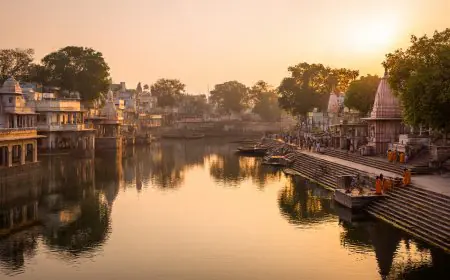
That night in Ujjain, I stayed near Ram Ghat. Even past midnight, the sound of bells echoed across the Shipra River. Locals whispered chants of “Har Har Mahadev” as they walked to the ghats. The energy of this ancient Ujjain pilgrimage city is unlike anywhere else in Madhya Pradesh.
Trending Guides Now

Senior Citizen Darshan Guide for Mahakaleshwar and Ujjain Temples
Why Every Devotee Should Visit Kal Bhairav Temple in Ujjain – Real Experience

Best Time to Visit Ujjain: For Peaceful Darshan and Comfortable Travel

Women Safety Guide for Ujjain: Travel Smart, Safe and Confident

Ujjain Railway Station to Mahakaleshwar Temple Distance (2026 Guide)

Ujjain Simhastha 2028 Dates Announced: Full Shahi Snan & Event Timeline

Ujjain Simhastha Update: CM Mohan Yadav Reviews 2028 Works

Karkateshwar Mahadev: 22/84 Mahadev of Ujjain
Entering Mahakaleshwar Temple — Moments Before Dawn
By 2:30 AM, devotees had already formed long queues. Some carried flowers, some only faith. The Mahakaleshwar Temple premises glowed in the soft light of oil lamps, and the Mahakal Lok Corridor shimmered faintly in the distance.
The air was thick with incense and devotion. Security was tight yet respectful, and the temple staff guided visitors based on their passes — ladies in the Nandi Hall, men closer to the sanctum.
As I stepped inside, the chanting of “Om Namah Shivaya” began to rise. It felt as if time had paused — fitting, since Mahakal Ujjain is believed to be beyond time itself.
The Start of the Bhasma Aarti — Silence and Sound in Perfect Balance
At exactly 3:00 AM, the temple doors closed. The priests, dressed in white dhoti, entered the Garbhagriha. The Bhasma Aarti began with the ritual bath of the Mahakaleshwar Lingam — first with water from the Shipra River, then with milk, honey, curd, ghee, and rose water.
The chants grew deeper. The beating drums and the sound of conch shells filled every corner. The experience was surreal — the entire hall vibrating with spiritual energy.
The Offering of Bhasma — The Moment of Truth
The Bhasma Aarti timing is carefully aligned with dawn. When the sacred bhasma (ash) was brought out, the temple seemed to hold its breath. This ash, symbolic of life’s impermanence, is offered only to Lord Shiva as Mahakal.

The priest lifted the silver bowl and began applying the ash to the Mahakal Lingam with rhythmic chants. The Shiva Lingam turned completely grey — silent yet alive with divine vibration.
Tears welled up in my eyes. Around me, hundreds bowed in complete surrender. In that moment, I understood why devotees say Mahakaleshwar Darshan can change your life. It isn’t just about seeing God — it’s about feeling Him.
Understanding the Significance of Bhasma Aarti
The story behind Bhasma Aarti is as profound as the ritual itself. According to legend, Lord Shiva, as Mahakal, is offered ash to remind humanity of the truth of mortality — that every being, no matter how powerful, returns to dust.
That’s why the Bhasma Aarti Ujjain stands apart:
-
-
It happens before sunrise, symbolizing victory over darkness.
-
The Bhasma (holy ash) is a mark of purity beyond worldly attachments.
-
Only in Ujjain can devotees witness this ancient practice live.
-
Women devotees observe from the Nandi Mandap, men from the inner sanctum — ensuring order and sanctity. Despite strict discipline, the temple atmosphere remains deeply emotional and welcoming.
After the Aarti — The City Wakes Up
When the Aarti concluded around 5:00 AM, the first rays of sunlight touched the Mahakal Mandir walls. People shouted “Jai Mahakal!” and the vibration of those two words carried through every lane of Ujjain.
Stepping outside, I walked barefoot to the Shipra Ghat. The river shimmered, priests performed smaller rituals, and tea stalls began to open. I felt lighter — as if the night had taken away my worries.
The Mahakaleshwar Temple experience left me with a peace that no luxury or comfort can give. Even days later, the echo of conch shells and the image of the ash-covered Lingam stayed in my heart.
Tips for Attending the Bhasma Aarti
-
-
Book Early: Use the official Mahakaleshwar Temple website for online Bhasma Aarti booking at least 3–4 days ahead.
-
Follow the Dress Code: Men – Dhoti only (no shirt). Women – Sari or salwar suit.
-
Reach on Time: Gates close before 3 AM; reach by 2:30 AM.
-
Avoid Phones Inside: Mobile phones are not permitted during Mahakal Darshan.
-
Stay Nearby: Choose hotels near Ram Ghat or Mahakal Lok Ujjain for easy access.
-
Carry Warm Clothing: Mornings can be chilly, especially in winter.
-
Maintain Silence: Let the chants and atmosphere fill your mind.
-
Meditate Briefly: A few moments of stillness can make the experience transformative.
-
Why This Experience Matters
Visiting Mahakaleshwar Jyotirlinga Ujjain isn’t just about religion — it’s about self-realization. The Bhasma Aarti teaches acceptance, humility, and surrender.
When you witness the Mahakal Bhasma Aarti live, you’re reminded that everything in this world — joy, sorrow, wealth, even life itself — eventually returns to bhasma (ash).
That thought, rather than being sad, is liberating. It helps you live more fully, love more deeply, and fear less.
My Reflection
Every city in India has its rhythm — but Ujjain’s rhythm is eternal. It beats with the heartbeat of Lord Shiva. Standing in the Mahakaleshwar Temple, hearing the Aarti chants echo off the ancient walls, I felt connected to something larger than life — something timeless.
When I left the temple that morning, I carried more than just memories. I carried a sense of stillness that no noise can disturb.
So, if you ever plan your Ujjain trip, don’t miss the Mahakal Bhasma Aarti. Go not as a tourist but as a seeker — and let Mahakal show you the meaning of peace.
Frequently Asked Questions