

















Best Time to Visit Ujjain: For Peaceful Darshan and Comfortable Travel
Find the best time to visit Ujjain with this weather-based and temple-focused travel guide, including pilgrimage seasons, festivals, hotel pricing patterns, crowd levels and darshan comfort.



For pilgrims seeking certainty and planning clarity, refer to the officially confirmed Simhastha 2028 dates and Shahi Snan schedule released for Ujjain.
Quick Overview
| Season | Months | Weather | Travel Experience |
|---|---|---|---|
| Winter | October – February | Pleasant | ⭐ Best time |
| Summer | March – June | Hot | Possible with careful planning |
| Monsoon | July – September | Rainy & scenic | Good for photography & peaceful visits |
Why the Best Time to Visit Ujjain Is Different for Every Pilgrim
The idea that there is one universally perfect season to visit Ujjain is comforting, but it is also misleading. Ujjain is not a destination that behaves the same way for every visitor, because it is shaped less by tourism cycles and more by ritual timing, crowd behavior, temple rhythms, and spiritual intensity. What feels peaceful and uplifting to one pilgrim may feel overwhelming or physically demanding to another. This is why many visitors return home saying they came at the “wrong time,” even though the weather seemed ideal on paper.
At the heart of this difference is purpose. A devotee arriving for Mahakaleshwar darshan experiences Ujjain through queues, temple corridors, and early-morning movement. A family traveling with elders measures comfort through walkability, waiting time, and medical ease. A spiritual seeker experiences the city through silence at the ghats, evening aartis, and time spent near the Kshipra River. A photographer notices light, humidity, reflections, and crowd density. Each of these journeys intersects with Ujjain’s seasons, but none of them are decided by temperature alone.
Trending Guides Now

Senior Citizen Darshan Guide for Mahakaleshwar and Ujjain Temples
Why Every Devotee Should Visit Kal Bhairav Temple in Ujjain – Real Experience
Women Safety Guide for Ujjain: Travel Smart, Safe and Confident
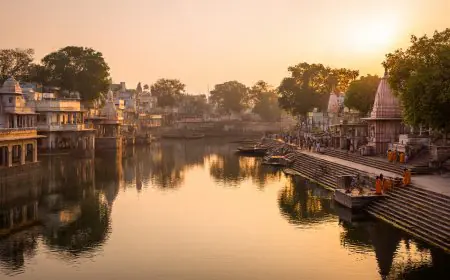
The Magic of the Shipra River – Ujjain’s Sacred Lifeline of Faith and Flow

Ujjain Railway Station to Mahakaleshwar Temple Distance (2026 Guide)

Ujjain Simhastha 2028 Dates Announced: Full Shahi Snan & Event Timeline

Ujjain Simhastha Update: CM Mohan Yadav Reviews 2028 Works

Karkateshwar Mahadev: 22/84 Mahadev of Ujjain
Another overlooked factor is how crowds behave differently across the day and year. In Ujjain, crowd pressure is not evenly distributed. A winter afternoon may feel calmer than a summer morning. A weekday in peak season can feel lighter than a weekend in an off-season month. Festivals, temple rituals, and even astrology-driven observances quietly reshape the city’s flow. Understanding these patterns matters far more than simply choosing between winter, summer, or monsoon.
This becomes even more important when Ujjain is discussed alongside large-scale spiritual events like Simhastha, Simhastha 2028, or the Simhastha Kumbh Mela. During such periods, Ujjain transforms into a completely different organism. The logic that applies to a normal pilgrimage year no longer works during Ujjain Kumbh Mela 2028, which is why any serious guide must clearly separate everyday travel planning from mass-congregation planning. Confusing the two leads to unrealistic expectations and poor decisions.
Physical comfort is only one layer. Emotional and spiritual comfort often matters more. Some pilgrims feel deeply connected during quieter months, when the city breathes slowly and darshan feels intimate. Others draw strength from collective devotion during busy periods, where shared faith outweighs physical fatigue. Neither experience is better; they are simply different expressions of the same sacred geography.
This is why the best time to visit Ujjain can never be reduced to a single month or season. It must be understood as a balance between weather conditions, darshan accessibility, crowd intensity, personal stamina, and spiritual intention. The sections that follow unpack each of these layers carefully, so you can choose not just a date on the calendar, but the version of Ujjain that aligns most closely with what you seek.
As you read further, you will not just learn when to visit Ujjain. You will learn how to choose the right moment for yourself, and why that choice makes all the difference between a rushed trip and a meaningful pilgrimage.
To understand the deeper spiritual foundation behind these preparations, explore the complete guide to Ujjain Simhastha Meaning, history, and spiritual importance.

Understanding Ujjain’s Climate and How It Affects Darshan Comfort
In Ujjain, climate is not just a background condition. It actively shapes how the city is experienced, how long pilgrims can comfortably move, and how spiritually absorbing the journey feels. Darshan comfort in Ujjain is directly linked to how the body responds to heat, cold, and rain, because the pilgrimage involves long walks, extended waiting periods, barefoot movement near ghats, and early-morning temple rituals. Ignoring climate realities is one of the most common reasons pilgrims feel drained rather than fulfilled.
How Cold Shapes Early-Morning Rituals
Cold affects Ujjain differently. While winters are generally pleasant during the day, early mornings can be sharply cold, especially near the river. Rituals such as morning dips, sunrise aartis, or pre-dawn movement toward Mahakal require mental readiness when temperatures drop. For many pilgrims, the cold amplifies the sense of discipline and surrender, adding intensity to the spiritual experience. For others, especially elders, it can create physical discomfort that overshadows devotion.
Cold also changes waiting behavior. People tend to move more quickly, queues feel more disciplined, and prolonged standing is often avoided by both pilgrims and volunteers. This creates smoother darshan flow in the early hours, even when footfall is high. The trade-off is preparation. Without adequate layering, cold mornings can lead to stiffness, fatigue, or rushed rituals, particularly for those unfamiliar with river-side temperatures.
By late morning and afternoon, winter conditions often become ideal. Walking distances feel effortless, ghats are comfortable to sit near, and temple visits can be paced slowly without physical strain. This balance is why many families and senior citizens gravitate toward cooler months, even if crowds are heavier.
❄️ Winter (October to February) — ⭐ The Best Time to Visit Ujjain
Winter is considered the ideal time for:
-
Comfortable darshan
-
Sightseeing and ghats walking
-
Photography
-
Family trips
-
Solo pilgrimages
Temperature: 10°C – 24°C
Crowd: Balanced, slightly high in Dec–Jan due to holidays
Clothing: Layered winter wear at night, light woollens for elders
Benefits in winter:
-
Long outdoor hours without heat fatigue
-
Sunrise and sunset at Ram Ghat are stunning
-
Cafes, markets and temples remain active day and evening
Recommended travel window: Mid-October to February end.
How Heat Changes the Darshan Experience
Heat in Ujjain does not merely mean high temperatures. It changes crowd patience, queue behavior, walking endurance, and hydration needs. During warmer months, even moderate crowd levels feel intense because physical fatigue sets in faster. Standing still in darshan queues becomes harder than walking, and long pauses under the sun can quietly exhaust pilgrims before they even reach the sanctum.
Heat also affects movement between sacred spaces. Walking from accommodation to Mahakaleshwar Temple, moving along the ghats, or standing near the Kshipra River for ritual pauses demands stamina when temperatures rise. Footpaths, stone ghats, and open corridors absorb heat, making barefoot movement uncomfortable by mid-morning. This is why pilgrims who arrive late in the day during warm periods often describe darshan as rushed or mentally distracted, even when the queue length is manageable.
Yet heat has an unexpected advantage. Fewer people choose to travel during peak warmth, which means shorter darshan lines and easier temple access for those who plan wisely. Early mornings during warmer months often feel surprisingly calm, with softer crowds and faster movement through temple corridors. Pilgrims who prioritize darshan over sightseeing sometimes find these windows deeply efficient and spiritually focused.
Summer (March to June) — For Devotees Who Prioritize Darshan
Temperature: 28°C – 42°C
Crowd: Moderate (except holidays & Tuesdays/Saturdays)
Why some devotees still prefer summer:
-
Shorter lines for darshan
-
Hotels more affordable
-
Transport easy to find
If traveling in summer:
-
Prefer early morning darshan before 9 AM
-
Stay near Mahakal Corridor to reduce walking
-
Carry sunscreen, cap, and water bottle
-
Avoid outdoors between 12 PM – 4 PM
Great for:
-
Devotees who want quick darshan
-
Short religious trips
-
Weekday pilgrims
Summer in Ujjain (March to June): Why Some Devotees Prefer It
Psychological comfort of shorter queues
-
Fewer pilgrims reduce crowd pressure
-
Waiting time is shorter and predictable
-
Darshan feels controlled, not chaotic
-
Mental calm increases when movement is smooth
Early-morning darshan advantage
-
Cool temperatures before sunrise
-
Fast entry and exit at temples
-
Quiet corridors support focused prayer
-
Entire pilgrimage can finish early
Heat vs waiting trade-off
-
Brief heat exposure replaces long queues
-
Less total time spent outdoors
-
Walking is faster due to open paths
-
Heat feels manageable with planning
Who SHOULD choose summer
-
Devotees focused only on darshan
-
Short, purposeful visits
-
Weekday travellers
-
Pilgrims comfortable with early mornings
-
Those seeking speed over sightseeing
Summer rewards clarity and discipline.
For pilgrims who value completion, it is a powerful choice.
How Rain Transforms Ghats and River Access
Rain changes the texture of Ujjain more than its temperature. During monsoon periods, the city softens visually, but darshan comfort becomes dependent on surface safety and movement planning. Ghats near the Kshipra River can become slippery, especially on polished stone steps. Barefoot walking requires caution, and slow movement becomes necessary around river access points.
Rain also alters river interaction. The Kshipra appears fuller and more dynamic, which many pilgrims find spiritually moving. However, river access is more controlled, and spontaneous movement between ghats is reduced. Temple corridors remain active, but travel between sites takes longer due to wet surfaces and covered pathways.
Crowds behave differently in rain. Fewer casual visitors arrive, which creates quieter spaces, longer moments of stillness, and a heightened sense of intimacy with the city. For pilgrims seeking silence, reflection, or photography, this transformation can feel deeply rewarding. For those focused on efficiency or multiple temple visits in a single day, rain can slow momentum and test patience.
Monsoon (July to September) — Peaceful & Beautiful
Monsoon turns Ujjain into a lush spiritual destination.
Temperature: 22°C – 32°C
Crowd: Lower than winter and summer
Photography: Exceptional — ghats, temples and greenery glow in rain
Best experiences in monsoon:
-
Ram Ghat during light drizzle
-
Mahakal Corridor after rain
-
Long walks in city parks and riverfront area
Caution:
-
Tiles near ghats can get slippery
-
Keep umbrella + footwear with good grip
Perfect for:
-
Peace seekers
-
Photographers
-
Slow-travel pilgrims
Monsoon in Ujjain (July to September): The Most Misunderstood Season
Spiritual silence
-
Fewer visitors create natural quiet
-
Temples feel slower and more personal
-
Ghats encourage sitting rather than movement
-
Prayer feels unhurried and inward
Photography and the ghats
-
The Kshipra appears fuller and alive
-
Reflections, clouds, and greenery enhance visuals
-
Early mornings offer dramatic light
-
Evenings feel cinematic and calm
Safety realities
-
Ghat stones can become slippery
-
Walking speed must remain slow and mindful
-
Umbrella and footwear with grip are essential
-
River access follows stricter control
Who should avoid monsoon
-
Pilgrims with mobility challenges
-
Families with very young children
-
Those planning tight schedules
-
Visitors uncomfortable with rain or damp conditions
Monsoon strips away noise and urgency.
For seekers, it reveals Ujjain’s quiet soul.
Climate in Ujjain does not decide whether a visit is good or bad
It decides how the pilgrimage unfolds physically and emotionally. Heat demands timing, cold demands preparation, and rain demands awareness. Understanding these effects allows pilgrims to align their visit with their own endurance, intention, and expectations, turning climate from a challenge into a guide.
The next section moves from climate to lived experience, exploring how different seasons feel on the ground in Ujjain, and why comfort is often shaped more by rhythm than by temperature alone.
Best Time for Mahakaleshwar Darshan: Experience-Based, Not Timings Only
Morning vs afternoon vs evening
-
Early morning offers the calmest darshan flow
-
Midday is physically easier but less immersive
-
Evenings carry high emotional energy and dense crowds
-
Late hours feel devotional but require patience
Weekday vs weekend
-
Weekdays provide smoother movement and shorter waits
-
Weekends attract group tours and family rush
-
Mondays amplify devotional turnout
-
Festivals override normal patterns entirely
Crowd psychology inside the corridor
-
Calm crowds move faster than restless ones
-
Noise increases perceived waiting time
-
Heat and fatigue reduce patience
-
Silence and order improve the darshan experience
How weather changes darshan feel
-
Cool air supports focus and steady breathing
-
Heat magnifies discomfort during waiting
-
Rain softens sound but slows movement
-
Climate directly shapes emotional response
Mahakaleshwar darshan is not about hours on a clock.
It is about aligning body, timing, and inner readiness.
Best Time for Mahakal Darshan (All Year)
| Time Slot | Comfort |
|---|---|
| 5:00 AM – 10:30 AM | ⭐ Most comfortable |
| 2:00 PM – 5:00 PM | ✔ Moderate crowd |
| 7:00 PM – 10:00 PM | ❌ Peak rush (avoid) |
Best days: Monday to Friday
Crowded days: Saturday, Sunday, Festivals and Shravan month
Festivals vs Normal Days: When Ujjain Transforms Completely
Mahashivratri reality check
-
Crowd volume multiplies beyond normal limits
-
Waiting time increases sharply despite management
-
Movement becomes slow and tightly controlled
-
Devotion is intense but physically demanding
Shravan month strategy
-
Mondays draw the highest footfall
-
Early-morning darshan is essential
-
Weekdays are far more manageable than weekends
-
Mental readiness matters more than comfort
Kartik Purnima vs Diwali vs Holi
-
Kartik Purnima offers visual beauty and ritual calm
-
Diwali blends devotion with festive crowds
-
Holi brings celebration but reduced temple focus
-
Each festival reshapes the city differently
When NOT to come unless prepared
-
Major festivals without prior planning
-
Long weekends linked to religious dates
-
Peak Shravan Mondays
-
Travel without flexible schedules
Festivals magnify faith and effort together.
Normal days reveal Ujjain’s quieter grace.
Cheapest & Most Expensive Months to Travel
| Category | Months |
|---|---|
| Cheapest travel & hotels | March, April, July, August |
| Expensive due to crowds | December, January, Shravan month |
| Balanced cost & comfort | October, November, February |
Best Time for Families vs Couples vs Solo Travellers
| Traveller Type | Ideal Time |
|---|---|
| Families | Oct – Feb |
| Senior Citizens | Oct – Feb |
| Solo Devotees | Mar – Jun (weekday mornings) |
| Photographers | Jul – Sep |
| Budget Travellers | Mar – Apr / Jul – Aug |
Festival Travel Calendar
| Festival/Period | Notes |
|---|---|
| Mahashivratri | Extremely crowded — book 60–90 days before |
| Shravan Month | High crowd; darshan smooth if planned early morning |
| Kartik Purnima | Beautiful lamps across ghats |
| Holi & Diwali | Moderate crowd + festive photos |
| Simhastha (Kumbh) | Happens every 12 years — massive crowd planning required |
Best Time to Visit Ujjain for Different Travellers
Ujjain does not offer a single ideal window that fits everyone. The best time to visit Ujjain changes with age, intent, physical comfort, and expectations. Below is a clear, experience-based breakdown to help each type of traveller choose wisely, without guesswork.
Senior Citizens
For senior citizens, comfort, predictability, and ease of movement matter more than intensity.
The best time to visit Ujjain for senior citizens is during winter months, when walking is comfortable, standing in queues is manageable, and health risks are minimal. Cooler weather supports longer darshan without fatigue, and daytime temperatures remain stable.
Crowds are present, but orderly. Early mornings allow Mahakaleshwar darshan without physical stress, and afternoons are suitable for rest. Winter also ensures reliable transport, medical access, and smoother routines, making it the safest and most dignified period for elderly pilgrims.
Families with Children
For families with children, balance is everything. The best time to visit Ujjain with family is when climate is forgiving and daily schedules remain flexible. Winters work best because children tolerate walking better, sleep routines stay intact, and parents can plan darshan without rushing.
Crowds are higher, but manageable with timing. Families benefit from mid-morning or afternoon darshan slots, avoiding peak congestion. Festivals should be chosen carefully, as emotional excitement often comes with physical exhaustion for children.
Solo Pilgrims
For solo pilgrims, inner focus often matters more than comfort. The best time to visit Ujjain for solo devotees is when distractions are minimal and darshan flows quickly. Summers, especially weekdays, offer this advantage. Shorter queues and quieter temples allow undisturbed prayer and faster completion.
Early mornings become powerful windows for reflection. Solo pilgrims who plan rest wisely find that summer in Ujjain delivers clarity, discipline, and uninterrupted spiritual engagement, even if the climate demands awareness.
Photographers
For photographers, atmosphere matters more than crowds. The best time to visit Ujjain for photography is the monsoon season, when the city transforms visually. The Kshipra River, ghats, temples, and skies gain texture, reflection, and depth.
Lower footfall allows cleaner frames, softer light, and unhurried exploration. Early mornings and post-rain evenings create dramatic contrasts that are impossible in peak seasons. Safety awareness is essential, but visually, monsoon reveals Ujjain at its most poetic.
Budget Travellers
For budget travellers, affordability and availability define the experience. The best time to visit Ujjain on a budget is during summer and monsoon months, when hotel prices drop and transport is easier to secure.
While climate requires planning, the savings are significant. Darshan queues are shorter, accommodations are flexible, and last-minute bookings are realistic. Budget travellers who prioritize purpose over comfort often find these months surprisingly efficient and economical.
Month-by-Month Decision Guide for Ujjain (January–December)
This guide explains how each month actually feels on the ground, what crowd behavior looks like, and who that month suits best. Use it as a practical decision tool, not a calendar checklist.
January
-
How it feels: Cool mornings, calm days, steady rhythm
-
Crowd expectation: Moderate, disciplined
-
Best for: Senior citizens, families, first-time pilgrims seeking comfort
February
-
How it feels: Pleasant, balanced, mentally relaxing
-
Crowd expectation: Moderate to slightly high
-
Best for: Families, solo pilgrims, relaxed darshan seekers
March
-
How it feels: Warming up, manageable mornings
-
Crowd expectation: Lower than winter
-
Best for: Solo devotees, budget travellers, short visits
April
-
How it feels: Hot afternoons, calm mornings
-
Crowd expectation: Low
-
Best for: Darshan-focused pilgrims, weekday travellers
May
-
How it feels: Intense heat, silent temples
-
Crowd expectation: Very low
-
Best for: Experienced devotees, those prioritizing fast darshan
June
-
How it feels: Hot with early monsoon hints
-
Crowd expectation: Low
-
Best for: Budget travellers, disciplined early risers
July
-
How it feels: Fresh, green, reflective
-
Crowd expectation: Low
-
Best for: Peace seekers, photographers, slow pilgrims
August
-
How it feels: Calm, devotional, rain-washed
-
Crowd expectation: Low to moderate
-
Best for: Spiritual seekers, those avoiding crowds
September
-
How it feels: Balanced, gentle transition
-
Crowd expectation: Moderate
-
Best for: All traveller types, especially planners
October
-
How it feels: Comfortable, festive undertone
-
Crowd expectation: Increasing
-
Best for: Families, senior citizens, festival observers
November
-
How it feels: Ideal weather, steady energy
-
Crowd expectation: High on select days
-
Best for: General pilgrims, cultural travellers
December
-
How it feels: Cool, active, vibrant
-
Crowd expectation: High due to holidays
-
Best for: Families, group pilgrims who plan ahead
No month in Ujjain is wrong.
Each month simply asks a different question of the pilgrim.
When your purpose matches the month’s rhythm, Ujjain feels welcoming.
When it doesn’t, even perfect weather can feel heavy.
Common Mistakes People Make While Planning Ujjain Trips
Many visitors leave Ujjain feeling more tired than transformed, not because the city failed them, but because small planning mistakes quietly shaped the experience. Avoiding these common errors often matters more than choosing the “right” season.
Coming on weekends blindly
Weekends attract families, tour groups, and short-trip visitors, compressing crowds into limited hours. Many assume weekends offer convenience, but in Ujjain they often mean longer queues and slower movement. Weekdays usually provide smoother darshan and calmer temple corridors.
Ignoring the heat vs queue trade-off
Visitors often chase pleasant weather without considering waiting time. Standing for hours in cool weather can be more exhausting than short movement in warmth. Understanding whether you tolerate heat or crowds better helps you choose wisely.
Making festival assumptions
Festivals are often imagined as spiritually richer and emotionally fulfilling. In reality, they demand patience, physical endurance, and mental readiness. Without preparation, festival visits can overwhelm even experienced pilgrims.
Overpacking days with activities
Trying to visit multiple temples, ghats, and sites in a single day leads to fatigue and rushed darshan. Ujjain rewards slower pacing. Fewer, well-timed experiences often create deeper connection than packed schedules.
The most peaceful Ujjain trips are not planned aggressively.
They are planned with awareness.
Final Decision Framework: How to Choose Your Best Time to Visit Ujjain
Choosing the best time to visit Ujjain becomes simple when you stop searching for the “perfect season” and instead choose based on what you value most. Every visit falls into one of three decision paths. Identify yours, and the answer becomes clear.
Path 1: Comfort Comes First
Choose this path if physical ease, predictable routines, and relaxed movement matter most to you.
-
Prioritize mild weather over short queues
-
Prefer walking without fatigue
-
Value flexibility in daily plans
Best choice: Cooler months with stable conditions
Ideal for: Senior citizens, families, first-time visitors
Comfort-focused pilgrims experience Ujjain gently, with time to absorb rituals without strain.
Path 2: Devotion Comes First
Choose this path if darshan efficiency and spiritual focus matter more than physical comfort.
-
Willing to wake early
-
Comfortable managing heat or rain
-
Prefer fewer people over mild weather
Best choice: Low-crowd periods with disciplined timing
Ideal for: Solo pilgrims, experienced devotees, short visits
Devotion-focused pilgrims experience Ujjain directly, without distraction or delay.
Path 3: Budget Comes First
Choose this path if affordability and flexibility shape your decisions.
-
Open to adjusting timing and pace
-
Comfortable with basic planning
-
Willing to trade climate comfort for savings
Best choice: Off-peak travel periods
Ideal for: Budget travellers, students, flexible schedules
Budget-focused pilgrims often discover that simplicity creates its own peace.
Choosing Your Perfect Time: Aligning Your Journey with Ujjain’s Spiritual Rhythm
Ujjain does not transform itself for visitors; it remains timeless, grounded in its spiritual essence. What truly changes is the way each traveler experiences it. The city responds differently depending on your intent, your pace, and the kind of connection you seek. That is why the best time to visit Ujjain is not defined by a calendar alone, but by how well your personal rhythm aligns with the city’s energy.
If your priority is peaceful darshan and a comfortable, unhurried experience, the winter months from October to February offer the most balanced conditions. The weather is pleasant, temple visits feel more organized, and the overall atmosphere allows for deeper spiritual engagement. For those looking at budget travel and fewer crowds, March to June presents an opportunity, though the heat demands careful planning and early morning visits. Meanwhile, the monsoon period from July to September transforms Ujjain into a visually serene landscape, with refreshed ghats, softer crowds, and a unique charm ideal for photography and reflective travel.
There is no single perfect season because Ujjain offers something meaningful throughout the year. Each period carries its own rhythm, its own pace, and its own experience. The key lies in understanding your purpose. Whether you seek devotion, visual beauty, affordability, or calmness, the city accommodates all intentions without losing its sacred character.
In the end, Ujjain is not just a destination you visit; it is an experience you tune into. Choose your time wisely, and the city will meet you exactly where you are.
Final Thought
Ujjain does not change its essence.
What changes is how each traveller meets it.
The best time to visit Ujjain is the time that aligns with your body, intent, and rhythm. When that alignment is right, the city opens effortlessly, regardless of season.
There is no wrong time to visit Ujjain — only different experiences.
If you want:
-
Comfortable weather + peaceful darshan → October to February
-
Short queues + budget travel → March to June
-
Serene ghats + photography → July to September
Ujjain welcomes every season with divinity.
Choose the time based on your purpose — devotion, photography, budget, or relaxation.
Frequently Asked Questions