



























MP Govt Seeks ₹200cr CSR for Ujjain Kumbh Mela 2028
MP govt seeks ₹200 crore CSR support for Simhastha 2028 in Ujjain. Expected 30 crore devotees. Water ATMs, toilets, solar lighting planned. Corporates invited for branding.



The Big Picture
The Madhya Pradesh government is pulling out all stops for Simhastha 2028, the grand Kumbh Mela to be held in Ujjain. With an expected footfall of around 30 crore devotees, the state has estimated that over Rs 200 crore will be required just for key public facilities under the Corporate Social Responsibility (CSR) route. More than 10 industrial groups have already given in-principle consent to participate, and officials are confident that many more will join in the coming months.
For pilgrims seeking certainty and planning clarity, refer to the officially confirmed Simhastha 2028 dates and Shahi Snan schedule released for Ujjain.
The Rs 200 Crore CSR Outlay – Breaking Down the Numbers
The state government has identified specific areas where CSR funding for Kumbh Mela can make a real difference. The MP government CSR appeal covers a wide range of services aimed at ensuring convenience, hygiene, and safety for millions of pilgrims. Here is how the proposed Rs 200 crore is expected to be utilized:
Drinking Water and Sanitation: Around 500 water ATMs will be installed at an estimated cost of Rs 10 crore. These facilities are intended to provide safe drinking water across the event area. On the sanitation front, the government plans to deploy nearly 1.5 lakh mobile toilets and urinals with an estimated cost of Rs 50 crore. In addition, approximately 2,000 changing rooms for women will be constructed at various ghats, requiring an investment of about Rs 6 crore. These measures are particularly aimed at maintaining hygiene standards and ensuring better facilities for female pilgrims.
Trending Guides Now

Ujjain Airport Project: A Historic Leap Before Simhastha 2028
Government Doubles Powers of Ujjain Mayor and Commissioner Ahead of Simhastha 2028
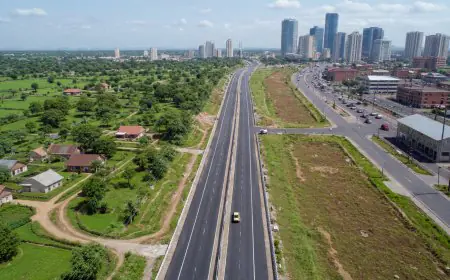
Indore–Ujjain Six-Lane Highway nearing completion — big step for regional growth!

Indore–Ujjain Six Lane Highway Update 2025: Completion Timeline & Simhastha Impact

Ujjain Railway Station to Mahakaleshwar Temple Distance (2026 Guide)

Ujjain Simhastha 2028 Dates Announced: Full Shahi Snan & Event Timeline

Benefits of Becoming a Simhastha Volunteer

Ujjain Travel During Shravan Month: What Changes for Visitors
Crowd Management and Signage: Crowd management infrastructure is expected to take up a significant portion of the budget. Barricading arrangements alone are projected to cost about Rs 100 crore, reflecting the enormous scale of preparations needed to handle the massive influx of visitors. Directional signages, another crucial element for managing movement and providing information, is estimated to require Rs 20 crore.
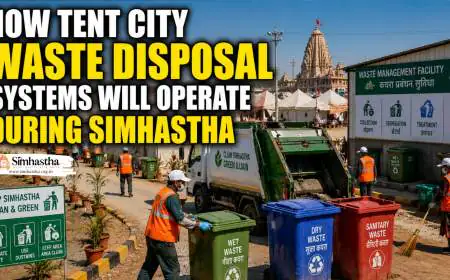
Modern Amenities and Sustainability: The government is also planning to introduce modern amenities such as hybrid solar lighting systems and extensive charging infrastructure. This includes around 3,000 mobile charging stations and 500 electric vehicle charging points, with a combined estimated cost of Rs 47.5 crore. These initiatives are designed to enhance sustainability and improve overall visitor experience. Other planned interventions include waste management systems such as dustbins, volunteer support kits including caps, T-shirts and ID cards, temporary healthcare facilities, and river-cleaning measures.
This ensures kumbh mela crowd management system efficiency without overlap.
Corporates Invited – Branding Opportunities Await
"We have identified key works to be taken up under CSR, including barricading, signages, changing rooms, temporary toilets and water ATMs. The aim is to give an opportunity to industries interested in participating in such a mega-magnitude event. Multiple companies can also come together to contribute to a single activity, and industries will be allowed branding opportunities," said Ujjain collector Roshan Kumar Singh. Dedicated groups are being formed based on areas of interest, with officials assigned for coordination and follow-ups, including visits to company headquarters. "Many industries have shown interest, and discussions are on regarding how they can contribute to different components under CSR," said Rajesh Rathod, executive director of the Madhya Pradesh Industrial Development Corporation, Ujjain.
Beyond CSR – The Colossal Financial Backing for Simhastha 2028
While the Rs 200 crore CSR appeal is significant, it is just one part of a much larger financial puzzle. The state government has already earmarked Rs 3,060 crore in the 2026–27 Budget for preparations related to Simhastha 2028. Earlier, the government had made a provision of about Rs 2,000 crore for the festival in the 2025–26 budget. In a major push, the state also put forward a request to the Centre to sanction a financial package of Rs 20,000 crore for the mega event, urging the Centre to increase its borrowing limit to enable the state to meet all proposed expenses.
Infrastructure development projects worth more than Rs 20,000 crore have already been approved for Ujjain. This includes road construction, ghats, bridges and culverts, accommodation facilities for pilgrims, and hospitals. A massive Rs 1,133.67 crore water augmentation project – the Hariyakhedi Water Augmentation Project – has been launched to ensure adequate drinking water supply for Simhastha 2028. The Ujjain Development Authority (UDA) is undertaking projects worth around Rs 662.46 crore, including the creation of a new township spread across 473.32 hectares in Neemanwasa, Dhatarawda and Lalpur villages, along with the expansion of water supply and sewer infrastructure.

The Monumental Scale – 30 Crore Devotees and Beyond
The numbers associated with Simhastha 2028 are staggering. Nearly 30 crore devotees are expected to participate, making it one of the largest religious gatherings in the world. Railway Board chairman Satish Kumar has stated that about one crore devotees are expected to travel by train to Ujjain for the event, which is five times more than the last Simhastha in 2016. To handle this, 100 special trains will be operated in addition to regular trains. Ujjain and other stations, including Indore, Mhow, and Laxmibai Nagar, are being strengthened, and 22 new railway lines are being laid at Ujjain and nearby stations, with nine of these lines in Ujjain alone.
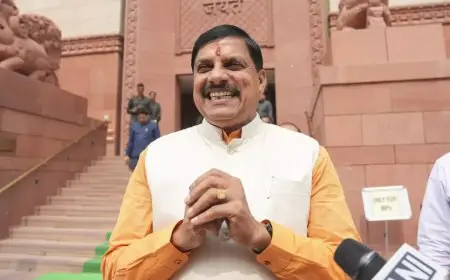
Chief Minister Mohan Yadav has announced that new ghats (bathing platforms) are being built along the Kshipra river so that at least five crore people can take the holy dip in 24 hours. A total of 30 km of ghats are being constructed for this purpose. During Simhastha 2016, temporary infrastructure worth about Rs 650 crore was constructed on 3,000 hectares of land, which was later dismantled after the event. For Simhastha 2028, Ujjain is envisioned to be developed as a Global Spiritual City with permanent infrastructure.
Also Read | How Simhastha 2028 Will Transform Ujjain Forever
Green and Clean – The Sustainability Vision
The Simhastha 2028 green theme is a core pillar of the government's planning. Chief Minister Mohan Yadav has declared that the festival will be organised on a 'Green and Clean' theme, and the government is developing a first-of-its-kind sustainability plan to make Simhastha Kumbh 2028 environmentally responsible and eligible for carbon credits. The administration is reviewing proposals from national and international companies for carbon accounting, waste-to-resource systems, plastic recycling technologies, and river purification. The goal is to achieve 100 percent plastic recycling, with solutions covering segregation and reuse of bottles, multilayer packaging, and waste from nearby villages.
Making the Kshipra river pollution-free is the government's top priority. The "Namami Kshipra" programme has been started for conserving the river, and agencies have presented detailed plans for its rejuvenation, including geo-tagging, mapping structures that influence water flow, studying underground seepage, and preparing documentation for scientific purification and water management. Treated water will be reused for agriculture and industry. Under the CSR initiative, a private company has already provided three 820TE electric wheel loaders with sweeping attachments to the Ujjain Municipal Corporation. These machines are fully battery-operated and function with zero emissions.
What This Means for Pilgrims and the City
For the common devotee, the preparations translate into a clean, safe, and well-organized pilgrimage experience. Waste on ghats will be minimal. Plastic bottles and packaging will be recycled completely. The Kshipra river will be cleaner for ritual baths. Modern amenities like mobile charging stations and EV charging points will be available. Thousands of changing rooms for women will provide privacy and dignity. Water ATMs will ensure access to safe drinking water. Strong barricading and clear signages will help manage the massive crowds efficiently.
For the city of Ujjain, the preparations are bringing long-term, permanent development. The city is no longer waiting for the Simhastha every 12 years to see infrastructure upgrades. New roads, bridges, a four-lane connection to Indore, a new airport, an Ayurveda institute, a Geeta Bhawan with an auditorium and e-library, and a township with modern amenities are all taking shape. Ujjain is being transformed into a Global Spiritual City, and the benefits will last well beyond 2028.
The Road Ahead
Simhastha 2028 preparation is in full swing, and the state government is determined to organise the event with faith, dignity, and grandeur. The clean Simhastha green theme is being implemented with scientific rigour. Corporate houses have a golden opportunity to contribute through CSR and earn valuable branding visibility. The railways are upgrading infrastructure to handle the unprecedented rush. The Kshipra river is being rejuvenated. New ghats are coming up. Ujjain is getting ready to welcome the world. This is not just a religious festival; it is a testament to India's ability to blend ancient traditions with modern, sustainable practices on a scale never seen before.
Related Ujjain Kumbh Mela 2028 Updates :
Frequently Asked Questions