




























Ujjain’s New Smart City Plan for Simhastha 2028 Revealed: How 15 Crore Pilgrims Will Be Managed ?
Ujjain is rapidly transforming into a Smart City for Simhastha 2028 with crowd-control technology, digital surveillance, intelligent traffic routes, smart tents and command center monitoring to efficiently manage nearly 15 crore visitors.


With less than three years remaining for Simhastha 2028, preparations in Ujjain have moved into the most crucial phase. Authorities are working on a single objective: ensuring that 15 crore pilgrims from across India and the world can visit safely, comfortably and seamlessly. To achieve this, Ujjain is undergoing a transformation built on Smart City infrastructure, digital monitoring systems, real-time communication technology, and intelligent public service delivery. This also includes predictive crowd analytics, smooth pilgrim navigation routes, upgraded safety services and enhanced amenities on ghats to ensure a worry-free spiritual experience.
This development is not only historic in scale but also marks a turning point where a pilgrimage event is being supported by the largest Smart City deployment in Madhya Pradesh's history. What is unfolding today in Ujjain will serve as a national benchmark for managing mega-religious events through technology and planning. The project is being viewed as a blueprint for future crowd management during large-scale spiritual festivals across India.
Also Read | What Is Simhastha? Complete Explanation of Ujjain’s Sacred Kumbh
Smart City Mission Aligned Entirely for Simhastha 2028
Unlike previous Kumbh events where preparations began shortly before the gathering, Simhastha 2028 has triggered a multi-year urban planning program. Senior officials from the Smart City Project, UMC, district administration, police and the Urban Development Department are coordinating under a single structural mandate:
Trending Guides Now

Government Doubles Powers of Ujjain Mayor and Commissioner Ahead of Simhastha 2028
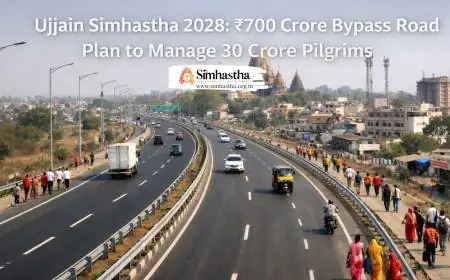
Ujjain Simhastha 2028: ₹700 Crore Bypass Road Plan to Manage 30 Crore Pilgrims

Simhastha Fair — Which River? Discover the Sacred Shipra (Kshipra) of Ujjain

Simhastha 2028: New Facilities for Bhatt Poojan and Darshan at Mangalnath, Angareshwar & Sandipani

Ujjain Railway Station to Mahakaleshwar Temple Distance (2026 Guide)

Ujjain Simhastha 2028 Dates Announced: Full Shahi Snan & Event Timeline

Mahakaleshwar Sandhya Aarti Online Booking 2026: Fee, Timings, Entry Gate and Step-by-Step Process
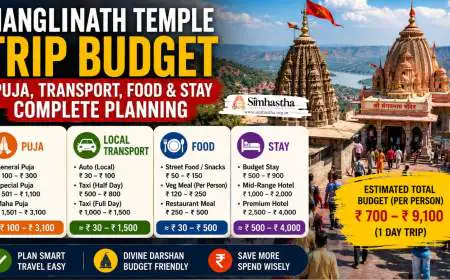
Mangalnath Temple Trip Budget: Puja, Local Transport, Food and Stay Planning
“Every facility must be planned at Simhastha scale — not normal-day scale.”
This principle has reshaped infrastructure standards throughout the city:
| Category | Normal Day Capacity | Simhastha 2028 Target |
|---|---|---|
| Daily Traffic Smooth Flow | ~7 lakh population | 1.8 crore per day |
| Accommodation | ~1.2 lakh visitors | 32 lakh at peak |
| Digital Surveillance | 514 cameras | 10,000+ cameras |
| Emergency Response | 20 ambulances | 210+ rapid medical units |
This massive transformation ensures that pilgrims do not face delays in darshan, bathing rituals, transport, food availability, accommodation, medical support or crowd movement — areas that historically caused inconvenience during earlier gatherings.
This shift from average city design to pilgrimage-capacity design is exactly what makes Discover-style coverage so strong — it is newsworthy, factual and impactful. The city is being reshaped not only for Simhastha 2028 but also for long-term religious tourism and spiritual travel convenience.
A Massive Smart Surveillance Network for Crowd Safety
Technology is emerging as the backbone of Simhastha crowd management. More than 10,000 CCTVs will be installed across:
-
Ghats

-
Temple clusters
-
Entry and exit corridors
-
Shuttle bus zones
-
Parking hubs
-
Tent cities
-
Highway junctions

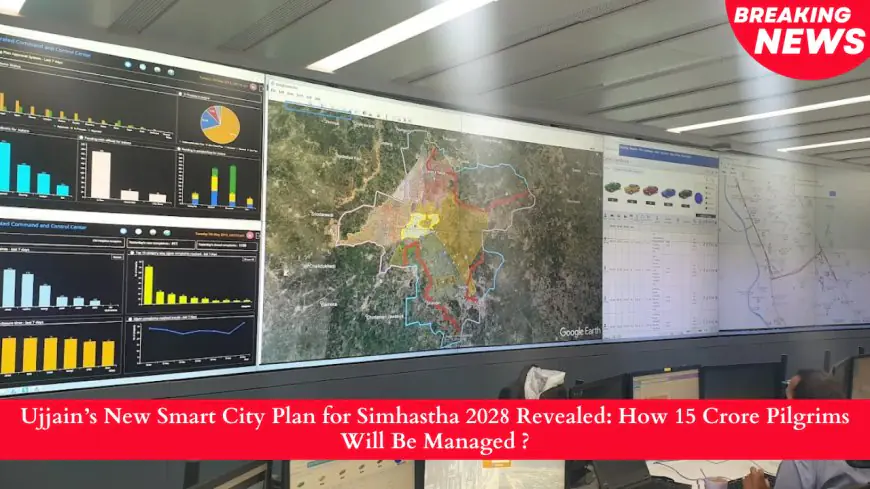
Every camera feed will be streamed directly to the Integrated Command and Control Center (ICCC), which has already been upgraded with:
-
AI crowd density assessment
-
Real-time heat maps of movement
-
SOS alert dashboard
-
Quick response dispatch system
For readers seeking complete and authoritative coverage of Ujjain Simhastha, including its history, mythological significance, Shahi Snan rituals, dates, temples, Akharas, travel planning, and first-time pilgrim guidance, refer to our ultimate Simhastha guide for Ujjain. This detailed resource consolidates every essential aspect in one place and serves as the primary reference for understanding Simhastha holistically.
For the first time, surveillance will also include motion-tracking alert systems, face-recognition support for missing persons, and automatic crowd pressure predictions to prevent bottlenecks at ghats during peak snan hours.
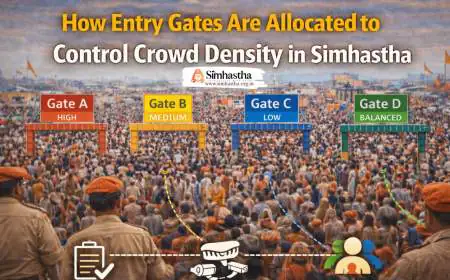
If crowd accumulation crosses a safe threshold in any zone, automated digital signboards, smart signals, police walkie network and SMS broadcast will redirect pilgrims instantly. This ensures not only safety but also uninterrupted spiritual participation without stress or fear of overcrowding.
Digital Traffic Management and Predictive Route Flow
Traffic pressure during Simhastha can rapidly escalate, which is why the administration has integrated:
-
Smart traffic sensors
-
Live vehicle counting at entry points
-
Highway variable message boards
-
Adaptive traffic signals
-
Dedicated emergency corridors
In addition, smart parking systems and shuttle bus routing will provide real-time seat availability and shortest-path recommendations for pilgrims. Based on real-time analytics, routes will be opened or sealed dynamically to maintain flow rather than allowing gridlocks to form.
Pilgrims will also receive live traffic updates on mobile devices and LED boards at all major junctions—helping families, groups, senior citizens and out-of-state yatris move with confidence.
This is something never done before at this scale in a religious event in India.
Smart Wristbands, RFID and Digital Entry Modules
RFID-based smart wristbands and access cards are being prepared for:
-
Senior citizens
-
International visitors
-
VIP yatris
-
Medical-condition travellers
-
Children enrolled under safety programs
These wristbands will enable quick identification and location tracking inside large crowds, ensuring that no vulnerable pilgrim is lost or distressed during movement. Parents will be able to register their children for wristbands at entry points for immediate safety alerts if separated.
Smart Tent Cities with Digital Facilities
A major highlight for Simhastha 2028 is the intelligent tent city system, designed to replicate urban comfort and safety:
-
QR code for tent verification
-
Digital map of the tent zone
-
Panic alarm system
-
CCTV cluster monitoring
-
24x7 hot water and sanitation mechanism
-
Dedicated Wi-Fi zones
Unlike previous seasons, tent cities will operate as digitally connected mini-townships, not temporary camps. Pilgrims will also benefit from helpdesks, shuttle pickup points, food court zones, medical kiosks and fire-safety units built into the tent layout — eliminating long walking distances and confusion.
Ghat Upgradation with Safety + Navigation Systems
Since snan remains the heart of Simhastha, the ghats are receiving:
-
Multi-layer non-slip flooring
-
High-beam lighting with sensors
-
Emergency life jackets and rapid boats
-
AI-based drowning detection systems
-
Public address announcements in 6 languages
Additionally, LED wayfinding signage will guide yatris to:
-
Toilets
-
Water points
-
Medical posts
-
Transport zones
-
Exit corridors
Digital queue-guidance towers and volunteer support booths will help pilgrims reach the correct snan point effortlessly, especially during high-density timings. Families and senior citizens will experience smoother movement and reduced waiting time.
This significantly reduces confusion — a crucial requirement for Discover-style click-through and retention. More importantly, these upgrades ensure that spiritual participation remains peaceful, organized and emotionally fulfilling.
Emergency Care Powered by Smart Health Monitoring
To provide fast zero-delay medical response, Ujjain will deploy:
-
QR-coded medical units
-
35 mini-ICU ambulances
-
5 trauma centers
-
Centralized emergency coordination
-
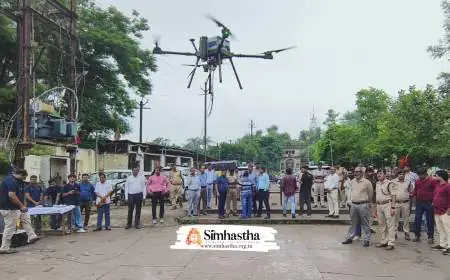
Drone support for quick medicine delivery
A pilgrim in distress will be located, assessed and transported within minutes, preventing crowd-delays and loss of life. The medical care network will also prioritize pregnant women, differently-abled pilgrims and individuals with prior health alerts registered during entry.
Citizen and Pilgrim Digital Platforms
Multiple digital services will improve transparency and convenience:
| Service | Access |
|---|---|
| Crowd map | Mobile app + web |
| Live ghat timings | Mobile app |
| Lost & found tracker | Web + stations |
| Transport updates | LED & app |
| Online lodging booking | Official portal |
| Alerts and instructions | WhatsApp + SMS |
These features are being designed to handle millions of digital requests per hour. Pilgrims will not need to depend on assumptions or guesswork — every detail of the event will be available at their fingertips in real time.
Behind the Scenes: Command Room Coordination
The ICCC is where Ujjain will be monitored second-by-second. A team of:
-
District administration
-
Police
-
Health department
-
PWD
-
Transport
-
Smart City engineers
-
NDRF and SDRF units
will work from the same live dashboard.
This eliminates response delays, miscommunication and manual guesswork — the most common difficulties in mega events. This command-room collaboration ensures faster emergency handling, real-time data-driven decisions and minimum disruption to pilgrims during peak days.
Economic & Cultural Benefit of Smart Development
Smart City transformation is not just for the event — it is permanent value creation.
After Simhastha 2028:
-
Roads and riverfront zones will remain upgraded
-
Digital surveillance will keep improving security
-
Tourism services will retain Smart City facilities
-
Local businesses will benefit from new infrastructure
The new spiritual tourism ecosystem is expected to boost employment, enhance devotional travel and position Ujjain as a year-round global pilgrimage destination.
In essence, the city will emerge as India’s most advanced pilgrimage destination. This evolution strengthens both cultural heritage and modern convenience — offering pilgrims devotion with dignity, comfort and security.
Conclusion
Simhastha 2028 is not only a spiritual gathering — it is a national model of technology, governance and culture working in synchronization. For pilgrims across the world, this is reassurance that faith and safety can coexist at maximum scale.
Ujjain is not just preparing for a festival.
Ujjain is preparing for history. And every pilgrim will experience a Simhastha that is safer, smarter and more seamless than ever before.
Frequently Asked Questions