



















Simhastha 2028 in Ujjain: Beat the Scorching Heat with Green Mahakumbh
Madhya Pradesh Forest Department launches Green Simhastha model for 2028. Plastic-free, bamboo tents, leaf plates, and forest groves to beat extreme heat. Full update inside.



While the world talks about sustainable development, the holy city of Ujjain is preparing to live it – and on a scale never seen before. With the Simhastha 2028 fair still two years away, the Madhya Pradesh Forest Department has already rolled up its sleeves. The mission? To turn the Simhastha Kumbh into a Green Mahakumbh – an eco-friendly, plastic-free, and heat-resilient spiritual gathering that could very well become a national model.
The Mahakal’s city is known for its intense summer heat. But in 2028, devotees arriving for the sacred bath might just experience something revolutionary: a cool Kumbh, in every sense of the word.
Here’s the full update on how authorities are reimagining India’s largest religious congregation through the lens of nature, tradition, and climate-conscious planning.
🌱 ‘Green Simhastha Model’: A First-of-Its-Kind Initiative
The Madhya Pradesh Forest Department has officially begun work on what they call the Green Simhastha Model – a comprehensive framework to ensure that the 2028 Simhastha leaves behind minimal environmental damage while offering maximum comfort to crores of pilgrims.
Trending Guides Now

Ujjain Simhastha 2028: ₹700 Crore Bypass Road Plan to Manage 30 Crore Pilgrims
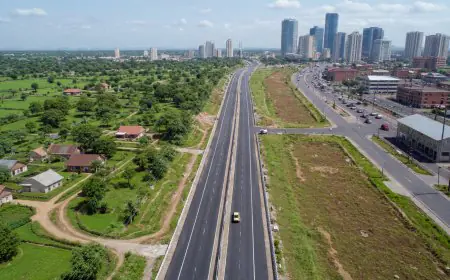
Indore–Ujjain Six-Lane Highway nearing completion — big step for regional growth!

Ujjain’s New Smart City Plan for Simhastha 2028 Revealed: How 15 Crore Pilgrims Will Be Managed ?

Simhastha 2028 Preparation Status Report: What Has Been Completed in Ujjain by May 2026?

Ujjain Railway Station to Mahakaleshwar Temple Distance (2026 Guide)

Ujjain Simhastha 2028 Dates Announced: Full Shahi Snan & Event Timeline

Ujjain Railway Station to Kal Bhairav Temple: Distance, Auto Fare and Best Route

Ujjain Simhastha Update: CM Mohan Yadav Reviews 2028 Works
According to Ujjain DFO Anurag Tiwari, who spoke exclusively to ETV Bharat, the focus is on balancing nature, tradition, and convenience. The department claims this will be India’s largest and most eco-friendly Simhastha Kumbh to date.
"Khakhre and ilaichi ke patton se banne wale done aur pattal – yeh sab kuch hum already arrange kar rahe hain. Bamboo ke tent aur natural materials se santon ke dere banenge."
(Leaf-based bowls and plates made from khakhra and cardamom leaves are being arranged. Saints’ camps will be set up using bamboo tents and natural materials.)
🧺 Plastic-Free Pilgrimage: Leaf Plates, Bamboo Tents & Wood from Local Forests
One of the most visible changes will be the complete phase-out of plastic and thermocol. In their place, the Forest Department is mobilizing natural resources from across Madhya Pradesh:
-
Leaf Plates & Bowls (Pattal-Dona): Prepared from khakhra and cardamom leaves – biodegradable, compostable, and traditional.
-
Bamboo & Timber (Bans-Balli): Being sourced in bulk from Harda and Balaghat districts for constructing temporary shelters, tents, and barricades.

-
Flagpoles (Dhvaj Danda): Arranged from Khargone and surrounding regions.
-
Firewood for Rituals (Jalau Lakdi): Supplied from the Chandkesar area of Dewas to meet the needs of havan, yagyas, and anushthans conducted by akharas and saints.

This is not just about replacing one material with another. It's about reviving a pre-industrial, circular economy – one where faith directly supports local forest-dependent communities.
🌳 Beating the Heat: ‘Van-Upvan’ (Forest Groves) to Offer Natural Cool Spots
May and June in Ujjain can be punishing. Temperatures often soar past 40°C. For pilgrims walking long distances to reach the Kshipra ghats, heat exhaustion is a real risk. The Forest Department has a solution: Van-Upvan – temporary and permanent forest groves planted strategically across the city and its outskirts.
DFO Anurag Tiwari explained:
"Simhastha 2028 ke waqt bheeshan garmi hogi. Isliye shraddhaluon ko rahat dene ke liye hum sheher ke andar aur bahari ilakon mein badh se badh ped, hariyali, aur prakritik vishram sthal taiyar karenge."
(During Simhastha 2028, it will be extremely hot. To provide relief to devotees, we will prepare large trees, green shade, and natural rest areas inside and outside the city.)
These groves will serve multiple purposes:
-
Cooling effect through tree cover and shade
-
Resting zones with natural seating
-
Aesthetic beauty aligning with the spiritual atmosphere
-
Long-term green cover for Ujjain even after 2028
For elderly pilgrims, families with children, and those unaccustomed to central Indian heat, this could be a literal life-saver.
🔥 Beyond Comfort: Faith Meets Forest Conservation
The Green Simhastha initiative goes deeper than logistics. The Forest Department is also ensuring that religious needs of the akharas and saint community are met without putting pressure on vulnerable ecosystems.
Plans include the assured supply of:
-
Sandalwood (Chandan)
-
Eucalyptus leaves
-
Bilva Patra (bel leaves)
-
Tulsi (holy basil)
These items are essential for daily pujas, special rituals, and the aartis that define the Kumbh experience. By sourcing them scientifically and sustainably, the department aims to avoid the kind of unregulated collection that often harms local flora.
♻️ A National Template for ‘Green Kumbh’?
India has hosted many Kumbhs. But rarely has a state government begun such integrated, multi-departmental planning two full years in advance – and with environment as the central pillar.
If successful, Ujjain’s Simhastha 2028 could become the benchmark for:
-
Eco-friendly mass gatherings
-
Waste-free religious tourism
-
Climate-adaptive pilgrimage planning
-
Forest-based livelihood generation during mega-events
The Forest Department is not working in isolation. Coordination with the Ujjain Development Authority, Simhastha Mela Authority, and local municipal bodies is already underway.
📌 What Pilgrims Can Expect in 2028
For the average devotee walking towards Ramghat or Harsiddhi Temple, the experience will feel different – and better.
-
✅ No plastic litter on the ghats or streets
-
✅ Cool resting spots under tree canopies
-
✅ Clean, biodegradable plates and bowls for prasad and meals
-
✅ Shaded pathways designed with natural materials
-
✅ Traditional aesthetics – bamboo, leaf, wood – not industrial tents or tarpaulin
And for those worried about the heat? The Van-Upvan model will ensure that even in May, there will be pockets of green, breathable, shaded spaces across the city.
🌍 A Spiritual Message Wrapped in Environmental Action
What makes this initiative remarkable is not just the scale, but the symbolism. Simhastha is, at its core, a celebration of life, water, and the cosmos. What better way to honor that than by protecting the very earth and air that sustain that life?
The Forest Department has made it clear: this will not be a "regular" Kumbh with a few green add-ons. It will be a Green Mahakumbh – where every tent, every plate, every flagpole tells a story of responsibility, tradition, and innovation.
As DFO Anurag Tiwari put it:
"Prakriti, parampara, aur suvidha ka sangam – yahi hamara model hai."
(The confluence of nature, tradition, and convenience – that is our model.)
For the millions who will arrive in Ujjain in 2028, the holy dip may cleanse the soul. But the green embrace of the city will cool the body – and perhaps, inspire a new way of thinking about faith in the age of climate change.
Reference Source: ETV Bharat Madhya Pradesh
Frequently Asked Questions