















How Simhastha 2028 Uses Predictive Crowd Mapping to Prevent Congestion
Discover how Simhastha 2028 uses predictive crowd mapping, AI, and data analytics to prevent congestion and manage millions of pilgrims safely.
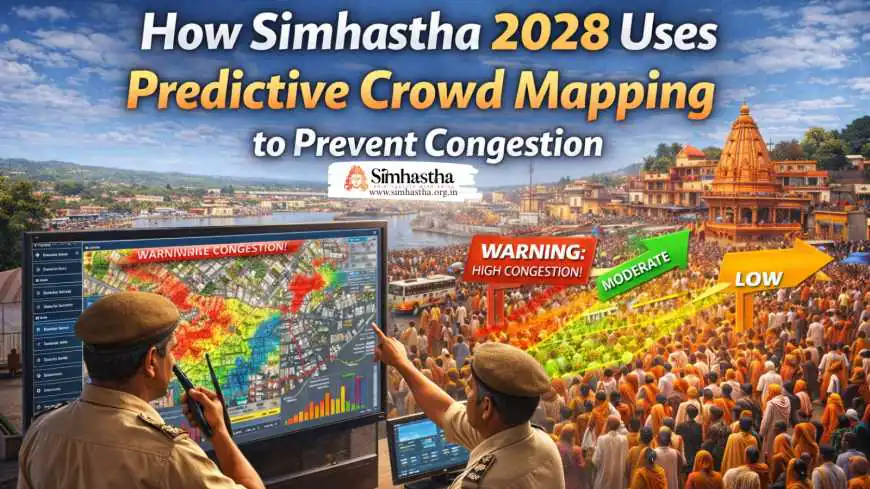

How Simhastha 2028 Uses Predictive Crowd Mapping to Prevent Congestion
Simhastha 2028 is evolving into one of the most technologically advanced religious gatherings in the world, where ancient devotion meets modern intelligence. With millions of pilgrims expected to arrive in Ujjain over a short span of time, the biggest challenge is not just accommodating them, but ensuring their movement remains safe, smooth, and stress-free. This is where predictive crowd mapping Simhastha becomes the backbone of planning.
Instead of reacting to congestion after it forms, authorities are now using data, artificial intelligence, and behavioral insights to predict crowd movement in advance. This proactive system transforms chaos into coordination, allowing seamless flow across ghats, roads, temples, and transit hubs. Simhastha 2028 is not just managing crowds. It is anticipating them.
Understanding Predictive Crowd Mapping in Simhastha 2028
At its core, predictive crowd mapping Simhastha is a system that studies patterns, processes real-time data, and forecasts where crowds will build up.
It works by combining multiple data sources such as surveillance cameras, GPS signals, mobile network density, and historical data from previous Kumbh gatherings. These inputs are analyzed using advanced algorithms to create dynamic predictions.
Trending Guides Now
Why Simhastha Happens Only When Jupiter Enters Leo ?

Simhastha Kumbh Mela Explained for First-Time Visitors
How Simhastha 2028 Traffic Control Relies on Ring Roads and Bypass Corridors
How Local Businesses Are Preparing for Simhastha 2028

Ujjain Railway Station to Mahakaleshwar Temple Distance (2026 Guide)

Ujjain Simhastha 2028 Dates Announced: Full Shahi Snan & Event Timeline
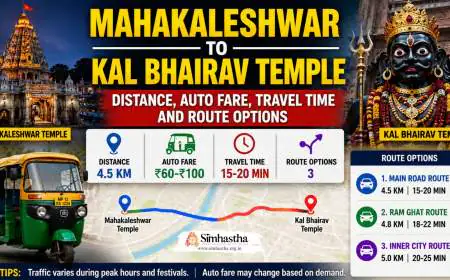
Mahakaleshwar to Kal Bhairav Temple: Distance, Auto Fare, Travel Time and Route Options

Ujjain Simhastha 2028 Road Widening Brings Action Against Religious Structures Houses and Shops
This allows authorities to know:
- Where crowd density will increase
- When peak movement will occur
- Which routes may become congested
By understanding these patterns, planners can intervene before congestion even begins.
The Scale of Crowd Management in Simhastha
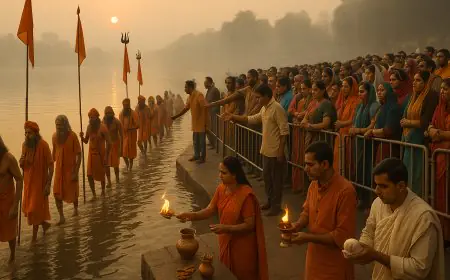
Simhastha is not a typical event. It is one of the largest human gatherings on Earth.
During peak days, especially Shahi Snan, millions of people move toward the same locations within limited time windows. Managing such density requires more than manpower.
Traditional crowd control methods often relied on barricades and police presence. While effective to some extent, they lacked predictive capability. The introduction of Simhastha 2028 crowd management technology changes this entirely by bringing scientific precision into the process.
Data Sources That Power Predictive Mapping
The strength of predictive systems lies in the quality and diversity of data.
The big data crowd mapping system in Simhastha 2028 integrates:
- Historical footfall data from past events
- Live CCTV feeds across Ujjain
- Mobile network density signals
- GPS data from vehicles and transport systems
- Social media activity trends
Each data point contributes to a larger picture, enabling accurate predictions.
Real-Time Monitoring and Control Centers
While predictive mapping forecasts movement, real-time monitoring ensures continuous control.
The real time crowd monitoring Ujjain system operates through centralized command centers where data flows from thousands of sensors and cameras.
These centers:
- Monitor live crowd density
- Detect unusual movement patterns
- Coordinate with field teams instantly
- Issue alerts and instructions
This creates a synchronized network where decisions are made within seconds.
Role of Artificial Intelligence in Crowd Prediction
Artificial intelligence adds intelligence to data.
The AI crowd management India framework uses machine learning models that continuously learn and improve. These systems can:
- Predict crowd surges based on time and location
- Identify early signs of congestion
- Recommend alternate routes
- Optimize traffic and pedestrian flow
AI does not just analyze data. It interprets human behavior at scale.

Heat Maps and Visual Intelligence
One of the most practical tools in crowd management is the use of heat maps.
Through Kumbh crowd analytics, heat maps display real-time crowd density using color codes.
- Red indicates high density
- Yellow indicates moderate density
- Green indicates free movement
These visual insights help authorities make quick decisions without complex analysis.
Traffic Flow Optimization Through Predictive Systems
Traffic management is closely linked with crowd movement.
The Ujjain traffic management system uses predictive analytics to control vehicle flow across the city.
This includes:
- Dynamic traffic signal adjustments
- Dedicated routes for emergency vehicles
- Parking management systems
- Restricted zones during peak hours
By controlling traffic, authorities indirectly manage crowd distribution.
Smart Surveillance and Integrated Systems
Surveillance in Simhastha 2028 goes beyond observation.
The smart surveillance Simhastha system integrates multiple technologies:
- CCTV networks with AI capabilities
- Drone-based monitoring
- Facial recognition for safety tracking
- Sensor-based movement detection
These systems create a real-time digital map of the entire city.
Predictive Alerts and Preventive Action
The real power of predictive mapping lies in early warnings.

Through Simhastha congestion prevention, authorities receive alerts before a location becomes overcrowded.
For example:
- If a ghat is expected to reach capacity within an hour
- If a route shows increasing density trends
- If unexpected crowd movement is detected
These alerts trigger immediate actions such as route diversion, public announcements, and deployment of additional staff.
Integration with Ujjain Smart City Infrastructure
Simhastha 2028 is aligned with the broader vision of a smart Ujjain.
The Ujjain smart city planning integrates:
- IoT-based sensors
- Centralized control systems
- Emergency response networks
- Digital communication platforms
This integration ensures that all departments work together seamlessly.
Benefits of Predictive Crowd Mapping
The impact of this system is transformative.
- Enhanced safety for pilgrims
- Reduced congestion and waiting time
- Efficient use of resources
- Improved overall experience
The use of event management system India ensures that decisions are based on data, not guesswork.
Challenges in Implementing Predictive Systems
Despite its advantages, predictive crowd mapping is complex.
- Managing massive volumes of data
- Ensuring real-time accuracy
- Coordinating across departments
- Maintaining data privacy
However, continuous advancements in technology are addressing these challenges.
How Pilgrims Experience the Change
For pilgrims, the impact of predictive systems may not be visible, but it is deeply felt.
- Shorter queues at ghats
- Smoother movement across routes
- Better access to facilities
- Reduced stress during peak days
The system works silently in the background, ensuring a seamless experience.
Future Implications for Large-Scale Events
Simhastha 2028 is setting a new benchmark for event management.
The success of crowd prediction AI India will influence:
- Future Kumbh gatherings
- Major festivals across India
- Urban crowd management strategies
This marks the beginning of a new era in public event planning.
A System That Thinks Ahead of the Crowd
Simhastha 2028 represents a shift from control to anticipation. It is no longer about managing crowds after they form, but about understanding them before they move. Predictive crowd mapping transforms millions of individual journeys into a coordinated flow, where safety and devotion coexist without conflict. As pilgrims walk toward the sacred waters of Ujjain, an invisible intelligence walks alongside them, guiding every step, ensuring that the experience remains peaceful, organized, and deeply fulfilling.
Frequently Asked Questions