























How Akharas Maintain Hierarchy and Command During Massive Gatherings
Discover how Akharas maintain hierarchy, discipline, and command during massive gatherings like Simhastha through structured leadership and traditions.

How Akharas Maintain Hierarchy and Command During Massive Gatherings
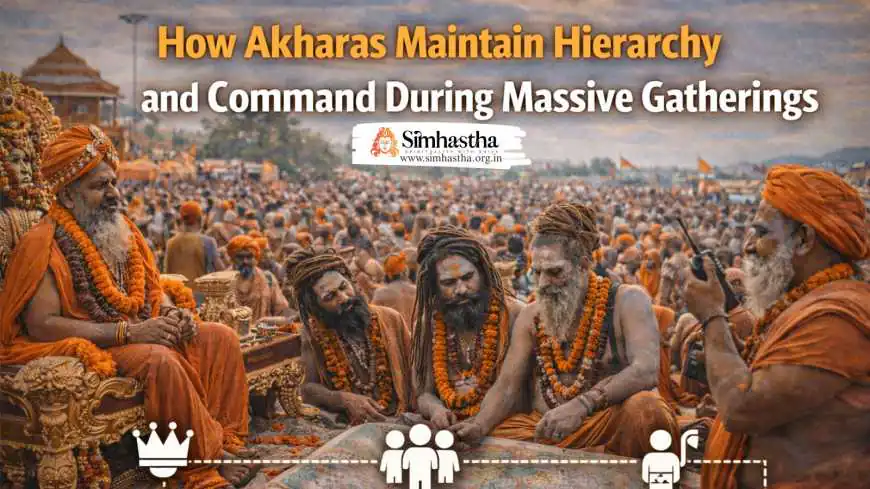
Simhastha is not just a gathering of millions of pilgrims but also a convergence of ancient spiritual institutions known as Akharas. These Akharas, which include groups of sadhus and saints, operate under a deeply structured hierarchy that has been preserved for centuries. During massive gatherings like Simhastha, maintaining order, discipline, and command within these groups becomes critical. The system is not informal or spontaneous; it is based on well-defined roles, authority levels, and traditional protocols. This structured approach allows Akharas to function as organized units, ensuring smooth participation in rituals, processions, and daily activities while maintaining spiritual discipline and collective identity.
Understanding the Structure of Akharas
Akharas are not loose spiritual groups but highly organized institutions with defined leadership and internal systems. Each Akhara operates under a hierarchy that determines roles, responsibilities, and authority.
The Akharas hierarchy system is built around senior saints, administrators, and followers. At the top are the प्रमुख leaders who guide decision-making, followed by layers of disciples and practitioners. This structured system ensures clarity in command and prevents confusion during large gatherings.
Role of Mahamandaleshwar and Senior Leadership
The highest authority within an Akhara is typically held by the Mahamandaleshwar or equivalent senior leader. These individuals are responsible for guiding the spiritual and administrative direction of the Akhara.
Trending Guides Now

How Naga Sadhus Begin Their Day: Ancient Discipline and Yogic Power

Who Are the Naga Sadhus of Simhastha 2028? Discipline, Rituals & Mystical Identity Revealed
The Untold Reason Naga Sadhus Lead the First Shahi Snan at Simhastha 2028

Why 13 Akharas Are Recognised in Simhastha

Ujjain Railway Station to Mahakaleshwar Temple Distance (2026 Guide)

Ujjain Simhastha 2028 Dates Announced: Full Shahi Snan & Event Timeline

Mahakaleshwar to Kal Bhairav Temple: Distance, Auto Fare, Travel Time and Route Options

Ujjain Simhastha 2028 Road Widening Brings Action Against Religious Structures Houses and Shops
In Simhastha Akhara management, their role becomes even more significant. They coordinate with event authorities, decide participation in rituals, and ensure that the Akhara follows established protocols. Their leadership provides stability and direction to thousands of followers.
Chain of Command Within Akharas
A clear chain of command is essential for managing large groups. Orders and instructions flow from senior leaders to mid-level coordinators and then to individual members.
This structured communication ensures that decisions are implemented efficiently. The Akhara command system India relies on discipline and respect for authority, allowing smooth functioning even in complex situations.
Discipline and Code of Conduct
Discipline is a core principle within Akharas. Members follow strict codes of conduct that govern behavior, interactions, and participation in rituals.
This discipline plays a crucial role in maintaining order during Simhastha. The Akhara discipline management system ensures that every member understands their role and responsibilities, reducing the chances of disorder.
Coordination During Processions and Rituals
One of the most visible aspects of Akhara participation is the grand processions. These events involve thousands of participants and require precise coordination.
The procession management Akharas system ensures that each group moves in an organized manner, following a predefined sequence. This prevents clashes and maintains the sanctity of the rituals.
Allocation of Space and Camp Management
Each Akhara is allocated specific areas within the Simhastha setup. These camps function as operational bases where members stay, prepare, and organize activities.
The management of these camps is handled internally through the Akhara coordination Simhastha system. Clear roles and responsibilities ensure efficient use of space and resources.
Communication Systems Within Akharas
Effective communication is essential for maintaining hierarchy and command. Traditional methods such as verbal instructions and group meetings are complemented by modern tools when needed.
The sadhu organization India system relies heavily on direct communication and personal interaction, ensuring that instructions are clearly understood and followed.
Integration with Administrative Authorities
While Akharas operate independently, they also coordinate with government authorities and event organizers. This collaboration ensures that their activities align with overall event planning.
The integration of Simhastha Akhara management with administrative systems helps maintain order and avoid conflicts during large-scale gatherings.
Managing Large Numbers of Followers
Akharas often include thousands of followers, making management a complex task. The hierarchical structure allows leaders to delegate responsibilities effectively.
Through the religious hierarchy Simhastha, each level of leadership manages a specific group, ensuring that no single individual is overwhelmed. This distributed approach improves efficiency.

Training and Preparation Before the Event
Preparation begins well before the event. Members are trained in discipline, rituals, and organizational practices.
This preparation strengthens the Akhara leadership structure and ensures that members are ready to handle the challenges of large gatherings.
Conflict Resolution Within Akharas
Conflicts can arise in any large group, but Akharas have internal mechanisms to resolve issues. Senior leaders act as mediators and ensure that disputes are handled peacefully.
The spiritual order Kumbh Mela system emphasizes harmony and respect, helping maintain unity within the group.
Preservation of Tradition and Authority
The hierarchy within Akharas is not just about management; it is also about preserving tradition. Roles and titles carry historical and spiritual significance.
Maintaining this structure ensures continuity and respect for the values that define the Akharas. The Kumbh Mela Akhara structure reflects centuries of tradition and discipline.
Adapting to Modern Challenges
While rooted in tradition, Akharas also adapt to modern challenges. They incorporate new methods of coordination and communication when necessary.
This balance between tradition and modernity strengthens the Akhara command system India, making it effective in contemporary settings.
A System That Balances Authority and Spirituality
The hierarchy within Akharas is a unique blend of authority and spirituality. It ensures that large groups can function efficiently without losing their spiritual essence.
By maintaining clear command structures and disciplined practices, Akharas contribute significantly to the smooth functioning of Simhastha.
A Living Tradition of Order Amidst Millions
In the midst of millions of pilgrims, the Akharas stand as examples of organized spiritual communities. Their ability to maintain hierarchy and command reflects a system refined over centuries.

This system not only ensures order but also preserves the cultural and spiritual identity of the Akharas, making them an integral part of Simhastha’s grandeur.
Frequently Asked Questions