


























What to Wear Carry Avoid at Ujjain Simhastha
Essential first timer checklist for Ujjain Simhastha covering clothing, items to carry, and common mistakes to avoid.


What to Wear, Carry & Avoid at Ujjain Simhastha
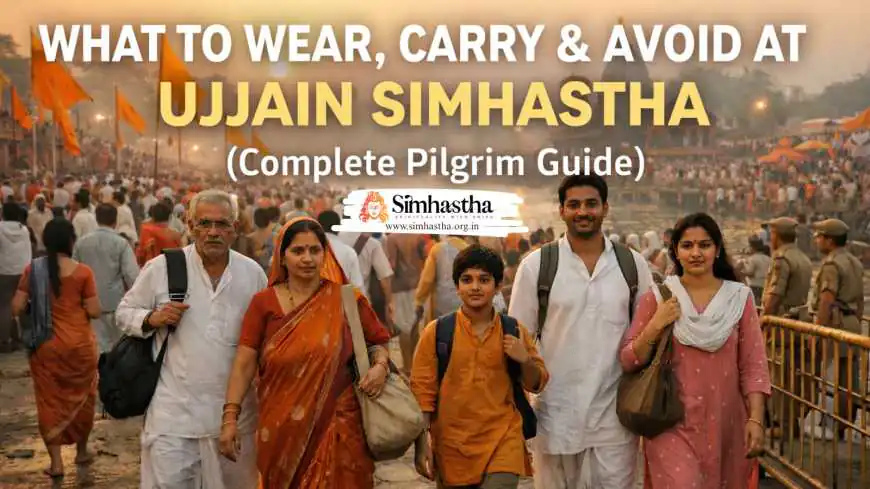
For Ujjain Simhastha, wear comfortable, modest, and weather-appropriate clothing, carry only essential items like ID, water, and basic necessities, and avoid valuables, heavy luggage, and restricted items. Following these guidelines ensures smooth movement, personal safety, and a more focused spiritual experience during high crowd density days.
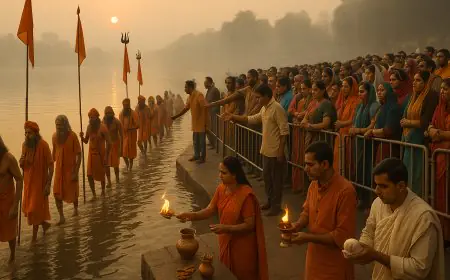
Preparing for Simhastha in Ujjain is not about packing more, it is about packing wisely. The city transforms into a high-movement spiritual zone where comfort, simplicity, and awareness matter far more than style or excess.
Think of your preparation like tuning an instrument before a performance. The lighter and more practical you are, the more smoothly your journey will flow through ghats, temple queues, and walking corridors.
For Every pilgrims, understanding Simhastha 2028 dates and the official Shahi Snan timeline is essential before booking flights or accommodation, as these sacred dates are completely non-negotiable.
Trending Guides Now

Why is Ujjain Kumbh Called Simhastha?

How Simhastha 2028 Transport Planning Integrates Rail, Road and Air in One Grid

Why Simhastha Can Only Happen in Ujjain: Scriptural & Astronomical Proof

Why Shahi Snan Is the Most Important Ritual of Simhastha 2028 ?

Ujjain Railway Station to Mahakaleshwar Temple Distance (2026 Guide)

Ujjain Simhastha 2028 Dates Announced: Full Shahi Snan & Event Timeline
Mangalnath Temple Trip Budget: Puja, Local Transport, Food and Stay Planning

Omkareshwar Trip Budget Guide: Transport, Stay, Food and Local Travel Costs
1) Mindset first: travel light, travel respectful
Before we jump into clothes and gear, get the pilgrim mindset: minimal, modest, and mindful. The Simhastha is crowded, dusty, intensely warm by day and cooler by night, and deeply ritualistic. Choose items that keep you physically comfortable and socially respectful. That means modest attire for temple visits, no flashy or disruptive accessories during ceremonies, and a plan for small inconveniences (rain, heat, queues).
2) Clothing: what to wear (and why)
Clothes at Simhastha must balance comfort, modesty, climate, and ease of maintenance. Indian pilgrims tend to prefer traditional wear (saree, kurta, dhoti), but breathable modern alternatives work just as well — as long as they respect the space.
Core clothing pieces
-
Upper-body: Loose cotton kurtas, breathable shirts, or light blouses. Avoid clingy synthetics; cotton or linen breathes much better in the heat. For women, a light dupatta is useful for temple modesty and sun protection.
-
Lower-body: Comfortable cotton trousers, loose pyjamas, or a well-draped saree for traditionalists. If you wear a saree, practice safe tucking to keep the hem off dusty ground.
-
Traditional options: If you plan to perform rituals at Mahakaleshwar, many pilgrims choose traditional dhoti or saree clothing — choose lighter fabrics and practice wearing them before you travel.
-
Modest modern alternatives: Lightweight long skirts, culottes, or loose pants with a longer top are respectful and practical.


Layering & temperature control
-
Lightweight layers: Evenings can be cool. Pack one lightweight shawl or a thin sweater. A lightweight layer is easy to carry and priceless during early-morning baths or cool temple courtyards.
-
Rains and humidity: If you visit during pre-monsoon or an unexpected shower, a foldable rain poncho or a waterproof pouch for valuables will save a day.
Fabrics & colors
-
Fabric: Prioritize cotton and breathable blends. Avoid heavy silks unless you’re attending a special puja and can manage care.
-
Color: Earth tones, saffron, white, and muted colors are both practical and culturally appropriate. White is widely used by pilgrims but stains easily — bring an extra set.
Footwear: choose wisely
Walking, standing, and quick in-and-out temple movements shape footwear needs.
-
Comfortable footwear: Slip-on sandals with good grip, lightweight walking shoes, or cushioned sandals are best for general movement. Make sure they’re easy to remove for temple entry.
-
Avoid heavy boots or brand-new stiff shoes; these cause blisters and slow you down.
-
Water steps: If you’ll walk near riverbanks or wet areas, a pair of inexpensive waterproof sandals or quick-dry flip-flops is useful.
-
Temple strictness: Mahakaleshwar and other mandirs require shoes to be removed; bring a cloth bag to carry footwear.
Accessories for clothing
-
Scarf or dupatta: For sun protection, modesty, and quickly covering shoulders in temples.
-
Light belt or waist pouch: For carrying ID, small cash, and a phone when you don’t want a full bag.
-
Hat: A wide-brimmed hat or cap for sun protection when outside the temple compound.
3) What to carry — the essential simhastha packing list
This simhastha packing list is arranged by priority: the items you’ll use every day come first.
Daily essentials
-
Valid government ID and photocopy (keep one copy in your bag and another digital copy).
-
Local cash (small denominations), one or two cards in a secure wallet.
-
Mobile phone with a local SIM if possible and charger/power bank.
-
Reusable water bottle (check local rules about refill points).
-
Packet of tissues and travel-sized hand sanitizer — hygiene essentials are critical in crowded areas.
-
Face masks (optional but useful in dusty crowds).
-
Lightweight towel or microfibre cloth.
Health & personal care
-
First aid kit: bandages, antiseptic wipes, blister plasters, paracetamol, ORS packets.
-
All daily medications in original packaging; a small note about prescriptions is helpful.
-
Mosquito repellent and sunscreen (sun protection) — SPF 30+ and reapply.
-
Toothbrush, toothpaste, soap, quick wash laundry soap sheet.
-
Wet wipes for quick freshening up.
-
Female hygiene products (enough for the entire trip), sanitary disposal bags.
Clothing & packing
-
Two to three day outfits and one or two fresh evening sets (depending on trip length).
-
One lightweight shawl or wrap for mornings and temple visits.
-
Compact foldable bag for purchases or sudden need for extra storage.
Tech & security
-
Power bank (fully charged), with cables.
-
Small torch or headlamp for night-time movement.
-
Waterproof pouch for phone, wallet, and documents.
-
Small combination lock for temporary storage.
Optional but helpful
-
Small prayer cloth or portable puja kit if you’ll do private rituals.
-
Compact umbrella or poncho for sudden rains.
-
Travel-size sewing kit and safety pins.
-
A small notebook and pen for contact numbers or travel notes.
4) What to avoid — items and habits that complicate pilgrimages
A short list of “don’t bring / don’t do” moments that save time, money, and dignity.
Don’t pack large luggage or bulky suitcases
Crowds, checkpoints, and limited storage spaces make big luggage a liability. Use a small backpack or duffel that can be securely carried.
Avoid flashy jewelry or valuables
Minimize theft risk by leaving expensive jewelry at home. Keep a small amount of cash in a hidden pouch.
Don’t bring prohibited items
Check local temple and festival rules, but commonly prohibited items include:
-
Alcohol and drugs
-
Weapons or sharp items
-
Large professional camera gear without permission (observe camera etiquette)
-
Drones (often banned around temple complexes)
-
Excessive plastic that cannot be disposed of responsibly — avoid plastics where possible.
Don’t rely on a single payment method
Network problems or card failures are common. Carry both cash and a backup card.
Avoid tight or obstructive clothing
You’ll walk a lot; restrictive clothes slow movement and cause discomfort.
5) Temple etiquette & devotional clothing notes
Showing cultural sensitivity amplifies the spiritual experience for you and those around you.
-
Dress modestly: Cover shoulders and knees inside the temple. A dupatta or shawl is a quick solution.
-
Remove footwear at temple thresholds and carry a small bag to keep them.
-
Photography: Some sanctums strictly prohibit photography. Respect signs and temple volunteers. Observe camera etiquette and avoid intrusive photos of devotees.
-
Offerings: Keep them simple, whether fruit, flowers, or a diya; avoid plastics and disposable packaging.
-
Quiet spaces: Keep voice volumes low inside temple complex and during rituals.
6) Practical tips for bathing days and early-morning schedules
If you plan to perform ritual baths or attend dawn ceremonies, practical clothing choices matter.
-
Wear light, quick-dry clothing that you can easily change out of and back into.
-
For women in sarees: pre-tuck arrangements or use a simple sari belt to keep hems secure.
-
For men wearing dhoti: a cotton dhoti that’s already practiced at home is safer than a first-time attempt at the mela.
-
Bring a dry set of clothes and a small plastic or waterproof bag for wet garments.
7) Weather preparation & seasonal clothing
Ujjain weather during Simhastha may swing from hot daytime to cool mornings. Pack for extremes without weight.
-
Day heat: Breathable cotton, wide-brim hats, and sunglasses.
-
Night chill: Thin sweaters or shawls.
-
Rain prep: compact poncho and waterproof pouch for electronics.
8) Hygiene, sanitation and health
In crowded festivals, staying healthy is half planning, half common sense.
-
Wash hands before eating and carry hygiene essentials (hand sanitizer, wet wipes).
-
Drink safe water only; use refill stations or sealed bottles. Clean your reusable bottle each evening.
-
Avoid street food stalls that appear unhygienic — choose busy stalls with high turnover.
-
Keep a minimal first aid kit and know the location of local medical booths.
-
Respect personal space, and if you feel unwell, head to a medical camp early.
9) Safety essentials & money management
Crowds can be disorienting. Plan for small contingencies.
-
Keep ID and emergency contact information in a secure, waterproof pouch and a digital copy on your phone.
-
Use a small money belt or an inner pocket for essential cash and cards.
-
Avoid using ATMs in very crowded places; use one in a safe, well-lit location.
-
Share rendezvous points with companions in case of separation.
10) Packing checklist (quick printable version)
-
ID + photocopy (keep one copy separate)
-
Cash (small notes) + backup card
-
Mobile + charger + power bank
-
Comfortable footwear (broken-in)
-
2–3 day outfits + 1 warm layer
-
Shawl/dupatta
-
Reusable water bottle
-
Hand sanitizer, tissues, wet wipes
-
Sunscreen, hat, sunglasses
-
First aid kit, medication, ORS
-
Mosquito repellent
-
Waterproof pouch and plastic bag for wet clothes
-
Small torch, sewing kit, safety pins
-
Modest offering (optional)
-
Lightweight foldable backpack
11) Packing strategy for different pilgrim profiles
Solo traveller: Prioritize lightness, security, and communication. Carry a power bank and a SIM with local service.
Family with elders: Pack extra medicine, comfortable shoes, seating mat, and avoid crowded rush hours.
Group of devotees: Coordinate shared items — one shared first-aid kit, one umbrella, and a small communal water container.
Pilgrims with children: Extra snacks, children’s meds, ID for children, and a bright scarf or band to spot them in crowds.
12) Common mistakes and how to avoid them
-
Mistake: Bringing too much clothing.
Fix: Pack multi-use lightweight items and plan laundry at your lodging. -
Mistake: New shoes that cause blisters.
Fix: Wear and break-in shoes before travel. -
Mistake: Not protecting electronics from dust/water.
Fix: Use a waterproof pouch and a microfiber cloth pack. -
Mistake: Ignoring temple signage on photography.
Fix: Observe volunteers and posted rules.
13) Sustainable pilgrim habits
-
Carry reusable bottles and avoid single-use plastics whenever possible — avoid plastics and dispose responsibly.
-
If vendors offer plastic bags, ask for paper or carry your own reusable bag.
-
Respect local waste bins and volunteer programs.
14) Quick cultural dos and don’ts
-
Do remove your hat when entering a sanctum.
-
Do ask before photographing individuals.
-
Don’t point your feet toward deities (in many Indian traditions feet are considered impure).
-
Do accept local guidance with humility; volunteers are there to help.
15) Final checklist before you step out
-
ID on person, photocopy in bag.
-
Phone fully charged, power bank topped.
-
Comfortable clothing and backup layer.
-
Sunscreen applied, hat on.
-
Wallet secured, small daily cash separated.
-
Water bottle filled, snacks packed.
-
Respectful mindset — patience will be your most valuable item.
Related Simhastha 2028 Guides :
- Simhastha 2028 Dates Officially Announced: Full Event & Shahi Snan Timeline
- Top 10 Routes to Enter Ujjain During Simhastha 2028 Without Traffic Hassles
- How to Travel Inside Ujjain During Simhastha 2028: Routes, Maps and Movement Plans
- How to Travel in Ujjain During Peak Snan Days: Do’s & Don’ts for Simhastha 2028
- Solo Travel Guide for Simhastha 2028: Safety, Budget, Stay & Movement Tips
- Mumbai to Ujjain for Simhastha 2028: Fastest Routes & Budget Tips
- Bengaluru to Ujjain for Simhastha 2028: Night Travel vs Day Travel Comparison
- Delhi to Ujjain for Simhastha 2028: Fastest Same-Day Travel Plan for Pilgrims
- Ujjain Simhastha from New York: Best Travel & Stay Guide
- Ujjain Simhastha From London: Complete Travel & Stay Guide
Frequently Asked Questions