


























Why Akharas Train Years Before Simhastha Begins
Discover why Akharas begin training years before Simhastha with insights on rituals, discipline, hierarchy, and preparation for large-scale spiritual events.



Understanding the Scale and Responsibility of Akharas in Simhastha
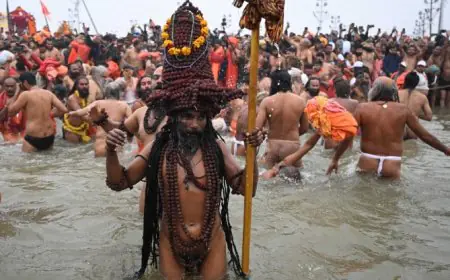
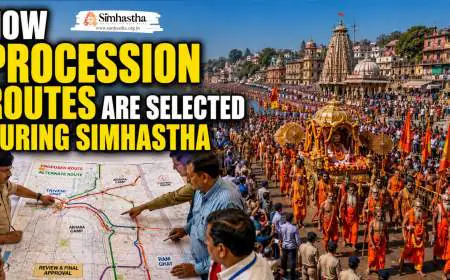
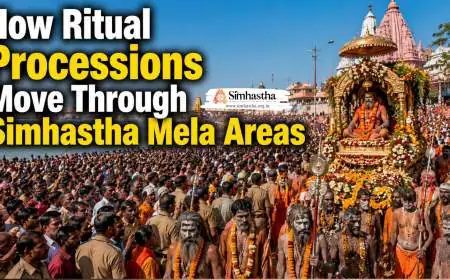
The role of Akharas in Simhastha is central and non-negotiable. They are not merely participants—they are the spiritual anchors of the entire event. Their processions, rituals, and presence define the rhythm and structure of Simhastha.
Each Akhara represents a lineage, a philosophy, and a tradition that has been preserved for centuries. During Simhastha, thousands of sadhus from each Akhara gather, move together, perform rituals, and interact with millions of devotees. This creates a highly dynamic and sensitive environment where coordination becomes critical.
Without structured training, managing such a scale would lead to confusion, delays, and potential safety risks. This is why Akhara training begins years in advance, ensuring that every member is aligned with the system.
For Every pilgrims, understanding Simhastha 2028 dates and the official Shahi Snan timeline is essential before booking flights or accommodation, as these sacred dates are completely non-negotiable
Trending Guides Now
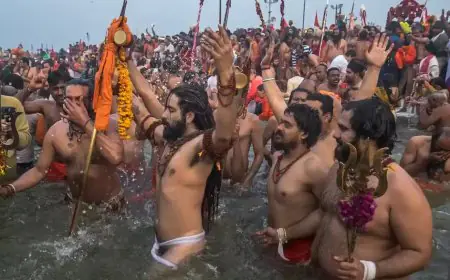
Who Are the Naga Sadhus of Simhastha 2028? Discipline, Rituals & Mystical Identity Revealed

Why 13 Akharas Are Recognised in Simhastha

How Saints and Naga Sadhus Are Preparing for Simhastha 2028 ?
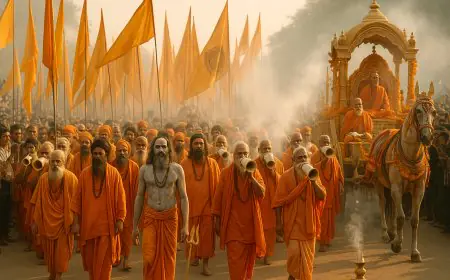
The Arrival Procession of Akharas in Simhastha 2028: A Complete Explainer

Ujjain Railway Station to Mahakaleshwar Temple Distance (2026 Guide)

Ujjain Simhastha 2028 Dates Announced: Full Shahi Snan & Event Timeline

Benefits of Becoming a Simhastha Volunteer

Ujjain Travel During Shravan Month: What Changes for Visitors
Spiritual Discipline as the Core of Akhara Training
Building Inner Stability and Focus
At the foundation of Akhara training systems, spiritual discipline plays a defining role. Sadhus are trained to cultivate inner stability through meditation, chanting, and scriptural learning. This mental conditioning is essential because Simhastha is not only physically demanding but also emotionally intense.
A sadhu who lacks mental discipline may struggle to maintain composure in crowded, high-energy environments. Therefore, long-term spiritual practice ensures that participants remain calm, focused, and aligned with their purpose.
Standardization of Ritual Practices
One of the most critical aspects of Simhastha is the uniform execution of rituals. Each Akhara follows specific traditions, and these must be performed with precision.
Training ensures:
- Correct sequence of rituals
- Accurate chanting and procedures
- Synchronization with other Akharas
This level of consistency can only be achieved through repeated practice over time.
Physical Conditioning for Endurance and Performance
Preparing for High-Density Processions
Simhastha processions, especially Shahi Snan, involve long-distance walking in dense crowds. This requires significant physical endurance.

Akhara members undergo:
- Daily physical training
- Yoga and flexibility exercises
- Breathing techniques for stamina
Adapting to Harsh Environmental Conditions
Simhastha often takes place under challenging weather conditions, including heat and humidity. Training prepares sadhus to adapt to these conditions without compromising their performance.
A first time Simhastha guide is essential because without contextual understanding, pilgrims arrive prepared for devotion but unprepared for logistics, stamina, patience, and adaptability.
Understanding and Implementing Akhara Hierarchy
Structured Organizational Framework
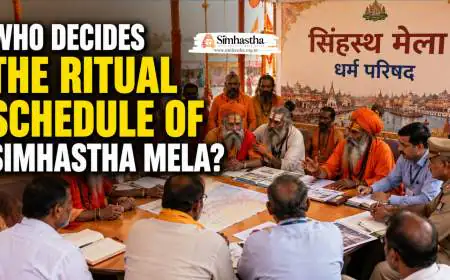
Every Akhara operates within a clearly defined hierarchy. This hierarchy is essential for maintaining order during Simhastha.
Training ensures that each member understands:
- Their position in the hierarchy
- Their responsibilities
- Whom to follow and report to
Role Clarity and Responsibility Distribution
Different roles within an Akhara include:
- Spiritual leaders guiding rituals
- Coordinators managing movement
- Support members handling logistics
Clarity in roles prevents confusion during critical moments.
Coordination and Synchronization Training
Group Movement Discipline
One of the most challenging aspects of Simhastha is moving large groups in a coordinated manner.
Training focuses on:
- Walking in formation
- Maintaining pace and alignment
- Following designated routes
Procession Simulation and Mock Drills
Akhara members participate in mock drills that simulate real Simhastha scenarios. These drills help identify potential issues and improve coordination.
Couples arriving during Ujjain Simhastha should spend their first few hours adjusting to the rhythm of the pilgrimage. Walking slowly through the city allows visitors to absorb the powerful spiritual atmosphere created by the gathering of saints and devotees attending the Ujjain Kumbh Mela.To deepen your understanding of the spiritual customs and sacred rituals practiced during Ujjain Simhastha, read our complete Simhastha rituals and sacred practices guide that explains their meaning, timing, and significance.
Crowd Awareness and Behavioral Training
Understanding Crowd Dynamics
Training includes exposure to crowd behavior principles, helping sadhus understand how large groups move and react.
Safety-Oriented Behavior
Members are trained to:
- Avoid creating bottlenecks
- Follow crowd flow systems
- Assist in maintaining order
This aligns Akharas with broader crowd management strategies used during Simhastha.
Ritual Timing and Precision Execution
Importance of Timing in Simhastha
Rituals are conducted at specific auspicious times. Any delay can disrupt the entire sequence.
Training ensures:
- Time awareness
- Synchronization with other Akharas
- Efficient execution of rituals
Leadership Development and Decision-Making
Training Future Leaders
Akhara training is not limited to current events—it prepares future leaders.
Senior members mentor juniors in:
- Leadership skills
- Crisis management
- Decision-making under pressure
Also Read | Best Time to Visit Ujjain Simhastha 2028
Decentralized Leadership Model
Given the scale of Simhastha, leadership is distributed across multiple levels. Training ensures that leaders at all levels can function independently while staying aligned with the overall system.
Logistics and Camp Management Training
Operating Large Camps Efficiently
Akhara camps function as self-contained units.
Training includes:
- Resource allocation
- Food distribution
- Accommodation management
Coordination with External Authorities
Akhara members must interact with:
- Government officials
- Security personnel
- Medical teams
Training ensures smooth communication and cooperation.
Also Read | Step-by-Step Guide to Shipra Snan at Ujjain Kumbh Mela
Communication Skills and Public Interaction
Handling Large Numbers of Pilgrims
Sadhus often engage with pilgrims who seek guidance, blessings, or information.
Training focuses on:
- Effective communication
- Managing public expectations
- Maintaining discipline during interactions
Integration with Modern Systems and Technology
Adapting to Evolving Systems
Modern Simhastha planning includes technology-driven systems.
Akhara training incorporates:
- Understanding digital communication tools
- Following updated safety protocols
- Aligning with administrative systems
Also Read | Common Simhastha Mistakes Visitors Must Avoid
Psychological Preparation for High-Pressure Environments
Managing Stress and Fatigue
Handling millions of people can be mentally exhausting.
Training includes:
- Meditation practices
- Breathing exercises
- Mental conditioning
Maintaining Emotional Stability
Sadhus are trained to remain calm and composed, even in chaotic situations.
Why Long-Term Training is Essential
Gradual Skill Development
Complex coordination and discipline cannot be developed quickly. Years of training allow gradual improvement.
Planning a trip to Ujjain Simhastha? Check our Ujjain Simhastha 2028 Cost Per Person (Full Budget Guide) to understand accommodation, food, and travel expenses during the Ujjain Kumbh Mela.
Consistency and Habit Formation
Long-term training builds habits that ensure consistent performance during Simhastha.
Adaptation to Changing Requirements
Each Simhastha brings new challenges. Early training allows Akharas to adapt to evolving conditions.
Lessons from Past Simhastha Events
Historical experiences highlight:
- The importance of discipline
- The need for coordination
- The value of preparation
These lessons shape current training practices.
Challenges in Akhara Training Systems
Managing Large Numbers
Training thousands of members requires structured systems and leadership.
Maintaining Uniform Standards
Ensuring consistency across all participants is a major challenge.
Balancing Tradition with Modern Needs
Akhara training must preserve ancient practices while adapting to modern systems.
Impact of Training on Overall Simhastha Success
Well-trained Akharas contribute to:
- Smooth processions
- Accurate ritual execution
- Safe crowd movement
- Enhanced spiritual experience
The Strategic Depth Behind Akhara Preparation
The early training conducted by Akharas is not just preparation—it is a strategic system that ensures the success of Simhastha. It aligns spirituality with discipline, tradition with coordination, and devotion with responsibility.
This preparation transforms a potentially chaotic gathering into a structured and harmonious event where millions can participate safely and meaningfully.
Related Simhastha 2028 Guides :
- Simhastha 2028 Dates Officially Announced: Full Event & Shahi Snan Timeline
- Top 10 Routes to Enter Ujjain During Simhastha 2028 Without Traffic Hassles
- How to Travel Inside Ujjain During Simhastha 2028: Routes, Maps and Movement Plans
- How to Travel in Ujjain During Peak Snan Days: Do’s & Don’ts for Simhastha 2028
- Solo Travel Guide for Simhastha 2028: Safety, Budget, Stay & Movement Tips
- Mumbai to Ujjain for Simhastha 2028: Fastest Routes & Budget Tips
- Bengaluru to Ujjain for Simhastha 2028: Night Travel vs Day Travel Comparison
- Delhi to Ujjain for Simhastha 2028: Fastest Same-Day Travel Plan for Pilgrims
- Ujjain Simhastha from New York: Best Travel & Stay Guide
- Ujjain Simhastha From London: Complete Travel & Stay Guide
Frequently Asked Questions