





























How Akharas Coordinate Shahi Snan Timing Among Themselves
Learn how Akharas coordinate Shahi Snan timing in Simhastha 2028 through tradition, hierarchy, and precise planning to ensure order and safety.



Understanding the Coordination of Shahi Snan Among Akharas
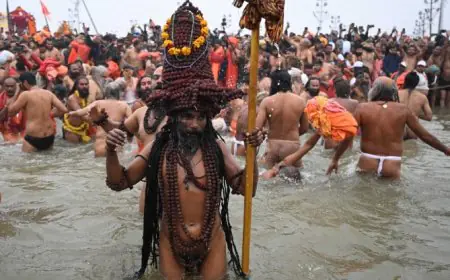
At the heart of Simhastha lies the Shahi Snan, a sacred royal bath where Akharas enter the holy waters in a precise, pre-decided sequence. What appears to an observer as a grand spiritual procession is actually governed by a deeply structured coordination system rooted in centuries-old traditions, hierarchical authority, and modern administrative planning.
The timing of each Akhara is not random. It is carefully negotiated, finalized, and executed through a combination of religious protocol, mutual consensus, and logistical synchronization with government authorities. This coordination ensures that millions of pilgrims can witness and participate without conflict, confusion, or delay.
For Every pilgrims, understanding Simhastha 2028 dates and the official Shahi Snan timeline is essential before booking flights or accommodation, as these sacred dates are completely non-negotiable
What Are Akharas and Why Their Order Matters
Akharas are traditional monastic orders of saints and ascetics, each with its own lineage, philosophy, and leadership. During Simhastha, they take center stage as primary participants of Shahi Snan.
Trending Guides Now

Who Are the Naga Sadhus of Simhastha 2028? Discipline, Rituals & Mystical Identity Revealed

Why 13 Akharas Are Recognised in Simhastha

How Saints and Naga Sadhus Are Preparing for Simhastha 2028 ?
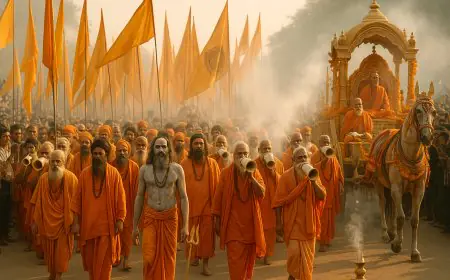
The Arrival Procession of Akharas in Simhastha 2028: A Complete Explainer

Ujjain Railway Station to Mahakaleshwar Temple Distance (2026 Guide)

Ujjain Simhastha 2028 Dates Announced: Full Shahi Snan & Event Timeline

Benefits of Becoming a Simhastha Volunteer

Ujjain Travel During Shravan Month: What Changes for Visitors
The order in which they bathe is not merely ceremonial. It reflects:
- Spiritual hierarchy and historical precedence
- Recognition of seniority and influence among Akharas
- Preservation of discipline and respect within Sanatan traditions
Any disruption in this order can lead to tension, making coordination essential.
The Traditional Hierarchy Governing Shahi Snan Timing
The foundation of coordination lies in a well-defined hierarchy.
Seniority-Based Order
Akharas are arranged based on:
- Historical importance
- Spiritual lineage
- Established precedence from past Kumbh events
This hierarchy determines who enters the river first during Shahi Snan.
A first time Simhastha guide is essential because without contextual understanding, pilgrims arrive prepared for devotion but unprepared for logistics, stamina, patience, and adaptability.

Role of Shaiva, Vaishnava, and Udaseen Akharas
Different sects participate, including:
- Shaiva Akharas often led by Naga Sadhus
- Vaishnava Akharas with distinct traditions
- Udaseen and other sects
Each group is assigned a specific time slot, ensuring smooth progression of rituals.
The Role of Akhara Parishad in Coordination
The Akhil Bharatiya Akhara Parishad acts as the central governing body for all Akharas.
Decision-Making Authority
This council:
- Finalizes the Shahi Snan sequence
- Resolves disputes between Akharas
- Ensures adherence to tradition
Couples arriving during Ujjain Simhastha should spend their first few hours adjusting to the rhythm of the pilgrimage. Walking slowly through the city allows visitors to absorb the powerful spiritual atmosphere created by the gathering of saints and devotees attending the Ujjain Kumbh Mela.To deepen your understanding of the spiritual customs and sacred rituals practiced during Ujjain Simhastha, read our complete Simhastha rituals and sacred practices guide that explains their meaning, timing, and significance.
Consensus-Based Planning
Rather than imposing decisions, the Parishad facilitates:
- Discussions among Akhara leaders
- Agreement on timing and order
- Mutual respect between sects
This consensus model ensures unity without conflict.
Pre-Simhastha Meetings and Scheduling Process
Months before Simhastha begins, multiple coordination meetings are held.
Timeline Finalization
Authorities and Akhara leaders jointly decide:
- Exact dates of Shahi Snan
- Entry time for each Akhara
- Duration allocated for each procession
Also Read | Best Time to Visit Ujjain Simhastha 2028
Route and Movement Planning
Detailed planning includes:
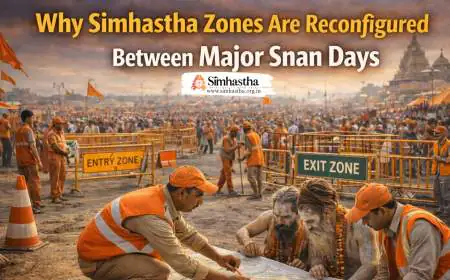
- Procession routes from camps to ghats
- Entry and exit points
- Buffer zones between Akharas
This prevents overlapping processions and congestion.
The Role of Administration in Supporting Coordination
While Akharas define the sequence, the government ensures execution.
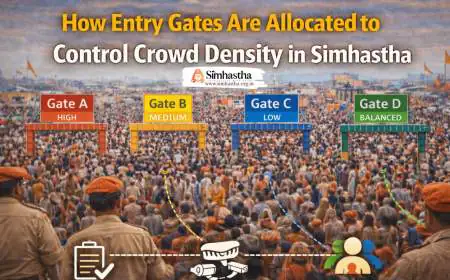
Synchronization with Crowd Management Systems
Authorities align Akhara timing with:
- Crowd forecasting models
- Security deployment
- Traffic control plans
Security and Protocol Enforcement
Each Akhara is escorted with:
- Police and security personnel
- Dedicated movement corridors
- Controlled access zones
This ensures that ritual sanctity is maintained alongside public safety.
Also Read | Step-by-Step Guide to Shipra Snan at Ujjain Kumbh Mela
Procession Dynamics: How Timing Is Maintained on Ground
The real challenge lies in executing the plan during the event.
Staggered Entry Mechanism
Akharas are allowed to move in phases:
- One Akhara completes its bath
- A buffer time is maintained
- The next Akhara begins its procession
Real-Time Coordination
Command centers monitor:
- Movement speed of processions
- Crowd density near ghats
- Delays or disruptions
Adjustments are made instantly to keep the schedule intact.
Importance of Discipline Among Akharas
Coordination is successful because Akharas themselves follow strict discipline.
Internal Management
Each Akhara ensures:
- Timely assembly of saints
- Organized procession structure
- Adherence to allocated time slots
Respect for Established Order
Despite differences, Akharas maintain:
- Respect for hierarchy
- Commitment to tradition
- Cooperation with authorities
This cultural discipline is what makes large-scale coordination possible.
Managing High-Risk Moments During Shahi Snan
Certain moments during Shahi Snan carry higher risk due to peak crowd density.
Peak Timing Control
Authorities ensure:
- No overlap between major Akharas
- Strict adherence to time windows
- Controlled public access during processions
Buffer Zones and Holding Areas
To manage unexpected delays:
- Akharas wait in designated holding zones
- Entry is regulated based on real-time conditions
This prevents crowd pressure at critical points.
Conflict Resolution Mechanisms
In rare cases of disagreement, structured systems are in place.
Mediation by Akhara Parishad
Disputes are resolved through:
- Dialogue and negotiation
- Reference to historical precedence
- Collective decision-making
Administrative Intervention
If required, authorities step in to:
- Maintain law and order
- Ensure schedule adherence
However, such situations are rare due to strong traditional governance.
Evolution of Coordination in Modern Simhastha
While rooted in tradition, coordination has evolved with time.
Integration with Technology
Modern systems include:
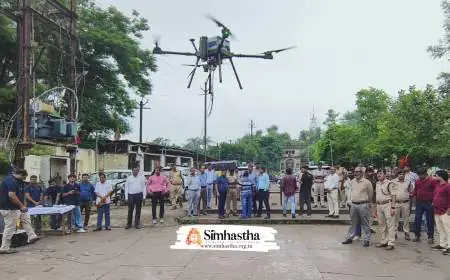
- Real-time tracking of processions
- Communication via control centers
- Data-driven adjustments
Enhanced Planning Precision
Compared to earlier decades:
- Timing is more structured
- Movement is more controlled
- Safety measures are significantly stronger
This evolution ensures that ancient traditions operate seamlessly in a modern context.
Cultural and Spiritual Significance of Timing Coordination
The coordination of Shahi Snan is not just logistical; it carries deep spiritual meaning.
Symbol of Order in Spiritual Practice
The structured sequence reflects:
- Discipline within spiritual life
- Respect for lineage and tradition
- Harmony among diverse sects
Preservation of Sacred Ritual Integrity
By maintaining order, coordination ensures that:
- Rituals are performed without disruption
- Spiritual experience remains pure
When Sacred Tradition Meets Precision Planning
The coordination of Shahi Snan timing among Akharas is a remarkable blend of ancient wisdom and modern organization. It demonstrates how a centuries-old spiritual system can function with the precision of a well-engineered operation.
Behind every procession, every chant, and every sacred dip lies an invisible framework of planning, respect, and discipline. This harmony ensures that Simhastha remains not just the largest gathering of faith, but also one of the most well-coordinated events in the world.
Frequently Asked Questions